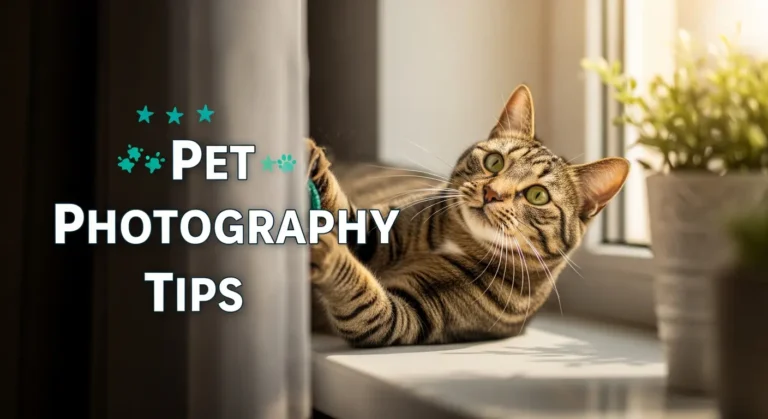
Cat photography can test your patience. One minute your cat is calm, and the next it jumps off the couch. That is normal. Instead of forcing poses, it helps to understand how cats move and react. In this guide, you will learn simple ways to improve your cat photography, from camera settings to lighting and composition, so your photos feel natural and full of personality.
Why Cat Photography Is Different
Cat photography feels different from other types of pet photography. Cats do not follow commands the way dogs often do. They move on their own terms and react quickly to small sounds or changes. Because of this, photographing cats requires patience and close attention.
Understanding cat behavior makes a big difference. Some cats enjoy attention, while others prefer quiet spaces. If a cat feels stressed, it may hide or refuse to stay still. Watching their body language helps you choose the right moment to take the shot. In cat photography, timing is often more important than perfect poses.
There are also common challenges when photographing cats. Sudden movement can cause blurry images. Indoor lighting may be low, especially if the cat avoids bright areas. Many cats also dislike flash, which can make them uncomfortable. Knowing these challenges helps you prepare and adjust your approach before the session begins.
Essential Gear for Cat Photography
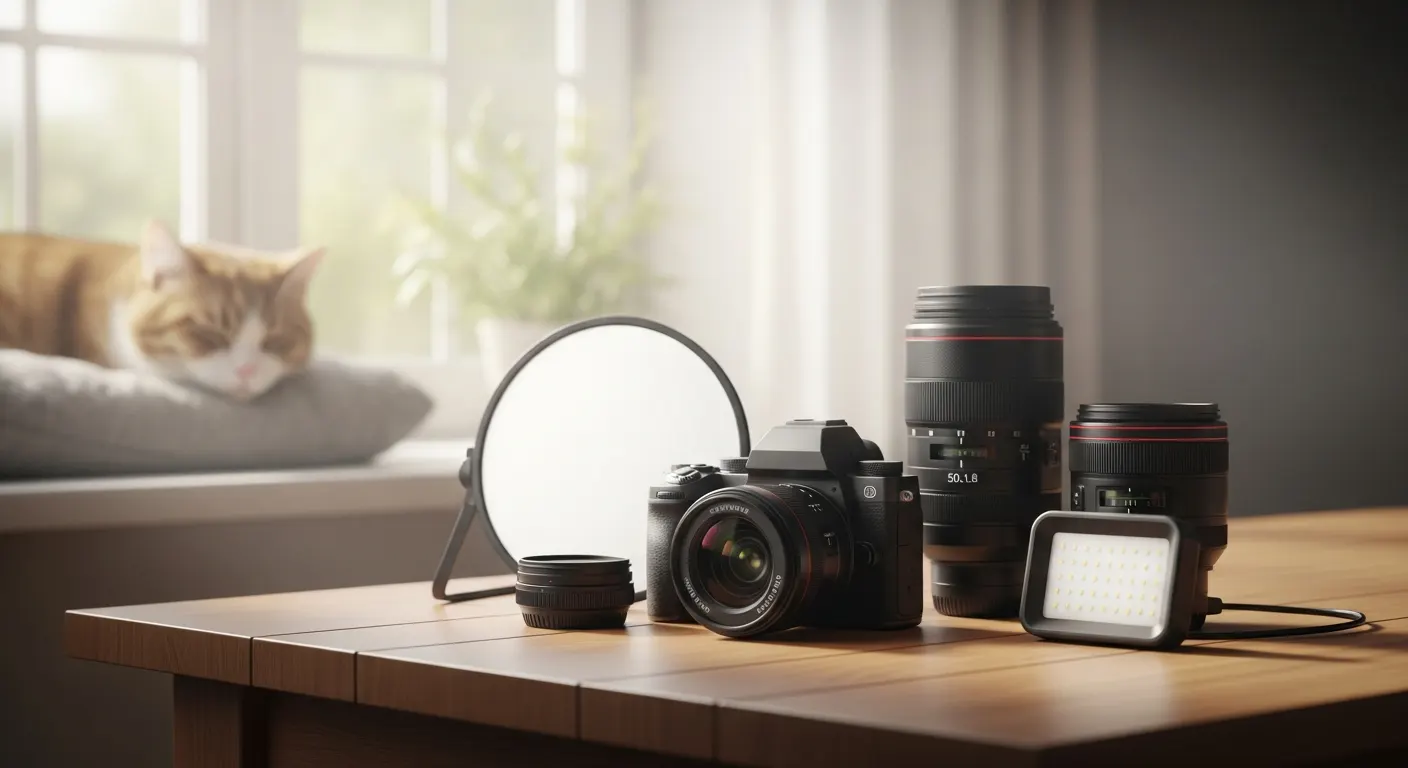
You do not need the most expensive setup to start cat photography. Still, the right gear makes your work easier. Cats move quickly and often stay in low light areas. Because of this, choosing practical equipment helps you get sharper and cleaner images.
Best Camera and Lens Options
A DSLR or mirrorless camera works well for cat photography. The best camera for cat photography is one that handles fast movement and low light. Look for a model with good autofocus and strong indoor performance.
A fast lens, such as a 35mm or 50mm with a wide aperture, helps create background blur and keeps the cat sharp. Wide apertures also allow more light, which is useful indoors. Good equipment supports your skills, but timing and patience still matter most.
Indoor Cat Photography Setup
Most cat photos are taken indoors. That is why indoor cat photography requires simple lighting control. Place your cat near a window to use soft natural light. Morning or late afternoon light usually works best.
Avoid using strong flash because it can startle cats. Keep the background clean and free from clutter. A simple setup helps you focus on expression and detail instead of distractions.
Camera Settings for Better Cat Photos
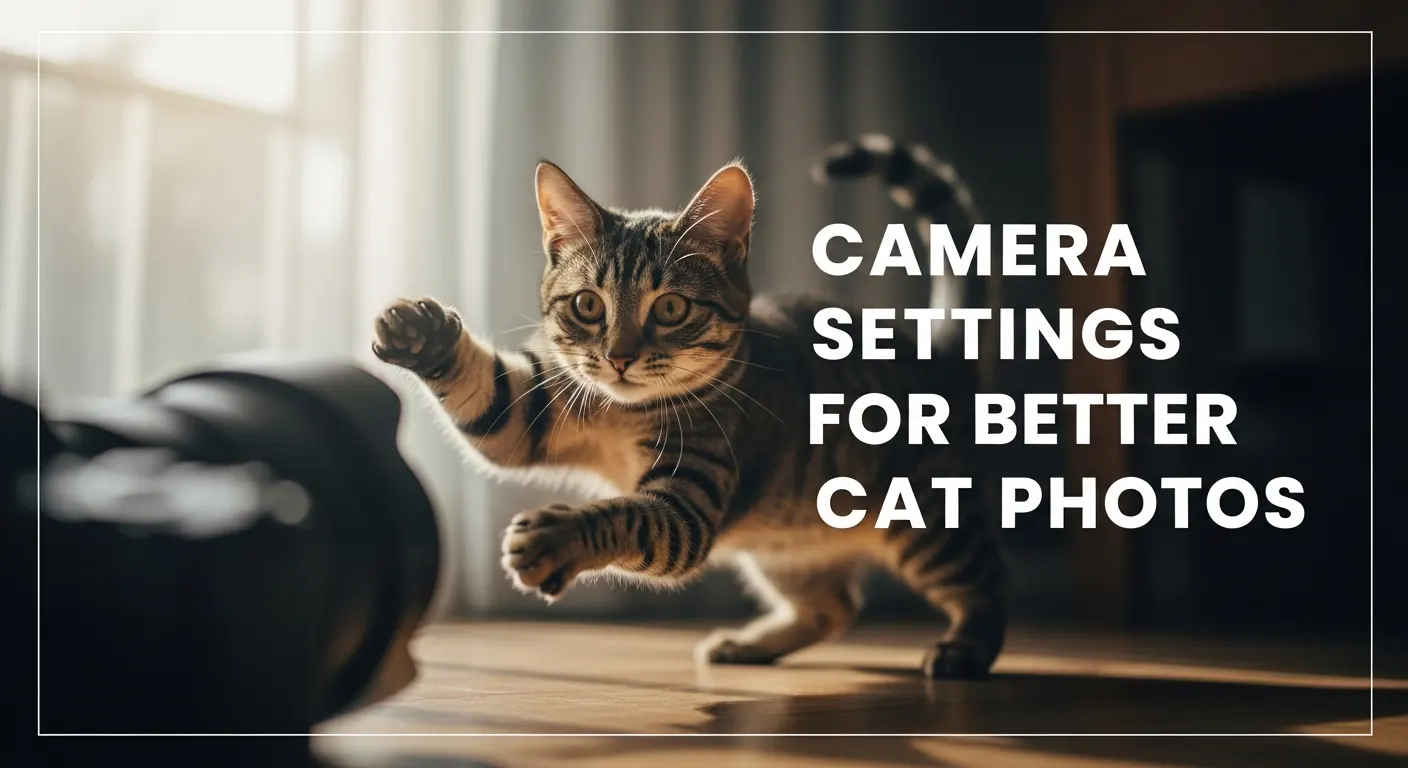
The right camera settings can improve your cat photography more than expensive gear. Cats move suddenly and indoor light is often low, so you need quick adjustments. Understanding basic cat photography settings helps you capture sharper and more natural images without stress. After shooting, proper pet photo editing can further improve light and color balance.
Shutter Speed for Active Cats
Cats rarely stay still, especially during play. A faster shutter speed helps freeze movement and prevents blurry shots. If your cat is resting or sleeping, you can lower the shutter speed slightly. Always adjust based on how active the cat is to get cleaner results.
Aperture and Background Blur
A wide aperture creates soft background blur and keeps attention on your cat. It also allows more light into the camera, which is useful for indoor cat photography. Make sure the eyes remain sharp and in focus. Clean background separation improves the overall look of your cat photos.
Best ISO Settings for Indoor Cats
Indoor light is often limited, so ISO becomes important. Increasing ISO brightens the image, but too much can add noise. Try to keep ISO balanced while maintaining enough shutter speed for sharp photos. The best settings for cat photography depend on light, movement, and your camera’s performance.
Lighting Tips for Stunning Cat Photography
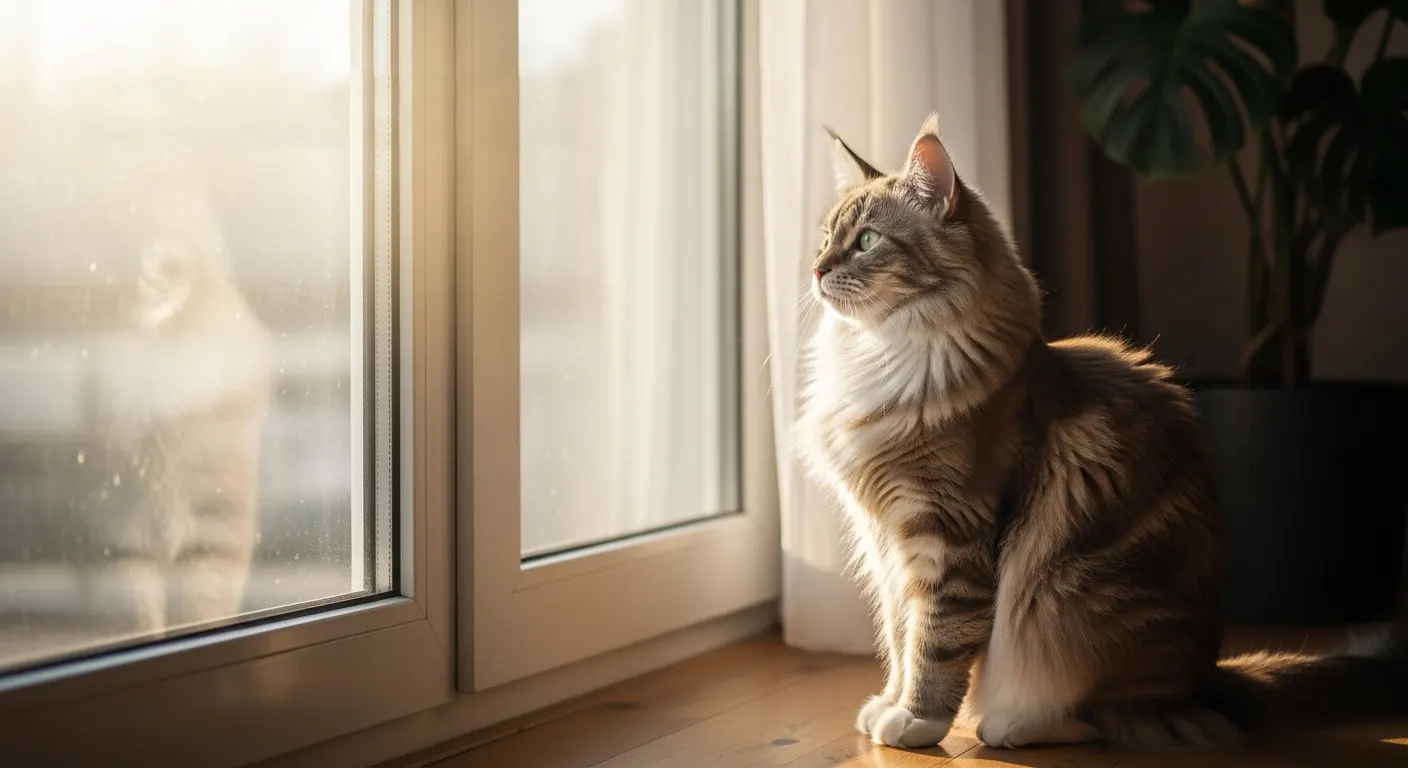
Light can completely change the look of your cat photography. Even a simple room can produce beautiful photos if the light is used correctly. Cats often prefer quiet indoor spaces, so learning to work with available light is important. Good lighting brings out fur texture, eye detail, and natural expression.
Using Natural Light Indoors
Natural light is usually the best option for indoor cat photography. Place your cat near a window where soft light enters the room. Morning or late afternoon light works well because it is gentle and even. Avoid direct sunlight hitting the face, as it can create strong contrast. Soft window light helps your cat photos look clean and natural.
Avoiding Harsh Shadows
Strong overhead lights can create dark shadows under the eyes or chin. This makes the image look uneven and less flattering. If possible, turn off harsh ceiling lights and rely on side lighting from a window. You can also use a light curtain to soften bright sunlight. Balanced lighting keeps the focus on your cat’s expression.
Cat Photography Lighting Tips
Try to keep the light source in front of or slightly to the side of your cat. This adds depth without hiding facial details. Avoid using flash, since many cats dislike sudden bright light. Small adjustments in position can make a big difference. Simple lighting choices often produce the most natural cat photography results.
Composition Tips for Professional Cat Photos
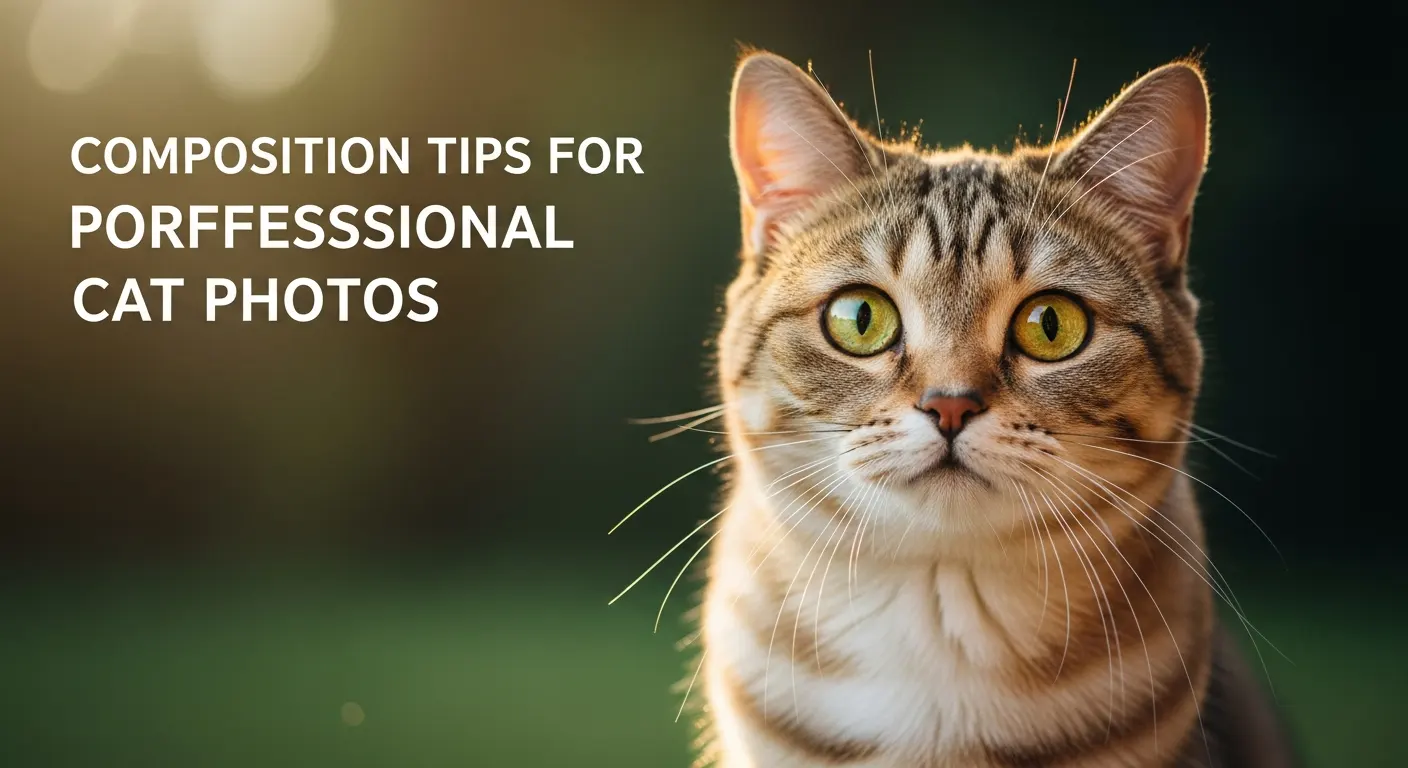
Good composition makes a big difference in cat photography. Even with the right camera settings, a messy frame can weaken the photo. Simple framing and clear focus help your images look more like professional cat photography. Small changes in angle and background often improve the result.
Focusing on the Eyes
In cat portrait photography, the eyes should always be sharp. They show mood, curiosity, and personality. If the eyes are not in focus, the photo feels incomplete.
Try to position yourself at the cat’s eye level. This creates a stronger connection in the image. Clear eye focus instantly makes your cat photography look more professional.
Choosing Clean Backgrounds
Backgrounds can either improve or distract from your subject. A busy background pulls attention away from the cat. Choose simple walls, soft fabrics, or natural settings with little clutter.
Clean backgrounds make colors stand out and keep the frame balanced. This is an important part of professional cat photography, especially for portraits.
Capturing Natural Expressions
Forced poses rarely work with cats. Instead of controlling every movement, watch and wait. Natural expressions create stronger and more emotional cat portrait photography.
Be ready to shoot when your cat stretches, looks curious, or relaxes. Patience often leads to the most genuine and beautiful photos.
Cat Photography Ideas to Try at Home
You do not need a studio to create beautiful cat photos. Many strong images can be taken in your own home with simple planning. Trying different setups keeps your cat photography fresh and creative. These cat photography ideas are easy to test and work well for cat photography at home.
Window Light Portraits
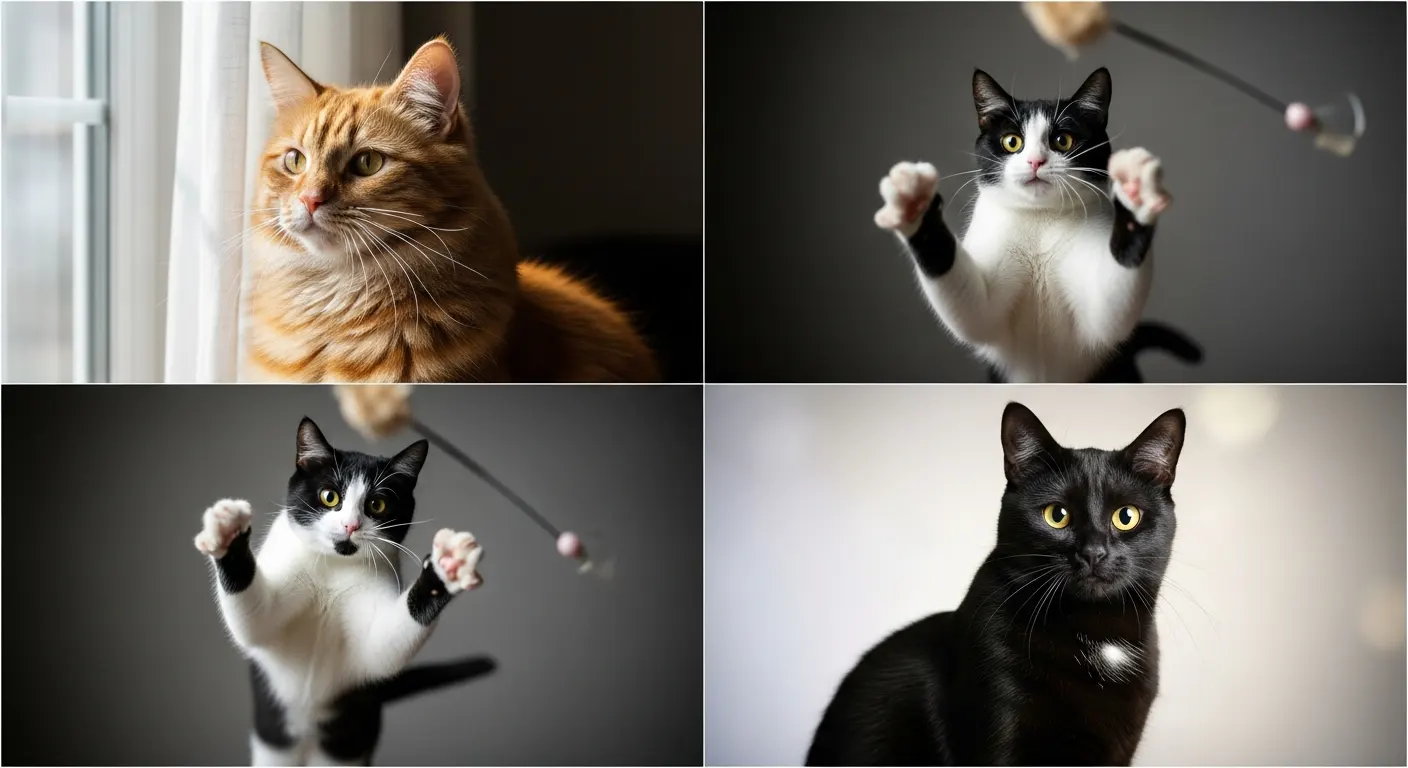
Window light is one of the best tools you have indoors. Place your cat near a window where soft light enters from the side. This light adds gentle shadows and highlights fur texture. Keep the background simple so the focus stays on the face.
Action Shots and Playtime
Cats are playful by nature, and movement can create exciting photos. Use a toy to grab their attention and be ready to capture quick jumps or paw movements. A fast shutter speed helps freeze the action.
Action shots add energy to your cat photography and show personality. Even simple playtime at home can produce dynamic images.
Photographing Black Cats Properly
Black cats can be harder to photograph because dark fur hides detail. Make sure there is enough soft light to reveal texture. Avoid dark backgrounds that blend into the fur.
Focus carefully on the eyes and adjust exposure slightly if needed. With proper lighting, black cats can look stunning in cat photography at home.
Common Cat Photography Mistakes to Avoid
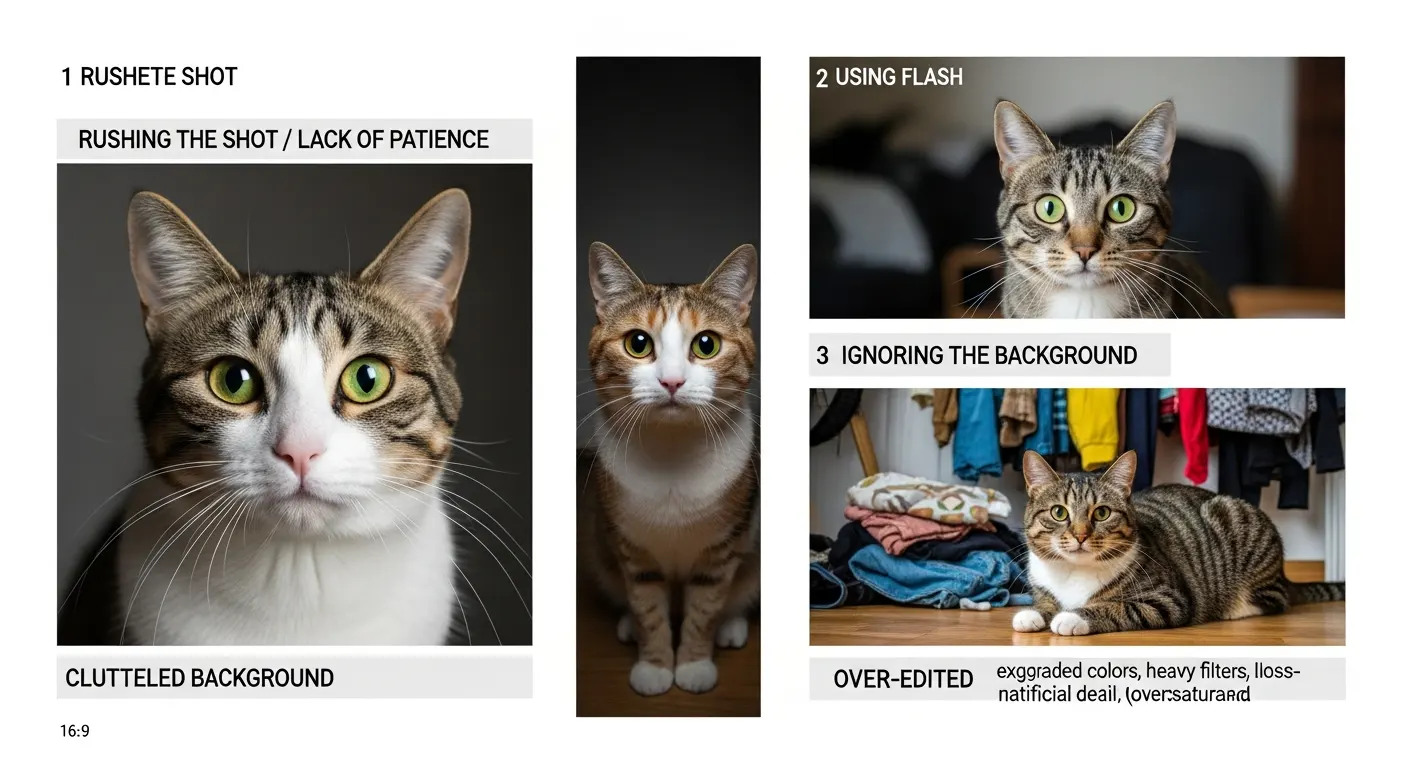
Even with good equipment, small mistakes can affect your cat photography. Many beginners rush the shot and forget to observe the cat first. Patience is important when photographing cats. Waiting a few extra seconds often leads to a better expression.
One common mistake is using flash. Bright light can scare cats and create harsh shadows. It is better to use natural light whenever possible. Soft lighting makes your cat photos look more natural and comfortable.
Another mistake is ignoring the background. A messy room can distract from the subject. Before taking the photo, check the frame and remove anything unnecessary. Clean composition helps your cat photography look more professional.
Finally, avoid over-editing. Heavy filters and strong colors can remove natural detail. Simple adjustments usually work best. Balanced editing keeps your cat photos realistic and pleasing to the eye.
Frequently Asked Questions (FAQs)
What is the best camera for cat photography?
The best camera for cat photography is one that focuses quickly and performs well in low light. A DSLR or mirrorless camera with good autofocus works well. However, skill matters more than price. Even a basic camera can produce strong cat photos if you understand light and timing.
How do I photograph cats indoors without flash?
Place your cat near a window where soft natural light enters. Turn off harsh ceiling lights and avoid direct sunlight on the face. Use a wider aperture and adjust ISO if the room is dim. Natural light usually gives better results than flash in indoor cat photography.
What are the best settings for cat photography?
Use a fast shutter speed if your cat is active. A wide aperture helps blur the background and keeps focus on the subject. Keep ISO balanced to avoid noise. The best settings for cat photography depend on movement and available light.
How can I take better pictures of black cats?
Make sure there is enough soft light to show fur detail. Avoid dark backgrounds that blend into the cat’s coat. Focus on the eyes and adjust exposure slightly if needed. Good lighting makes black cats look sharp and clear.
Is cat photography hard for beginners?
It can feel challenging at first because cats do not follow commands. They move suddenly and react to small sounds. With patience and simple cat photography tips, it becomes easier over time. Practice is the key to improvement.
Conclusion
Cat photography takes patience, timing, and simple planning. You do not need expensive gear to take better cat photos. Small changes in lighting, camera settings, and composition can improve your results quickly.
Watch how your cat moves and react naturally. Use soft light, keep the background clean, and focus on the eyes. With steady practice, your cat photography will become sharper and more expressive over time.