
Aperture is one of the most important camera settings every photographer should understand clearly. It controls how much light enters the camera and affects how photos look overall. Many beginners feel confused by aperture at first because it sounds technical. In reality, aperture is simple once the basics are clear. It changes brightness, background blur, and the mood of an image. Learning aperture camera settings helps photographers shoot with confidence. This guide explains everything in a simple, easy-to-follow way.

What Is Aperture in Camera Settings?
Aperture is a camera setting that controls how much light enters the lens. It works like your eyes adjusting between bright sunlight and darker environments. When the aperture opens wider, more light reaches the camera sensor quickly. When the aperture closes smaller, less light enters, and photos appear darker. This setting also affects how sharp or blurry the background looks. That is why aperture camera setting is one of the most important photography terms.
What Does Aperture Control in Photography Do?
Aperture controls both brightness and depth of field in photography. It decides how light or dark a photo appears in different lighting situations. A wide aperture makes the subject stand out by softly blurring the background. A smaller aperture keeps more of the scene sharp and detailed. This choice affects the mood and storytelling of an image. That is why aperture setting on the camera plays a big role in creative photography.
Aperture Camera Setting and f-Stops Explained
Aperture size is measured using f-stop numbers such as f/1.8 or f/8. Smaller f-stop numbers mean the aperture opening is wider inside the lens. Larger f-stop numbers mean the aperture opening is narrower and lets in less light. This system feels confusing at first, but it becomes easy with practice. f-stops control exposure and background blur at the same time. That is why aperture camera settings and f-stops are important topics.
How Aperture Affects Depth of Field
Depth of field describes how much of a photo looks sharp and focused. A wide aperture creates a shallow depth of field with a soft, blurred background. This look is popular in portraits and street photography. A narrow aperture creates a deep depth of field where more details remain sharp. Landscape and city photography often use smaller aperture settings. Understanding depth of field helps photographers control visual storytelling.

Wide Aperture vs Narrow Aperture (With Examples)
A wide aperture allows more light and creates a strong background blur. It works best for portraits and low-light photography situations. A narrow aperture lets in less light but keeps the entire scene sharp. This is ideal for landscapes and architectural photography. Both aperture types are useful depending on the situation. Choosing the wrong one can weaken the image impact. Knowing when to use each improves overall photo quality.
Camera Setting That Adjusts the Size of the Aperture
The camera setting that adjusts the size of the aperture controls how light enters the camera lens. This setting is usually found in Aperture Priority or Manual shooting modes. Changing aperture size instantly affects brightness and background blur. Many beginners overlook this important camera control. Learning it helps photographers shoot more intentionally.
How to Change Aperture on a Camera
Most cameras allow aperture changes using a control dial or menu option. In Aperture Priority mode, you control aperture while the camera handles other settings. In Manual mode, you control aperture, ISO, and shutter speed together. DSLR and mirrorless cameras adjust aperture in similar ways. Changing the aperture before shooting prevents exposure mistakes. With practice, adjusting aperture becomes natural and quick.
Aperture Setting on DSLR vs Mirrorless Cameras
DSLR and mirrorless cameras use similar aperture controls. The main difference is how exposure changes are displayed. Mirrorless cameras show real-time exposure in the viewfinder. DSLR cameras show results after taking the photo. Both systems offer full creative aperture control. Aperture behavior remains the same on both camera types. Comfort and preference usually decide which system photographers choose.

Aperture Camera Setting for Different Photography Styles
Portrait photography often uses a wide aperture to create background blur. Street photography balances aperture for light and subject clarity. Landscape photography uses a narrow aperture to keep the scene sharp. Night photography relies on a wider aperture for low-light situations. Each photography style benefits from different aperture choices. Understanding this helps photographers adapt quickly. Aperture is a creative tool, not just a technical setting.
Common Aperture Mistakes Beginners Make
Many beginners always shoot using the widest aperture available. This often causes missed focus and overly blurry backgrounds. Others always use a small aperture without a creative reason. This can make photos look flat and boring. Ignoring lighting conditions is another common mistake. Learning proper aperture balance fixes these issues. Simple practice helps beginners avoid these errors.
Aperture vs ISO vs Shutter Speed (Simple Comparison)
Aperture controls how much light enters the camera and the depth of field. ISO controls how sensitive the camera sensor is to light. Shutter speed controls how long light hits the sensor. All three work together to create proper exposure. Changing one setting affects the others immediately. This balance is known as the exposure triangle. Understanding aperture makes exposure easier to control.
Best Aperture Settings for Beginners
Beginners should start around f/5.6 for balanced photography results. This aperture offers good sharpness and a manageable depth of field. Use a wider aperture indoors or in low-light situations. Use a narrower aperture outdoors during bright daylight. Avoid extreme settings until confidence improves. Practicing simple scenes builds strong aperture control quickly.

How Image Expert India Corrects the Aperture of a Photo
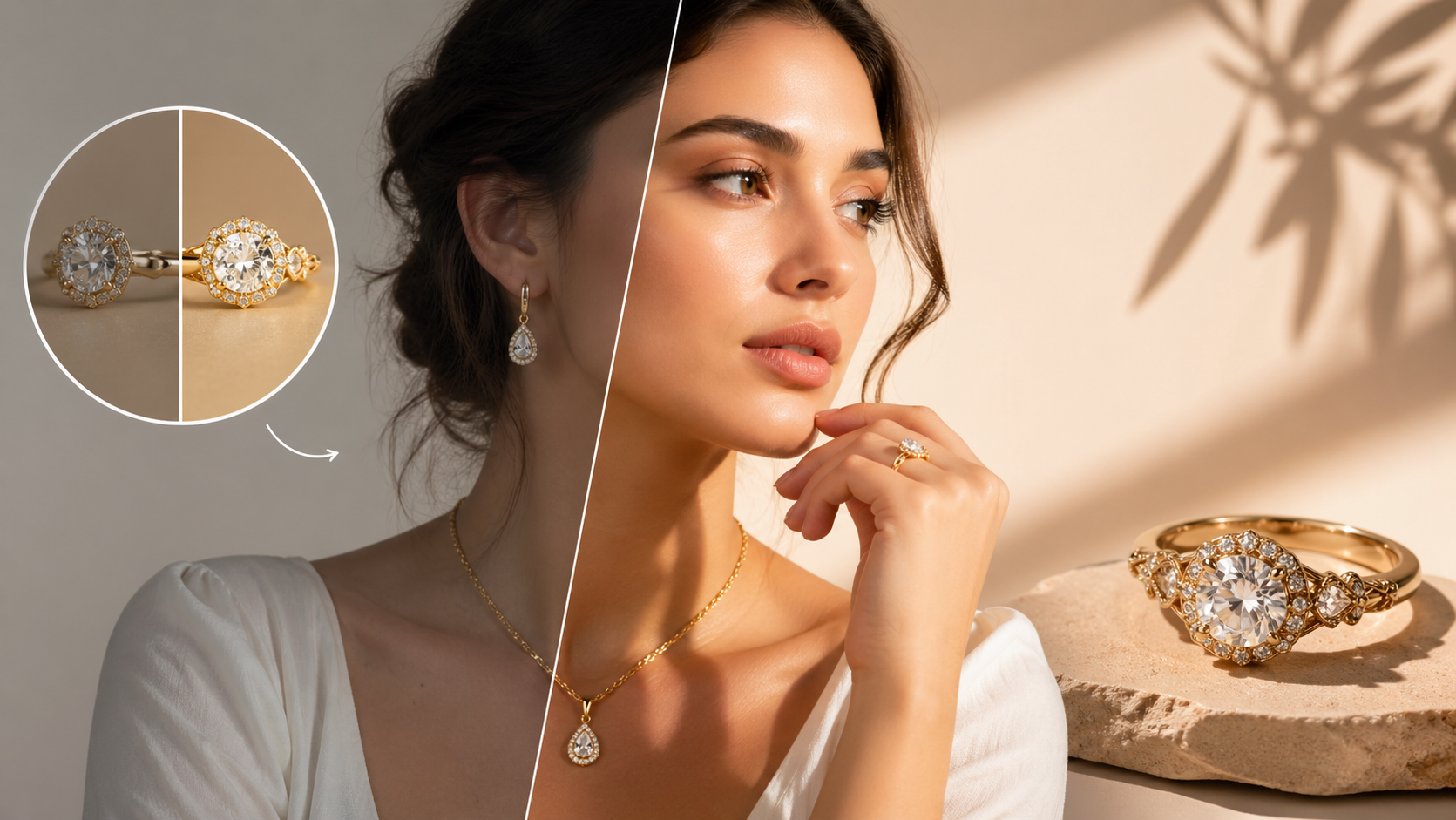
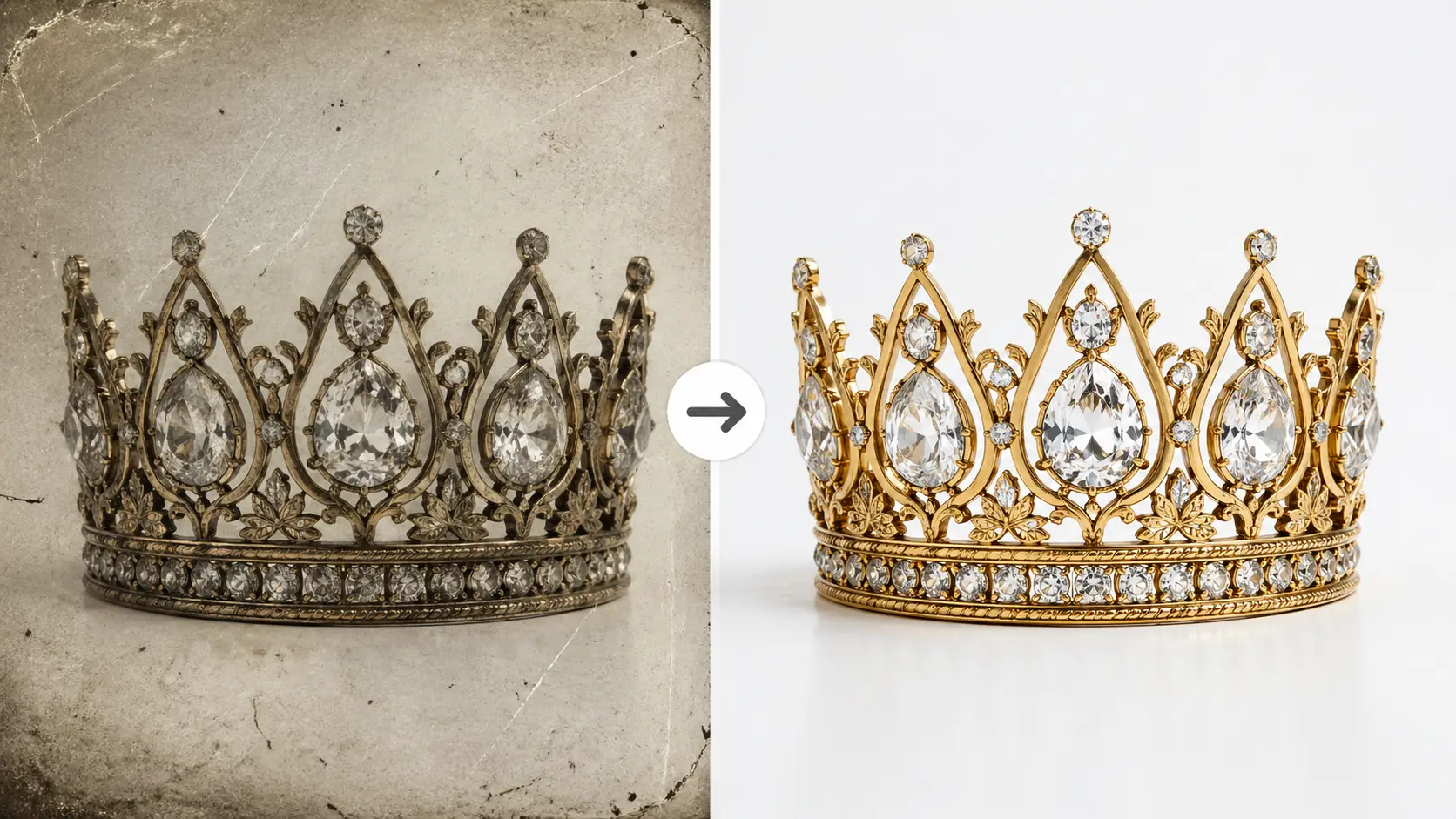
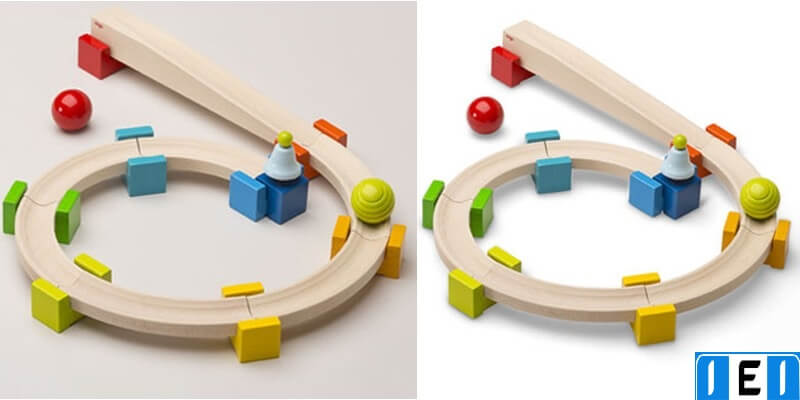
Image Expert improves photos by fixing the “aperture look,” not the camera’s real aperture. Aperture is a lens setting, so you cannot truly change it after shooting. But you can recreate the same result through photo retouching.
Sometimes a photo looks fine at first glance, but something still feels off. The subject does not stand out, or the background feels distracting. We see this kind of issue very often, even in photos taken by professional photographers. Since aperture is controlled by the camera lens, it cannot be changed once the photo is taken. That is where photo retouching actually helps.
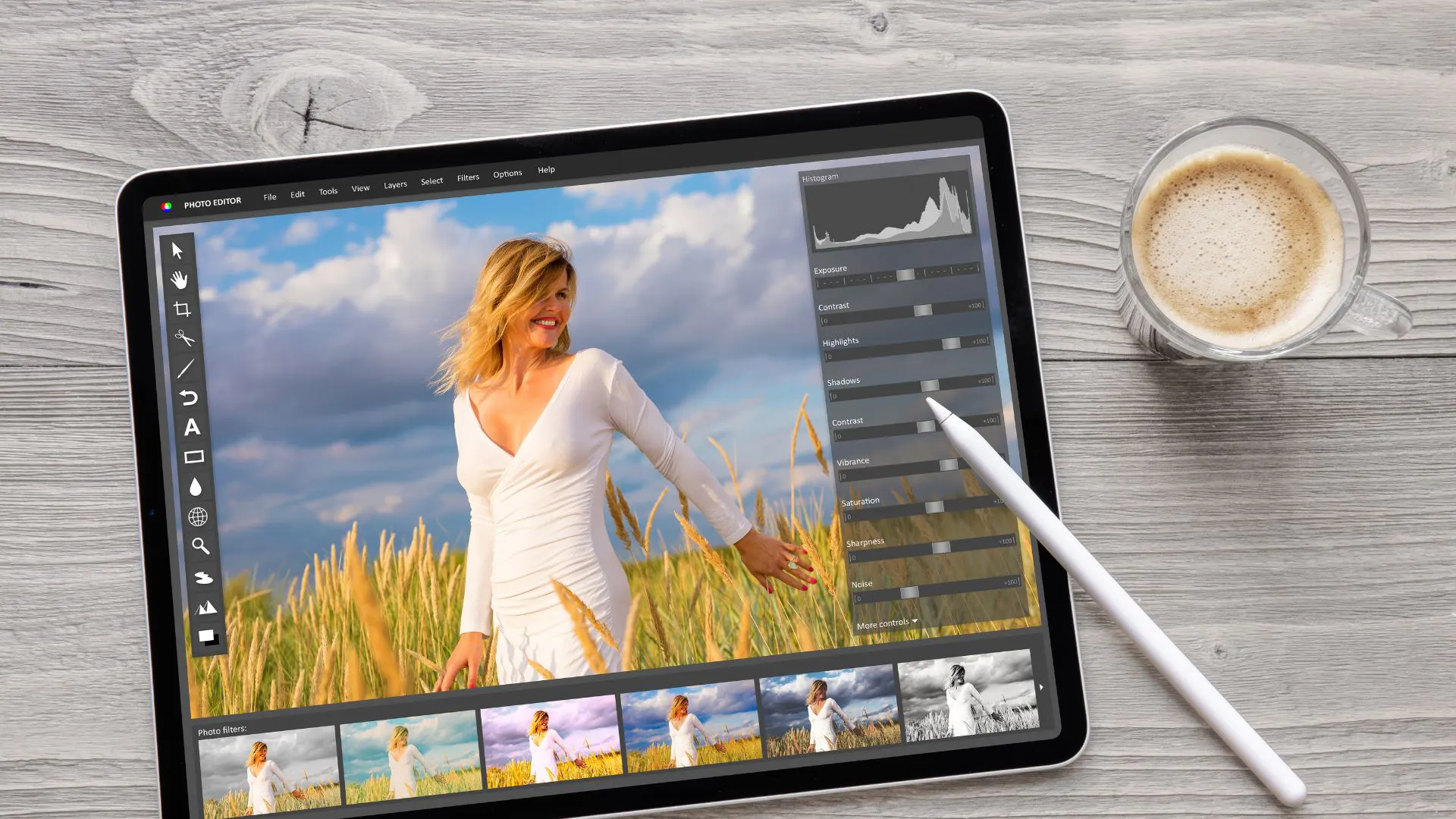
We start by looking at the image as a viewer, not as software. The focus is on how the subject sits inside the frame. If the background feels too sharp or too soft, we adjust it carefully so it feels natural. Light is corrected only where it needs attention, not everywhere. In some images, a small focus adjustment on the subject makes a big difference. Our goal is simple—when someone looks at the photo, it should feel right without looking edited.
Conclusion
Aperture camera setting is one of the most powerful tools in photography. It controls light, focus, and creative depth in every photo. Learning aperture removes confusion from camera settings. It helps photographers shoot with clarity and purpose. With practice, Aperture becomes easy to use. Mastering it leads to stronger images in any situation.
FAQ
What is aperture in camera settings?
Aperture controls how much light enters the camera lens during exposure.
What does aperture affect most in photos?
Aperture affects brightness and how blurry or sharp the background appears.
Is aperture important for beginners?
Yes, aperture is essential for learning exposure and creative photography basics.
What is the best aperture setting to start with?
f/5.6 is a safe and flexible starting point for beginners.
Does aperture work the same on all cameras?
Yes, aperture works similarly on DSLR and mirrorless cameras.