

Photo Composition Techniques shape how people feel when they look at a photo. Even with a simple camera, good composition can turn an ordinary scene into a clear, engaging image. In fact, many strong photos succeed because the photographer made smart layout choices, not because of expensive gear.
As a teacher, I often tell students this: composition is how you guide the viewer’s eyes. Once you understand that idea, photography starts to make more sense. Therefore, learning these basics early will help you grow faster and with more confidence.

What Are Photo Composition Techniques?
Photo composition techniques explain how elements are arranged inside a picture. They help decide where the subject sits, what stays in the frame, and what should be left out. Because of this, composition controls balance, focus, and mood.
Instead of guessing, photographers use composition rules as guides. However, these rules are flexible, not strict laws.
Difference between composition and camera settings
Camera settings control how light enters the camera, while composition controls what the viewer notices first. For example, shutter speed affects motion blur, but composition decides whether motion feels exciting or confusing. Because of this difference, many beginners feel frustrated when technical improvements do not improve their photos.
In simple terms, settings manage image quality, but composition manages meaning. Therefore, even a perfectly exposed photo can feel weak if the composition is unclear. Understanding this separation helps photographers focus on storytelling instead of only numbers.

Essential Photo Composition Techniques
Before improving advanced skills, it helps to master a few core ideas. These photography composition techniques appear in almost every strong image. Therefore, learning them will quickly lead to better composition in photography.
Rule of Thirds in photography
The Rule of Thirds divides the frame into nine equal boxes using two horizontal and two vertical lines. Subjects placed along these lines often look more natural and balanced to the human eye. Because of this, photos feel less stiff and more comfortable to view.
This rule is especially helpful for beginners because it removes guesswork. Over time, you will start seeing these divisions without grid lines. Until then, it works as a reliable guide.
Leading Lines in photography
Leading lines guide the viewer’s eyes through the image toward the main subject. Roads, fences, rivers, and shadows often work well as natural lines. As a result, the photo feels deeper and more dynamic instead of flat.
In addition, leading lines help control where the viewer looks first. When used carefully, they can also create a sense of movement or direction. Therefore, this technique is powerful in landscapes and street photography.
Framing your subject
Framing uses objects around the subject to draw attention inward. Common framing elements include doorways, windows, arches, or branches. Because the frame surrounds the subject, the viewer’s focus becomes stronger.
This technique also adds depth by creating layers within the image. Meanwhile, it helps remove distractions by clearly separating the subject from the background. As a result, framed photos often feel more intentional.
Using foreground and background
Foreground and background work together to create depth and context. Foreground elements pull the viewer into the scene, while the background explains where the subject exists. Because of this relationship, both areas deserve equal attention.
If the foreground is empty or the background is messy, the photo may feel incomplete. Therefore, always scan the full frame before shooting. This habit improves picture composition quickly.
How to Compose Better Photos
Improving composition takes practice, not special talent. Therefore, focusing on small habits can make progress easier and more consistent over time.
Subject placement tips
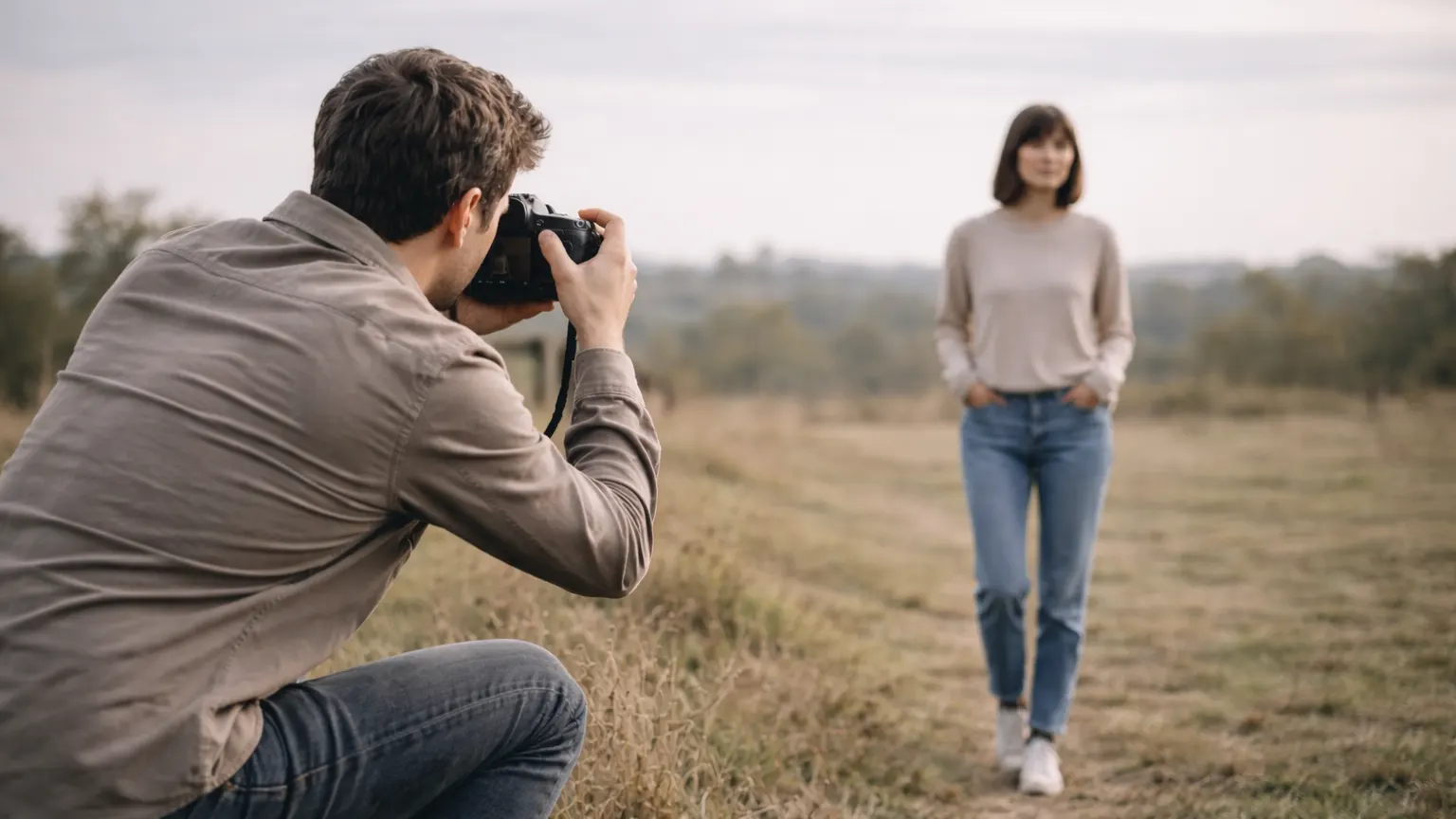
First, decide what the main subject is before raising the camera. Then place it where it feels visually balanced, not just where it fits. Often, placing the subject slightly off-center works better than placing it in the middle.
Also, leave space in the direction the subject is facing or moving. Because of this spacing, the photo feels calm and intentional instead of crowded. These small adjustments greatly improve camera composition techniques.
Angle and perspective choices
Changing your shooting angle can completely change the story of a photo. A low angle can make a subject feel powerful, while a high angle can make it feel smaller or more distant. Therefore, angle choice affects emotion as well as composition.
Instead of standing still, move your body and explore. Even a small step left or right can improve balance. As a result, your photos become more thoughtful and less repetitive.

Common Photo Composition Mistakes
Even experienced photographers make composition errors. However, noticing these mistakes early helps prevent bad habits from forming.
Centering everything
Centering feels safe, especially for beginners, but it often looks boring. When every subject sits in the middle, photos start to feel predictable. While centered composition works in some cases, overuse reduces impact.
Instead, try shifting the subject slightly to one side. Because of this change, the image gains movement and visual interest. This simple fix improves basic composition photography instantly.
Ignoring background clutter
Background clutter pulls attention away from the subject and weakens focus. Objects like poles, signs, or bright spots can accidentally steal attention. Therefore, background awareness is critical.
Before pressing the shutter, quickly scan the edges of the frame. With practice, this becomes automatic. As a result, your photos look cleaner and more professional.

Photo Composition Tips for Beginners
Learning basic photography composition techniques works best through simple, repeatable practice. Small exercises help train the eye without creating pressure.
Simple exercises
Choose one subject and photograph it from multiple angles and distances. Try close-up shots, wide shots, and different sides. Because repetition builds awareness, this exercise strengthens composition skills quickly.
You can also limit yourself to one composition rule per session. Therefore, learning stays focused and manageable instead of overwhelming.
How to train your eye
Look at photos you admire and study why they work. Notice subject placement, spacing, and background control. Over time, patterns become clear.
At the same time, review your own photos regularly. Ask what worked and what didn’t. As a result, your eye improves naturally through reflection.
FAQs About Photo Composition Techniques
What are the most important Photo Composition Techniques for beginners?
The Rule of Thirds, leading lines, and clean backgrounds are the most important. These techniques create structure and clarity early on.
Do composition rules always need to be followed?
No. However, learning them first helps you break them with purpose later.
Can phone cameras use composition techniques?
Yes. Composition depends on the photographer’s choices, not the camera type.
How long does it take to improve composition?
With regular practice, most people notice improvement within a few weeks.
Final Thoughts on Photo Composition Techniques
Strong composition comes from choosing the right technique based on the subject and scene. A portrait, landscape, and street photo all require different approaches. Therefore, flexibility matters more than memorizing rules.
As you practice, connect composition choices to real situations. Over time, these decisions become instinctive. For deeper learning, revisit our photography pillar content and review the Rule of Thirds again. That foundation supports every type of composition in photography you explore next.