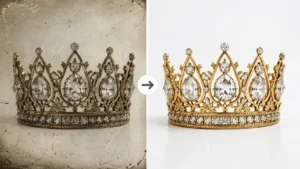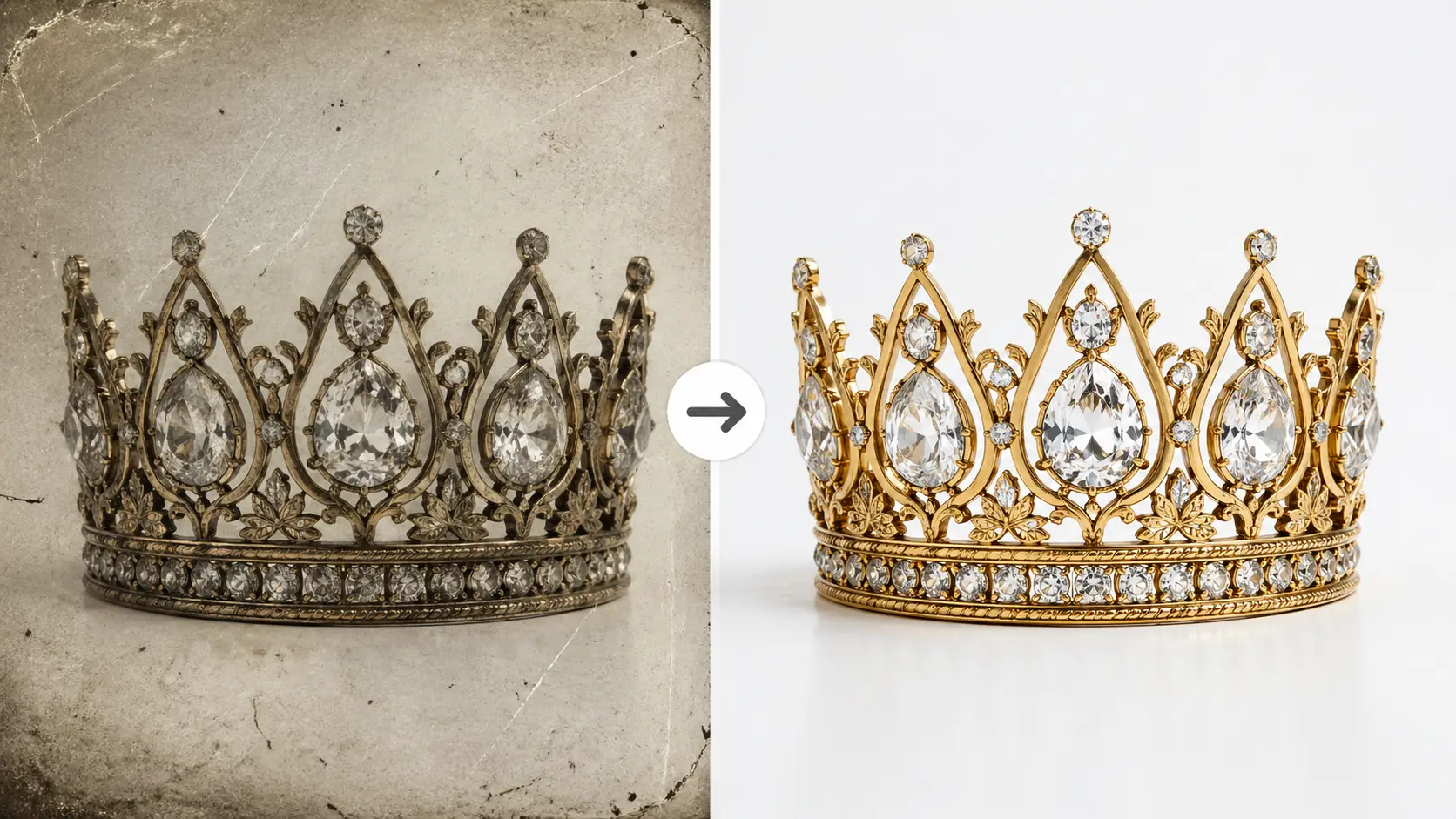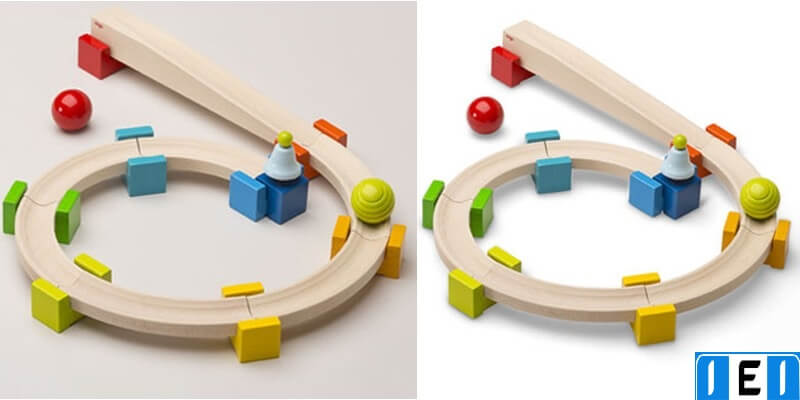

Good visuals rarely happen by accident. Behind every strong photo, poster, or drawing, there is thoughtful planning. Composition techniques help artists and photographers decide where elements should sit inside a frame. Because of this planning, images feel balanced, clear, and meaningful instead of confusing or crowded.
Within the first few seconds, our eyes judge whether an image feels right. Therefore, learning how composition works can greatly improve how people understand and feel about your work. Even better, these skills are not about talent alone. With practice, anyone can learn them.
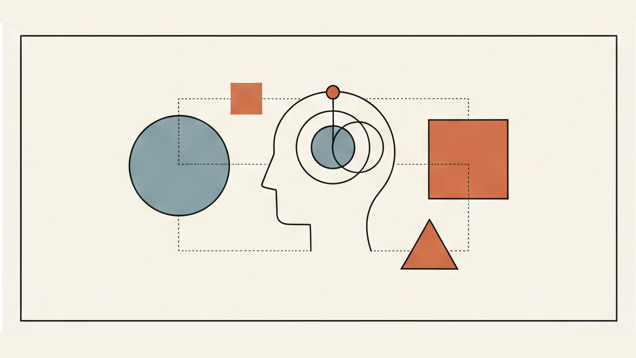
What Are Composition Techniques?
Before learning specific methods, it helps to understand what composition really means and why it matters so much in visual work.
Definition of composition in visual art
In visual art, composition means how different elements are arranged inside a picture. These elements include shapes, colors, lines, space, and subjects. In other words, composition is about placement and relationship.
Because of composition, the viewer’s eye knows where to look first and where to move next. Without it, images often feel messy or unfinished. Therefore, artists use composition to create order and focus.
Why composition matters in photography and design
Photography and design depend heavily on clear communication. A photo might be sharp and colorful, yet still fail if the composition feels weak. Because of poor arrangement, the main subject can get lost.
On the other hand, good composition guides attention naturally. As a result, viewers understand the message faster. Whether it is a photograph, poster, or website banner, strong composition makes the visual easier to read and remember.

Why Composition Techniques Improve Visual Impact
Composition does more than make images look neat. It affects how people see, feel, and connect with what they are viewing.
How the human eye reads an image
The human eye does not scan images randomly. Instead, it follows patterns. For instance, our eyes often move from left to right or follow strong lines and shapes.
Because of this behavior, artists use composition to control visual flow. Leading shapes or balanced spacing help the eye move smoothly. As a result, the viewer stays engaged longer and understands the image more clearly.
Emotional and storytelling benefits
Beyond structure, composition also supports emotion and storytelling. A tightly framed subject can feel intense, while open space can feel calm or lonely.
For example, placing a small subject in a large empty space may suggest isolation. Meanwhile, a balanced and centered subject can feel strong or peaceful. Therefore, composition helps turn simple visuals into meaningful stories.
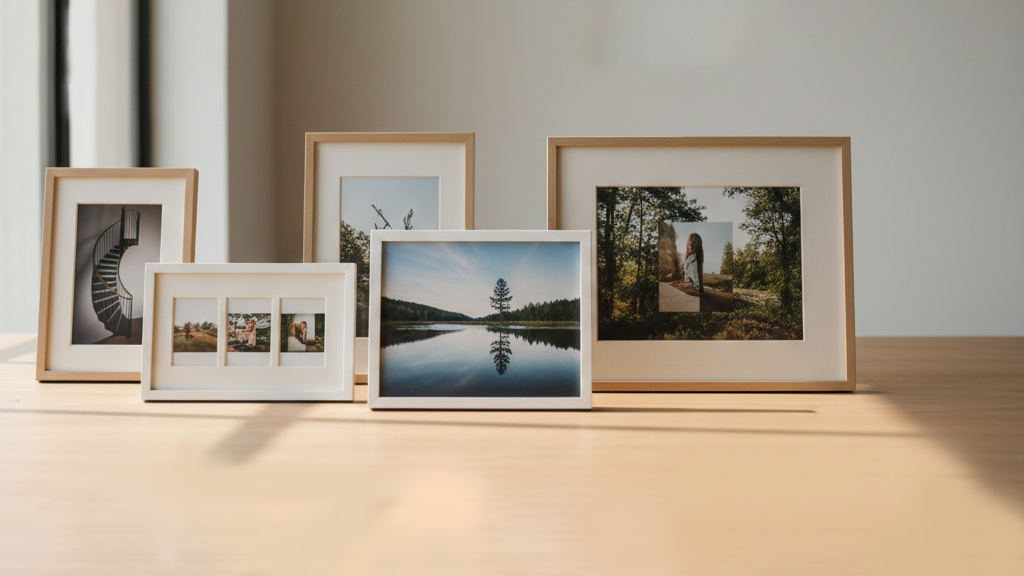
Core Composition Techniques You Should Know
There are many ways to organize visual elements. However, some techniques appear again and again because they work so well across different styles.
Rule of Thirds
The Rule of Thirds divides an image into nine equal parts using two horizontal and two vertical lines. Important elements are placed along these lines or at their intersections.
Because of this placement, images often feel more natural and balanced. This method is especially helpful for beginners. You can explore more details in our internal guide on Rule of Thirds.
Leading Lines
Leading lines use natural or artificial lines to guide the viewer’s eye. Roads, fences, shadows, or even arms and gazes can act as lines.
As a result, attention moves directly toward the main subject. This technique works well in landscapes and street photography. Later, you can learn more through our upcoming article on leading lines.
Framing
Framing means using objects within the scene to surround the subject. Windows, doors, branches, or arches often work as frames.
Because of framing, the subject feels more important and separated from the background. In addition, it adds depth to the image. A detailed guide on framing will be available soon.
Symmetry and Balance
Symmetry happens when both sides of an image feel equal. This balance can feel calm, stable, and formal. Buildings and reflections often create natural symmetry.
However, balance does not always mean perfect symmetry. Asymmetrical balance also works when visual weight feels equal. Therefore, artists choose balance styles based on the mood they want.
Negative Space
Negative space is the empty area around a subject. Although it may seem unused, it plays a powerful role.
Because of negative space, the main subject stands out more clearly. In addition, the image feels less crowded. This technique works especially well in minimalist designs and portraits.
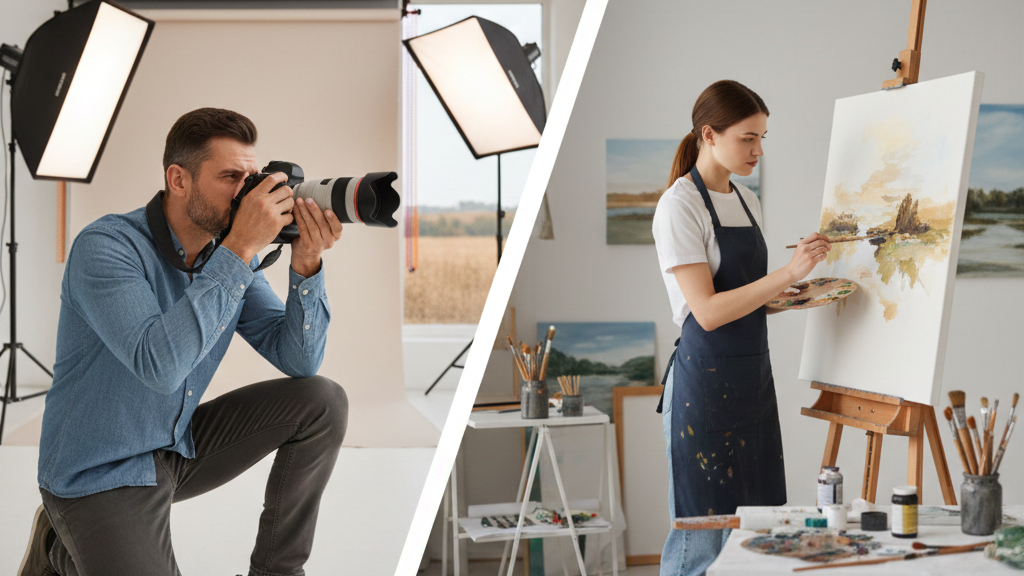
Composition Techniques in Photography vs Art
While many principles overlap, photography and art approach composition in slightly different ways.
Camera-based composition
Photography depends on real scenes and moments. Therefore, photographers must compose quickly using what is already there.
They adjust angles, distance, and timing to improve image composition. Cropping and lens choice also help. Because of these limits, photographers rely heavily on observation and fast decision-making.
Artistic composition principles
Artists, on the other hand, create scenes from imagination or planning. Painters and illustrators decide every element before placing it.
As a result, they can exaggerate balance, shapes, or space more freely. However, the same core ideas of picture composition still apply. Both fields aim for clarity and emotional impact.

How to Practice Composition Techniques
Learning theory is helpful, but improvement comes from practice. Simple habits can make a big difference over time.
Beginner-friendly practice tips
Start by observing instead of shooting or drawing right away. Look at strong images and notice how elements are placed.
Next, practice with one technique at a time. For instance, focus only on framing for a day. Because of this focus, learning becomes less overwhelming. You can also review your work and ask what feels balanced or distracting.
Common composition mistakes
Many beginners place the subject directly in the center every time. While this can work, it often feels boring.
Another mistake is clutter. Too many elements compete for attention. Therefore, simplifying the scene usually improves results. Learning from mistakes is part of mastering different composition techniques.
FAQs About Composition Techniques
What are composition techniques in simple terms?
They are ways to arrange elements in an image so it looks clear, balanced, and interesting.
Do I need to follow all composition rules strictly?
No. These are guides, not laws. Once you understand them, you can bend or break them on purpose.
How long does it take to improve composition skills?
Improvement depends on practice. With regular effort, most people see progress within weeks.
Are composition techniques only for professionals?
Not at all. Beginners benefit the most because these skills build a strong foundation.
Why are composition techniques important for storytelling?
Because they guide attention and emotion, helping viewers understand the story behind the image.
Final Thoughts on Composition Techniques
Strong visuals come from clear thinking, not guesswork. Composition techniques help turn ideas into images that feel balanced and meaningful. They are skills built through observation, practice, and patience.
Instead of chasing perfection, focus on learning how images work. Over time, your eye will improve naturally. With regular practice, composition becomes a habit rather than a rulebook, and your visual work will speak more clearly because of it.