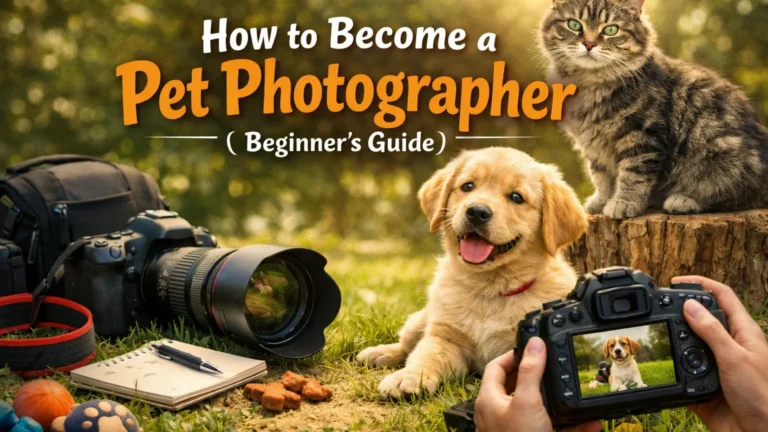
Becoming a pet photographer can turn your love for animals into a creative career. This beginner’s guide explains how to become a pet photographer step by step. You will learn about skills, equipment, practice methods, and ways to find clients. By the end, you will understand how to start pet photography with confidence.
What Does a Pet Photographer Do?
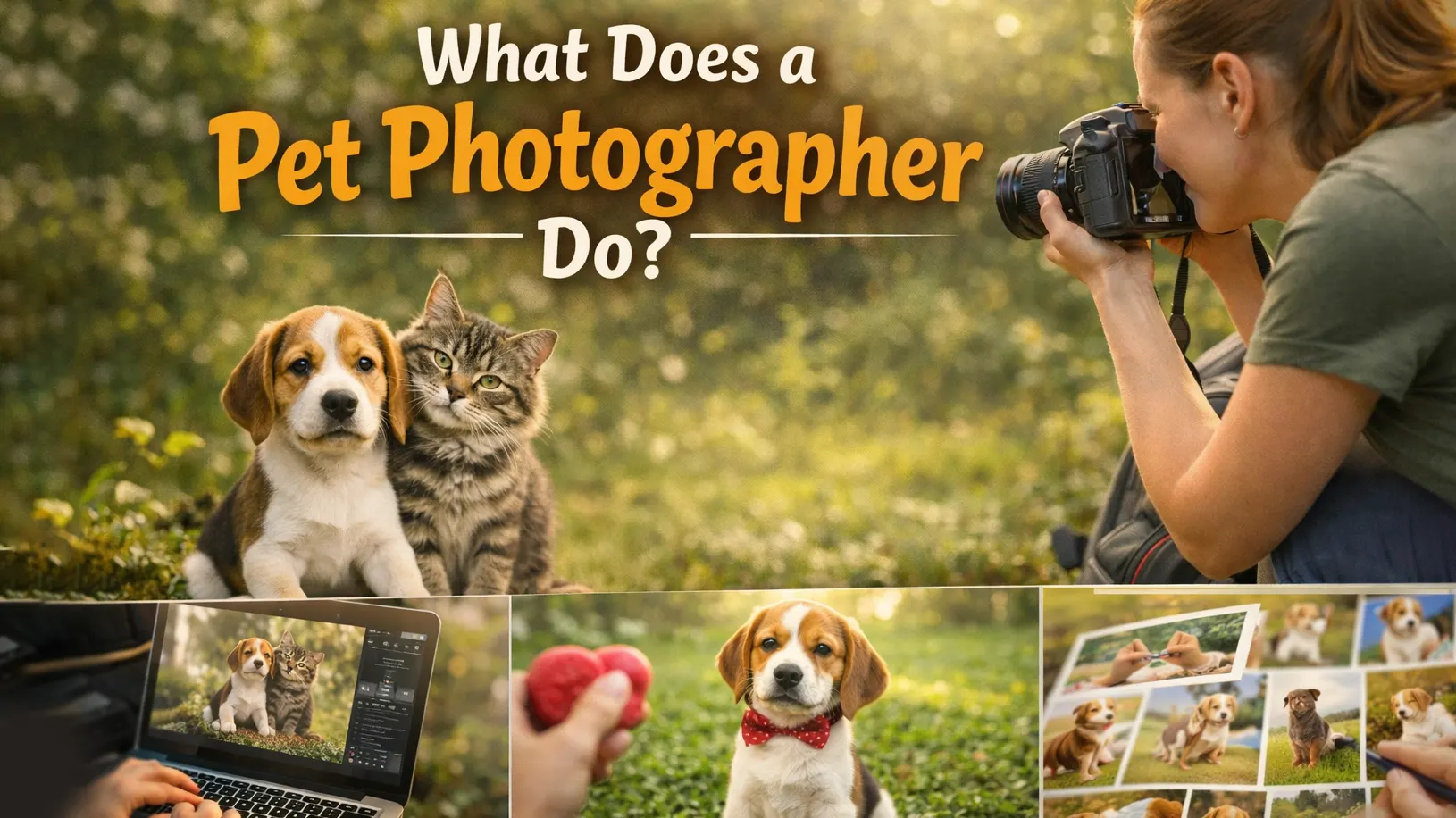
A pet photographer captures images of animals in a natural and appealing way. The goal is to show the pet’s personality through light, timing, and expression. Pet photography requires patience and quick reaction because animals rarely stay still. This career combines creativity with strong technical skills.
Pet photography includes different types of sessions. Some photographers focus on studio portraits with clean backgrounds. Others prefer outdoor sessions in parks or natural settings. There are also event sessions such as pet birthdays or adoption days. Each style requires a slightly different approach.
A good pet photographer needs both creative and practical skills. You must understand basic camera settings, lighting, and composition. At the same time, you should know how animals behave. Patience and calm communication help keep pets relaxed during shoots.
The work environment can change often. Some sessions happen in a home or studio, while others take place outdoors. Weather, noise, and movement can affect the shoot. A flexible mindset helps you adapt and succeed in professional pet photography.
Learn the Basics of Pet Photography
Before you become a pet photographer, you need strong basics. Good pet photography skills help you handle different situations with confidence. When you understand light, timing, and animal movement, your results improve faster. A solid foundation makes it easier to grow in professional pet photography.
Understanding Animal Behavior
Animals do not pose like people. They move quickly and react to sounds, smells, and new environments. Understanding basic animal behavior helps you predict their actions and capture natural expressions. Patience is one of the most important pet photography skills.
Spend time observing how pets respond during sessions. Stay calm and avoid sudden movements. A relaxed approach helps animals feel safe, which leads to better photos.
Essential Pet Photography Equipment
You do not need expensive gear to begin. However, the right pet photography equipment improves image quality and consistency. A DSLR or mirrorless camera with a fast lens works well for sharp and clear results. Natural light is often enough for beginners.
Simple tools such as treats and toys also make a big difference. They help keep pets focused and engaged during the shoot. Choosing practical equipment allows you to build skills without large investment.
Basic Camera Settings
Strong control of camera settings is essential in pet photography. A fast shutter speed helps freeze movement, especially with active dogs. A wide aperture creates background blur and keeps attention on the subject.
Keep ISO at a balanced level to avoid noise. Practice in different lighting conditions to gain confidence. Mastering these basics strengthens your foundation as a pet photographer.
Practice and Build Your Skills
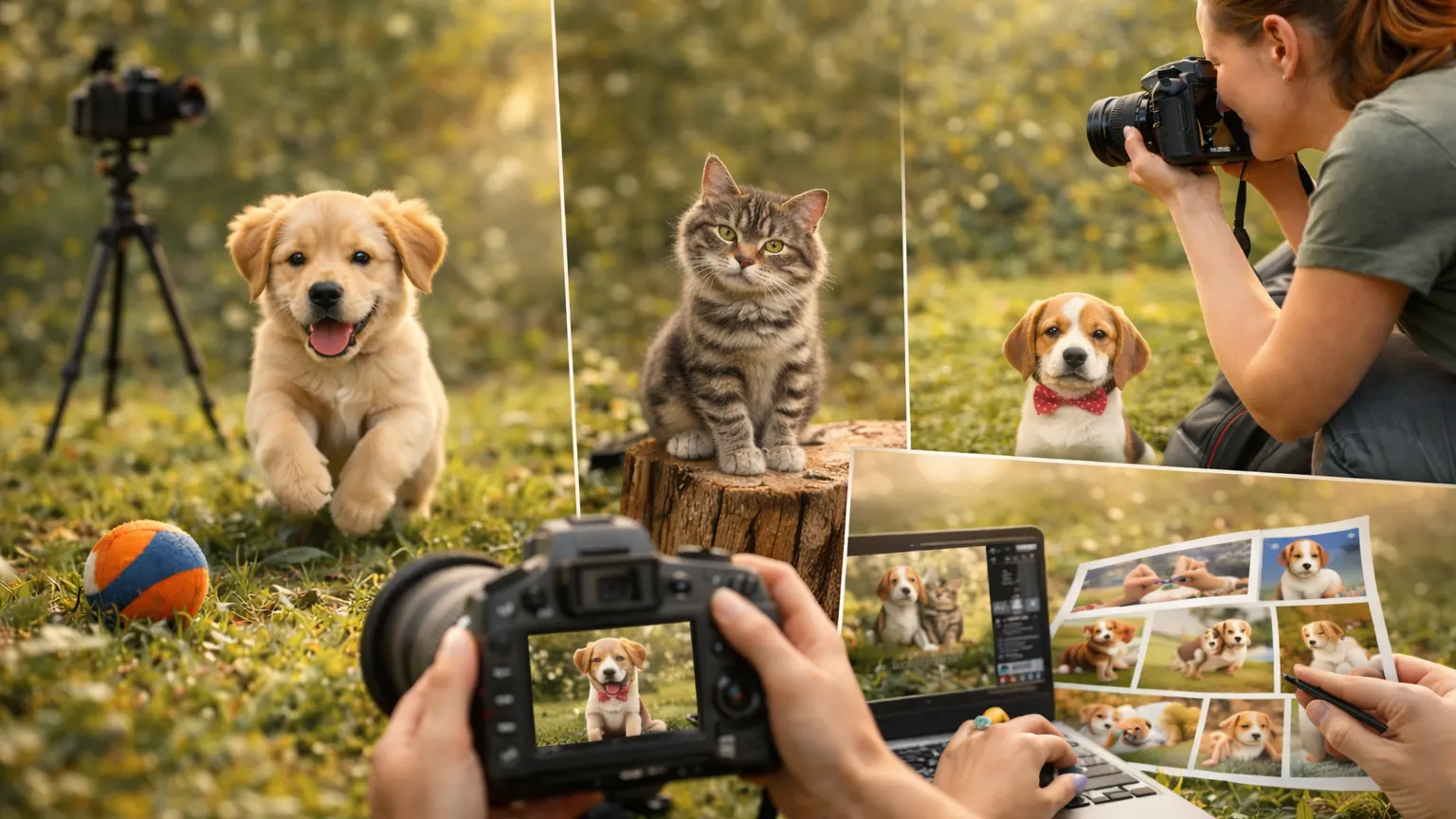
Practice is essential if you want to become a pet photographer. Reading pet photography tips can help, but real improvement comes from regular shooting. The more you work with animals, the better you understand timing, movement, and expressions. Consistent practice builds strong pet photography skills and confidence over time.
Working with Different Pets
Each pet behaves in a different way. Dogs may be active and playful, while cats can be calm or shy. Learning how to adjust your approach makes sessions easier and smoother. Working with different animals improves your patience and control as a pet photographer.
Lighting and Composition Techniques
Good lighting makes a big difference in pet photography. Natural light often creates soft and clean results, especially in the morning or late afternoon. Good composition keeps the focus on the pet’s face and eyes. Simple framing and clean backgrounds help your photos look more professional.
Improving Your Editing Skills
Editing is an important part of pet photography. You can read our detailed guide on pet photo editing to improve your final images. Clean and natural pet photo editing improves light, color, and detail without changing the pet’s real look. Focus on small adjustments instead of heavy filters. Balanced editing enhances image quality while keeping the portrait realistic.
Build a Strong Pet Photography Portfolio
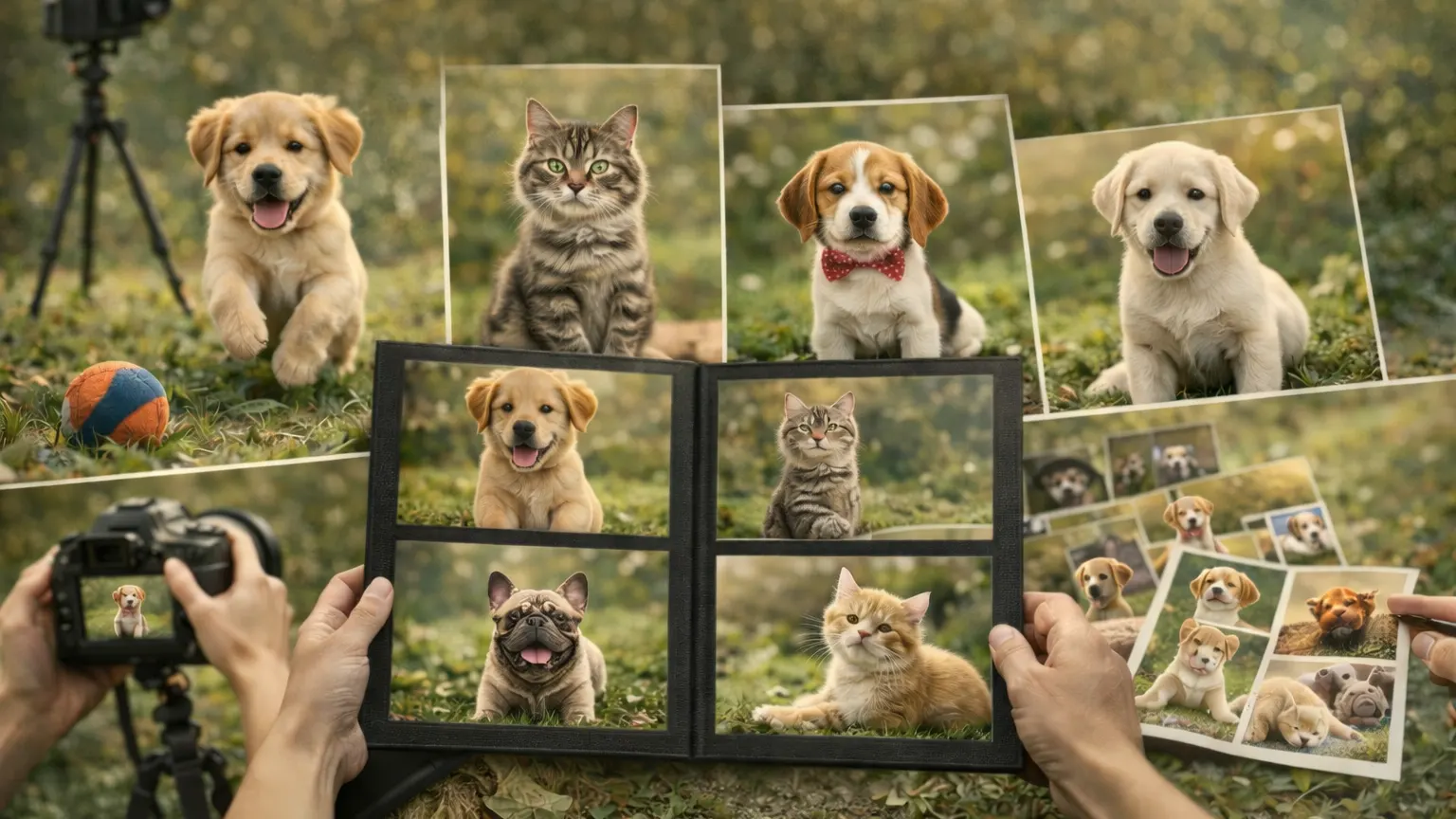
Your portfolio is your proof of skill. Before hiring you, most clients will check your past work. A strong pet photography portfolio shows your style, creativity, and consistency. It should clearly reflect the type of pet photography you want to offer.
Choosing Your Best Work
Do not upload every photo you take. Instead, choose images that show strong lighting, clear focus, and natural expressions. Try to include different pets and settings to show variety. This helps clients see that you can handle different situations.
Each photo should add value. If two images look similar, keep the stronger one. A simple and focused pet photography portfolio always looks more professional than a large but average collection.
Creating an Online Portfolio
Today, most clients search online before booking a session. A clean website or portfolio page makes you look serious about your work. Make sure your images are sharp and easy to view on both phones and computers.
Keep the design simple. Add a short introduction about yourself and clear contact details. When your pet photography portfolio is easy to explore, clients are more likely to reach out.
Start Getting Clients
Once you build your skills and portfolio, the next step is to start getting real pet photography clients. Many beginners wait too long before promoting their work. The truth is, you learn even more when you work with paying clients. Taking small and steady steps helps you start pet photography with confidence.
Offering Free or Discounted Sessions
At the beginning, you may offer a few free or discounted sessions. This helps you gain experience and collect strong images for your portfolio. It also allows you to practice working with real clients and different pets.
Make sure the offer is limited and clear. Even if the session is discounted, treat it professionally. Good service and quality photos often lead to referrals and repeat pet photography clients.
Using Social Media for Exposure
Social media is one of the easiest ways to promote your work. Share your best images regularly and write simple captions. Behind-the-scenes content can also help people connect with you.
Use relevant hashtags and location tags so local pet owners can find you. Stay active and respond to comments or messages quickly. Consistent posting helps you attract more pet photography clients over time.
Networking with Pet Businesses
Local pet businesses can help you grow faster. Reach out to groomers, pet stores, trainers, or veterinary clinics. You can offer to photograph their space or collaborate on small events.
Building real relationships creates trust and visibility. When local businesses recommend you, it becomes easier to start pet photography with steady client flow.
Turn Your Skills into a Career
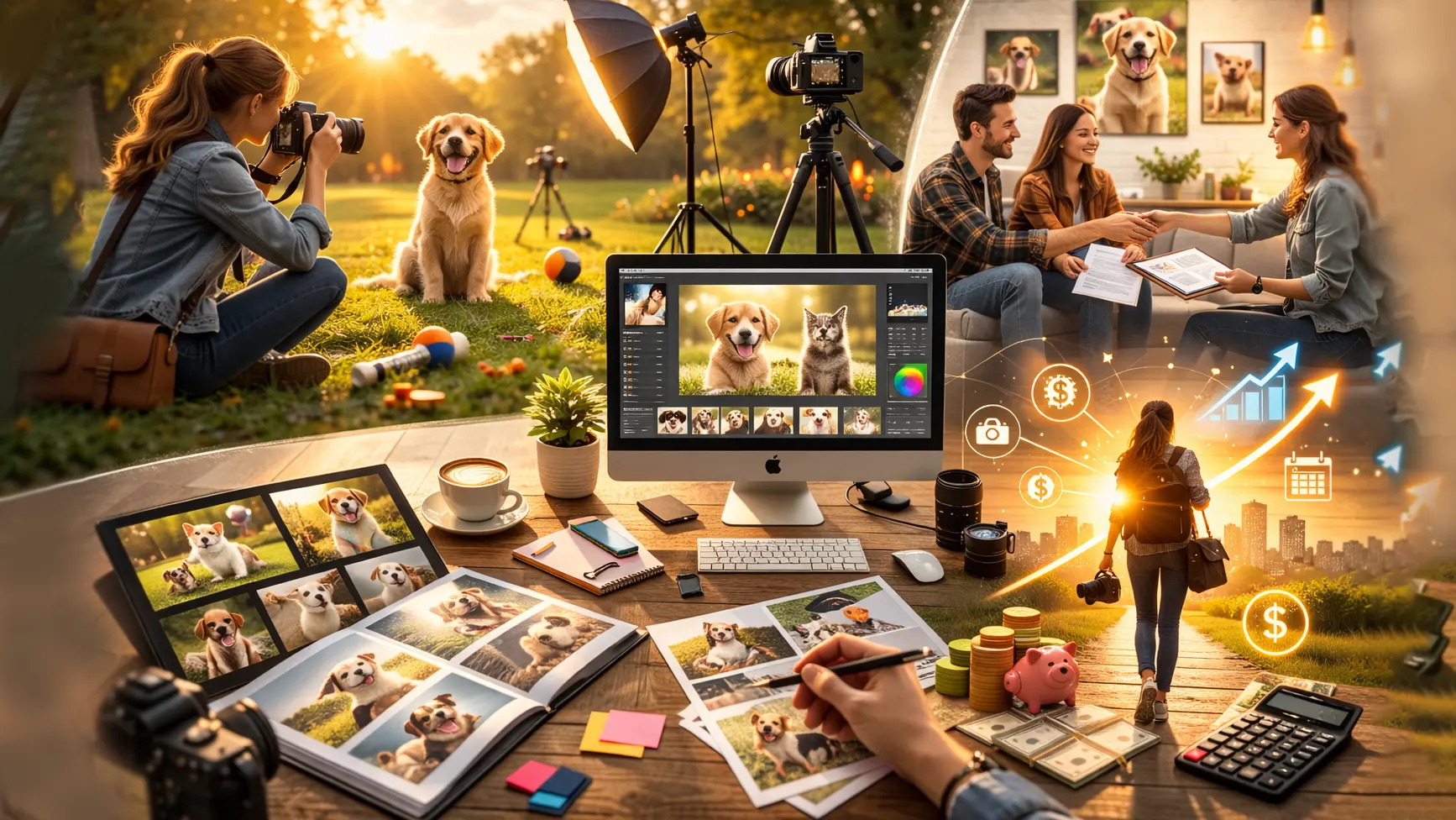
Once you gain experience and regular clients, you can start building a long-term pet photography career. At this stage, your focus should shift from practice to growth and stability. A smart approach helps you turn small projects into steady income. With the right steps, pet photography can become more than just a hobby.
Setting Your Pet Photography Pricing
Pricing plays a big role in building a stable career. Your rates should cover your time, editing work, and business expenses. Avoid setting prices too low just to attract clients. Fair and clear pricing helps you present yourself as a serious pet photographer.
Review your rates as your skills improve. As demand increases, you can adjust your pricing gradually. Smart decisions about pet photography pricing support long-term success.
Growing Your Personal Brand
A strong personal brand helps people remember your work. Keep your editing style, logo, and communication consistent across platforms. This makes your pet photography easy to recognize.
Share your passion for animals and show your personality. When clients feel connected to you, they are more likely to return and refer others. A trusted brand helps grow your pet photography business steadily.
Expanding into a Pet Photography Business
As your bookings become consistent, you can expand your services. You might offer studio sessions, printed albums, or premium packages. Adding new options increases income without increasing session time.
Over time, you can turn freelance work into a full pet photography business. If you want to grow further, explore our step-by-step guide on starting a pet photography business. Clear systems, steady marketing, and consistent quality help build long-term stability.
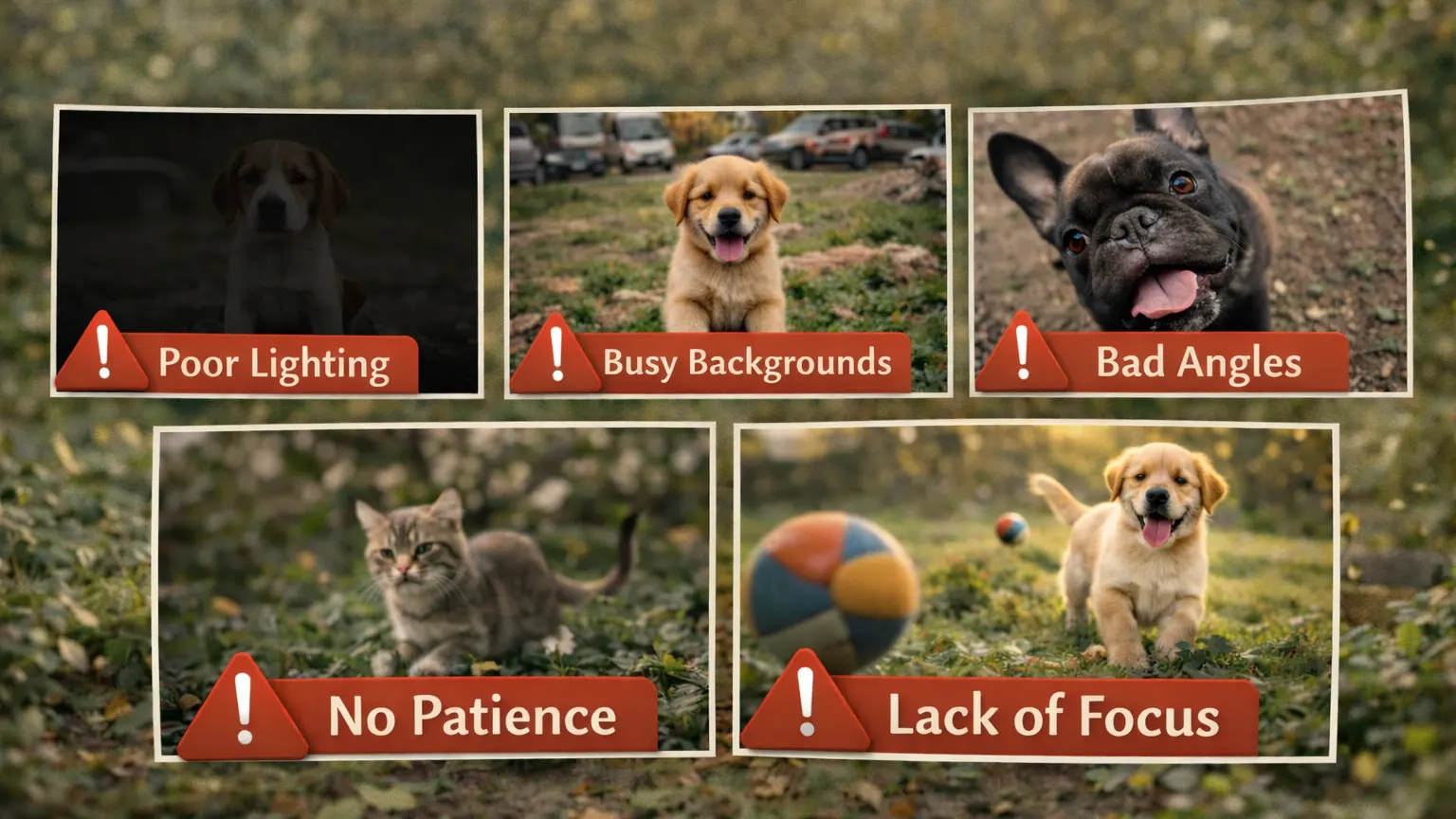
Common Mistakes Beginners Should Avoid
Many beginners make small mistakes when they first try to become a pet photographer. These errors are normal, but fixing them early helps you grow faster. Clear planning and steady practice reduce most problems. Learning what to avoid is just as important as learning new skills.
One common mistake is focusing only on the camera. Good pet photography also depends on patience, timing, and understanding animal behavior. Without these pet photography skills, even good equipment cannot produce strong results.
Another mistake is over-editing images. Heavy filters and strong colors can make photos look unnatural. Clean and simple pet photo editing usually works better. Clients prefer realistic and soft tones.
Many beginners also ignore marketing. Posting once and waiting for clients rarely works. Consistent effort is needed to attract pet photography clients. Stay active, improve your work, and grow step by step.
Frequently Asked Questions
How long does it take to become a pet photographer?
The time depends on how often you practice. Some people learn the basics of pet photography within a few months. Others take longer to feel confident with animals and camera settings. Regular practice and simple pet photography tips help you improve faster.
Do I need professional training to become a pet photographer?
You do not always need formal training. Many pet photographers learn through practice and online resources. However, short courses or workshops can help you build strong pet photography skills more quickly. What matters most is hands-on experience.
What equipment do I need to become a pet photographer?
You need a reliable camera and a lens that works well in natural light. Basic pet photography equipment also includes simple lighting tools and small props. Expensive gear is not required in the beginning. Skill and timing are more important than price.
Can I become a pet photographer without starting a business?
Yes, you can begin as a hobby or part-time freelancer. Many people start pet photography for fun before turning it into a career. Over time, you may decide to build a pet photography business if demand grows.
Is pet photography a good career choice?
Pet photography can become a stable career with steady effort. As more people treat pets like family, demand for professional images continues to grow. With strong skills and smart promotion, you can build a long-term pet photography career
Conclusion
Becoming a pet photographer takes time and steady practice. Strong pet photography skills, patience, and simple equipment help you start with confidence. Building a clear portfolio and learning basic pet photo editing improve your results.
Start small and keep improving step by step. With dedication and consistent effort, you can turn your passion into a successful pet photography career.