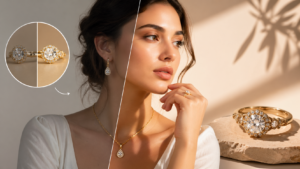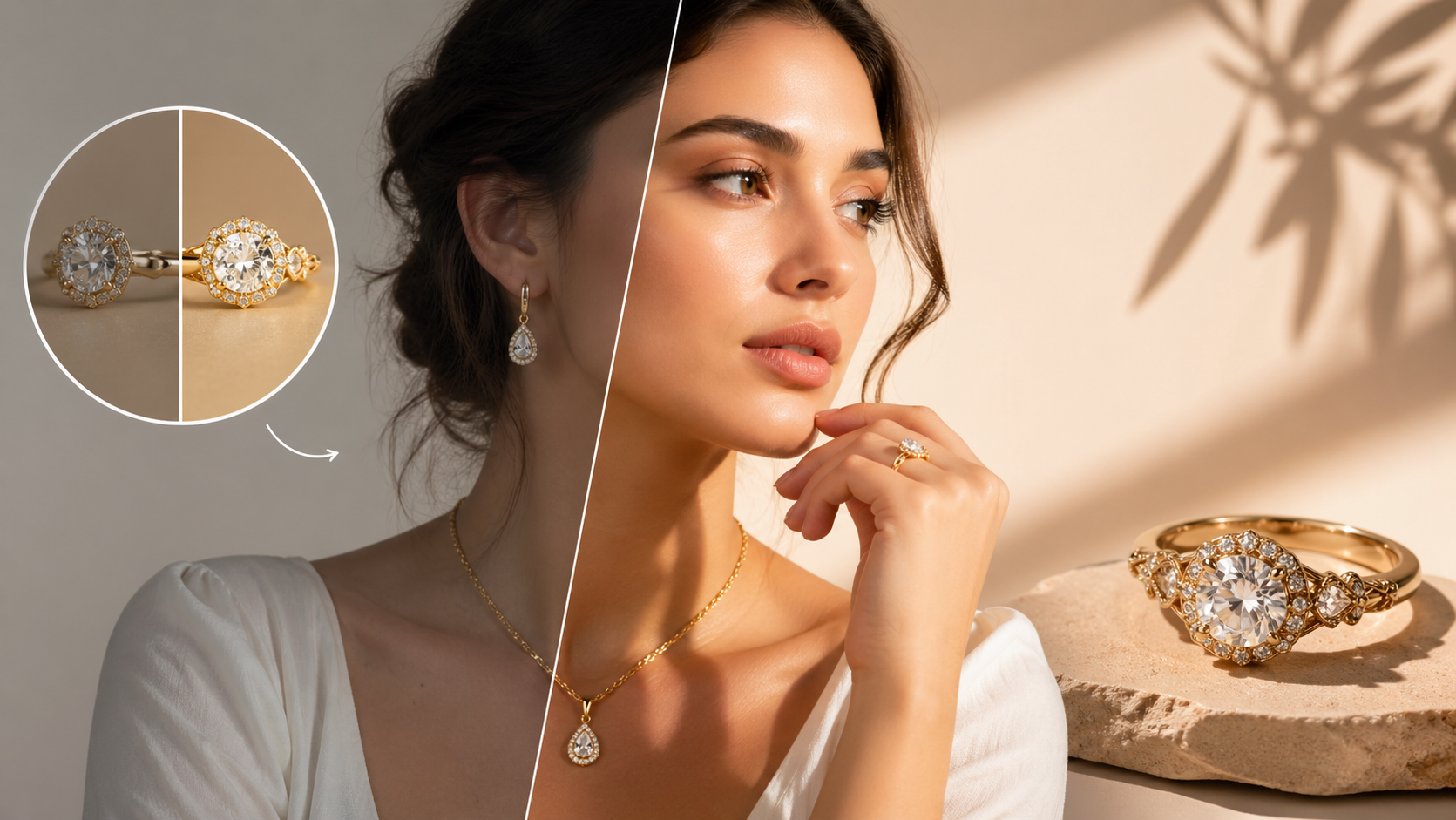
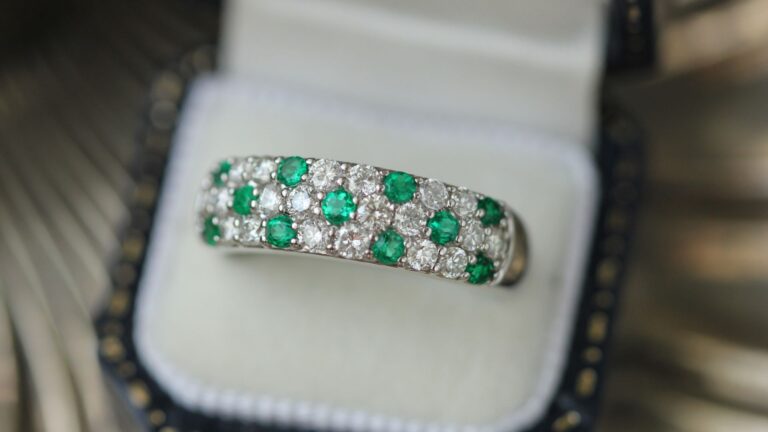
In the world of photography, macro jewelry photography stands out as a captivating niche that focuses on capturing intricate details and beauty of jewelry pieces. This comprehensive guide will delve into the nuances of macro jewelry photography, offering insights into techniques, equipment, and creative approaches to master this art form.
Macro jewelry photography captures close-up photos of jewelry. It highlights the fine details, craftsmanship, and sparkling gemstones. It needs special equipment and techniques to get amazing results. This makes it an exciting niche in photography.
Define the Topic
Macro photography, in general, refers to capturing images of small subjects at a magnification ratio of 1:1 or higher. When applied to jewelry, it entails photographing tiny adornments such as rings, necklaces, earrings, and bracelets with exceptional clarity and detail.
Relevance and Importance
In today’s digital age, high-quality visuals are essential for businesses in the jewelry industry. Macro jewelry photography plays a crucial role in showcasing products effectively, attracting customers, and conveying the craftsmanship and value of each piece.
Types and Categories
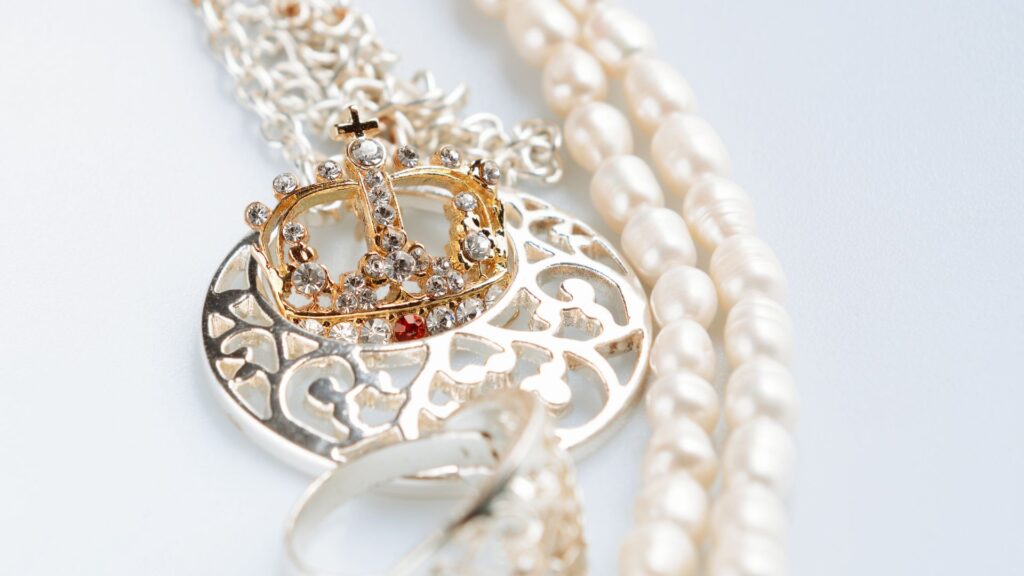
- Fine Jewelry: Includes high-end pieces crafted from precious metals such as gold, silver, and platinum, adorned with gemstones like diamonds, rubies, and sapphires.
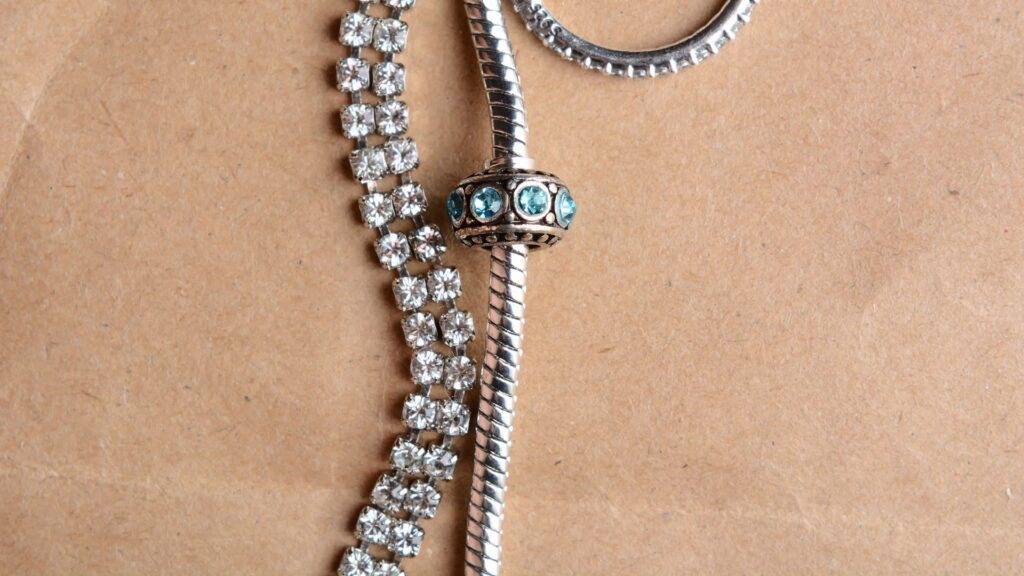
- Fashion Jewelry: Comprises trendy and affordable accessories made from materials like alloy, acrylic, and faux gemstones.
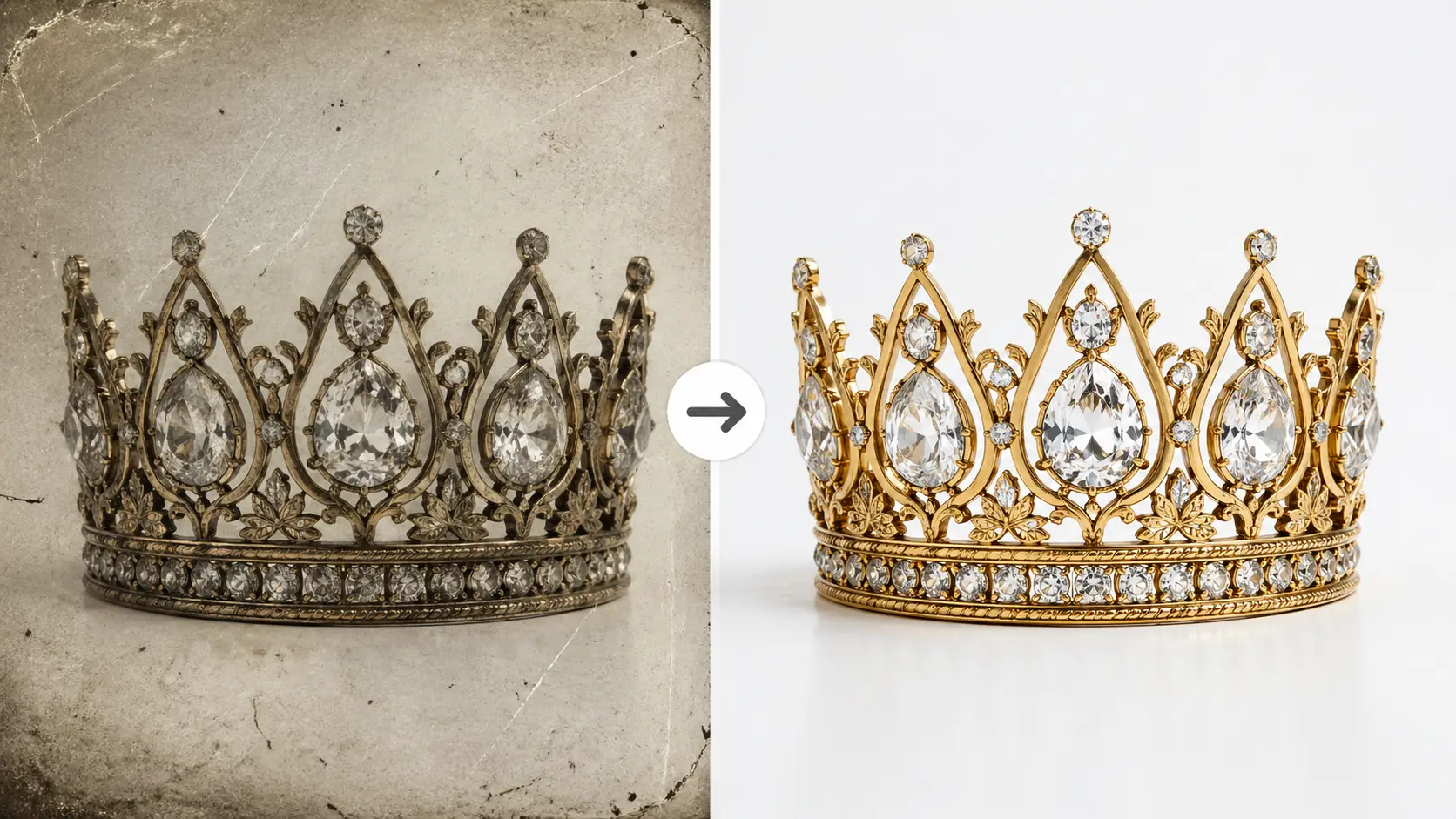
- Antique Jewelry: Encompasses vintage pieces with historical significance, often featuring unique designs and rare gemstones.
Symptoms and Signs
- High Detail Resolution: Macro jewelry photography emphasizes capturing even the smallest details of jewelry pieces, from intricate engravings to the facets of gemstones.
- Shallow Depth of Field: Achieving a shallow depth of field is common in macro photography, where only a small portion of the subject is in sharp focus, creating a captivating visual effect.
Causes and Risk Factors
- Equipment Requirements: Macro jewelry photography necessitates specialized equipment, including macro lenses, extension tubes, and lighting setups, to achieve optimal results.
- Technical Skills: Mastering the techniques of macro photography, such as focus stacking and lighting control, requires practice and expertise.
Diagnosis and Tests
- Camera and Lens Selection: Choosing the right camera body and macro lens is crucial for macro jewelry photography to ensure optimal magnification and image quality.
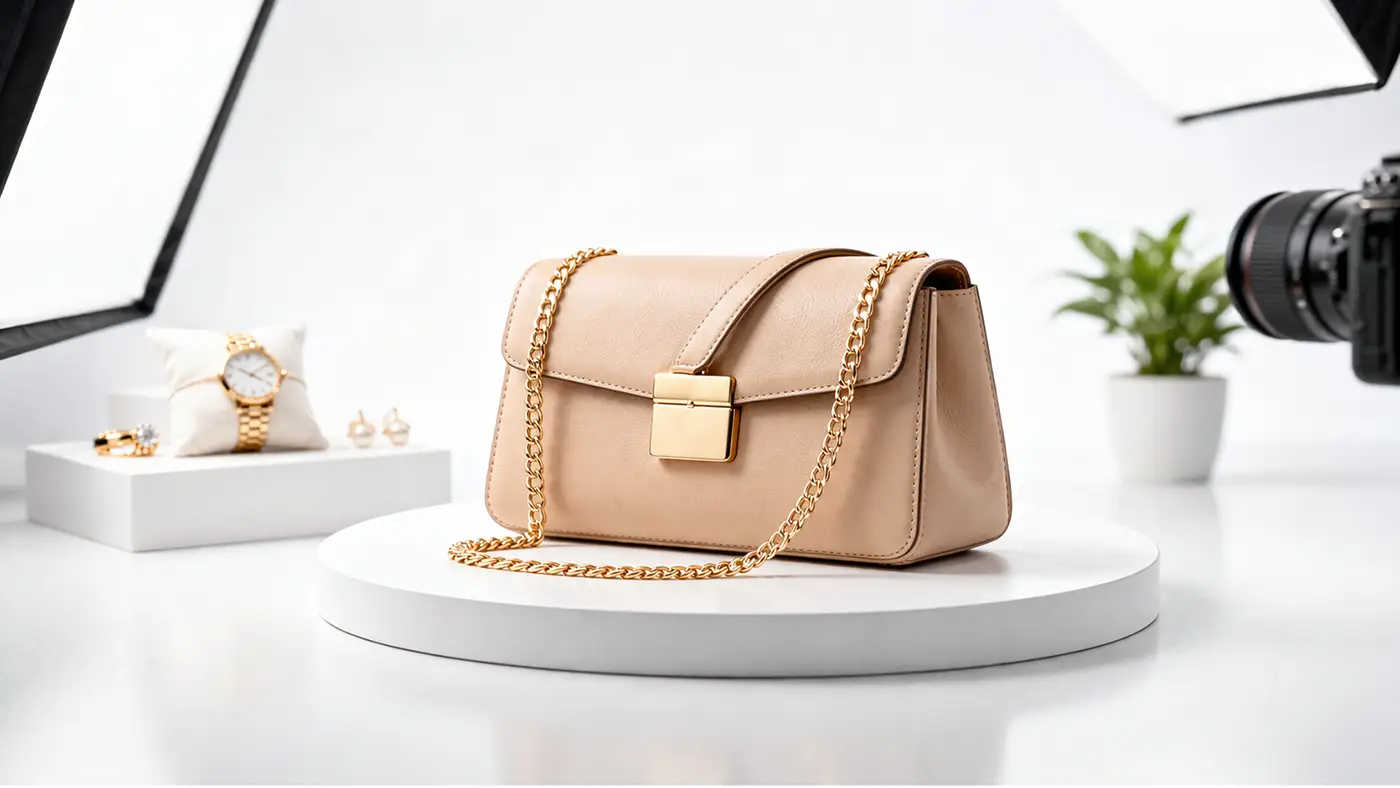
- Lighting Setup: Implementing appropriate lighting techniques, such as diffused natural light or artificial studio lighting, can significantly impact the outcome of jewelry photographs.
Treatment Options
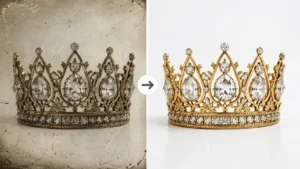
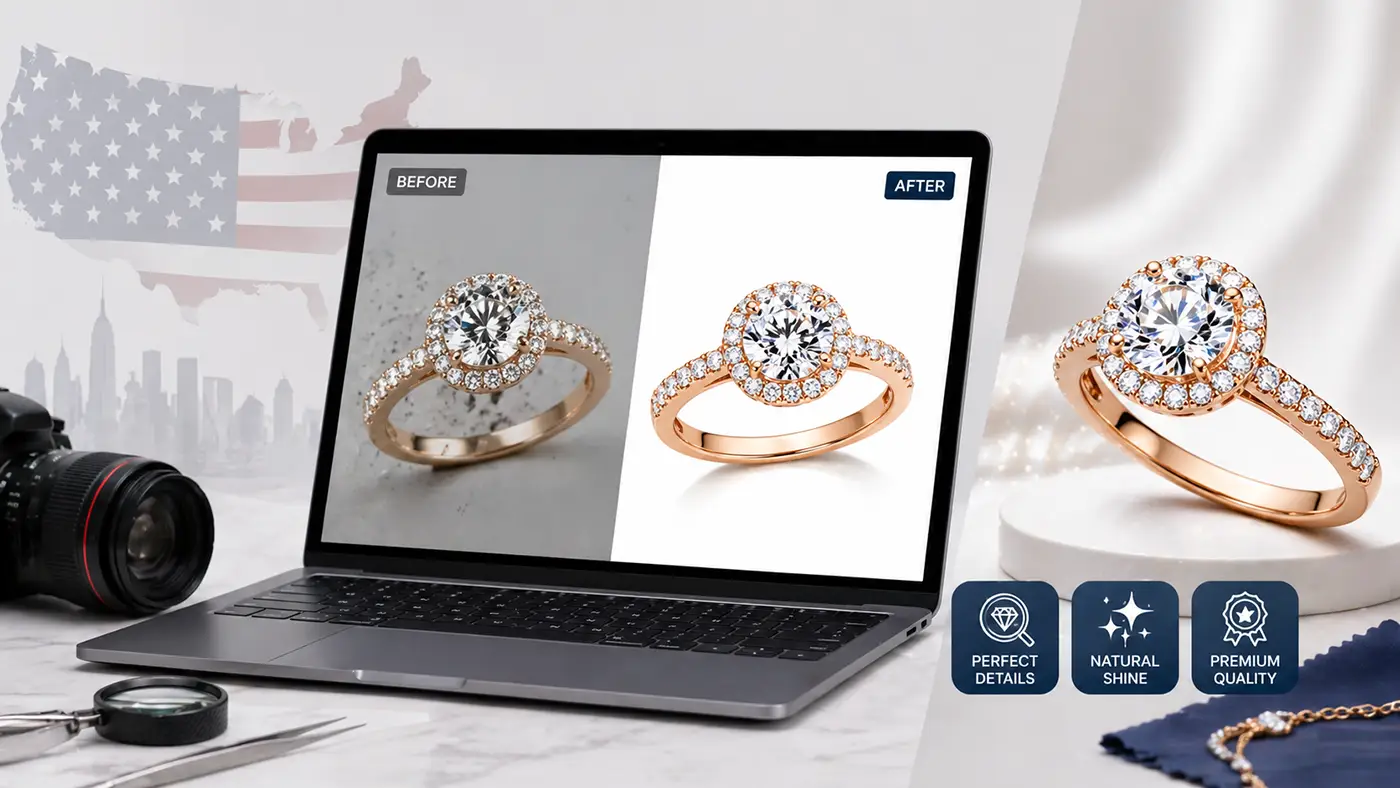
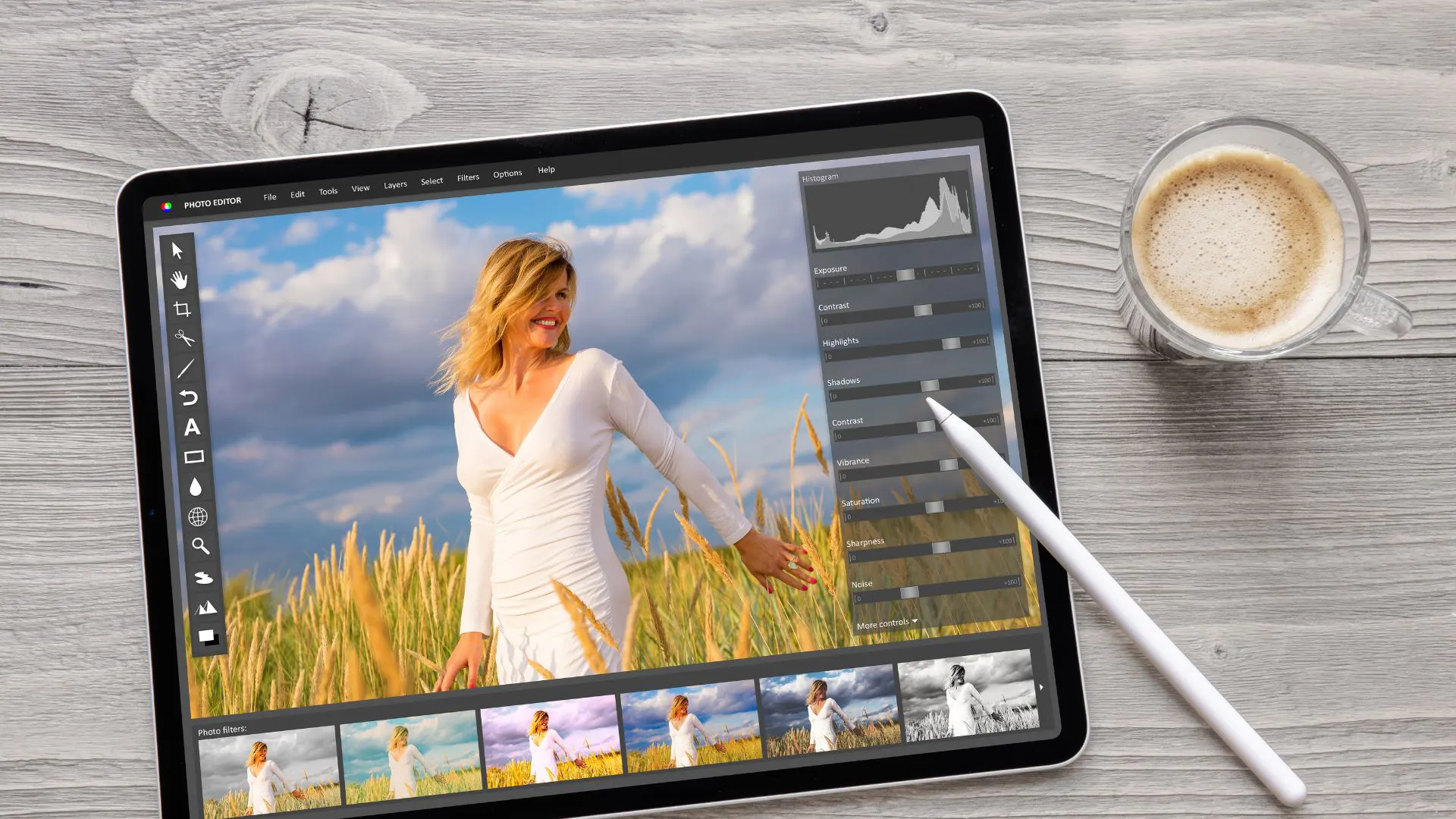
- Post-Processing Techniques: Utilizing software tools like Adobe Photoshop or Lightroom allows photographers to enhance and retouch jewelry images, adjusting colors, contrast, and sharpness.
- Focus Stacking: In cases where achieving sufficient depth of field is challenging, focus stacking techniques can be employed to merge multiple images with varying focal points into a single, sharply focused photograph.
Preventive Measures
- Equipment Maintenance: Regularly cleaning and calibrating photography equipment ensures consistent performance and image quality.
- Continuous Learning: Keeping abreast of emerging trends and techniques in macro photography through workshops, tutorials, and online resources enhances proficiency and creativity.
Common Jewelry Photography Mistakes
Jewelry photography looks easy, but small mistakes can ruin the whole image. Tiny details matter a lot in macro shots. You shoud be avoid these common jewelry photography mistakes. We provide common error to make your photos will look clean and professional.
-
Photographer sometimes miss the focus and only a small part looks sharp.
Fix: Use manual focus and set your aperture between f/8 and f/16. -
Harsh light can creates strong shadows and bad highlights.
Fix: Photographer should use soft light like a diffuser or a lightbox. -
You capture unwanted reflections on the metal surface.
Fix: Use white or black cards to control reflections. -
If photographer shoot without cleaning the jewelry. Photos can capture dust and other imperfections.
Fix: Clean it with a microfiber cloth before every shot. -
In photography, colors of gold or gemstones can sometimes appear incorrect.
Fix: Set a custom white balance or shoot in RAW. -
You use very shallow depth of field.
Fix: Increase the aperture or try focus stacking. -
The biggest challenge in macro jewelry photography is that even a slight camera shake can make the photo blurry.
Fix: Use a tripod and a timer or remote. -
A messy or distracting background can pull attention away from the macro jewelry
Fix: Keep the background simple and clean. -
You edit too much and the image looks fake.
Fix: Keep your edits natural and light. -
Photographer sometimes use the wrong lens for close shots.
Fix: Use a macro lens or extension tubes.
Personal Stories or Case Studies
Case Study: “Elegant Gems Photography Studio”
Elegant Gems Photography Studio, founded by renowned macro photographer, Rebecca Smith, specializes in capturing exquisite images of fine jewelry pieces. Through meticulous attention to detail and artistic vision, Rebecca has garnered acclaim for her stunning portfolio, attracting discerning clients from around the globe.
Expert Insights
“Macro jewelry photography demands precision and patience. It’s about capturing the essence of each piece, revealing its beauty in a way that captivates the viewer.”
— Dr. Matthew Harris, Professional Photographer
Conclusion
Macro jewelry photography is a captivating blend of art and technique, offering photographers an opportunity to explore the beauty and intricacy of jewelry in extraordinary detail. By mastering the necessary skills and leveraging specialized equipment, photographers can create compelling images that showcase the allure of each piece, enticing viewers and clients alike.