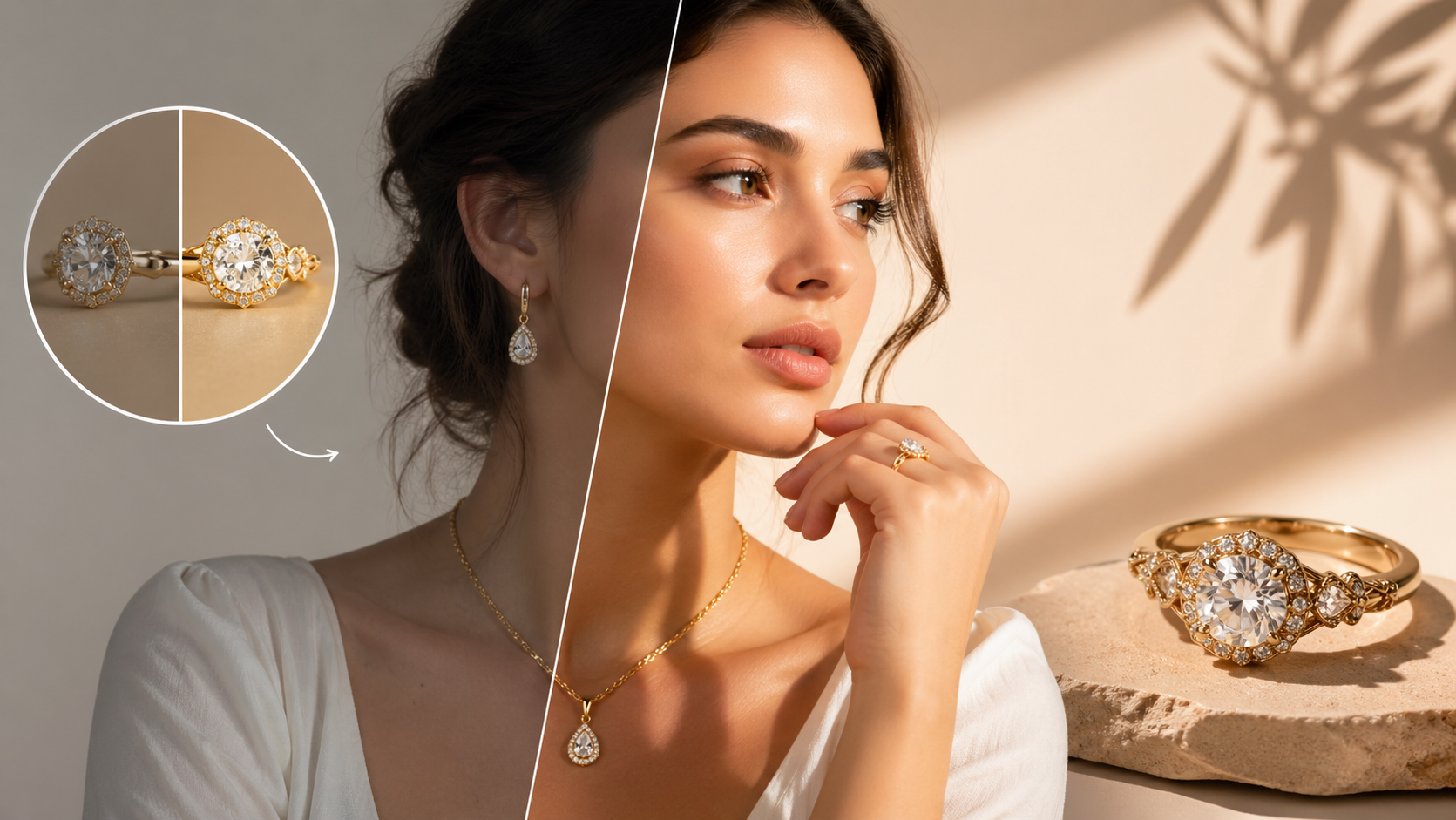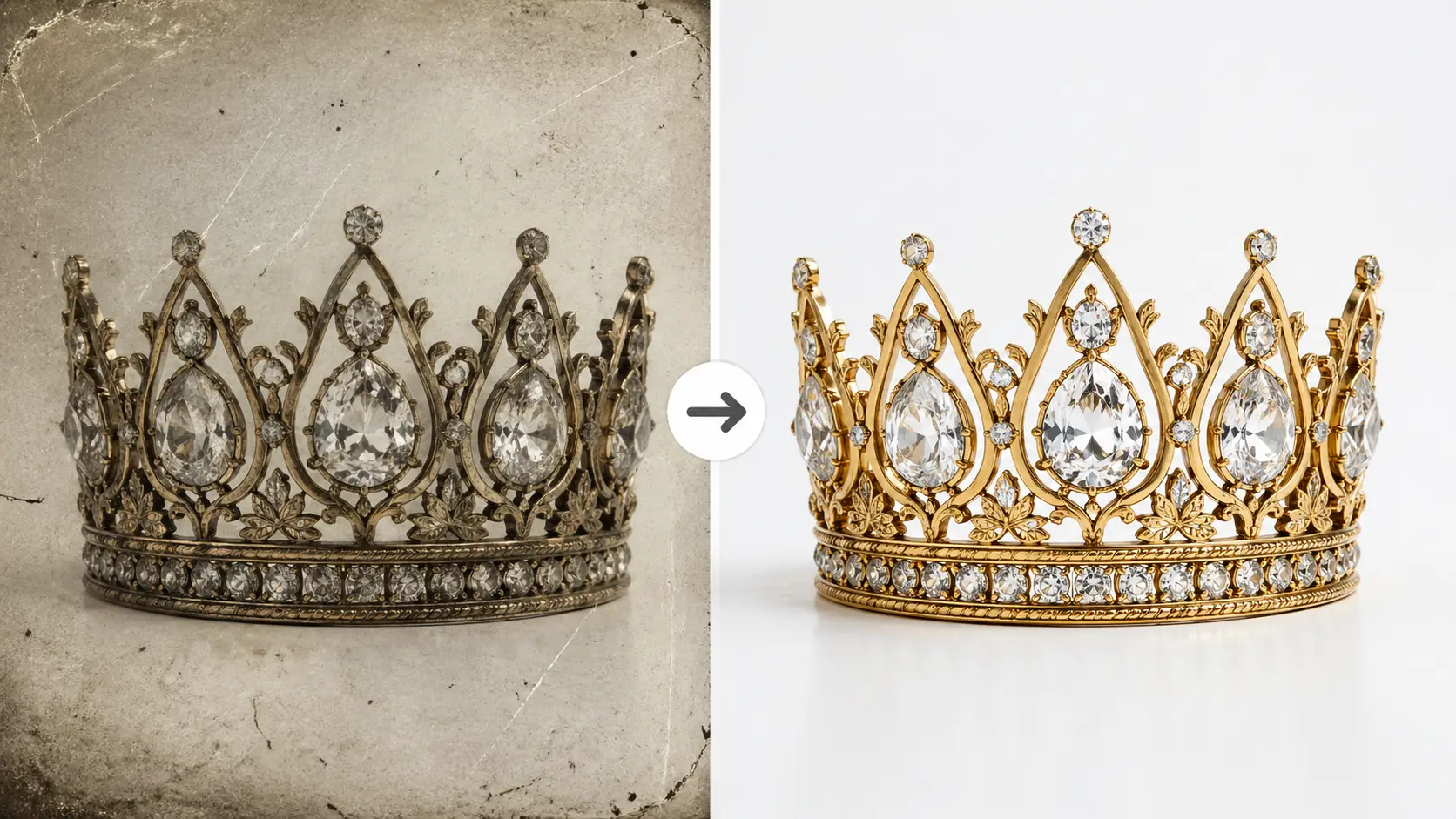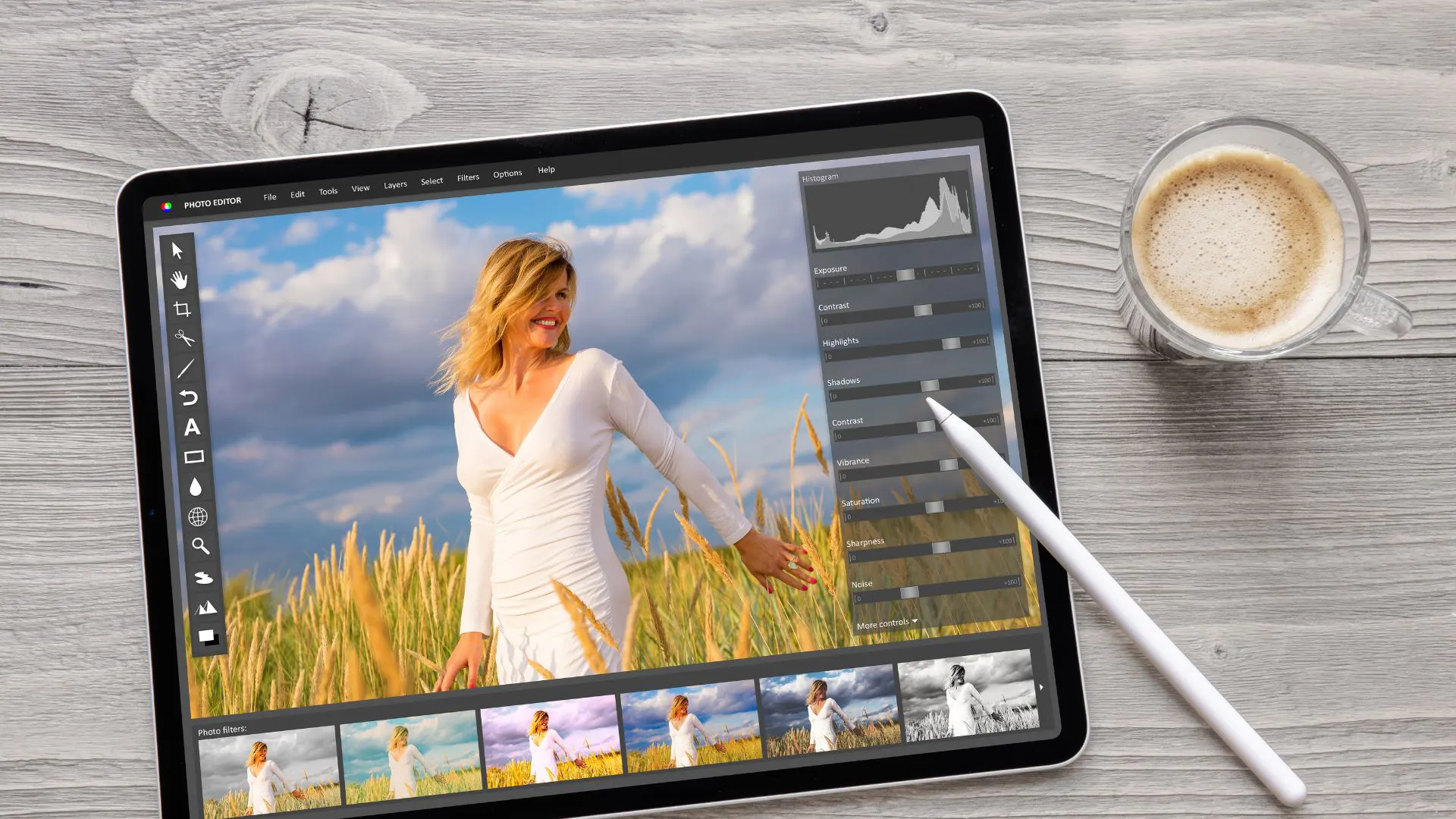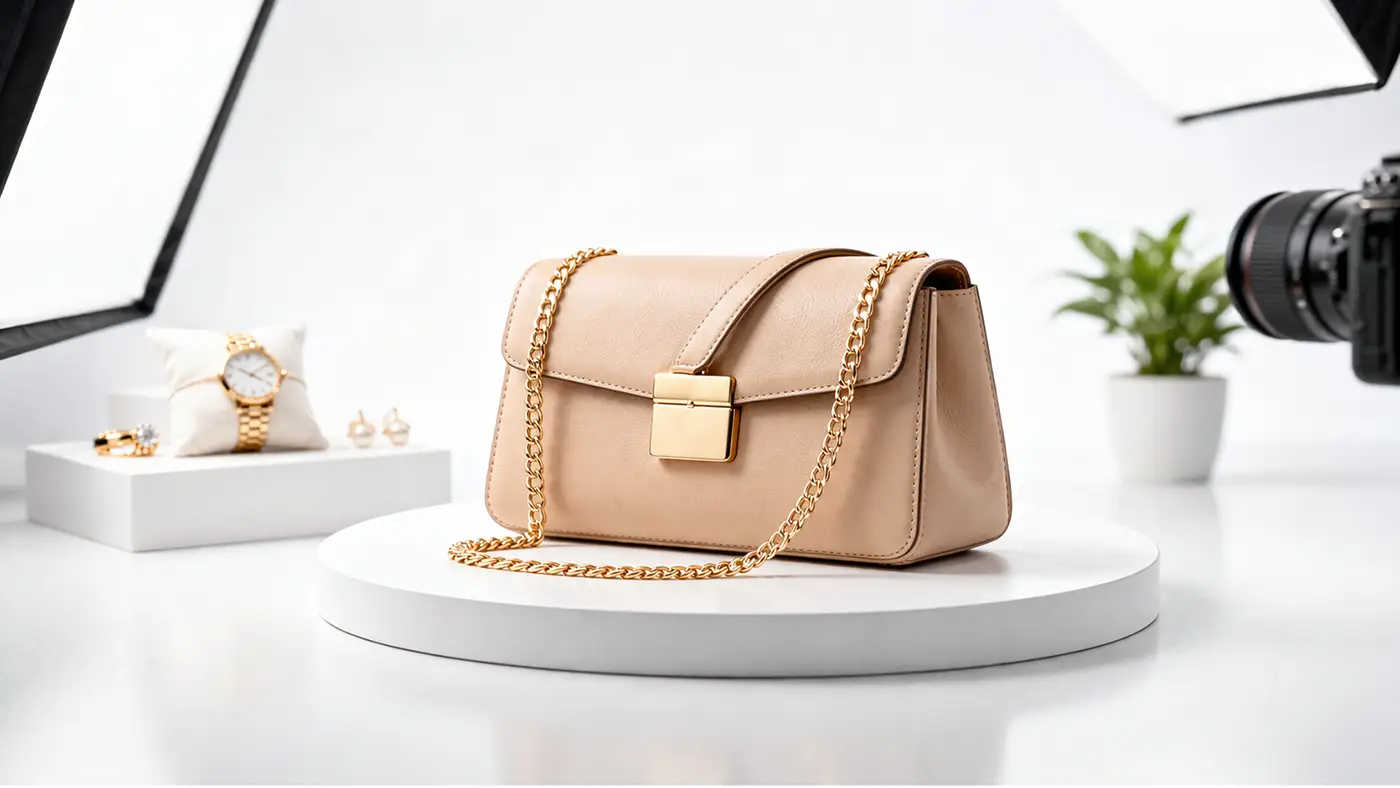

If you want to enhance colors, fix lighting, or give your photos a more polished and professional look without spending money, these 15 free color correction apps are your best options. They offer tools like HSL, curves, white balance, selective editing, and presets, making it easy for beginners and efficient for experienced photographers. Whether you’re editing for social media, client work, or personal projects, these apps help you achieve beautiful, balanced, and visually striking results right from your phone or desktop. These apps are also perfect for eCommerce, product photography, and jewelry retouching with accurate color.
Color Balance App Snapseed
Snapseed is a versatile photo editing app from Google that combines professional-grade tools with an intuitive interface. Perfect for photographers, content creators, and casual users. This free color correction apps allows you to enhance, retouch, and color grade your images with ease. Snapseed is widely recognized as one of the best apps for color grading photos.
Key Features
Snapseed offers precise controls for exposure, brightness, contrast, saturation, white balance, and curves. It also includes selective adjustments, filters, textures, and healing tools for removing imperfections. Real-time previews make editing seamless, and you can save custom presets to apply consistent edits across multiple images. As a photo color editor app, Snapseed also lets users save custom looks for consistent editing.
How to Use Snapseed for Color Correction
Start by adjusting brightness, contrast, and exposure to set the overall tone. Use curves and HSL sliders to refine colors and make selective edits to enhance specific areas. Next, refine colors with Curves and saturation controls to achieve balanced results. Apply filters or textures if desired, save your edits as a preset, and export high-resolution images ready for social media or professional use.
Step 1: Open Snapseed and select your photo from the gallery.
Step 2: Tap Tools, then choose Tune Image. Tap the slider icon to see the adjustment options, then swipe left or right on the photo to adjust brightness, contrast, saturation, ambiance, shadows, highlights, and warmth until the overall tone looks balanced. Tap the checkmark to apply.
Step 3: Go back to Tools and select White Balance. Try Auto first. If the colors still look too warm, cool, green, or magenta, adjust Temperature and Tint manually. For more accuracy, use the eyedropper tool and tap a neutral white or gray area in the photo. Tap the checkmark to apply.
Step 4: Tap Tools again and choose Curves for advanced color control. Adjust the curve slightly to improve brightness and contrast, or create a soft S-curve to add depth. If needed, switch to individual RGB channels to fix color shifts and make tones more natural. Tap the checkmark to apply.
Step 5: If only certain areas need correction, open Tools → Selective. Tap the area you want to edit, pinch to resize the selection, and swipe to adjust brightness, contrast, saturation, or structure only in that spot. Tap the checkmark to apply.
Step 6: Review your edits using the stack icon at the top right. If you want to reduce or control an edit in certain areas, use View Edits → Brush to mask it.
Step 7: When everything looks right, tap Export to save the final image in high quality.
Adobe Lightroom Mobile
Adobe Lightroom Mobile is a powerful and versatile photo editing app that brings professional-grade tools to your smartphone or tablet. Ideal for photographers, content creators, and social media enthusiasts, it allows you to enhance, color grade, and perfect your images anytime, anywhere.
Key Features of Adobe Lightroom
Lightroom Mobile offers advanced controls for exposure, contrast, saturation, highlights, shadows, temperature, tint, and curves. This free color correction apps supports RAW files, selective editing, presets, and batch processing. Real-time previews make it easy to see your adjustments instantly, and saved presets ensure a consistent style across multiple photos.
How to Use Lightroom Mobile for Color Correction
Start by adjusting exposure, contrast, and brightness to set the base tone. Refine colors with HSL sliders and curves, apply selective edits to enhance specific areas, and experiment with presets for creative effects. Save your custom edits and export high-resolution images ready for social media or professional projects. We explain here the editing steps simple and structured.
First, open your photo and access the Color tools by tapping the Color icon in the bottom edit bar. This is where you control the overall look and color balance of the image.
Next, move to the Color Mix (HSL) panel by tapping the Mix icon with four circles. From here, you can work on individual colors like red, green, or blue. Adjust the Hue to change the color tone, Saturation to control intensity, and Luminance to brighten or darken that color. This step is great for achieving proper color balance.
Then, use the Targeted Adjustment Tool within the Mix panel. Choose whether to edit Hue, Saturation, or Luminance, then tap and drag directly on the color in your photo. This makes color correction more intuitive and precise, especially for complex images.
Once individual colors look good, go back to the main Color panel and apply global adjustments. Fine-tune Temperature and Tint to fix color casts, then adjust Vibrance and Saturation to make your image look natural and lively without overdoing it.
If you want to add style or mood, open the Color Grading panel. Here you can gently add tones to the shadows, midtones, and highlights to create a cinematic or creative look while keeping the image balanced.
Finally, fine-tune with Curves by adjusting RGB curves. This advanced step helps control brightness and color in specific tonal areas, delivering polished, professional-quality results.
Photo Color Editor App Vsco
VSCO is one of the most popular free color correction apps known for its sleek, film-inspired filters and powerful editing tools. Perfect for photographers, content creators, and social media enthusiasts, it helps you create visually consistent, professional-looking images with ease.
Key Features
VSCO offers advanced controls for exposure, contrast, saturation, temperature, and tint, along with curves and HSL adjustments for precise color grading. You can apply a wide range of stylish presets, tweak their intensity, and save your own custom edits. The app also supports batch editing and high-resolution exports, making it easy to maintain a polished look across multiple images.
How to Use VSCO for Color Correction
Start by setting the overall tone with exposure, contrast, and brightness adjustments. Refine colors using curves or HSL sliders, then enhance your image with filters or presets. Save your custom edits and export high-quality images ready for social media or professional use.
Step 1: Open VSCO and import your photo into the Studio by tapping the grid icon. Then tap the photo and select the sliders icon to enter the editing tools.
Step 2: Choose a preset to set the overall mood of your image. Pick a cinematic or film-style preset, then adjust the preset strength so it looks natural and not too heavy.
Step 3: Fix the overall lighting and tone using basic tools like Exposure, Contrast, and Saturation. These adjustments help your photo look brighter, cleaner, and more balanced before doing detailed color work.
Step 4: Correct color cast using Temperature and Tint. Warm or cool the image with Temperature and remove green/magenta shifts with Tint for accurate color balance.
Step 5: Refine details with Highlights and Shadows controls. Recover bright areas with Highlights and lift dark parts with Shadows so the photo looks clearer and more professional.
Step 6: Use the HSL tool for advanced color control. Adjust specific colors only (Hue, Saturation, Lightness) to make certain tones pop or soften without affecting the whole image.
Step 7: Add finishing effects like grain, vignette, or light leaks if you want a film-like look. Keep effects subtle so your photo stays polished.
Step 8: Export your final image when you are satisfied. You can also save your settings as a Recipe to apply the same style to other photos for consistent results.
Pixlr
Pixlr is a versatile image hue changer that makes enhancing and color grading your images quick and straightforward. Ideal for photographers, content creators, and casual users. This free color correction apps combines easy-to-use tools with creative options to produce polished, eye-catching photos.
Key Features:
Pixlr offers controls for brightness, contrast, saturation, hue, and temperature, along with curves and selective color adjustments. You’ll also find a variety of filters, overlays, effects, and borders to add a creative touch. Real-time previews make editing seamless, and saved presets let you maintain a consistent style across multiple images.
How to Use Pixlr for Color Correction:
Start by adjusting brightness, contrast, and exposure to set the base tone. Refine colors with curves and hue sliders, then use selective adjustments to enhance specific areas. Apply filters or overlays for added style, save your custom edits, and export high-resolution images ready for social media or professional projects.
Step 1: Open your image
Start by uploading your photo to Pixlr X (Express) for quick edits or Pixlr E for advanced editing. Pixlr X is best for fast fixes, while Pixlr E gives you more professional control.
Step 2: Access adjustment tools
In Pixlr X, click the Adjust or Color icon from the left menu. This opens sliders that let you control brightness, contrast, saturation, temperature, and tint.
Step 3: Make quick color fixes
Use Auto Fix or Auto Pop for instant balance, then fine-tune with Temperature and Tint to remove color casts. Adjust Vibrance for a subtle color boost and Saturation for stronger color intensity.
Step 4: Check before and after
Use the Compare option to view changes side by side. This helps ensure your edits look natural and not overdone.
Step 5: Switch to Pixlr E for advanced control
If you need more precision, open the image in Pixlr E and duplicate the background layer to protect the original photo before editing.
Step 6: Use Curves and Levels
Open the Adjustment menu and select Curves or Levels. These tools allow detailed control over brightness and contrast and help correct shadows, midtones, and highlights accurately.
Step 7: Fix color with Color Balance and HSL
Use Color Balance to adjust red, green, and blue tones separately for shadows, midtones, and highlights. Then use HSL to fine-tune individual colors without affecting the entire image.
Step 8: Save the final image
Once everything looks balanced and polished, export the image in high quality for web or professional use.
Color Grading App Polarr
Polarr is a powerful photo editing app that combines professional-grade tools with an intuitive interface, making it easy for photographers, content creators, and casual users to enhance and stylize their images. It’s perfect for color grading, fine-tuning tones, or giving your photos a creative, polished look.
Key Features:
Polarr offers precise control over exposure, brightness, contrast, saturation, temperature, and tint, along with curves and HSL adjustments. You can make selective edits to specific areas, apply filters or overlays, and save custom presets for a consistent style. Real-time previews make it simple to see your changes instantly, and the app supports high-resolution exports for professional use.
How to Use Polarr for Color Correction:
Begin by adjusting exposure, brightness, and contrast to set the base tone. Refine colors with curves and HSL sliders, enhance specific areas with selective edits, and apply filters or overlays if desired. Save your custom edits and export your images in high quality for social media or professional projects.
Step 1: Open and import your image
Open Polarr on the web or app and import your photo by clicking the photo icon or simply dragging the image into the editor.
Step 2: Adjust white balance
Go to the Adjustments panel and use the Temperature slider to make the image warmer or cooler. Then fine-tune the Tint slider to remove any green or magenta color cast for better color balance.
Step 3: Enhance overall color
Increase Vibrance to boost dull colors naturally without over-saturating the image. Use Saturation carefully if you want stronger colors across the entire photo.
Step 4: Fine-tune with Curves
Open the Curves tool to control brightness and contrast more precisely. You can adjust the overall RGB curve or work on individual color channels to fix color shifts.
Step 5: Refine specific colors with HSL
Use the HSL tool to select individual colors and adjust their hue, saturation, or luminance. This helps you correct or enhance specific color tones without affecting the whole image.
Canva Free Color Correction Apps
Canva is a user-friendly design and photo editing platform that helps you create beautiful visuals quickly and effortlessly. Whether it’s for social media, marketing, or personal projects, Canva makes it simple to achieve polished, professional-looking results—even if you’re not a design expert.
Key Features:
Canva lets you adjust brightness, contrast, saturation, tint, and temperature, while also offering a variety of filters, overlays, and preset effects. You can add text, stickers, frames, and other creative elements. Real-time previews and drag-and-drop tools make editing intuitive, and saved designs or presets help maintain a consistent style across multiple projects.
How to Use Canva for Color Correction:
Start by setting the base tone with brightness, contrast, and saturation adjustments. Refine colors using tint and temperature sliders, then apply filters or overlays for extra flair.
Step 1: Select your image or video
Start by opening your design in Canva and clicking on the image or video you want to edit. Once selected, click Edit photo (or Edit video) from the top toolbar to open the editing options.
Step 2: Make basic color adjustments
Go to the Adjust panel and use sliders like Brightness, Contrast, Saturation, Highlights, Shadows, Warmth, Tint, and Vibrance. These controls help you fix lighting issues, balance colors, and improve overall tone. You can also use Auto Adjust for a quick, balanced correction.
Step 3: Apply filters for quick styling
If you want a fast color grade, try Canva’s built-in filters. Filters instantly change the mood of your image, and you can reduce their intensity to keep the look natural.
Step 4: Edit specific colors
For more control, scroll to the Color section in the Adjust panel. Canva automatically detects key colors in your image. Select a color and adjust its Hue, Saturation, and Brightness to fine-tune only that color without affecting the rest of the image.
Step 5: Target areas precisely
Use the Select area option to apply color changes to the whole image, foreground, or background. This helps isolate adjustments and keeps edits clean and controlled.
Step 6: Try creative color effects
For artistic results, explore tools like Duo Tone to apply two-tone color styles or use the Eyedropper to match colors directly from your design. These features are great for branding and creative visuals.
Step 7: Review and export
Once your colors look balanced and polished, review the design, save your design, and export high-resolution images ready for social media, presentations, or professional use.
Free Color Correction Apps Fotor
Fotor is a versatile photo editing app that makes enhancing and color grading your images smooth and straightforward. Ideal for photographers, content creators, and casual users, it blends professional-grade tools with an intuitive interface, helping you bring out the best in every photo.
Key Features:
Fotor offers precise controls for exposure, brightness, contrast, saturation, temperature, and curves, along with HSL and selective color adjustments. It also includes a rich library of creative filters, effects, frames, and one-tap enhancements. Real-time previews make it easy to see changes instantly, and saved presets allow you to maintain a consistent look across multiple images.
How to Use Fotor for Color Correction:
Start by setting the base tone with exposure, brightness, and contrast. Refine colors using curves and HSL sliders, enhance specific areas with selective adjustments, and apply filters or effects if desired. Now, we explain every step of how to use the Fotor app for color correction.
Step 1: Upload your photo
Open Fotor’s editor and upload your image by dragging and dropping it or clicking Open Image. Once uploaded, your photo will appear in the workspace ready for editing.
Step 2: Make basic color and tone adjustments
Go to the Adjust panel on the left side. Use sliders like Brightness, Contrast, Exposure, Highlights, Shadows, Saturation, and Curves to fix lighting issues and balance the overall colors of your image.
Step 3: Fine-tune individual colors with HSL
Within the Adjust panel, open the HSL section. Select specific colors such as red, blue, or green and adjust their hue, saturation, and lightness to enhance or correct only those tones without affecting the entire photo.
Step 4: Apply filters and effects
Explore the Effects tab to apply professional filters or creative styles like vintage or color highlight. You can also use Color Splash to keep one color visible while turning the rest of the image black and white.
Step 5: Use AI tools if needed
For faster results, try Fotor’s AI Photo Retouch for automatic color and light correction. Advanced options like AI Replace can help change elements such as skies or backgrounds.
Step 6: Preview and download
Compare your edited image with the original to ensure the changes look natural. Once satisfied, click Download and save your image in your preferred format, such as JPG or PNG. Save your custom edits and export high-quality images ready for social media or professional projects.
PicsArt Free Colour Grading App
PicsArt is a versatile and fun photo editing app that lets you enhance, transform, and personalize your images with ease. Perfect for social media creators, photographers, and casual editors, it combines powerful editing tools with creative filters and effects.
Key Features:
PicsArt offers color adjustment tools like brightness, contrast, saturation, hue, and temperature. It also includes curves, selective color editing, a huge library of filters, overlays, stickers, text options, and AI-powered effects.
How to Use PicsArt for Color Correction:
Begin by adjusting exposure, brightness, and contrast to set the tone. This free color correction apps refine colors using saturation, hue, and curves. This apps enhance specific areas with selective editing. Apply filters or overlays for creative effects.
Step 1: Open your photo
Launch PicsArt, tap the plus (+) icon, and select the photo you want to edit. This opens the image in the editor.
Step 2: Apply quick color effects
Tap the Effects (FX) icon in the bottom toolbar. Browse the Colors category to apply filters like Vintage, Black & White, or creative color effects. You can also use Colorize to add a color tint or Color Splash to keep one color while muting the rest.
Step 3: Fine-tune effects
After choosing an effect, tap the gear icon to adjust its intensity. Use Hue, Saturation, and Lightness sliders to refine the colors so the effect looks balanced and natural. Tap Apply to save the changes.
Step 4: Make advanced adjustments
Open the Tools menu and select Adjust. Here you can fine-tune brightness and contrast, recover details with highlights and shadows, adjust temperature to warm or cool the image, and control colors using HSL sliders.
Step 5: Change specific object colors
To replace a specific color, go back to Effects → Colors → Color Replace. Pick the original color using the color picker, then adjust hue, saturation, and lightness to apply a new color. Use the eraser tool to remove the effect from areas you want unchanged.
Step 6: Review and save
Check the image to make sure the colors look clean and consistent. Finally, you can save your custom presets and export high-quality images ready for social media or professional use.
Darkroom Free Color Correction Apps
Darkroom is a powerful yet easy-to-use mobile photo editor that lets photographers and creators achieve professional-quality results anywhere. Whether you want to make quick adjustments or dive into detailed color grading, Darkroom makes editing simple and enjoyable.
Key Features:
The app includes curves, HSL controls, white balance, exposure, and selective color editing. It supports RAW files, batch editing, and customizable presets, with real-time previews so you can see your changes instantly. Its clean, intuitive interface makes professional-level editing approachable for both beginners and experienced users.
How to Use Darkroom for Color Correction:
Start by adjusting exposure, contrast, and brightness to set the base tone. Refine colors with curves and HSL sliders, then use selective editing to enhance specific areas.
Step 1: Identify the color cast
Begin by examining the print under a safelight. Look closely to see if the image leans too yellow, green, or blue, as identifying the color cast is the foundation of correct color balancing.
Step 2: Test and measure colors
Use a color analyzer for accurate readings, or create test strips with different filter combinations. Small test prints help you see how changes in yellow, magenta, or cyan affect the final result before committing to a full print.
Step 3: Apply color filters
Insert color filters, such as Kodak Wratten filters, into the enlarger’s filter drawer. Each filter corrects a specific color shift, allowing you to balance the image more precisely.
Step 4: Correct specific color issues
If the print looks too warm or yellow, add blue or cyan filters. If it appears too cool or blue, add yellow filters. For green color casts, introduce magenta filters to neutralize the tone.
Step 5: Adjust brightness and contrast
Use dodging and burning techniques to lighten or darken specific areas of the print. Adjust contrast by switching to higher or lower contrast filters to achieve even tones and a balanced final image.
Free Color Correction Apps Afterlight
Afterlight is a sleek and intuitive photo editing app that makes enhancing your photos fast and effortless. It’s perfect for anyone who wants to adjust colors, improve tones, and add artistic touches without complicated tools.
Key Features:
The app offers precise control over exposure, brightness, contrast, saturation, temperature, and tint. Curves allow fine-tuned color adjustments, while a wide range of filters, textures, and customizable presets lets you create unique looks. Real-time previews make editing seamless, and saved presets ensure consistent results across multiple images.
How to Use Afterlight for Color Correction:
Begin by setting the overall tone with brightness, contrast, and exposure adjustments. Refine colors using curves and sliders, then apply filters or textures for added style. Save your custom settings and export high-quality images ready for social media or professional use.
Photo Curves – Color Grading
Photo Curves is a powerful yet easy-to-use color-grading app that gives you fine-tuned control over the tones and colors in your photos. Whether you want a dramatic cinematic look or a soft natural finish, this app lets you shape the mood of your image with precision.
Key Features:
You get full RGB curve control, temperature and tint adjustments, selective color refinement, and customizable presets. The real-time preview makes it easy to see your changes instantly, and you can export final images in high quality, perfect for professional or creative use.
How to Use Photo Curves for Color Correction:
Start by adjusting the master curve to balance overall light and contrast. Then fine-tune individual RGB channels to correct unwanted color shifts.
Step 1: Open the Curves tool
Start by adding a Curves Adjustment Layer in your editing software, such as Photoshop, Lightroom, or GIMP. Using an adjustment layer keeps your edits non-destructive and easy to fine-tune later.
Step 2: Understand how Curves work
The curve graph represents tonal range—shadows on the bottom left and highlights on the top right. The diagonal line shows the current brightness levels of your image.
Step 3: Control brightness and contrast
Click on the curve to add points, then drag them upward to brighten or downward to darken. To add contrast, create a gentle S-curve by lifting highlights slightly and lowering shadows.
Step 4: Create a film-fade look
To get faded, film-style blacks, lift the bottom-left point of the curve. This softens shadows and gives the image a washed, cinematic feel.
Step 5: Switch to individual RGB channels
In the Curves panel, switch from RGB to Red, Green, or Blue to correct color casts or grade colors. Each channel controls how much of that color appears in the image.
Step 6: Fix color casts and adjust mood
Lowering the Blue channel adds warmth (yellow tones), while raising it cools the image. Adjusting the Red channel increases or reduces red/orange tones, and tweaking Green helps control magenta or green color shifts.
Step 7: Target specific tonal areas
Add points on the curve to affect only shadows, midtones, or highlights within each color channel. This allows precise color control without changing the entire image.
Step 8: Apply split toning with Curves
For creative grading, warm the highlights by pulling down the blue curve in the highlight area and cool the shadows by lifting the blue curve in the shadow area. This creates depth and a cinematic color contrast.
Finally, refine warmth, tint, or specific hues and save your settings as a preset for consistent results across future edits.
Adobe Photoshop Express
Adobe Photoshop Express is a fast, friendly, and powerful mobile editor that brings professional-style color correction and retouching to your phone. It’s designed for quick edits on the go, making it ideal for social media images, product photos, portraits, or everyday snapshots that need a polished look.
Key Features:
It includes powerful tools for exposure, curves, saturation, temperature, and tint adjustments, along with one-tap enhancements, smart filters, and noise reduction. You also get blemish removal, clarity control, background blur, and easy high-resolution exporting. It’s beginner-friendly but still strong enough for serious editing tasks.
How to Use Adobe Photoshop Express for Color Correction:
Start with auto-enhance for a base improvement, then adjust exposure and contrast. Use temperature and tint to correct color balance and switch to curves for refined tonal control.
Step 1: Open your photo
Launch the app and select your image in the Photo Editor. Once the photo opens, you’re ready to begin adjusting its colors and tone.
Step 2: Access adjustment tools
Tap the Adjustments icon (usually shown as a dial). This opens the main editing panel where you control lighting and color.
Step 3: Make basic adjustments
Scroll through tools like Exposure, Contrast, Highlights, Shadows, Vibrance, and Saturation. Drag the sliders left or right to fine-tune the image until it looks balanced and natural.
Step 4: Use the Color Mixer for precise edits
Within the Adjustments section, open the Color Mixer (also known as HSL in some versions). Select individual colors such as orange, yellow, or blue and adjust their hue, saturation, and luminance without affecting the rest of the image.
Step 5: Apply filters and effects
For quick styling, try preset filters to instantly change the mood. You can also add subtle effects like grain, noise reduction, or split toning to give highlights and shadows a creative color cast.
Step 6: Save your image
Once everything looks right, tap Save to export your edited photo in high quality.
Koloro – Presets & Filters
Koloro is a creative photo editing app that makes professional-style color grading easy for anyone. With a wide collection of presets and filters, it lets you instantly transform the mood, tone, and style of your photos without complicated adjustments. It’s perfect for social media, lifestyle photography, or any image that needs a polished, consistent look.
Key Features:
Koloro offers hundreds of ready-made presets, one-tap filters, and adjustable settings for exposure, contrast, saturation, and temperature. You can tweak individual sliders to fine-tune the look, save your favorite presets, and apply them across multiple images for a cohesive style.
How to Use Koloro for Color Grading:
Choose a preset or filter that fits your desired style, then adjust intensity, contrast, saturation, or warmth to perfect the look. Save your custom versions for consistent editing and quickly enhance your photos in just a few taps.
Step 1: Import your photo or video
Open Koloro and load the photo or video you want to edit. Once imported, your media will appear in the editor, ready for color grading.
Step 2: Explore preset categories
Browse through Koloro’s preset library and explore styles like Vintage, Indie, Cinematic (Teal & Orange), Boho, Cyberpunk, or Foodie. These presets help you quickly set the mood and color tone of your image or video.
Step 3: Apply a preset
Tap on any preset to instantly see the color and tone changes. Presets act as a base look and give you a quick starting point for your edit.
Step 4: Customize for a polished look
After applying a preset, fine-tune the result by adjusting exposure, saturation, highlights, shadows, and individual colors using HSL controls. You can also add overlays like VHS or soft focus to enhance the visual style.
Step 5: Apply edits in bulk and save your style
If you’re working with multiple images or clips, copy and paste the same settings to keep everything consistent. You can also save your adjustments as a custom preset to create your own signature style.
Step 6: Export and share
Once you’re satisfied, export your final work in high quality or share it directly on social media. Koloro also allows you to export presets as DNG files for use in Adobe Lightroom Mobile.
Color.iO Apps to Edit Color
Color.iO is an advanced online tool for photographers and creatives who want full control over color grading and photo correction. This free color correction apps help you achieve cinematic looks, precise color balance, and professional-quality tones. Whether you’re working on portraits, landscapes, or product photos, Color.iO makes color grading intuitive and powerful.
Key Features:
It provides full RGB curve control, hue and saturation adjustments, white balance and temperature correction, and the ability to create and apply custom 3D LUTs. Real-time previews show changes instantly, and you can save presets for consistent results across multiple images.
How to Use Color.iO for Color Correction:
Start by adjusting curves to set the overall brightness and contrast. Fine-tune each RGB channel to correct color shifts, adjust temperature and tint for tone balance, and save your settings as a preset.
Step 1: Upload your image
Open Color.io and upload the photo you want to edit. Before making any adjustments, set the input color space to match your original file, such as Display P3 if the image came from Lightroom. This step is important for accurate color results.
Step 2: Adjust overall color and brightness
Start with Spectral Volume to control overall color intensity and brightness. This tool helps you balance saturation and luminance across the entire image without pushing colors too far.
Step 3: Balance warmth and tint
Use Spectral Balance to adjust the warmth and tint of the image. Moving the controls left or right helps fix yellow/blue or green/magenta color casts in a very natural way.
Step 4: Refine specific colors with curves
The Luma vs. Hue curve allows you to brighten or darken specific colors. By locking the hue, you can adjust brightness without changing the actual color, which helps maintain realistic tones.
Step 5: Fine-tune shadows and highlights
Use the Color Scattering Wheels to gently adjust colors in shadows and highlights. This creates smooth, film-like color transitions and adds depth to the image.
Step 6: Use presets and advanced tools
Start with built-in presets for a quick base look, then fine-tune using sliders for precise control. If you have the Pro version, Spectra AI can generate creative color looks that you can further customize.
Step 7: Export your final image
Once everything looks balanced and polished, export your image in high quality for web, print, or professional use.
Red Giant Colorista
Red Giant Colorista is a powerful color grading plugin built for photographers, videographers, and creators who want cinematic-quality results. It gives you precise control over color, tone, and overall mood, making it perfect for professional projects that need polished, eye-catching visuals.
Key Features:
With Colorista, you can use three-way color correction, curves, hue and saturation adjustments, masking, and selective color grading. It works with both photos and video, offers real-time previews, and lets you save custom presets for consistent results. Its intuitive interface makes a professional-level grading approachable, even for those new to color correction.
How to Use Red Giant Colorista for Color Correction:
Start by adjusting lift, gamma, and gain with the color wheels to balance the overall tone. Refine colors with curves and hue controls, then use selective masks for targeted edits. Save your look as a preset and export your photos or videos with stunning cinematic color effects.
Luminar Neo
Luminar Neo is a versatile photo editor that blends advanced AI tools with professional-grade color grading. This free color correction apps helps photographers, designers, and content creators. It help you to enhance images, balance colors, and craft cinematic or creative looks quickly.
Key Features:
The software offers AI-powered tools for adjusting tone, color, and light, including curves, HSL, white balance, and selective color controls. Additional features, such as layers, masking, sky replacement, and customizable presets, make complex edits simple. Real-time previews enable you to see changes instantly, while saved presets ensure consistent results across multiple photos.
How to Use Luminar Neo for Color Correction:
Begin by adjusting exposure, contrast, and white balance. Refine colors with curves and HSL tools, then apply selective adjustments to enhance specific areas.
Step 1: Build a strong base with foundational adjustments
Start by importing your image and making basic adjustments in the Develop RAW tool. Correct the white balance using temperature and tint, then balance exposure, highlights, shadows, and contrast to create a clean and neutral base.
Step 2: Refine individual colors with HSL
Next, refine individual colors using the HSL or Colors tools. Adjust hue, saturation, and luminance for specific colors, and use masking if needed to apply changes only to targeted areas without affecting the whole image.
Step 3: Add creative color grading and mood
Finally, add creative color grading using tools like Color Harmony or Mood. Apply subtle color tones to shadows, midtones, and highlights to create depth and atmosphere, then fine-tune warmth or coolness for a polished, cinematic finish.
Conclusion
Color correction is one of the most powerful steps in transforming an ordinary photo into a visually compelling image. From beginners to professionals, anyone can easily enhance tones, balance colors, and create consistent, polished visuals effortlessly using these free color correction apps. Whether you prefer creative presets or manual control through curves and HSL, the right app helps you tell your visual story with style and clarity. Try with several tools and see which ones work best for you. Great color can make a simple picture stand out.
FAQs
Frequently Asked Questions (FAQs)
1. What is the difference between color correction and color grading?
Color correction and color grading are two different editing processes. Color correction is used to fix color problems, such as incorrect white balance, poor exposure, or unwanted color casts. It makes the image look natural and accurate. Color grading, on the other hand, is a creative process that changes the mood and style of an image by applying specific color tones. For example, a warm orange look or a cinematic blue tone is created through color grading.
2. Will these apps leave a watermark on my photos?
Most free color correction apps do not add watermarks when you save edited photos. Apps like Snapseed, Lightroom Mobile, Pixlr, and Photoshop Express allow you to export images without watermarks. However, some apps may add a watermark if you use premium filters, AI features, or export through a free trial. Always check the app’s export settings before downloading your image.
3. Can I fix overexposed or underexposed media for free?
Yes. Many free photo editing apps include tools that help fix exposure problems. You can adjust Exposure, Highlights, Shadows, Contrast, and Curves to recover lost details in bright or dark areas. Apps like Snapseed, Lightroom Mobile, Pixlr, and Fotor provide these features for free, making it easy to improve the lighting of your photos.
4. What do color wheels and HSL sliders do?
Color wheels and HSL sliders are advanced color correction tools. Color wheels allow you to adjust the colors of shadows, midtones, and highlights separately, giving you more creative control over the image. HSL stands for Hue, Saturation, and Lightness. These sliders let you edit individual colors, making it easy to change specific color tones without affecting the entire image.
5. Are there AI tools available in free color apps?
Yes. Many modern free photo editing apps include AI-powered features. These tools can automatically improve lighting, balance colors, remove unwanted objects, enhance portraits, and apply smart color corrections with just one click. Some advanced AI features may require a premium subscription, but many basic AI tools are available for free.
6. What are the best free apps for mobile?
Some of the best free mobile apps for color correction include Snapseed, Adobe Lightroom Mobile, Pixlr, Canva, Fotor, VSCO, PicsArt, and Photoshop Express. These apps offer useful tools such as HSL adjustments, curves, white balance, exposure control, and presets. They are available for both Android and iOS devices.
7. What is an Adjustment Curve?
An Adjustment Curve (or Curves tool) is one of the most powerful color correction features. It lets you control the brightness and contrast of different tonal areas, including shadows, midtones, and highlights. You can also adjust individual RGB color channels to correct color casts and create professional-looking color grading with greater precision.
8. Do free color correction apps track my data?
Most free apps collect some basic data, such as device information, crash reports, or usage statistics, to improve their services. Some apps may also collect data for personalized features or advertisements. Before installing any app, it is a good idea to read its Privacy Policy and review the permissions it requests. Choosing trusted apps from well-known developers helps protect your privacy.
9. Are these free color correction apps available for both Android and iOS?
Yes, all the apps mentioned in this article are available for both Android and iOS platforms.
10. Can I achieve professional-level edits with these free color correction apps?
Absolutely! Many of these free apps offer advanced features that allow you to perform professional-level color correction.
11. Which app is best for beginners?
Snapseed and Pixlr are great options for beginners due to their user-friendly interfaces and simple tools.