These days, dog photography is everywhere. Many pet owners love taking photos of their dogs and sharing them online or keeping them as memories. Since dogs are often treated like family, people want photos that really show their personality.
That is where dog headshots become special. Instead of showing the whole body, a headshot focuses on the dog’s face, eyes, and expression. A simple photo can suddenly feel more emotional and powerful. Because of this, photographers often use headshots when creating dog portraits and professional dog portrait photography.
In this guide, you will learn practical lighting tips, camera settings, and posing ideas that help you capture better dog headshots and more expressive dog portraits.
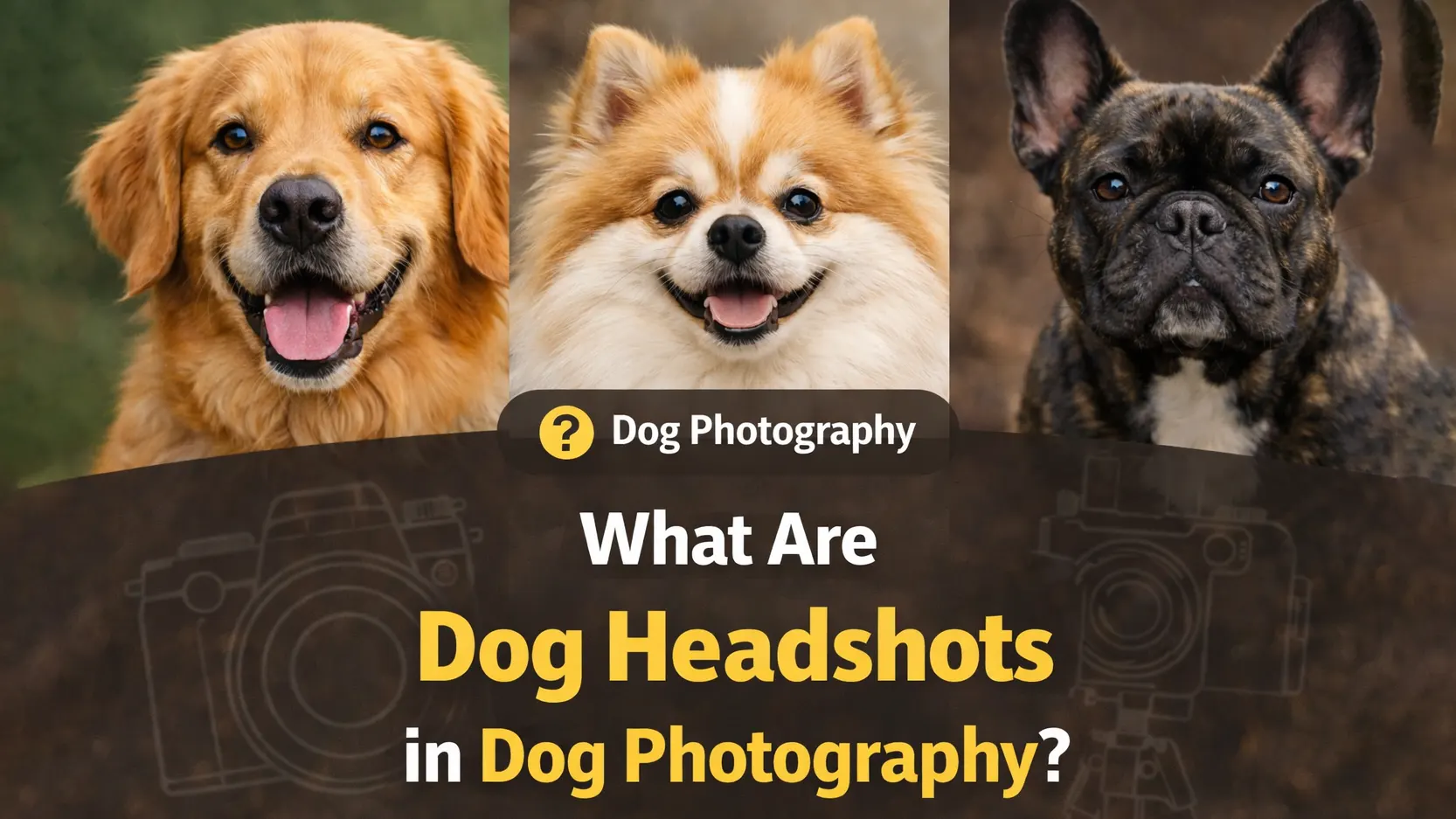
What Are Dog Headshots in Dog Photography?
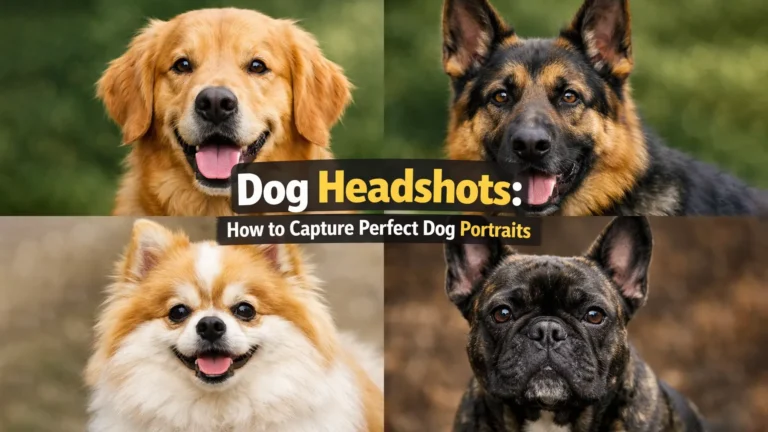
In simple terms, dog headshots are close-up photos that focus mainly on a dog’s face. Instead of showing the whole body, the frame usually captures the eyes, nose, and facial expression. Because the shot is tighter, small details become much more noticeable. A curious look, tilted head, or relaxed expression can completely change the feel of the photo.
This style is slightly different from regular dog portraits. A full portrait often includes the dog’s body and sometimes part of the background or environment. Headshots keep the composition much closer to the face, so the viewer naturally focuses on the dog’s eyes and expression rather than the surroundings.
Photographers often use headshots in pet portrait photography because they create a stronger emotional connection. When the face fills most of the frame, the image feels more personal and expressive. That is why dog headshots are popular for professional pet photography, social media profiles, and even adoption listings.
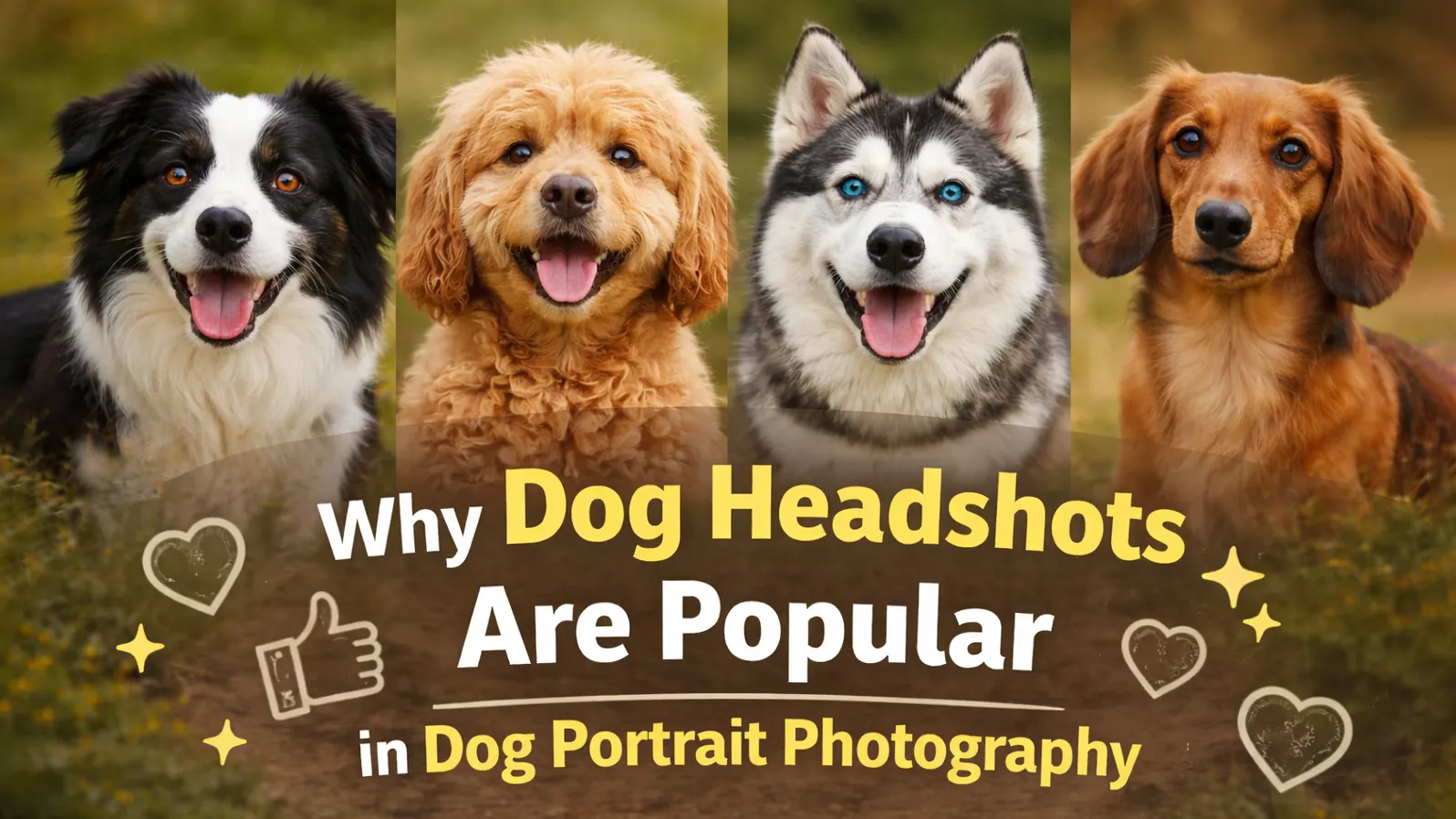
Why Dog Headshots Are Popular in Dog Portrait Photography
One of the biggest reasons dog headshots are so popular is the focus on the dog’s eyes and facial expression. When the camera stays close to the face, the eyes naturally become the center of attention. This helps capture small details like curiosity, calmness, or playfulness. In many cases, the expression alone can tell a story about the dog’s personality.
Headshots also create a stronger emotional connection with the viewer. When people see a close-up image of a dog looking directly at the camera, it often feels more personal. This is why many photographers prefer this style when creating memorable dog portraits.
Another reason for their popularity is that headshots work very well for social media and pet profiles. A clean, close-up image stands out more in a feed and is easy to recognize. Because of this, professional dog photography often includes headshots, especially for adoption listings, pet brands, and online pet portfolios.
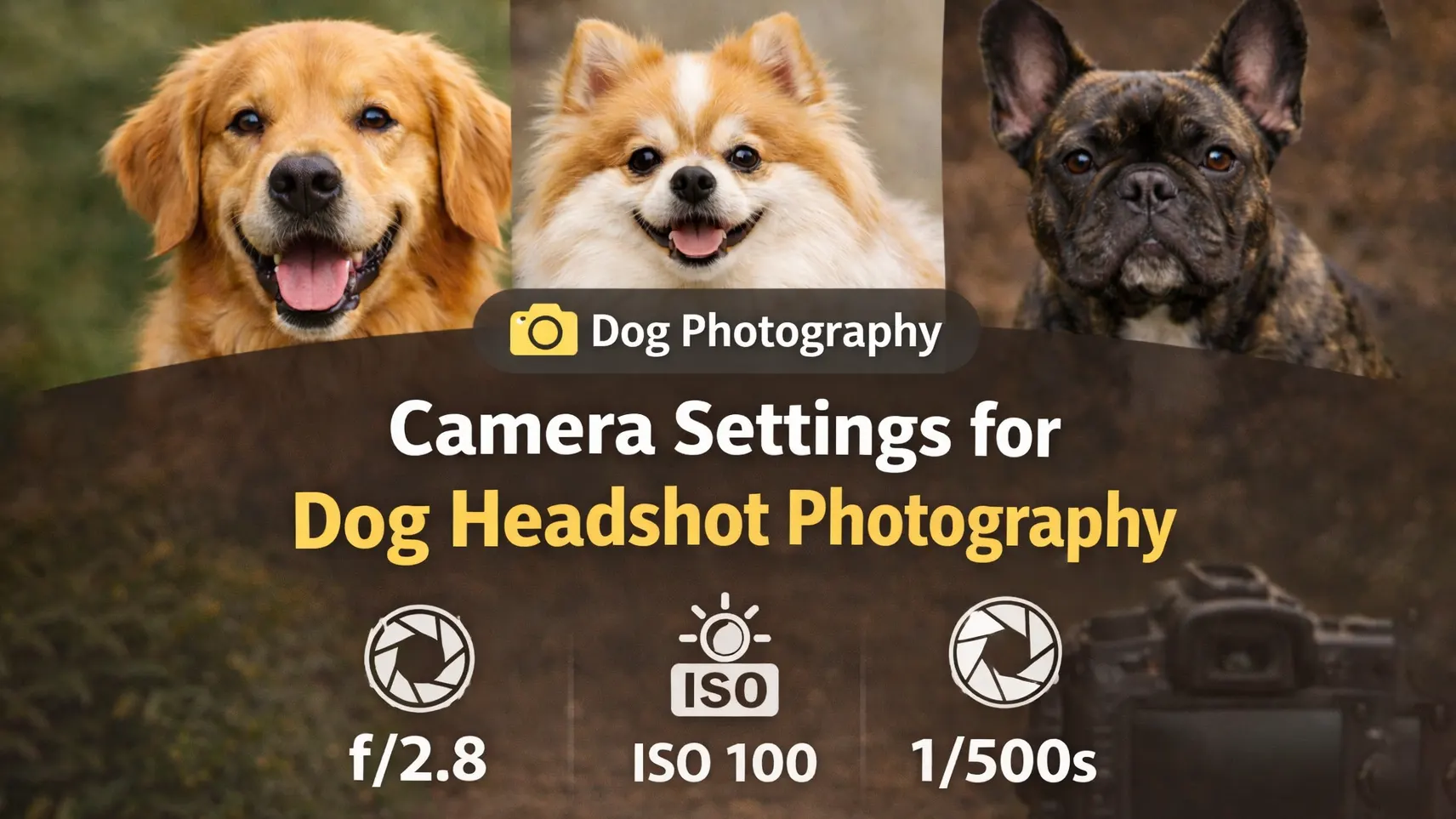
Camera Settings for Dog Headshot Photography
Getting the right camera settings can make a big difference in dog headshots. Dogs move quickly, and their expressions change in seconds. Because of that, using the proper settings helps you capture sharp and detailed photos. In dog portrait photography, photographers often adjust aperture, shutter speed, and ISO to control light and keep the image clear.
Understanding these basic settings will help you improve your dog photography results. Even small adjustments can make the dog’s eyes sharper and the fur texture more visible. Let’s look at the most important camera settings for dog headshot photography.
Best Aperture for Dog Portrait Photography
Aperture controls how much of the image stays in focus. In most cases, photographers use a wider aperture like f/2.8 to f/4 for dog headshots. This helps blur the background while keeping the dog’s face sharp. The soft background makes the dog stand out more in the frame.
However, you should make sure the eyes remain in focus. When taking dog portraits, focusing on the eyes is very important. A slightly wider aperture works well because it separates the dog from the background without losing important facial details.
Shutter Speed for Sharp Dog Photos
Dogs rarely stay completely still, so shutter speed plays an important role in dog photography. A slow shutter speed can cause motion blur, especially if the dog moves its head suddenly. To keep the image sharp, photographers often use a shutter speed of 1/250 second or faster.
If the dog is energetic or playful, you may even need 1/500 second or faster. Faster shutter speeds help freeze small movements and keep the dog’s face sharp in the final photo.
Ideal ISO Settings for Dog Photography
ISO controls how sensitive your camera is to light. In bright daylight, a low ISO like 100 or 200 usually works best. This keeps the image clean and reduces digital noise.
When shooting indoors or in low light, you may need to increase the ISO to 400 or 800. Try not to raise it too high because it can make the photo look grainy. In most dog headshots, balancing ISO with good lighting helps maintain clear and detailed results.
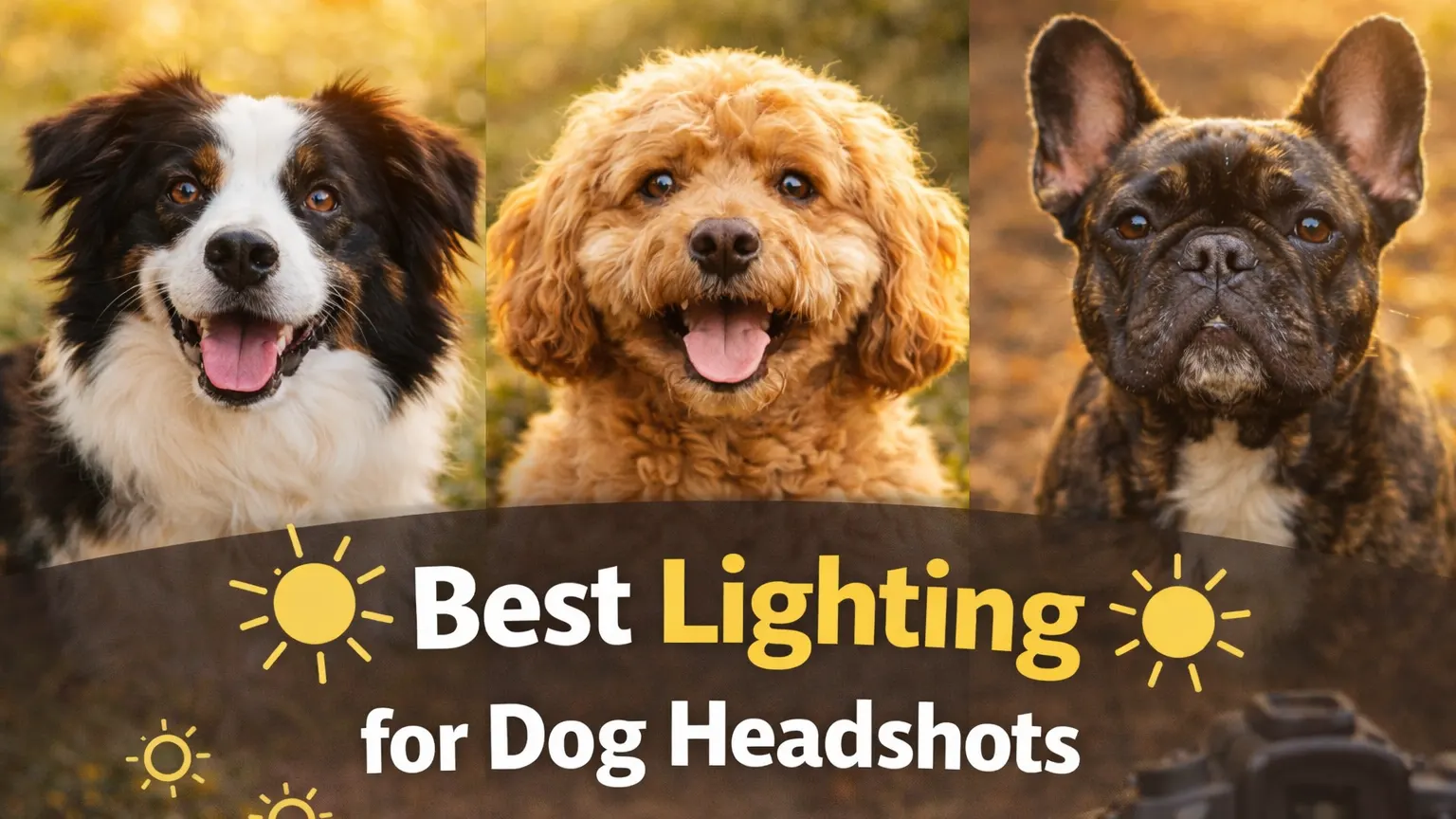
Best Lighting for Dog Headshots
Lighting can make or break a dog headshot. When the light is good, the dog’s eyes look bright and the fur texture becomes more visible. Poor lighting, however, can make the photo look flat or dull. In most dog portrait photography, photographers try to use soft and even light so the dog’s face stays clear and natural.
You do not always need expensive lighting gear. Many great dog headshots are taken with simple light setups. Often, adjusting the position of the dog or changing the direction of light is enough to improve the final image.
Using Natural Light for Dog Portraits
Natural light is one of the easiest ways to capture clean dog portraits. A window, balcony, or shaded outdoor spot can work surprisingly well. Soft daylight usually creates a balanced look and helps keep the dog comfortable during the shoot.
Try placing the dog so the light comes slightly from the side. This often makes the eyes stand out more. In many cases, natural light gives better results than direct flash because it keeps the photo looking more natural.
Soft Lighting for Better Fur Detail
Dogs with thick fur or textured coats benefit from softer lighting. Hard light can sometimes hide details or create strong contrast. Soft light spreads more evenly across the face and helps reveal natural fur texture.
You can soften light in simple ways. For example, shooting near a window with a thin curtain or using a shaded outdoor area often works well. Small adjustments like these can make dog headshots look much more polished.
Avoiding Harsh Shadows in Dog Photography
Harsh shadows can distract from the dog’s face, especially in close-up photos. Direct sunlight or strong overhead light often creates dark areas under the eyes and nose. This can make the expression harder to see.
A simple fix is to move slightly and observe how the light changes. Even a small shift in position can soften the shadows. In many dog photography situations, balanced lighting helps keep the focus exactly where it should be — on the dog’s expression.
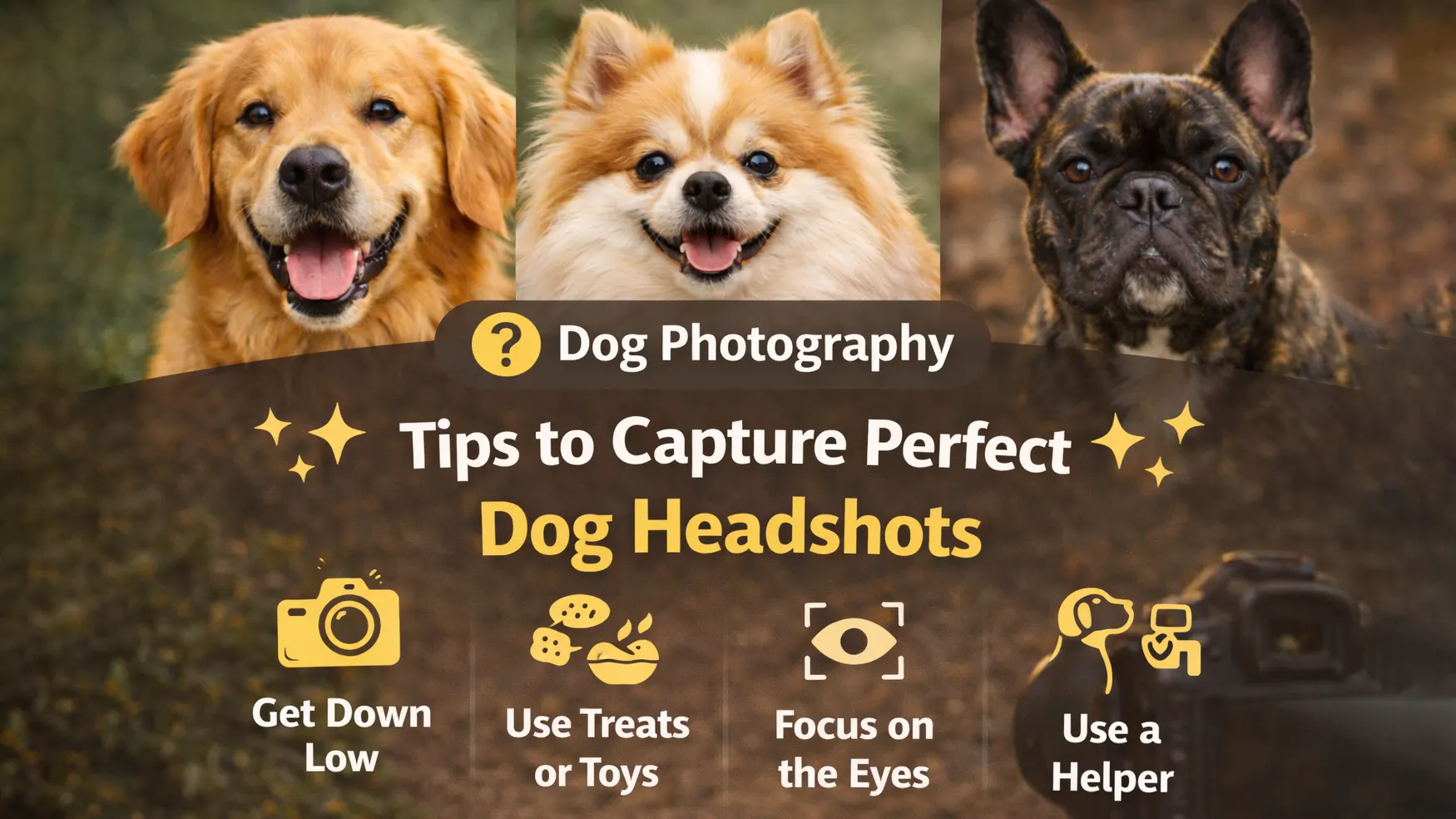
Tips to Capture Perfect Dog Headshots
Taking good dog headshots is not always easy. Dogs move around, look away, or suddenly get distracted. Because of that, photographers usually rely on a few simple tricks to get better results. Small things like camera angle, timing, and patience often make a big difference in dog portrait photography.
If you want more expressive dog portraits, focus on the dog’s behavior instead of trying to control every movement. In many cases, the best photos happen when the dog feels relaxed.
Focus on the Dog’s Eyes
The eyes are usually the most important part of any portrait. This is true for dog photography as well. When the eyes are sharp and clear, the whole image feels stronger.
Try placing your camera’s focus point directly on the dog’s eyes. Even if other parts of the face are slightly softer, the photo will still work as long as the eyes are in focus.
Shoot at the Dog’s Eye Level
Many people photograph dogs from above, simply because they are standing. But that angle often makes the image feel less engaging.
Instead, lower your camera so it sits closer to the dog’s eye level. Sometimes kneeling down or sitting on the ground is enough. This small change can make dog headshots feel more natural and personal.
Use Treats or Toys to Get Attention
Dogs rarely stare at a camera on their own. A simple trick is to use something that catches their attention. A small treat or favorite toy often works well.
Hold it close to the camera for a moment. Sometimes even a soft sound can help. These little tricks are commonly used in dog portrait photography to capture that perfect look toward the lens.
Keep the Background Simple
A busy background can easily pull attention away from the dog’s face. Since headshots focus mainly on expressions, simpler backgrounds usually work better.
Plain walls, grass, or softly blurred backgrounds keep the frame clean. This allows the dog’s face and expression to become the main focus of the image.
Capture Natural Dog Expressions
The best dog portraits usually happen when the dog looks comfortable. If the dog feels forced into a pose, the photo can look unnatural.
Give the dog a little time to relax. Watch how it behaves and keep your camera ready. Often a curious look or a slight head tilt creates the most memorable dog headshots.
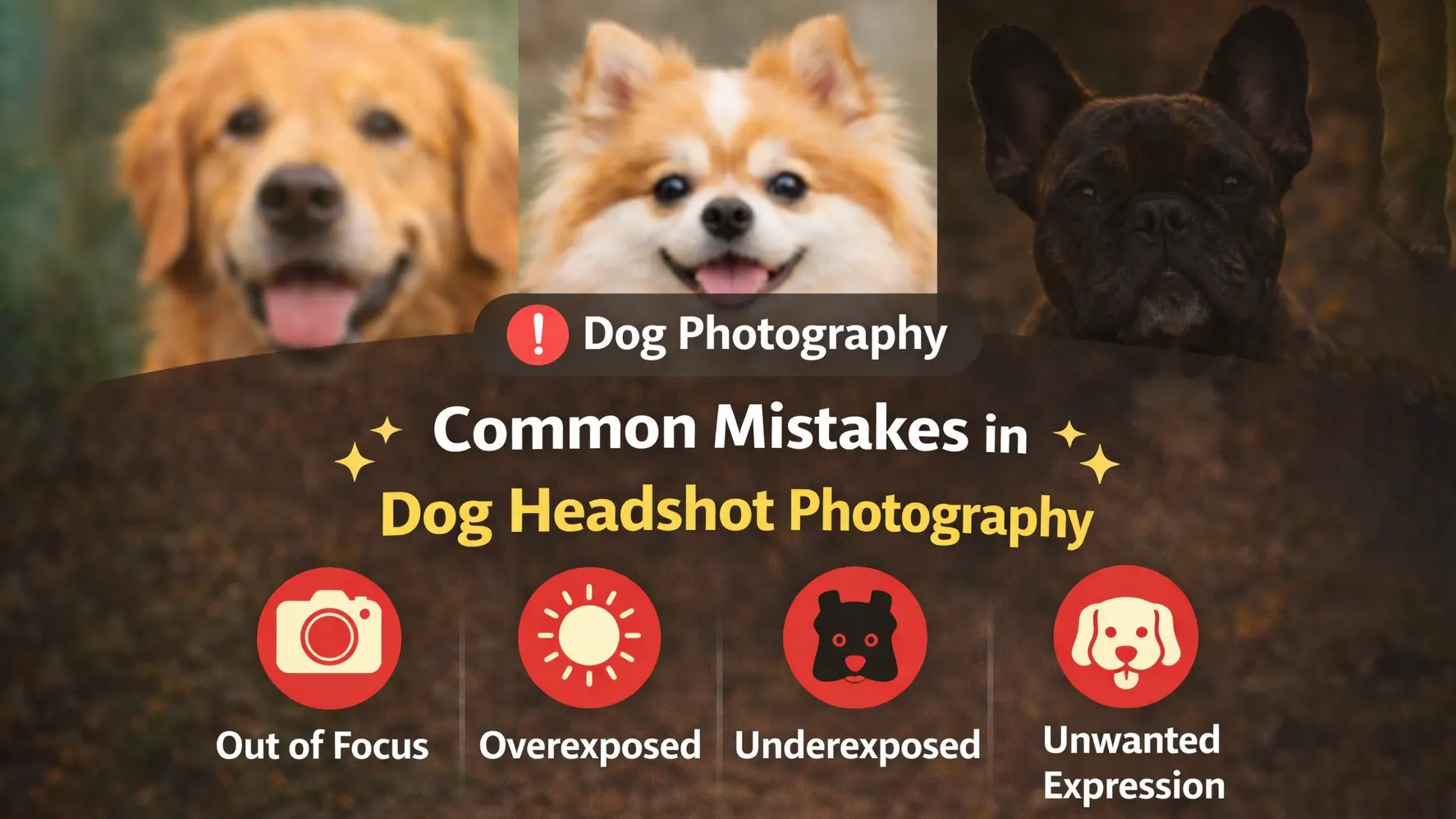
Common Mistakes in Dog Headshot Photography
Even with good equipment, small mistakes can affect the quality of dog headshots. Many beginners focus only on the camera but forget about angle, lighting, or background. Avoiding a few common issues can quickly improve your results in dog portrait photography.
- Shooting from above the dog: Taking photos from a standing position often creates an awkward angle. The dog may look smaller, and the headshot feels less engaging. Instead, try lowering your camera to the dog’s eye level for a more natural perspective.
- Busy or distracting backgrounds: A cluttered background can pull attention away from the dog’s face. Since headshots focus on expression, simple backgrounds usually work better. Plain walls, grass, or softly blurred areas help keep the focus on the dog.
- Poor lighting: Lighting plays a huge role in dog photography. Harsh or uneven light can hide facial details and create strong shadows. Soft natural light usually gives better results and makes the dog’s eyes stand out more.
- Focusing on the nose instead of the eyes: In most dog portraits, the eyes should be the sharpest part of the image. If the camera focuses on the nose, the portrait can feel slightly off. Always try to place the focus point directly on the dog’s eyes.
- Over-editing fur texture: Heavy editing can make the dog’s fur look unnatural. While small adjustments for brightness or color are fine, too much smoothing or sharpening can remove natural texture. In dog headshots, subtle editing usually works best.
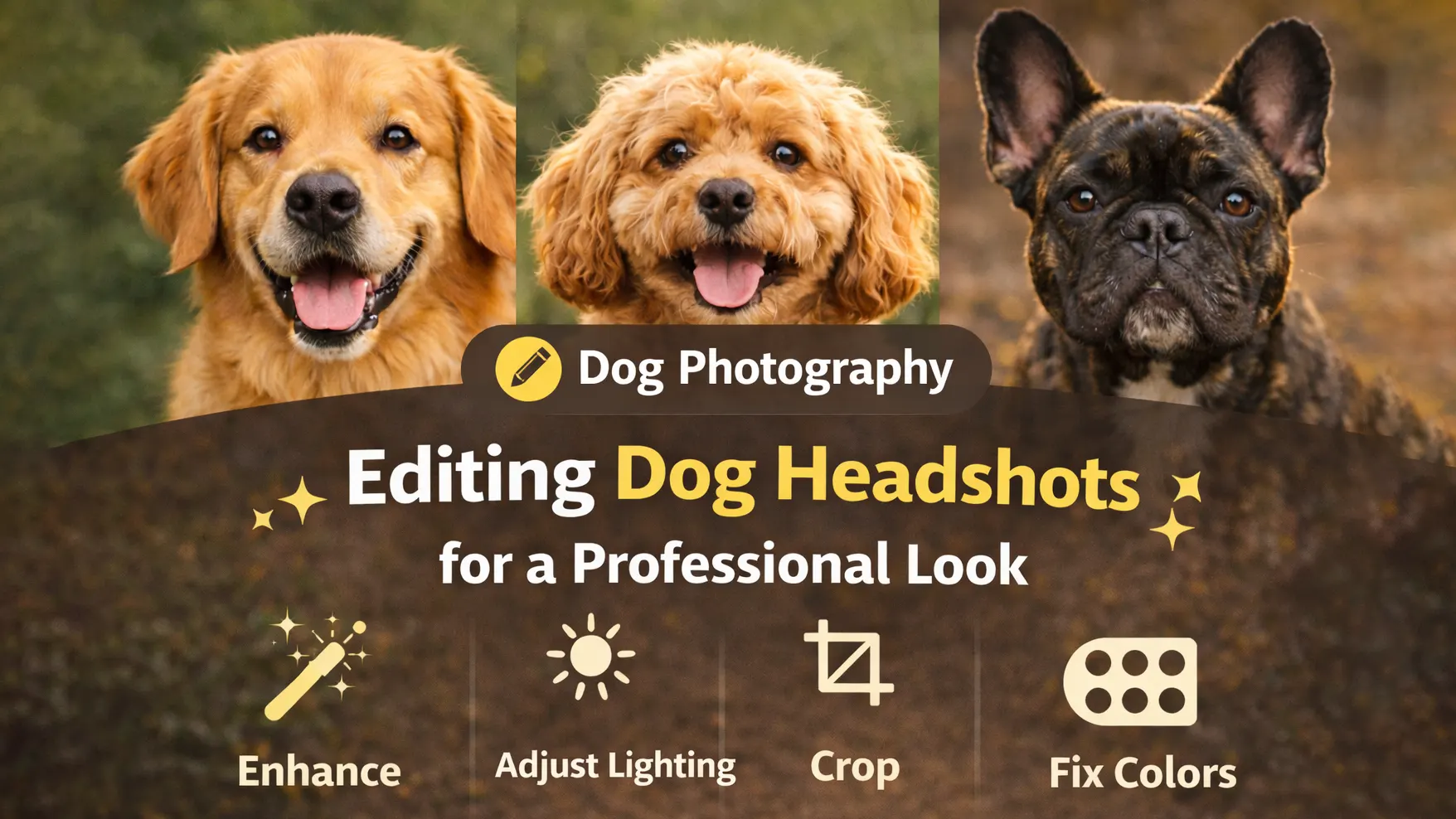
Editing Dog Headshots for a Professional Look
Editing is often the final step that helps dog headshots look polished and professional. Even when the photo is captured well, small adjustments during editing can improve the overall quality. In dog portrait photography, the goal is not to completely change the image but to enhance the natural features of the dog. Simple edits such as correcting colors, adjusting sharpness, and improving small details can make the portrait look cleaner while keeping the dog’s personality visible.
Most photographers try to keep the editing subtle. Heavy filters or extreme adjustments can make the image look artificial. Instead, small corrections are usually enough to bring out the best details in dog headshots.
Basic Color Correction
Color correction helps balance the overall tone of the photo. Sometimes lighting conditions can make the image appear too warm or slightly bluish. Adjusting white balance, brightness, and contrast helps restore natural colors. When the colors are balanced, the dog’s fur looks more realistic and the portrait becomes visually pleasing.
In many dog portraits, keeping the colors natural works best. Strong color effects can distract from the dog’s face, while subtle corrections help maintain a clean and professional look.
Enhancing Fur Detail
Fur texture plays an important role in dog portrait photography. Slightly increasing clarity or texture during editing can help reveal the natural detail of the dog’s coat. This is especially noticeable in close-up dog headshots where the fur is more visible.
However, it is important not to push these adjustments too far. Too much clarity or sharpening can make the fur look rough or unnatural. In most cases, a small increase in detail is enough to improve the portrait while keeping the image natural.
Sharpening Eyes
The eyes are usually the most important part of a dog portrait. When the eyes appear sharp and bright, the whole image immediately feels stronger. Because of this, photographers often apply a small amount of sharpening specifically to the eye area.
A subtle increase in sharpness and brightness around the eyes helps draw attention to the dog’s expression. As long as the adjustment is gentle, it can make dog headshots look more engaging without affecting the rest of the photo.
Keeping Edits Natural
One of the most common mistakes in dog photography is over-editing. Heavy filters, excessive smoothing, or extreme contrast can remove the natural look of the image. When this happens, the dog’s fur and facial features may appear artificial.
In most cases, subtle editing produces the best results. Small improvements in color, light, and detail are enough to enhance dog headshots while keeping the dog’s real personality visible in the portrait.
Frequently Asked Questions
What is a dog headshot in photography?
A dog headshot is a close-up photo that focuses mainly on a dog’s face. Instead of showing the full body, the image highlights the eyes, nose, and facial expression. This style is commonly used in dog portrait photography because it captures personality in a simple and direct way. When the frame stays tight on the face, small details like eye contact and expressions become more noticeable. Because of this, dog headshots are often used for social media profiles, pet adoption listings, and professional pet portraits.
What lens is best for dog headshots?
A portrait lens with a focal length between 50mm and 85mm is usually a good choice for dog headshots. These lenses help create a natural perspective and also blur the background slightly, which makes the dog stand out more in the photo. In many cases, photographers prefer lenses with wider apertures such as f/2.8 or f/4. This allows more light into the camera and produces a softer background, which works well in dog portrait photography.
How do photographers get dogs to look at the camera?
Photographers often use simple tricks to capture a dog’s attention. A favorite toy, a treat, or even a small sound can encourage the dog to look toward the camera for a moment. Sometimes the photographer will hold the toy close to the lens so the dog naturally focuses in that direction. Patience also plays a big role. In many dog photography sessions, the best expressions appear when the dog feels relaxed and curious.
Can you take professional dog portraits with a smartphone?
Yes, it is possible to capture good dog portraits with a smartphone, especially if the lighting is strong and natural. Many modern phones have excellent cameras that can produce sharp images. The key is to focus on good lighting, simple backgrounds, and proper framing. If the dog’s eyes are in focus and the lighting is soft, a smartphone can still produce impressive dog headshots.
What background works best for dog headshots?
Simple backgrounds usually work best for dog headshots. A plain wall, grass, or softly blurred outdoor background helps keep attention on the dog’s face. Busy or cluttered backgrounds can distract from the expression and reduce the impact of the portrait. In dog portrait photography, photographers often choose neutral backgrounds so the dog’s eyes and facial features become the main focus of the image.
Conclusion
Capturing great dog portraits takes a mix of technique, timing, and patience. Good lighting, the right camera settings, and a clean background can make a big difference in the final image. Paying attention to details like focusing on the eyes, shooting at the dog’s eye level, and keeping the dog relaxed often leads to more natural and expressive photos.
With a little practice, anyone can improve their pet photography skills. Dogs do not always stay still, so patience is an important part of the process. The more you experiment with lighting, angles, and timing, the easier it becomes to capture strong dog headshots that truly show a dog’s personality.