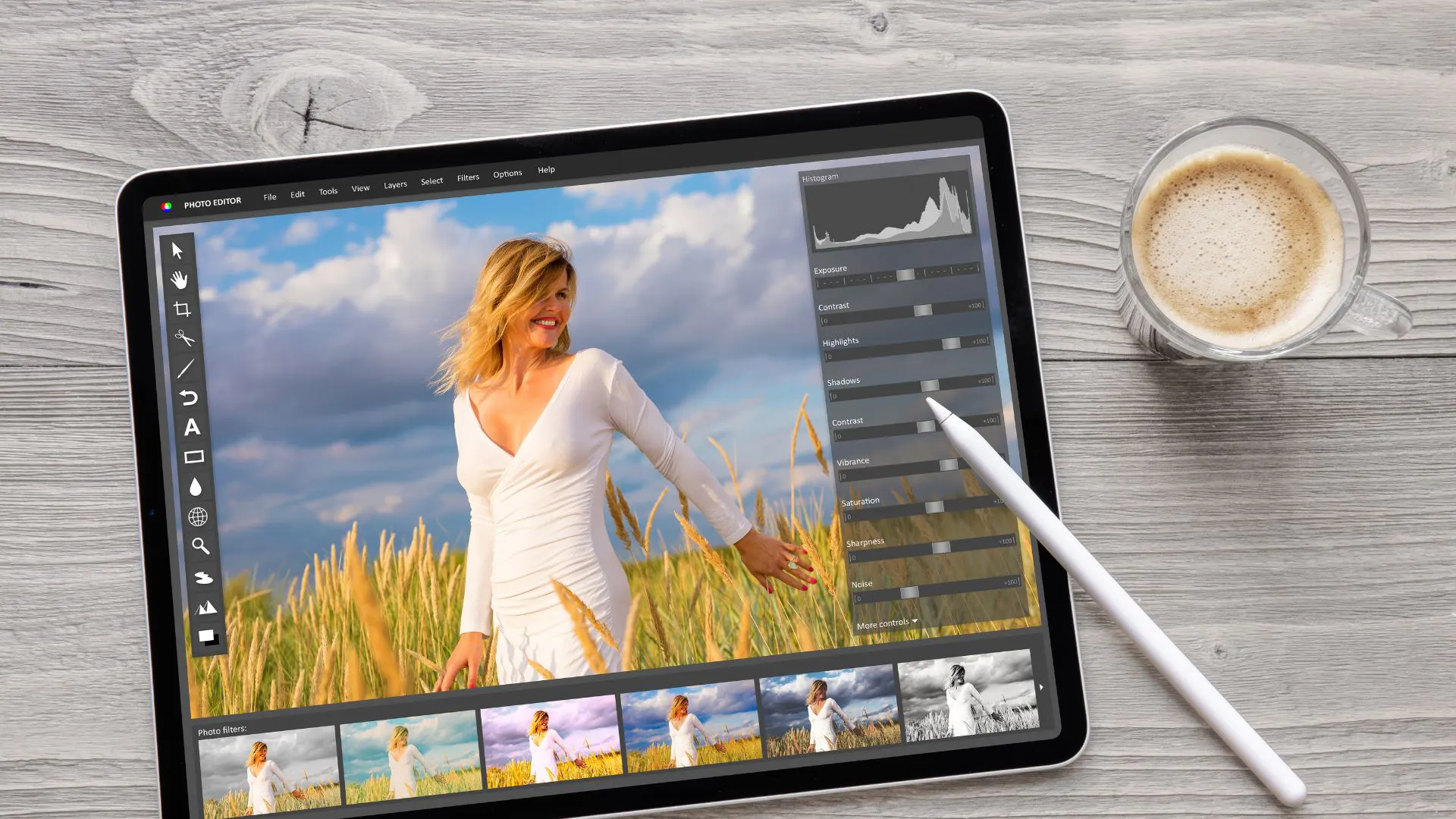
Photo editing is no longer limited to professionals with expensive tools. Today, students, content creators, photographers, and small business owners all rely on free photo editing software to improve their images. The best free photo editor helps adjust lighting, correct colors, remove unwanted objects, and prepare images for social media or websites. Many people believe free tools are basic, but that is no longer true. Several easy photo editing software programs now offer advanced features that were once only available in paid software. Some are simple and beginner-friendly, while others are powerful enough for professional work. In this article, we’ll look at some of the best free picture editing software in 2026 and explain what each one does best.
1. GIMP (GNU Image Manipulation Program)
GIMP is widely known as one of the strongest free alternatives to Photoshop. It offers professional tools such as layers, masks, filters, and advanced brushes. Many designers and photographers use GIMP for detailed photo retouching and graphic design. It supports a wide range of image formats, including PSD files, which makes collaboration easier. Since it is open-source, developers regularly improve and expand its features. At first, the interface may seem overwhelming, especially for beginners. However, with time and practice, it becomes a very capable editing solution. For users who want full control without paying, GIMP is a reliable option among free photo editing software.
2. Photopea
Photopea is an online photo editor that works directly in your web browser. One of its biggest advantages is that it looks very similar to Adobe Photoshop. Because of this, many users feel comfortable using it right away. It supports common file types like PSD, JPG, PNG, and SVG. Since it runs online, there is no need to install anything on your computer. Photopea includes layers, blending modes, smart objects, and text tools. Although the free version shows ads, most features remain accessible. It is a great choice for quick edits or working on shared computers and is a popular option in the world of free photo editing software.
3. Krita
Krita is mainly designed for digital artists, but it can also handle photo editing tasks. It offers excellent brush tools, layer control, and color management features. Many illustrators use Krita for concept art, comics, and creative projects. You can easily customize the clean interface to fit your personal workflow. While it focuses more on drawing and painting, basic photo adjustments are still possible. Krita supports high-resolution files without performance issues. The software is completely free and open-source. For creative users, Krita is a strong and flexible tool among free photo editing software options.
4. Fotor
Fotor is designed for people who want fast and simple photo editing. It offers one-click enhancement tools that automatically improve image quality. Users can easily crop photos, resize images, and apply filters. Fotor also includes basic design features for posters and social media posts. It is available as both an online tool and a desktop application. While the free version has some limitations, it is still useful for everyday tasks. Beginners often prefer Fotor because it does not require technical knowledge. It is best suited for quick edits rather than detailed retouching and is a convenient choice in free photo editing software.
5. Paint.NET
Paint.NET is a lightweight photo editor built specifically for Windows users. It has a simple interface that is easy to understand. The software includes layers, effects, and essential color correction tools. It runs smoothly even on older or low-spec computers. Paint.NET also supports plugins, allowing users to add extra features if needed. While it does not offer advanced professional tools, it handles basic editing very well. Many beginners find it comfortable to use. Paint.NET works reliably for everyday edits and remains a top free photo editing choice for Windows users.
6. Microsoft Photos
Microsoft Photos comes pre-installed on Windows devices. It allows users to perform basic edits like cropping, rotating, and adjusting brightness. The interface is very simple and beginner-friendly. It also includes light video editing features. While it lacks advanced retouching tools, it is useful for quick fixes. Since it’s already installed, users don’t need to download anything. Microsoft Photos is best for people who only need simple edits and is a handy example of built-in free photo editing software.
7. Pixlr (X and E)
Pixlr is a browser-based photo editor available in two versions. This software handles fast, basic edits, while Pixlr E delivers advanced editing tools. Both versions work online, making them accessible from any device. Pixlr includes features like layers, filters, and background removal. It is commonly used for social media graphics and fast design tasks. The free version includes ads, but editing tools remain usable. Pixlr is flexible and suitable for different skill levels, making it one of the top choices in free photo editing software.
8. Adobe Express
Adobe Express is a simple editing tool created for quick design and photo adjustments. It focuses on templates, resizing, and social media content. Users can add text, filters, and layouts easily. Adobe Express works on both desktop and mobile devices. The free plan provides enough features for basic editing needs. It integrates smoothly with other Adobe services. Content creators often use it for fast visual content. It is a practical and easy-to-use option in the category of free photo editing software.
9. Darktable
Darktable is a powerful photo editing software for photographers. It is especially strong when working with RAW image files. The software uses non-destructive editing, which keeps original images safe. Darktable offers advanced tools for exposure control and color correction. Many photographers use it as a free alternative to Lightroom. The interface may feel complex for new users. However, it provides excellent control once learned. Darktable is ideal for serious photography work and is considered professional-level free photo editing software.
Why Free Software Alone Is Not Enough
Having good free photo editing software does not automatically produce professional results. Tools like GIMP, Darktable, or Photopea are powerful, but they require skill to use properly. An expert photo retoucher understands lighting, skin tones, shadows, and color balance. Software provides the tools, but experience determines the outcome. Without proper knowledge, even advanced features may be misused. This is why professional-looking photos depend on both tools and technique. Skill always matters more than software alone.
Conclusion
The best free photo editing software depends on your experience and goals. Beginners may prefer simple tools like Fotor or Microsoft Photos. Advanced users often choose GIMP or Darktable for better control. Online tools such as Photopea and Pixlr are useful for fast editing without installation. Free software today is more powerful than ever. With the right tool and proper skills, anyone can create high-quality images without spending money. Try different options and find what suits your workflow best.