AI Filmmaking Apps are redefining how creators plan, shoot, and produce cinematic content in 2026. Modern creators no longer depend only on cameras, crews, or complex software. Instead, artificial intelligence simplifies production, accelerates creativity, and lowers entry barriers. From ideation to final export, AI now assists every filmmaking stage. As a result, solo creators, studios, and brands can produce professional films faster than ever before.
Why Use AI for Filmmaking in 2026?
AI has become very important in filmmaking today. In 2026, creators use ai for filmmaking to make videos faster and at lower cost. AI helps with editing, planning scenes, and improving video quality. Because AI handles many technical tasks, filmmakers can focus more on creativity and storytelling. Students and beginners also benefit because they do not need advanced skills. Simple tools allow anyone to create films easily. As a result, AI has changed filmmaking from a difficult process into something simple, fun, and accessible for everyone.
Saves time and improves efficiency
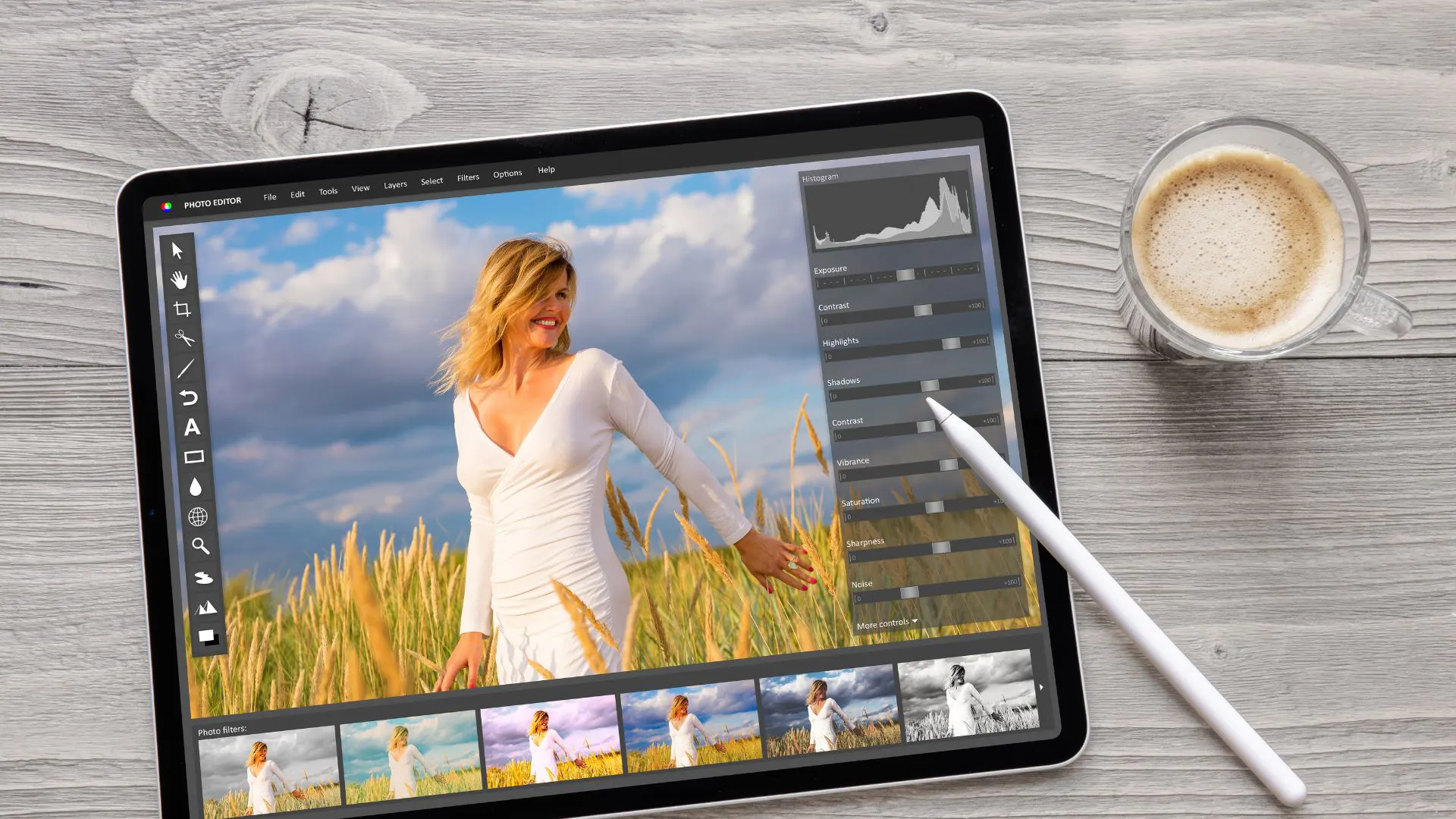
ai in filmmaking helps creators work faster by cutting clips automatically and adjusting pacing. It also applies color grading without manual effort. This reduces long editing hours. Creators can finish projects quickly and focus more on ideas instead of technical work.
Easy access for beginners
ai filmmaking makes video creation simple for students and new creators. Text prompts help visualize scenes easily. No advanced software knowledge is required. This allows beginners to learn filmmaking confidently and enjoy the creative process without fear.
Supports global production needs
ai for film production helps creators add subtitles, translations, and AI voices automatically. Videos can reach international audiences easily. This is useful for education, marketing, and training content across different countries and cultures.
Encourages creativity and experimentation
Modern ai filmmakers can experiment without expensive equipment. Cloud rendering and virtual scenes reduce risk. Creators also explore new ai app ideas, such as interactive stories and personalized videos, which were difficult before.
How to Make an AI Film in 2026
Creating an AI-powered film in 2026 follows a simple but effective workflow. First, creators start with ideas using an ai filmmaking tutorial or prompt-based concept generation to plan story, theme, and visuals efficiently. Scripts are turned into scenes using an ai film app, replacing traditional storyboards. Then, ai tools for filmmaking refine footage with automatic editing, sound cleanup, and cinematic transitions, while creators adjust pacing, tone, and mood. Finally, filmmaking ai tools add subtitles, voiceovers, and localization, and videos are exported using best ai apps for filmmaking standards. This method lets creators produce professional films quickly while keeping creative control.
Step-by-step process:
- Ideation and Planning: Use an ai filmmaking tutorial to generate ideas and structure the story. This also helps design visuals and plan each scene efficiently.
- Text-to-Video Conversion: Transform scripts into video using an ai film app with text-to-video workflows. Creators can test multiple scene variations quickly without manual storyboarding.
- Footage Refinement: Apply ai tools for filmmaking to edit clips, clean audio, and add cinematic transitions. This ensures smooth pacing, consistent tone, and professional quality.
- Finalization and Export: Use filmmaking ai tools for subtitles, voiceovers, and localization. Then export the video using best ai apps for filmmaking standards for resolution, frame rate, and format.
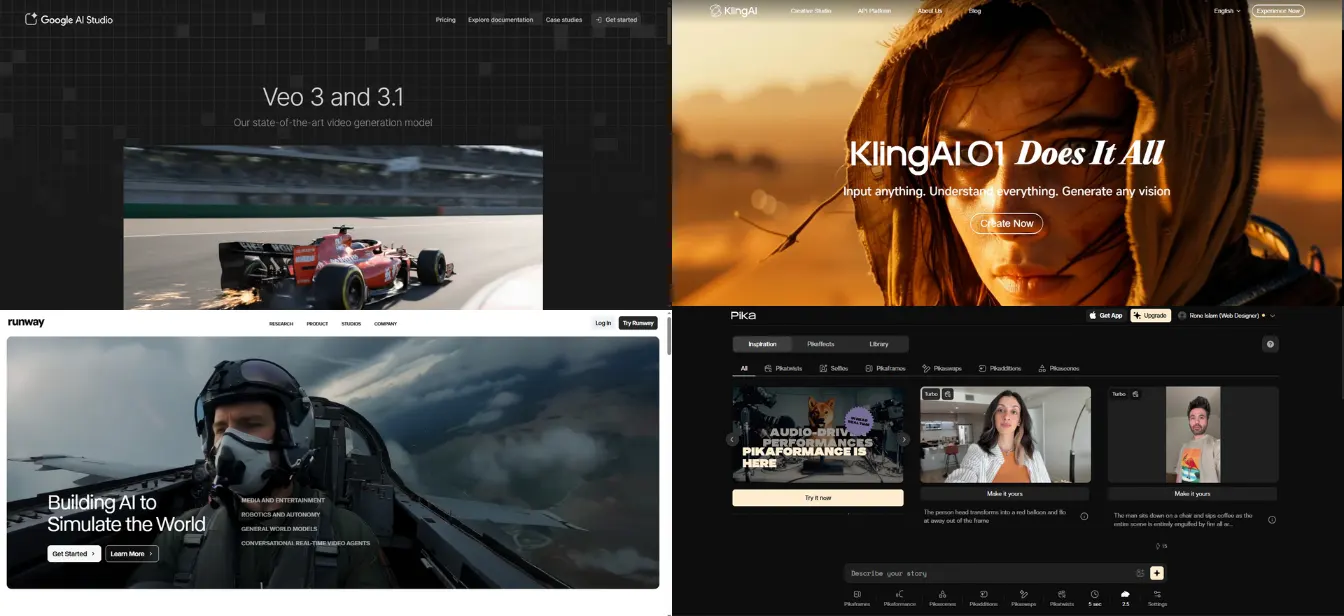
Top 5 AI Filmmaking Apps of 2026
Google Veo
Google Veo is a powerful AI filmmaking tool from Google. It works with google ai filmmaking tool flow and google ai studio to make videos from prompts easily. Google Gemini AI adds intelligence for better storytelling. Veo is perfect for creators who want professional cinematic quality without complex setups.
Key strengths:
- High-fidelity video generation: Realistic motion, lighting, and depth. Supports complex camera movements.
- Deep ecosystem integration: Works with google flow and google ai pro for smooth collaboration.
- Scalable cloud rendering: Large projects render fast without hardware limits.
Sora 2 (OpenAI)
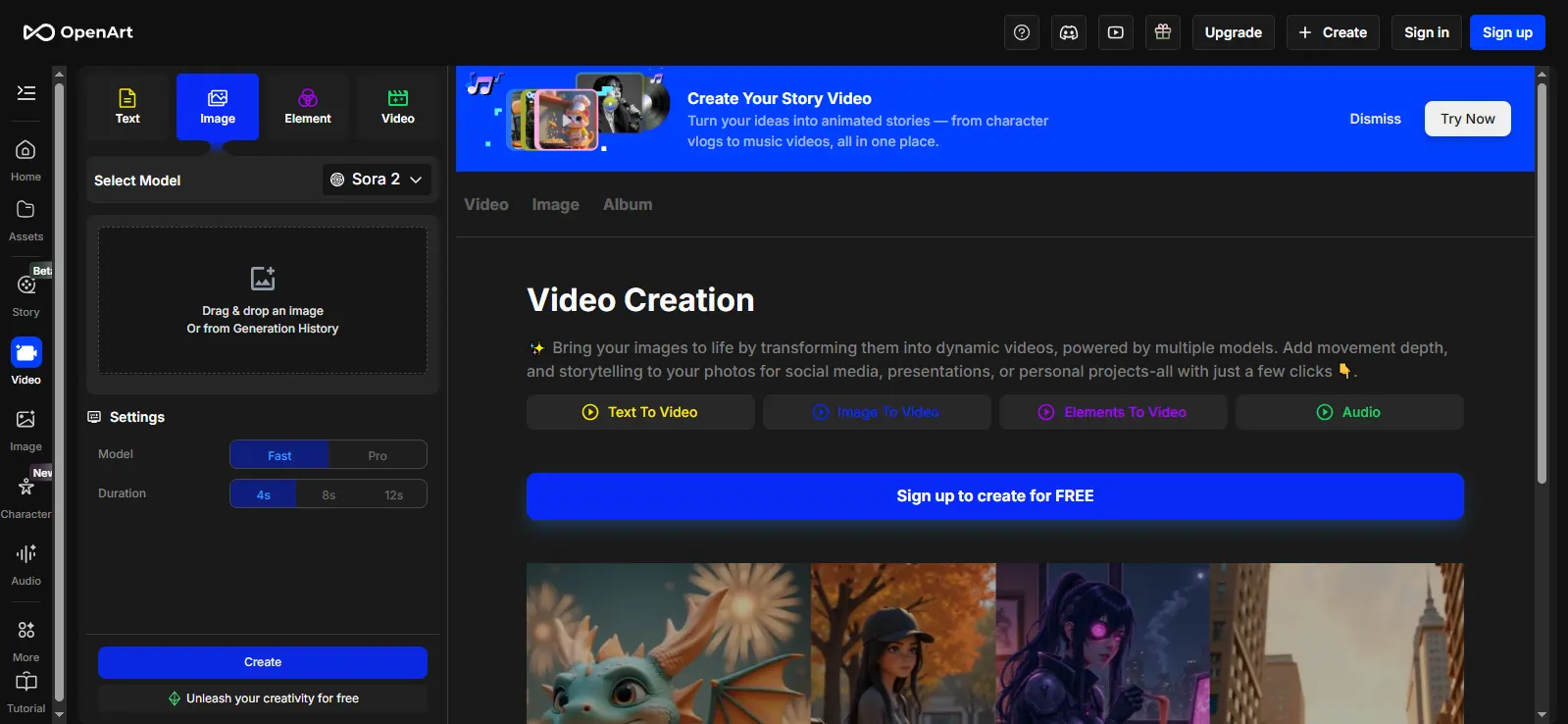
Sora 2 focuses on storytelling using advanced AI. It keeps characters, environments, and story arcs consistent. This makes it ideal for scripted and long-form videos. Creators can easily control the story while AI handles technical details.
Key strengths:
- Story-driven generation: Maintains narrative flow and emotional pacing.
- High creative control: Layered prompts allow precise scene adjustments.
- Advanced realism: Motion, lighting, and physics look natural.
Kling AI
Kling AI is built for fast and energetic short videos. Many creators use kling ai download to produce social media content quickly. It is perfect for viral videos with dynamic pacing. Creators can experiment freely with styles and motion.
Key strengths:
- Dynamic pacing: Fast-moving scenes feel lively and engaging.
- Image-to-video workflows: Supports ai image to video generator free for quick tests.
- Flexible experimentation: Can work like an uncensored ai video generator for creative freedom.
Runway ML
Runway ML combines AI with traditional video editing. It is known for ai magic tools runway and professional visual effects. Creators can mix AI automation with manual editing. This makes it suitable for detailed post-production work.
Key strengths:
- Hybrid editing environment: Blend AI-generated clips with manual timeline control.
- Advanced visual effects: Background replacement, motion tracking, and style transfer.
- Creative stability: Keeps results consistent across revisions.
Pika
Pika is beginner-friendly and easy to use. Its pika labs pricing is transparent, making it accessible to independent creators. The app produces artistic and cinematic visuals quickly. It is ideal for social media videos and fast content creation.
Key strengths:
- Ease of use: Simple prompts generate videos quickly for beginners.
- Stylized outputs: Artistic visuals with cinematic flair for trends.
- Rapid iteration: Short render times allow fast testing of ideas.

Choosing the Right App for Your Project
Selecting the right AI filmmaking platform depends on your content goal, audience, and production type. Even though AI Filmmaking Apps share similar features, each excels in different situations. Some are better for fast, short videos, while others support detailed narrative storytelling or corporate training. Understanding your project needs ensures you pick the best tool. Choosing the right app also saves time, improves video quality, and helps creators stay consistent. Students, beginners, and professionals can all benefit by matching the right AI tool to their project objectives.
For Social Viral Shorts
Luma Dream Machine or Kling AI is perfect for fast short videos. These apps prioritize quick rendering, strong motion, and rhythmic pacing. They include visual hooks and engaging effects to capture viewers’ attention quickly. Creators can produce consistent, high-quality content for TikTok, Instagram, or YouTube Shorts. Speed and energy are key in viral short-form videos.
For Narrative Filmmaking
LTX Studio or Sora 2 works best for storytelling videos. These platforms help maintain clear narrative flow, consistent characters, and scene logic. Long-form projects benefit from AI suggestions for pacing and transitions. Filmmakers retain creative control while producing coherent, professional stories. This ensures viewers can follow and enjoy the story easily.
For Corporate & Training
Synthesia or HeyGen focuses on professional and educational content. These tools provide avatars, text-to-speech, and multilingual support. They are excellent for training, presentations, and onboarding. Structured delivery and localization make videos easy to understand for global audiences. Creators can maintain clarity, consistency, and high production quality across corporate projects.
Conclusion
AI Filmmaking Apps are no longer optional in 2026. They have changed the way films are planned, created, and shared. From the first idea to the final video, AI helps creators work faster, stay precise, and explore new creative ideas. Even beginners can make impressive videos with these tools.
Whether using a simple ai video generator free platform or advanced cinematic AI, creators can tell stories better and faster. Choosing the right app for each project is key. When creative goals match the right AI tool, filmmakers can produce high-quality videos consistently and stay ahead in the digital world.
Frequently Asked Question
What is the future of AI filmmaking?
The future of AI filmmaking is very bright. In the coming years, AI will be able to write stories, create videos, and handle editing on its own. This will save time and reduce production costs. Students and new creators will also be able to produce professional-quality videos easily.
Which is the best AI for video editing?
Runway ML and Sora 2 are among the best AI tools for video editing. They help with cutting clips, color grading, and adding visual effects. Both beginners and professional creators find these tools very useful.
Which app is best for filming?
Google Veo, Sora 2, and Pika are excellent apps for filming. These apps can create videos directly from ideas or text prompts. They are easy to use and produce high-quality results.
What country is #1 in AI?
The United States (USA) is currently the number one country in AI. Major companies like Google, OpenAI, and Microsoft are based there. The country leads in AI research, development, and innovation.
What is the best AI for filmmaking?
Sora 2, Google Veo, and Runway ML are some of the best AI tools for filmmaking. They handle storytelling, video quality, and creative control very well. Choosing the right tool depends on your project needs.
Which is the no. 1 AI?
It is hard to name only one AI as number one. However, OpenAI and Google AI are currently the most advanced and powerful platforms. Each one performs best in different areas.
How to master AI filmmaking?
To master AI filmmaking, regular practice is important. Start with simple tutorials and beginner tools. Experiment with different AI apps and prompts. Over time, your skills in storytelling, editing, and creative control will improve.