Best AI Image Generator Tools to Try in 2026
AI image generation has evolved from a creative experiment into a serious production technology in 2026. Businesses, marketers, designers, and content creators now depend on AI image generator tools to produce high-quality visuals quickly and consistently. Instead of spending hours on manual design or relying on generic stock photos, users can generate custom images using simple text prompts.
The best AI image generator tools help reduce production costs, speed up workflows, and maintain visual consistency across platforms. As visual competition increases online, using the right AI image generator has become a strategic advantage rather than a creative luxury.
What Is an AI Image Generator?
An AI image generator is a software tool that creates images based on written text instructions, commonly known as prompts. Users describe what they want to see, such as the subject, style, lighting, background, and mood, and the AI generates an image that matches the description accurately.
These tools rely on advanced machine learning models trained on massive image datasets. As a result, modern AI image generators understand visual elements such as perspective, texture, color harmony, and depth. This allows them to create images that look realistic, balanced, and professional.
In 2026, AI image generators are no longer limited to artistic visuals. They are widely used for marketing images, product photos, website graphics, social media creatives, and commercial design tasks.
Why AI Image Generator Tools Matter in 2026
AI image generator tools matter in 2026 because the demand for visual content has increased dramatically. Social media platforms, digital advertisements, websites, and eCommerce stores all require fresh visuals on a daily basis. Traditional design workflows often struggle to meet this demand efficiently.
AI image generators significantly reduce production time. What once required hours of design work can now be completed in minutes. As a result, businesses can scale content creation without increasing design budgets.
Additionally, many modern AI tools now offer clear commercial usage rights. This allows businesses to use AI-generated images confidently for paid ads, client projects, and branding materials. Therefore, AI image generators have become essential tools for modern digital operations.
Key Features to Look for in AI Image Generators
Choosing the right AI image generator requires understanding which features impact quality and usability.
Image quality and realism are the most critical factors. A strong AI tool should generate sharp details, accurate lighting, and natural textures. Poor image quality reduces brand trust and visual credibility.
Prompt control is equally important. Advanced tools allow users to control style, lighting direction, camera angle, and background elements. This helps maintain visual consistency across multiple images and campaigns.
Commercial usage rights must be clearly defined. Some tools restrict business use on free plans. Therefore, reviewing licensing terms prevents legal and financial risks. Speed, output resolution, and ease of use also influence long-term productivity.
Best AI Image Generator Tools to Try in 2026
Several AI image generator tools stand out in 2026 due to their performance, reliability, and feature depth. Each platform serves different creative and commercial needs.
Midjourney
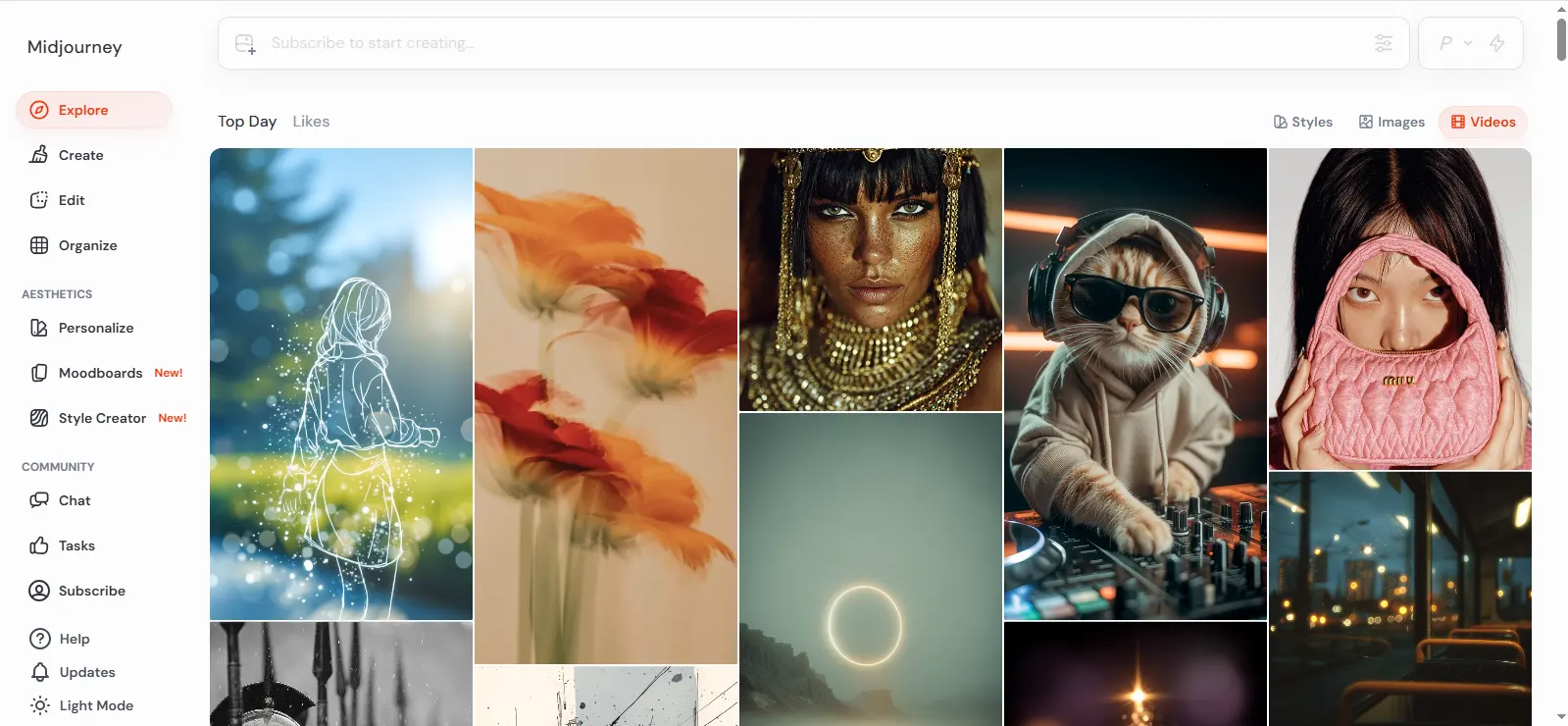
Midjourney is well known for its artistic and cinematic image style. It stands out as one of the most visually expressive AI tools in 2026. The platform creates images with dramatic lighting, creative compositions, painterly textures, and rich emotional depth. Because of this, designers, illustrators, and digital artists often use it for concept art, editorial visuals, album covers, and branding projects.
One of Midjourney’s biggest strengths is how well it understands prompts. It interprets abstract ideas, artistic styles, and emotional cues with impressive accuracy. Users can control mood, color grading, camera angles, and visual depth through detailed descriptions. While beginners may face a learning curve, experienced users consistently produce striking, high-impact visuals.
Key Features:
- Cinematic and artistic image output
- Advanced prompt understanding
- Strong control over style, mood, and composition
- Ideal for creative and conceptual visuals
DALL·E
DALL·E focuses on simplicity, speed, and reliability. It creates clean, realistic images using simple, natural language prompts. Because of this, it works especially well for marketers, bloggers, and non-designers. Users can describe ideas in plain English without learning complex prompt rules.
The tool is commonly used for blog visuals, website banners, social media graphics, and product concepts. It delivers consistent results even with short prompts, which keeps workflows moving smoothly. While artistic control is limited, its reliable output makes it a strong choice for scalable content creation.
Key Features:
- Natural language prompt support
- Fast image generation
- Clean and realistic visuals
- Beginner-friendly workflow
Stable Diffusion
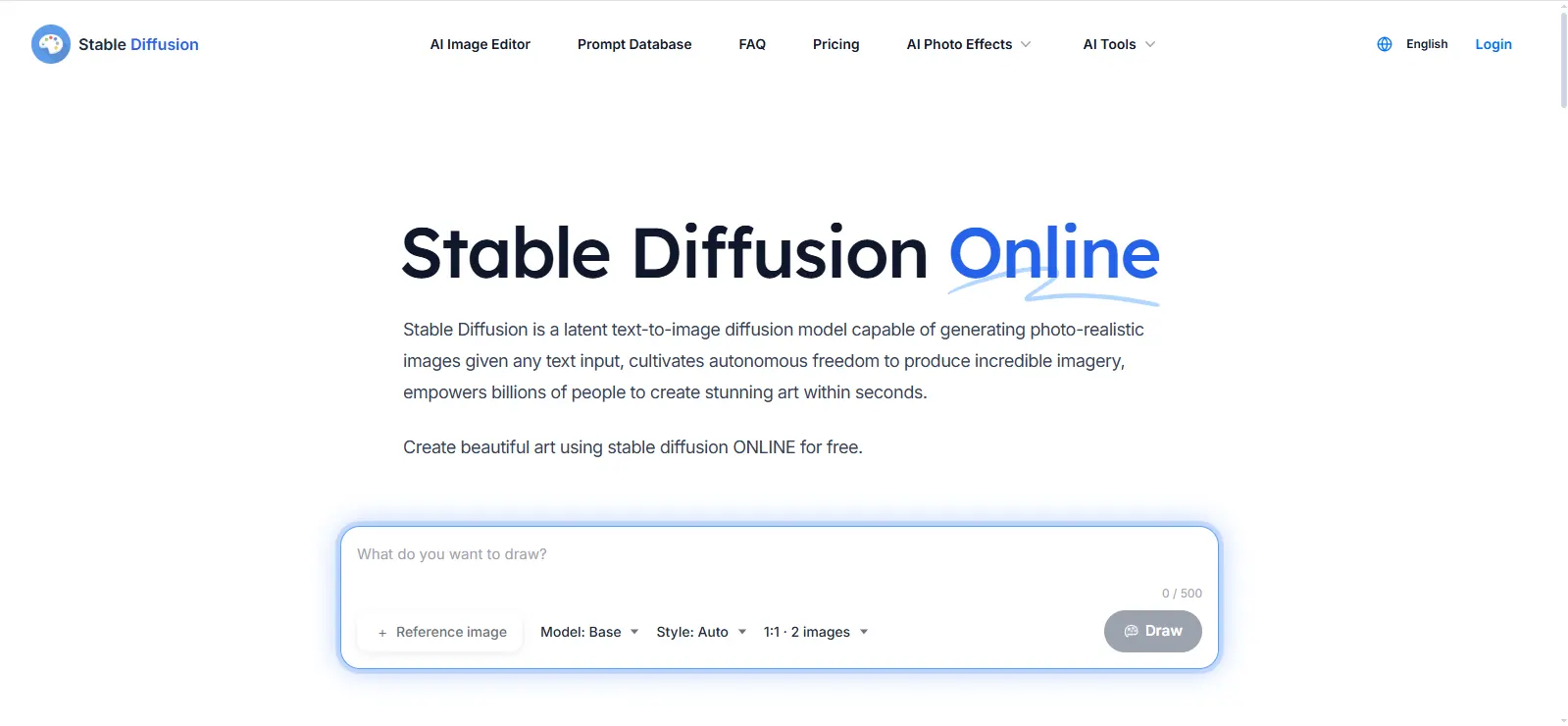
Stable Diffusion is an open-source AI image generator designed for users who want full control over the image creation process. Unlike closed platforms, it lets users train custom models, adjust generation settings, and even run everything locally.
This flexibility makes Stable Diffusion popular with developers, researchers, and advanced creators. Users can build consistent characters, experiment with unique styles, and fine-tune results in detail. However, setup and optimization require technical knowledge. Because of that, it works best for users who value control and customization over simplicity.
Key Features:
- Open-source architecture
- Local deployment capability
- Custom model training
- Advanced parameter control
Adobe Firefly
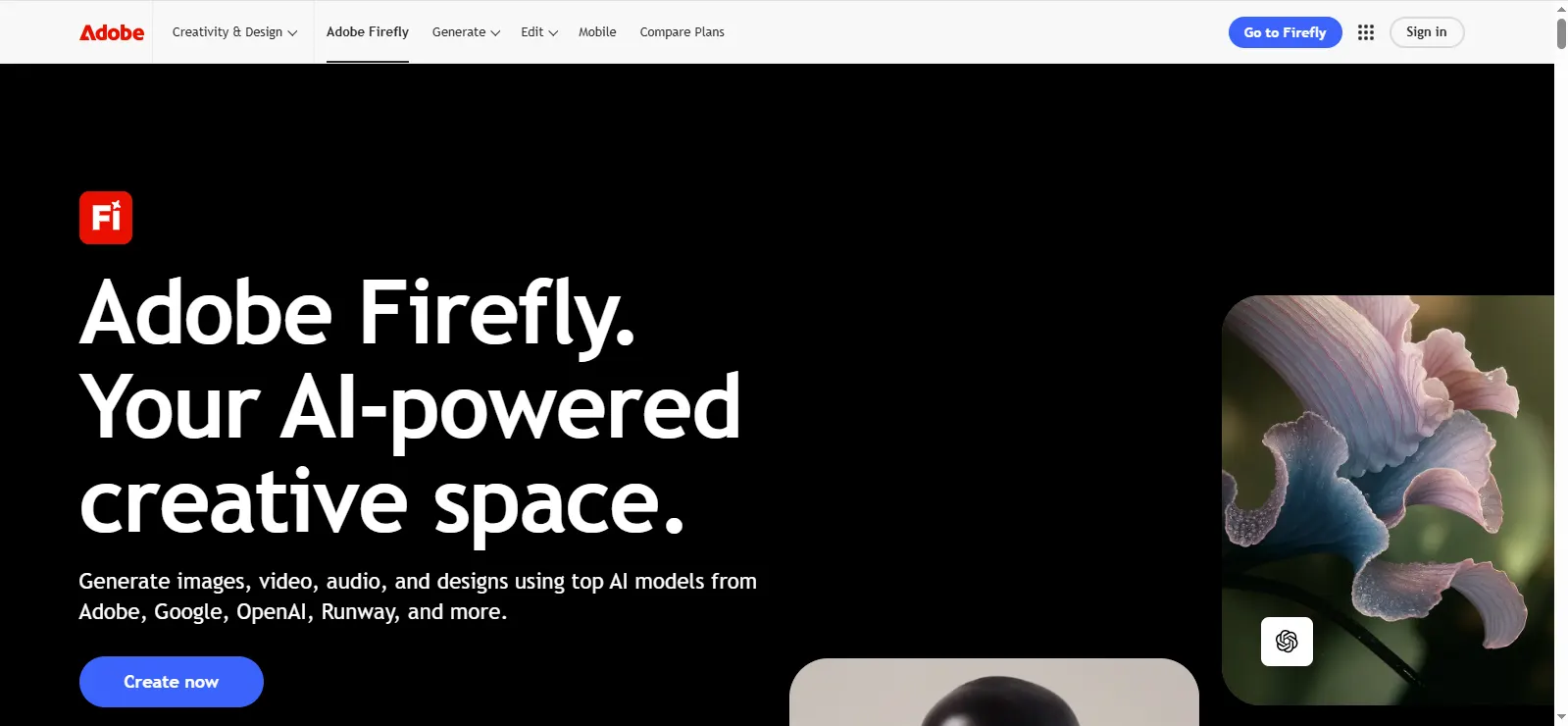
Adobe Firefly is designed specifically for professional and commercial design workflows. It integrates seamlessly with Adobe Photoshop and Illustrator, allowing users to combine AI image generation with traditional editing tools.
Firefly emphasizes brand safety and ethical training data, which makes it highly trusted for client work and paid advertising. Agencies and businesses prefer Firefly because it offers clear commercial licensing and consistent output quality. While creative freedom is more structured, the tool delivers reliability and legal confidence.
Key Features:
- Deep Adobe ecosystem integration
- Commercial-safe image generation
- Ethical training data focus
- Professional workflow support
Leonardo AI
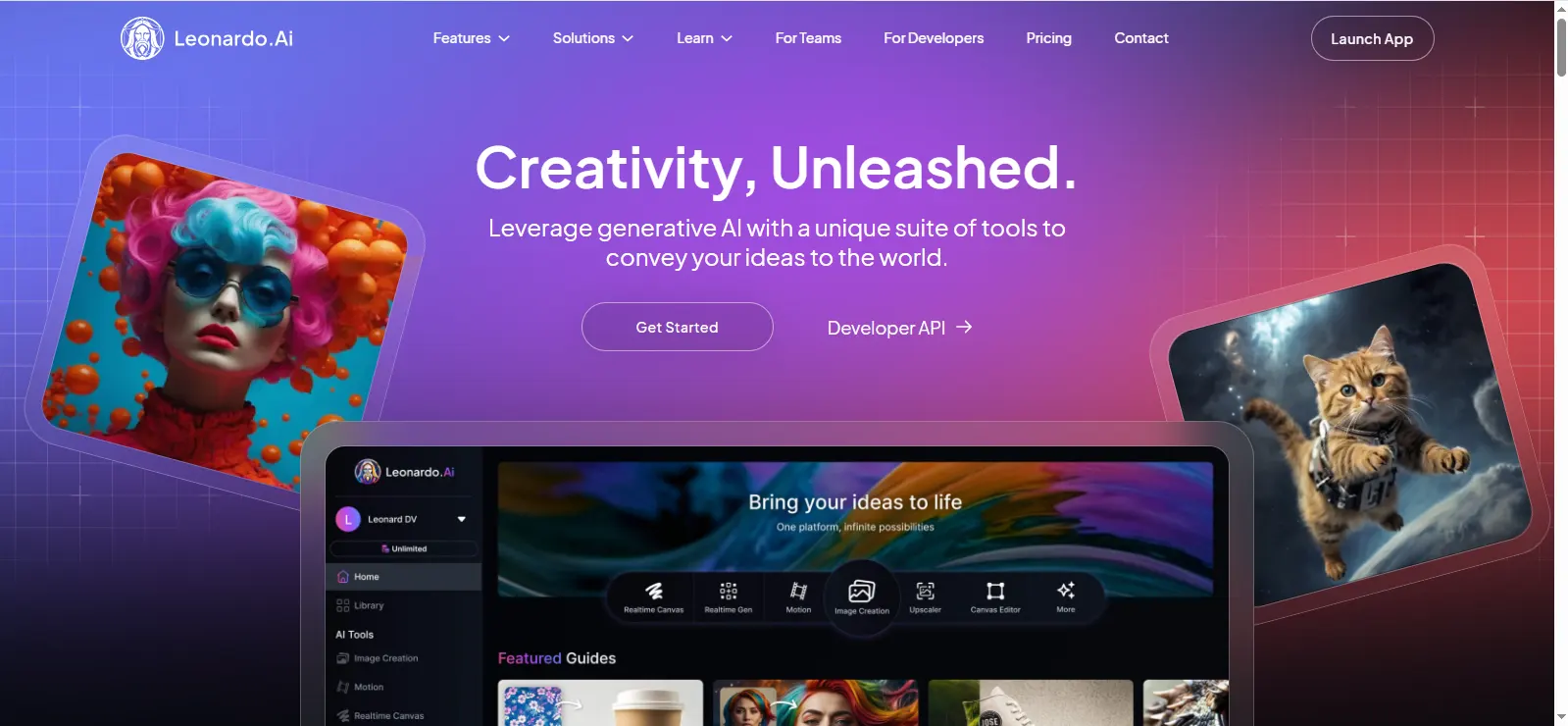
Leonardo AI specializes in high-detail image generation for game assets, product mockups, and concept designs. It allows users to train custom styles, ensuring visual consistency across multiple outputs.
Game developers and product designers often rely on Leonardo AI for repeatable, high-quality assets. The platform delivers sharp details, controlled compositions, and production-ready visuals. Although free access is limited, its advanced features provide excellent value for professional creators.
Key Features:
- High-detail asset generation
- Custom style training
- Consistent output quality
- Ideal for games and product design
How to Choose the Right AI Image Generator
Choosing the right AI image generator depends on your goals and workflow. Creative professionals often prefer artistic tools like Midjourney. Marketers and content teams benefit from fast and simple platforms like DALL·E.
Professional designers working with clients typically choose Adobe Firefly for commercial safety. Developers and advanced users gain flexibility from Stable Diffusion. Product designers and game creators rely on Leonardo AI for consistent, detailed assets.
Testing multiple tools before committing helps identify the best long-term solution.
Conclusion
The best AI image generator tools in 2026 have transformed visual content creation. They offer faster production, lower costs, and consistent image quality across digital platforms. From creative artwork to professional marketing visuals, AI tools now support nearly every use case.
By understanding how each AI image generator works, choosing the right tool becomes easier. As a result, your workflow improves and creativity grows faster. AI image generation is no longer optional. Today, it is a must-have skill for modern digital success.
Frequently Asked Questions (FAQs)
What is the best AI image generator in 2026?
The best AI image generator depends on what you need. Midjourney is great for artistic images. DALL·E works well for quick and simple visuals. Adobe Firefly is best for business and client work. Stable Diffusion suits advanced users who want more control.
Are AI image generators free to use?
Some AI image generators are free to try. Most free plans have limits on images or quality. Paid plans usually give better images and more features.
Can I use AI-generated images for business?
Yes, many AI tools allow business use. However, each tool has its own rules. Always check the license before using images for ads or clients.
How does an AI image generator work?
You write what you want to see in simple words. This includes the subject, style, and mood. The AI then creates an image based on your description.
Is AI image generation better than manual design?
AI image generation is faster and cheaper. Manual design gives more creative control. Many people use both together for the best results.
Which AI image generator is best for beginners?
DALL·E and Adobe Firefly are good for beginners. They are easy to use and give clean results. You do not need design skills to start.
Can AI image generators replace designers?
No, AI tools do not replace designers. They help designers work faster. Creative ideas and final decisions still come from humans.
Do I need technical skills to use AI image generators?
Most tools do not need technical skills. You can start by writing simple prompts. Advanced tools may need some learning, but beginners can still use basic features easily.