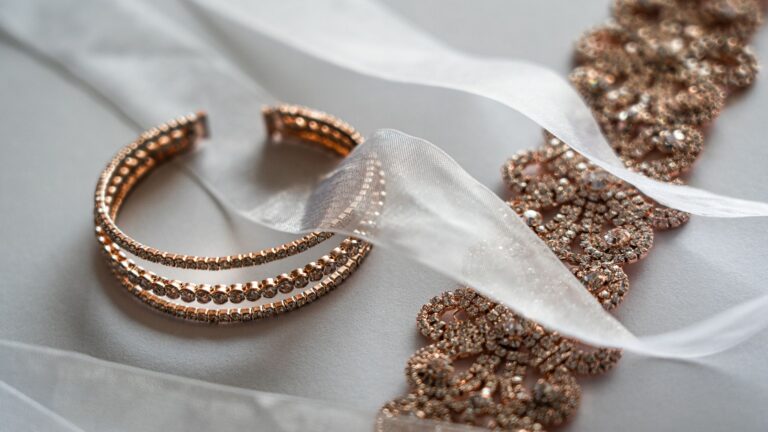
Jewelry photography is crucial for showcasing the beauty and details of each piece, especially when you’re shooting at home. With the right techniques and equipment, you can capture beautiful images that highlight every small detail and attract potential buyers. In this guide, we’ll share 10 best tips for jewelry photography at home, covering everything from camera settings to post-processing techniques.
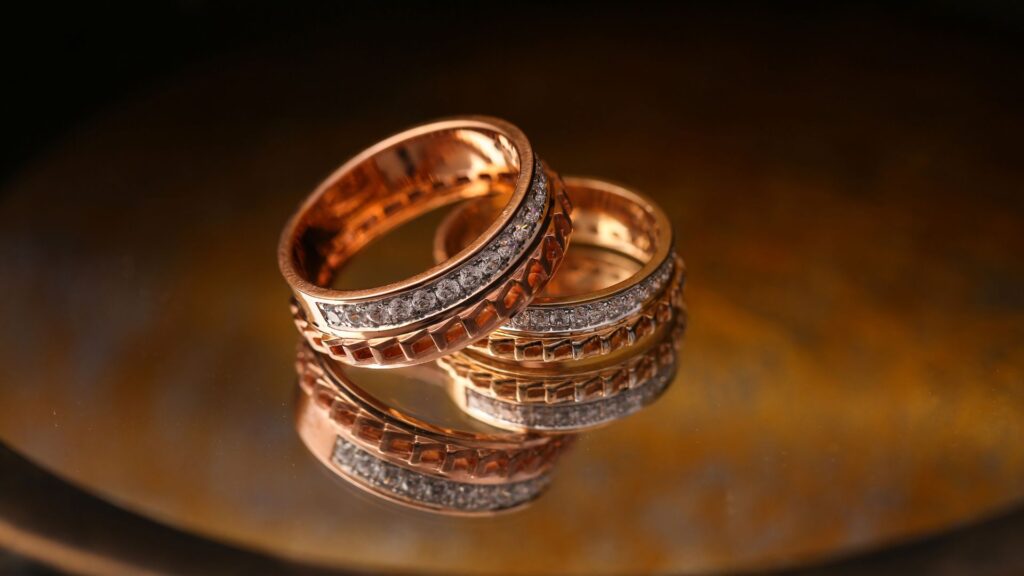
Lighting Techniques at Home
Use Natural Soft Light
Natural light is great for a Jewelry photoshoot at home. Place your jewelry near a window or shoot outside during the golden hour. This gives the jewelry soft, flattering light that enhances its sparkle and shine. Natural light brings out the true colors and details of the jewelry, making it look even better in photos.
Softbox Lighting
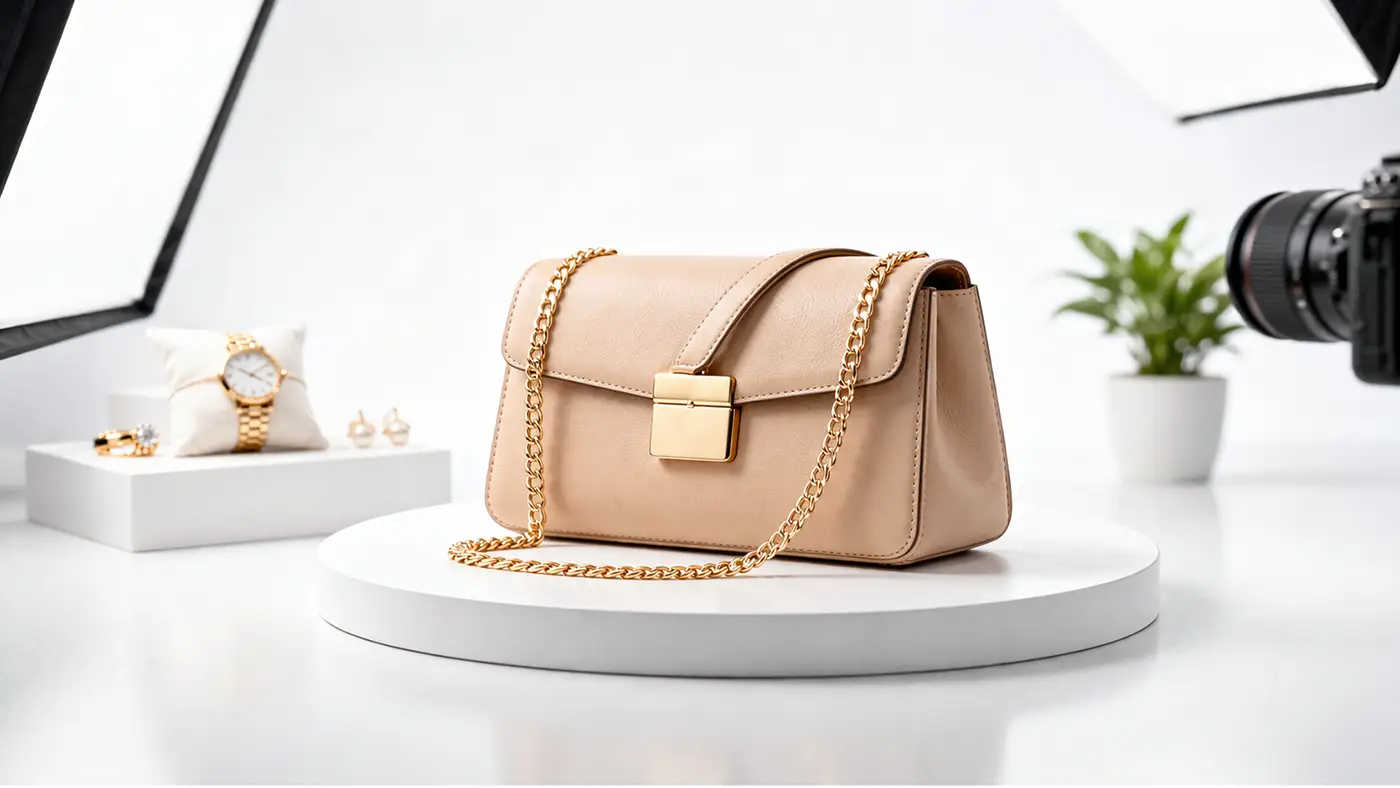
When natural light isn’t available, softbox lighting works perfectly indoors. It creates soft, controlled light that reduces harsh shadows and reflections. Adjust the softbox’s intensity and angle to match the unique features of the jewelry. This makes your jewelry photography at home look professional, even in low-light conditions.
Background Selection for Home Photography
Solid Color Backdrops
A simple, solid color backdrop like white, black, or neutral tones focuses the attention on the jewelry. Avoid busy or patterned backgrounds that can distract from the piece. Use seamless paper or fabric to create a clean and polished look for a jewelry photoshoot at home.
Textured Surfaces
For a more artistic touch, you can use textured surfaces like marble, wood, or fabric. These textures add depth and interest to the photos without taking attention away from the jewelry. Choose textures that complement the jewelry but don’t overpower it. This approach adds style to jewelry photography at home while keeping the jewelry as the main focus.
Photography Equipment and Gear at Home
Use Macro Lens
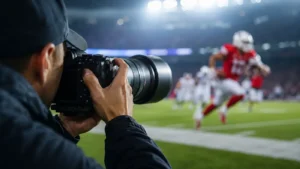
A macro lens is essential for capturing the fine details of jewelry. It allows you to take close-up shots of small features like engravings and facets. With a macro lens, you can showcase every tiny detail in sharp focus. It’s perfect for jewelry photography at home when you need to highlight the beauty of each piece.
Use a Tripod or Stabilizer
To avoid blurry pictures, use a tripod or stabilizer. This will keep your camera steady, ensuring clear and sharp photos. A tripod is especially useful when shooting jewelry in low light or using slow shutter speeds. Stability is key in jewelry photography to get the best results.
Camera Settings for Jewelry Product Photography
The right camera settings are important for home photography. Use a DSLR or mirrorless camera for full control over your shots. Set a low f-stop (around f/8) to make sure the whole jewelry piece is in focus. Use a slower shutter speed for better lighting but always use a tripod to avoid blurring. Keep the ISO between 100 and 400 to keep the image clear. Shooting in RAW format helps when you need to do further jewelry retouching.
Manage Reflections
Reflections can be tricky when shooting jewelry photography at home. Jewelry like rings or necklaces often reflects light, which can be distracting. To control reflections, place the jewelry carefully and use diffused lighting. A black cloth or polarizing filter can also help reduce glares. For the best results, consider using a photo editing service to fix any remaining reflections in post-production. Properly managing reflections ensures that your jewelry is the main focus in the final image.
Choose the Right Angle
Angles are important in jewelry photography at home. Try different angles to show off the best features of the jewelry. For rings, top-down shots often work best, while side shots can help show the jewelry’s depth. Playing around with angles will help you highlight the jewelry’s unique qualities. The right angle can also minimize reflections and shadows. If needed, jewelry retouching services can help enhance your photos by adjusting light or sharpness to make the jewelry pop.
Use Foam/Wax for Positioning
Positioning jewelry can be hard, but foam or wax can help. These materials keep the jewelry in place without affecting how it looks. Foam lets you gently mold pieces, and wax can hold lightweight items steady. This is a simple trick for stable shots during jewelry photography at home. It ensures your jewelry stays in position, preventing the need for retakes. If necessary, jewelry retouching services can help clean up any small marks left by foam or wax.
Set Manual Focus and Exposure
Manual focus and exposure are important for home photoshoot. Jewelry is often small, so autofocus might miss some details. Set your camera to manual focus to ensure everything is sharp and clear. Adjust manual exposure to get the right amount of light, avoiding overly bright or dark areas. These settings help capture the jewelry’s fine details and textures. If needed, photo editing services can help refine the exposure and lighting further.
Use Editing Apps
After taking your photos for jewelry photography at home, editing apps can help make your images look even better. Tools like Adobe Lightroom, Photoshop, or mobile apps like Snapseed are perfect for enhancing photos. You can adjust the brightness, contrast, and color balance to make sure the jewelry’s colors are accurate. Jewelry retouching services can also remove imperfections or add sparkle to your images. Editing apps are key to making your jewelry photos stand out and grab attention.
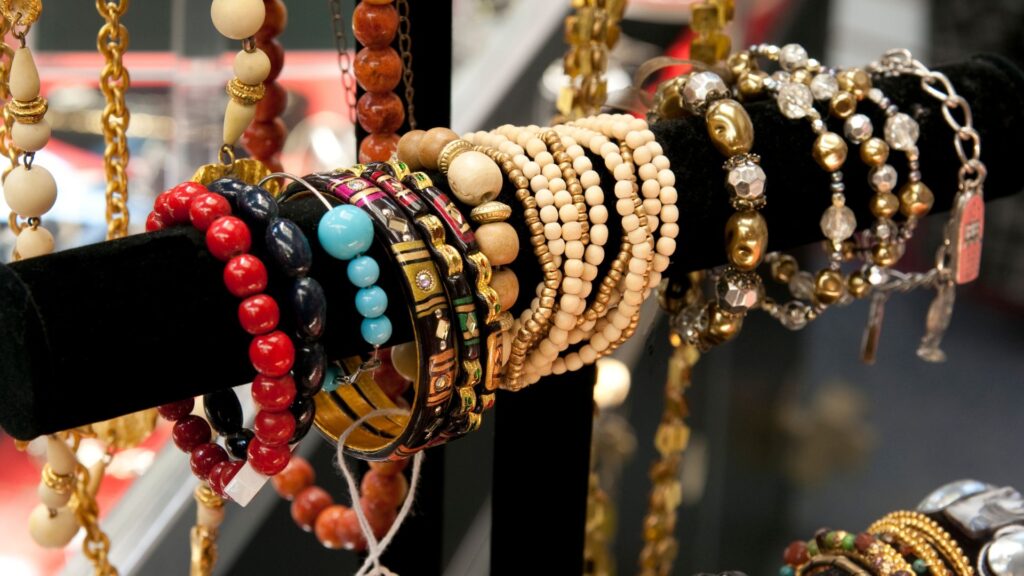
Post-Processing Techniques
Color Correction
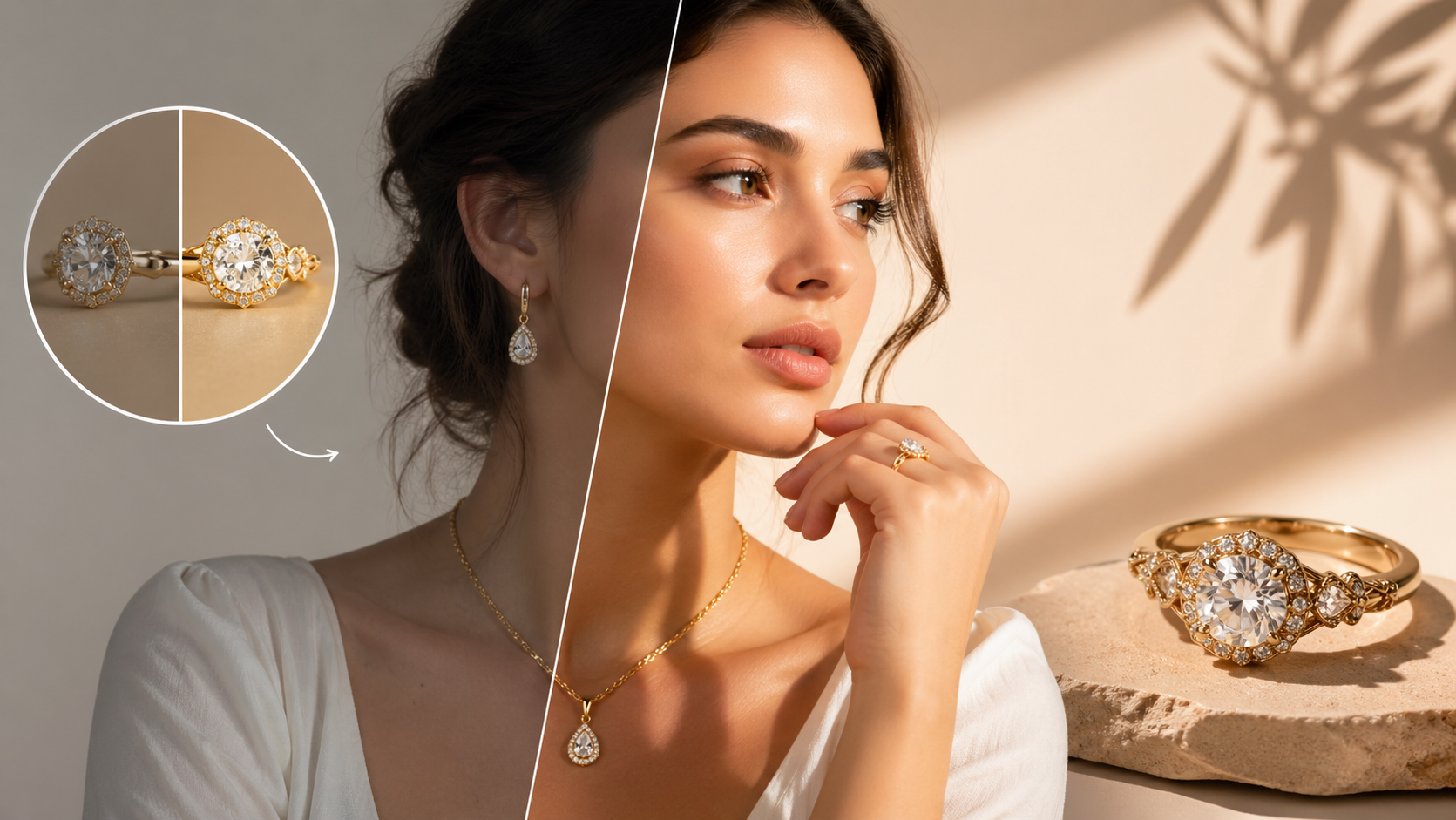
Color correction is a key part of jewelry photography at home. It ensures that the jewelry’s colors look true to life. Different lighting can change the colors of jewelry, especially with shiny metals or gemstones. By adjusting white balance, saturation, and contrast, you can bring back the jewelry’s real colors. Photo editing services can help fine-tune the colors, ensuring your jewelry looks its best.
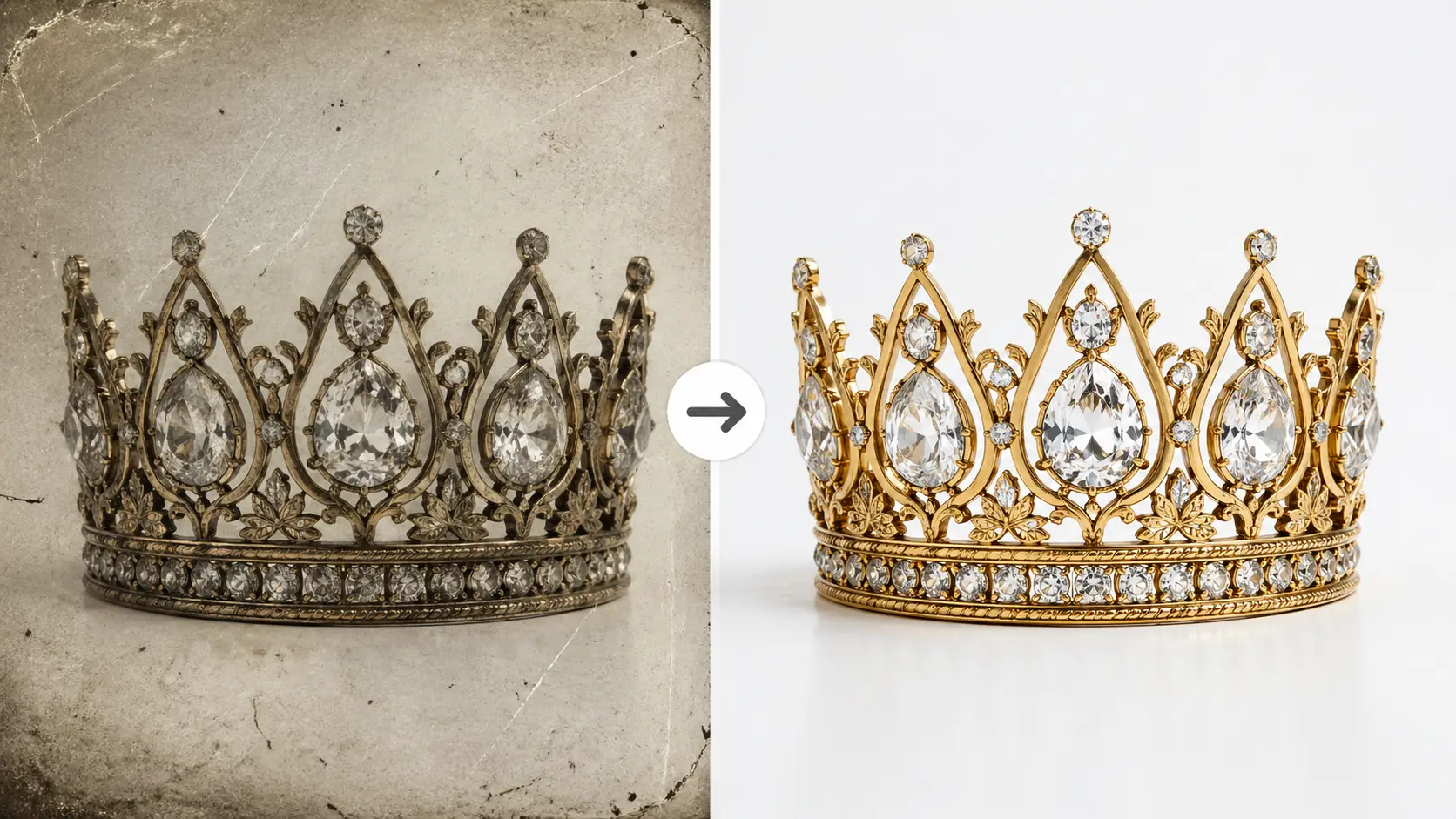
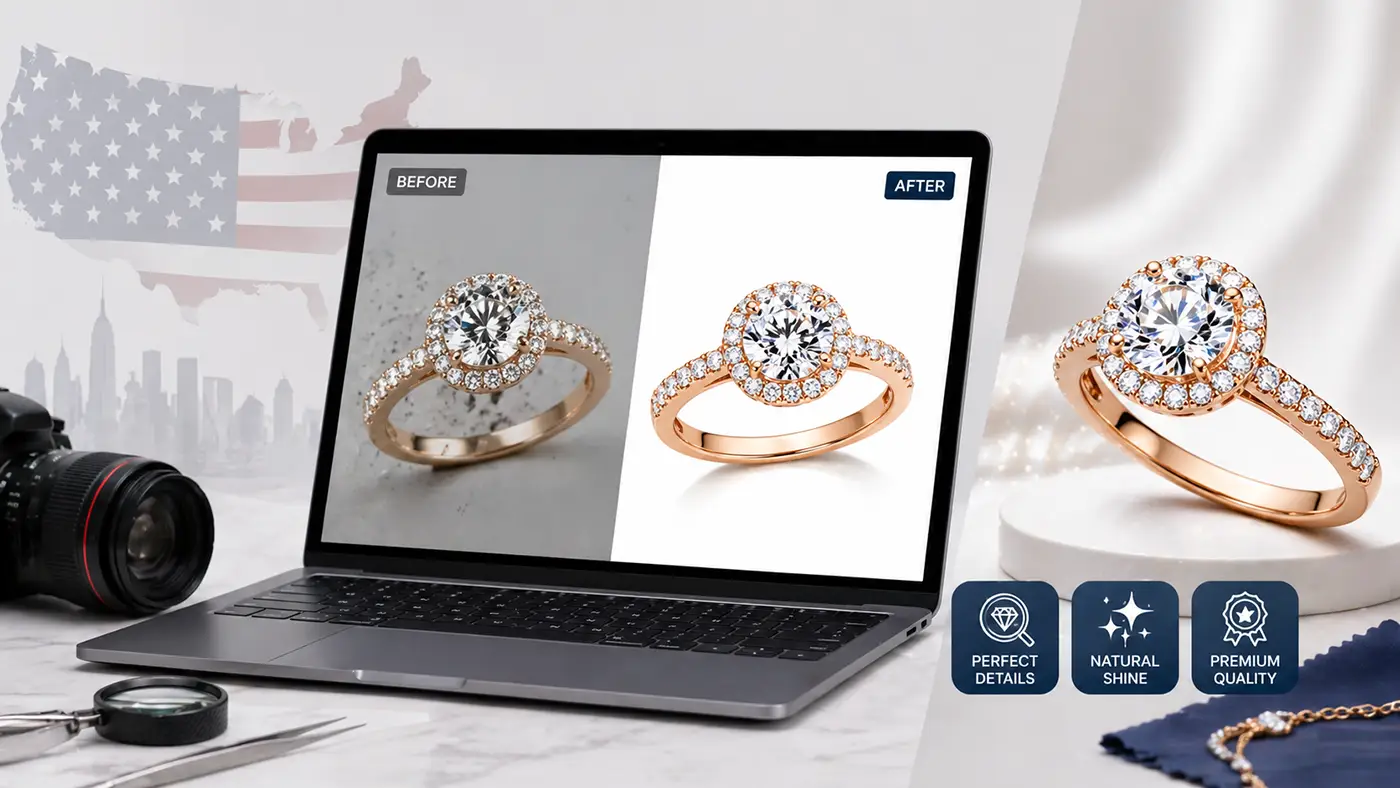
Jewelry Retouching
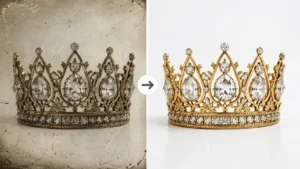
Jewelry Retouching is the final step in Home Jewelry Photography. This process removes imperfections like dust, fingerprints, or scratches. It can also enhance the jewelry’s shine and smooth out reflections. Jewelry retouching services make sure the jewelry looks perfect, with the right lighting, color, and detail. Retouching is what turns a good photo into a professional, polished image.
Conclusion
Creative jewelry photography is a powerful tool for capturing the allure and elegance of fine ornaments while engaging your audience on a visual and emotional level. By implementing the ten best tips outlined in this article, you can elevate your jewelry photography skills and create captivating images that leave a lasting impression.