Commercial jewelry photography is the art of capturing fine jewelry pieces with precision and creativity. Creative and high-quality jewelry photography is essential for building a strong brand presence and attracting customers in a large market like USA. Natural light, textured backgrounds, macro lenses, and post-production retouching help you to highlight fine details and craftsmanship. In this article, we’ll share essential tips, techniques, and step-by-step guidance on commercial photography jewelry.
Step-By-Step Guide to Capture Commercial Photography
Right Equipment Setup
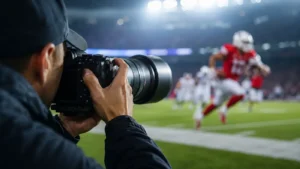
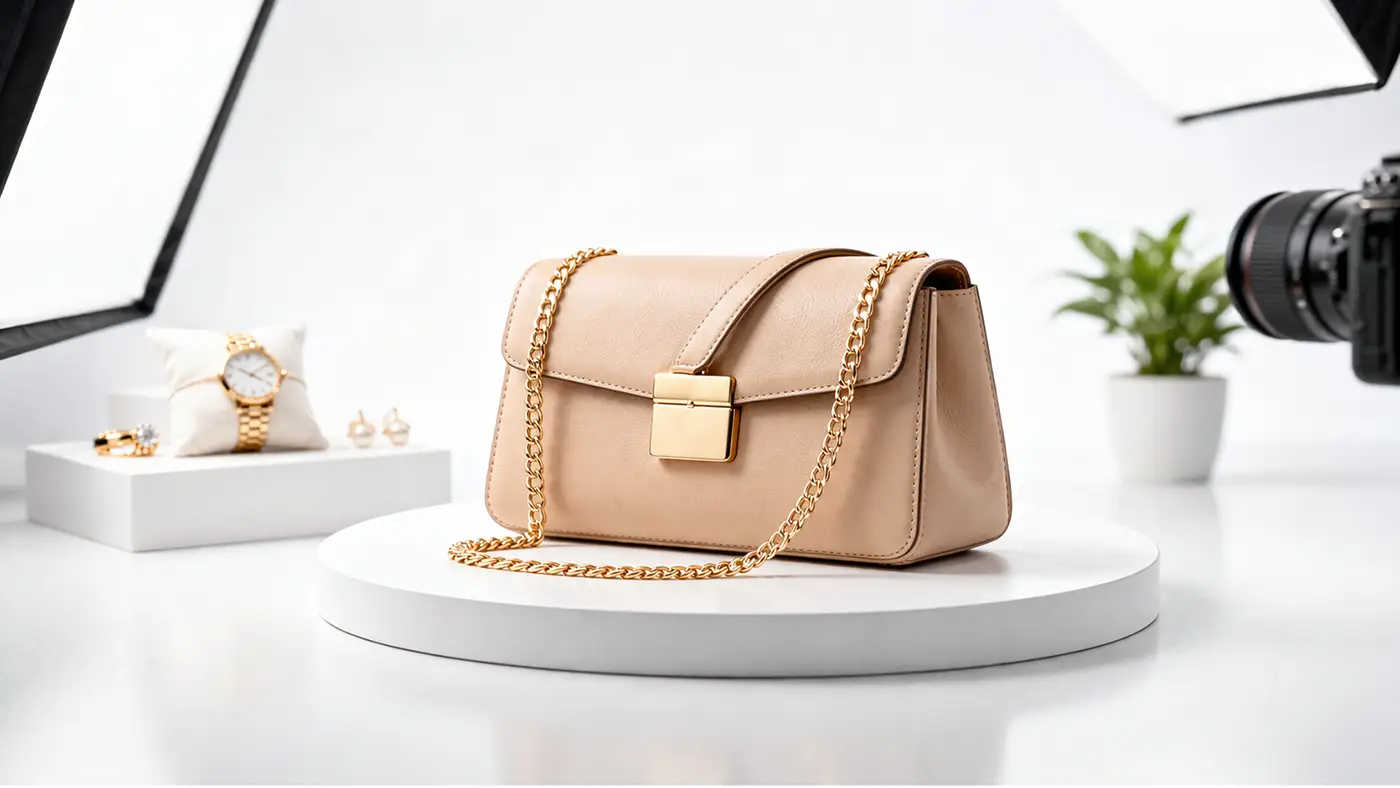
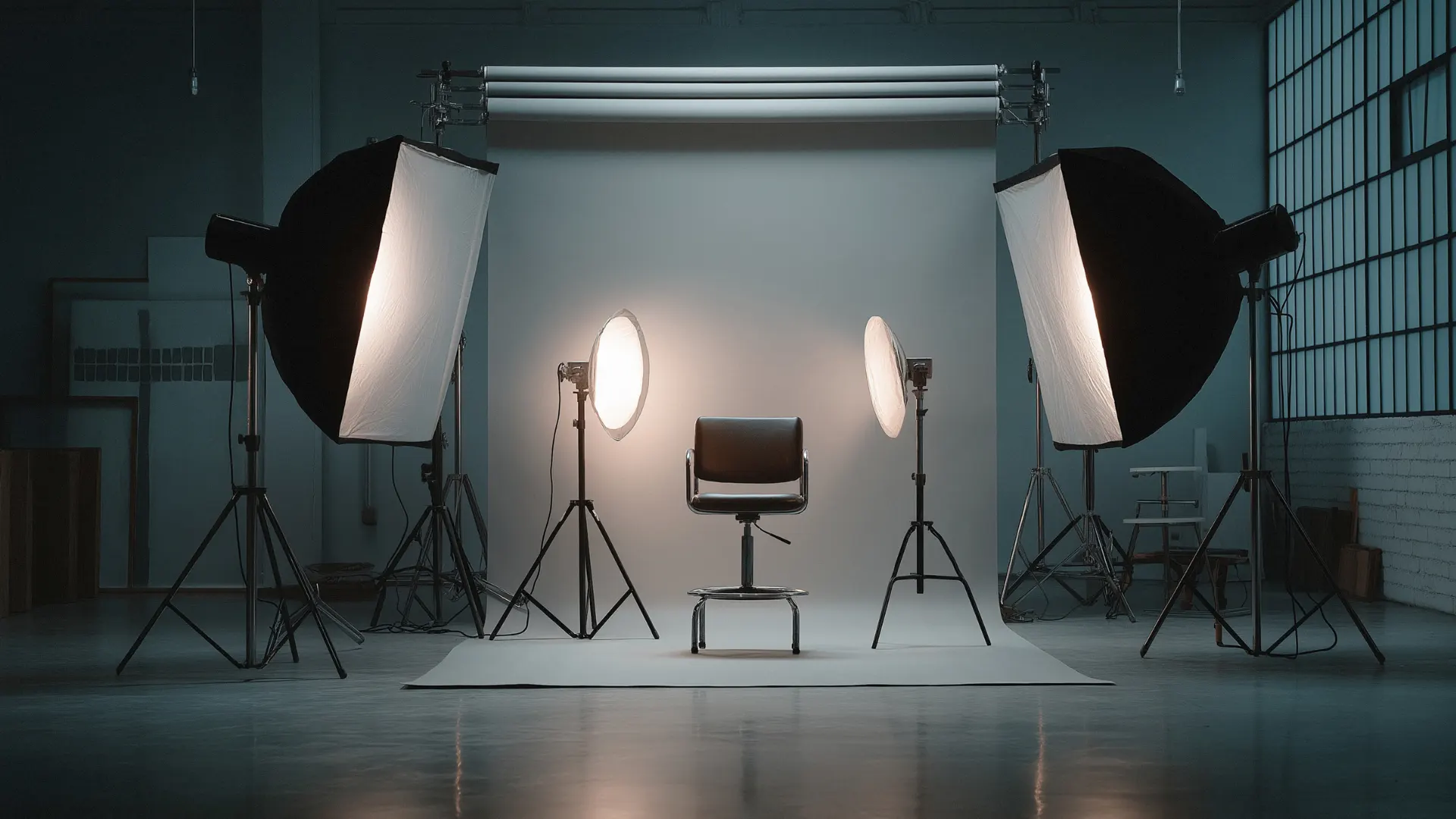
You need to choose a smartphone or a camera to capture high-quality images. A device can capture high-quality jewelry photos, but hand movement often causes blur. A tripod is essential equipment to ensure stability for better lighting and sparkle. Macro lenses are essential for capturing the fine details of jewelry, such as gemstone cuts, textures, etc. Macro lenses are perfect for e-commerce and social media for close-up shots. A lightbox or softbox ensures even illumination and enhances sparkle.
Focus on Lighting
Natural light is ideal for jewelry photography because it brings out true colors, fine details, and a soft, elegant glow. Shooting during early morning or late afternoon provides warm, diffused light, while reflectors or curtains help control shadows and glare. Photographers need to avoid harsh midday sunlight and use softer light sources for commercial jewelry photography. You can use LED panels or softboxes as continuous light sources for perfect highlights and shadows. Backlighting creates a soft, glowing outline that enhances the shape and highlights the natural transparency of gemstones.
Take Photos from Different Angles
A jewelry photographer needs to capture different angles, such as high, low, or eye level. Creative jewelry photographers explore unique perspectives such as overhead, upward, or Dutch angles to add depth and visual interest. A close-up shot can highlight details, textures, and gemstone cuts. Side / Profile shot shows the thickness, curve, or profile of rings, bracelets, and bangles.
Adjust camera settings
You set the ISO between 100-200 to maintain high image quality, minimize digital noise, and control the lighting. Use an aperture of f/11 to f/16 to keep the entire jewelry piece in focus, with f/16 to f/22 for even more depth. A professional uses a slow shutter speed (e.g., 1/60th or slower) to achieve proper exposure. Use manual focus to precisely control the sharpest point on the jewelry. Set the white balance to match your lighting to ensure accurate color representation for commercial jewelry photography
Post-production Service
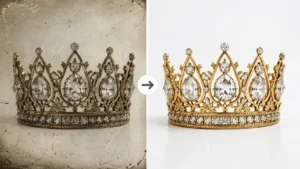
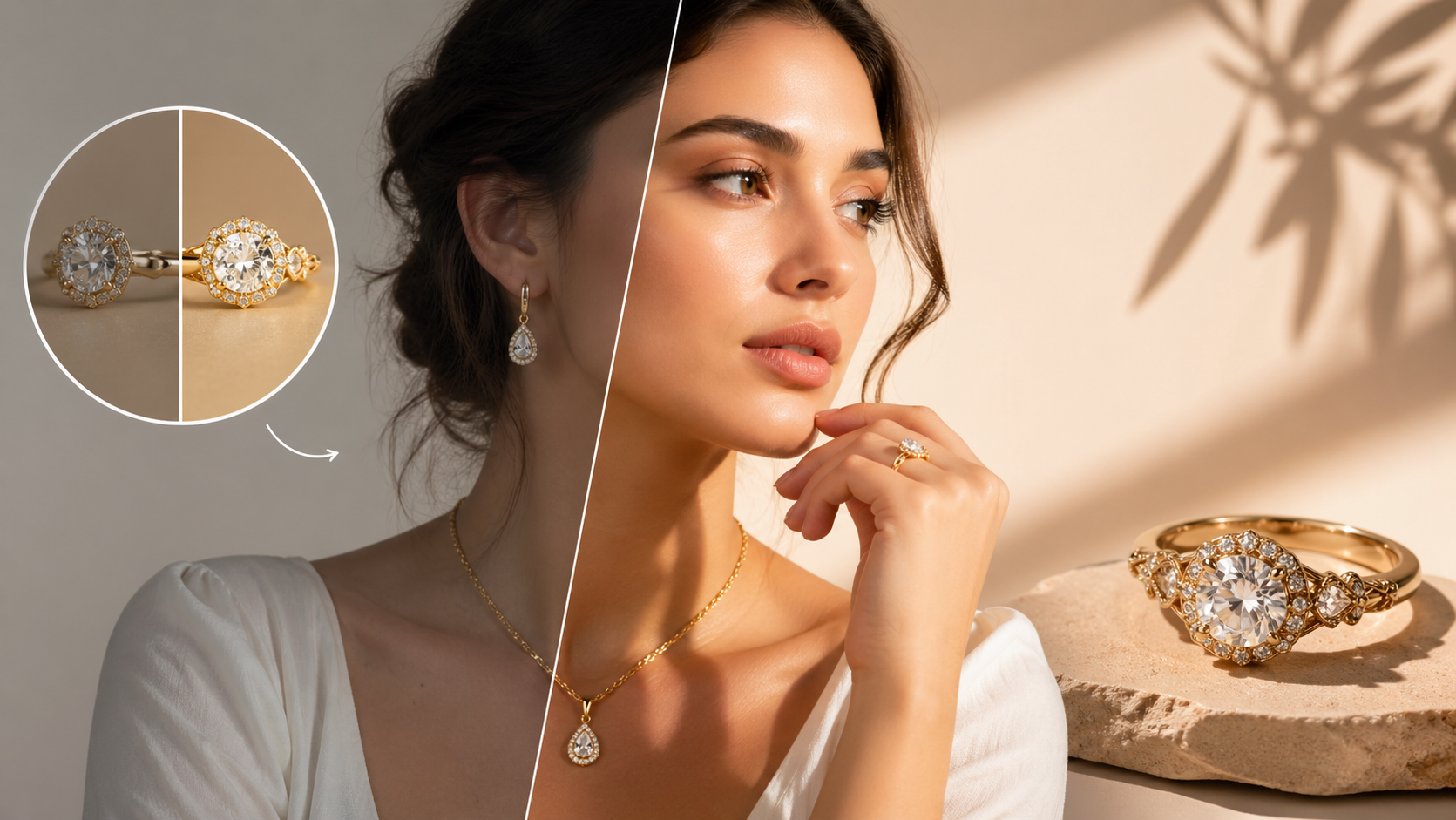
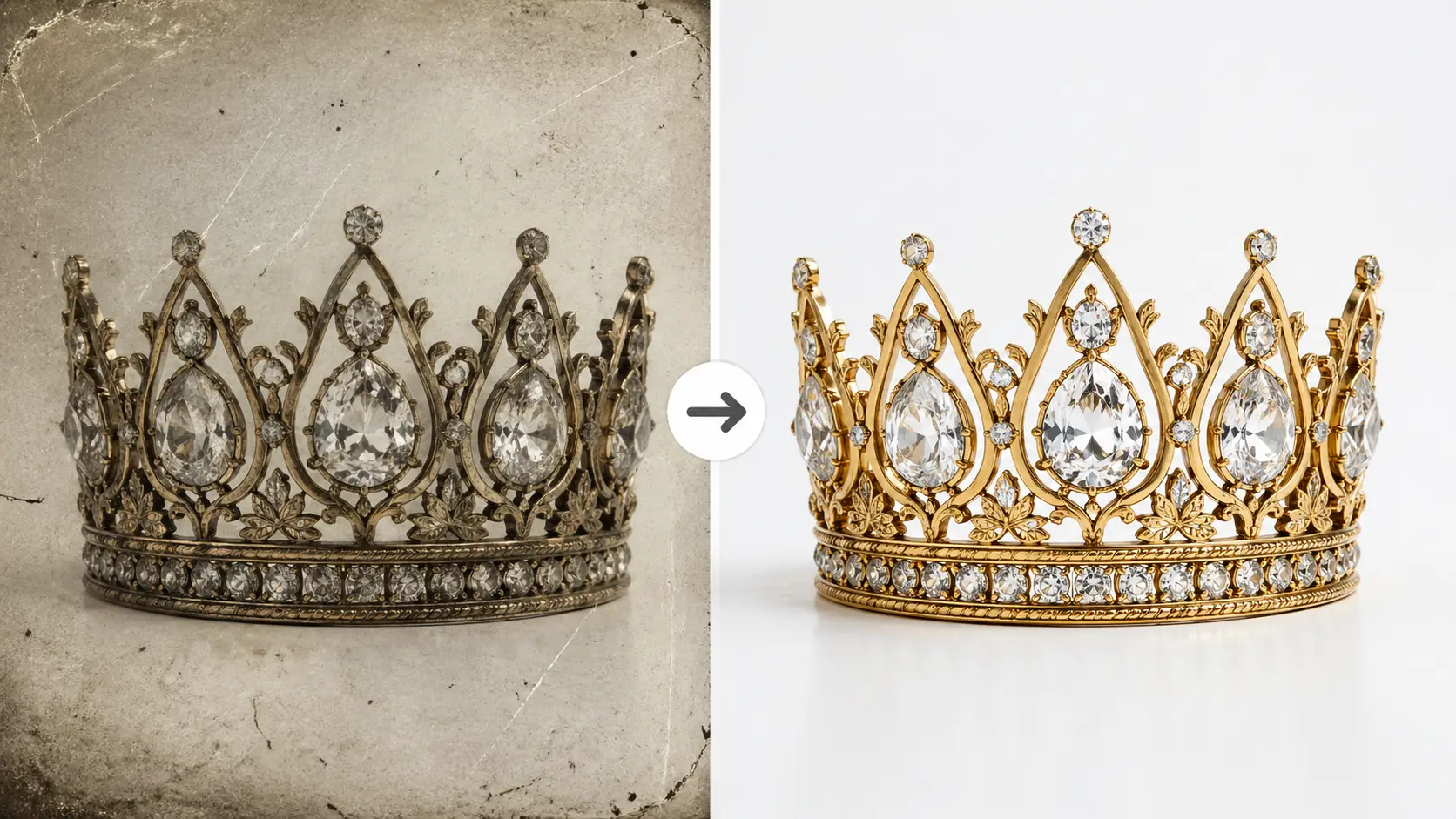
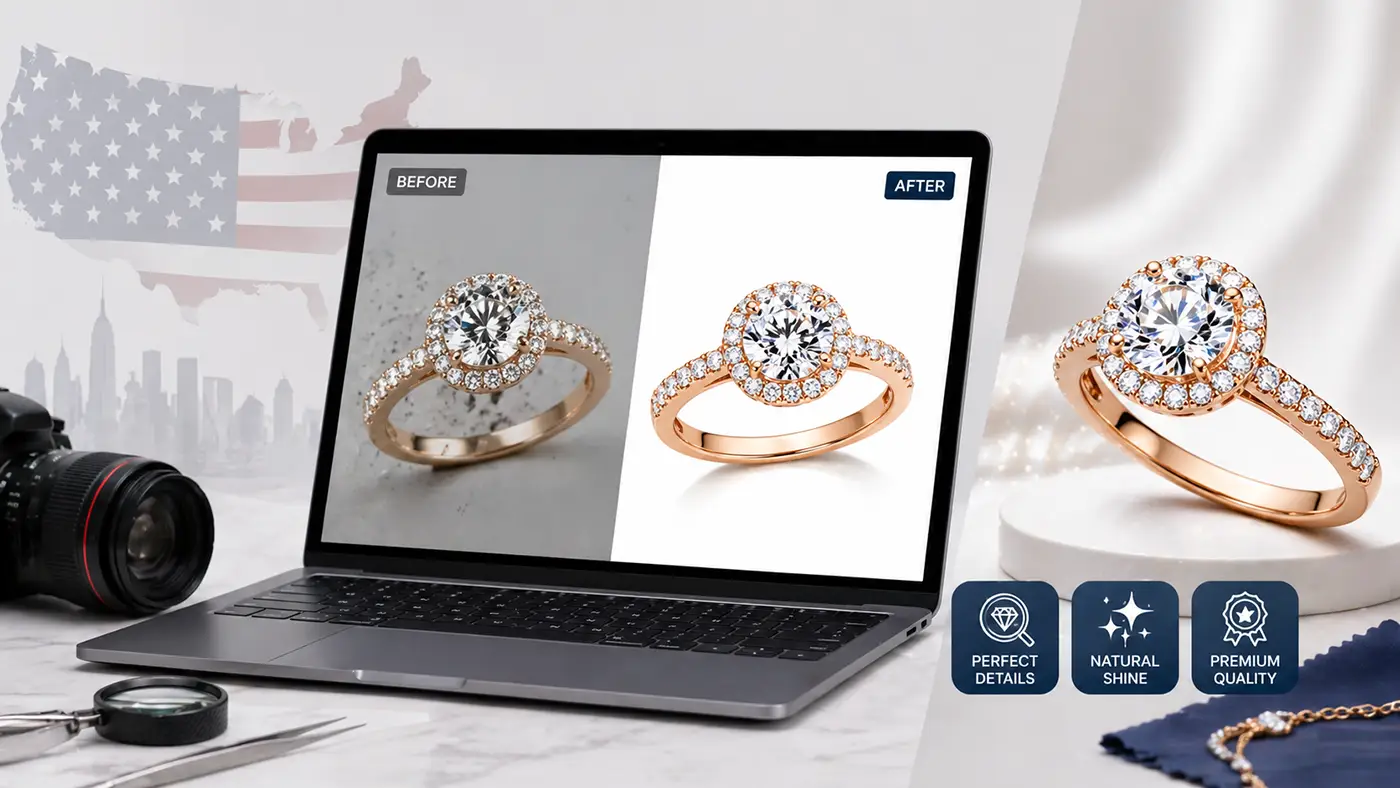
Exposure, white balance, or lens distortions can’t be fully controlled during shooting. Only post-production, like Jewelry retouching service, can correct exposure, white balance, or lens distortions. Editing service can create a ring light to reduce shadows and give jewelry a bright, polished appearance. This jewelry editing service can create shadows and make the background perfect. It creates a consistent and uniform appearance across all jewelry product images on USA ecommerce platforms.
Creative Ideas for Commercial Jewelry Photography
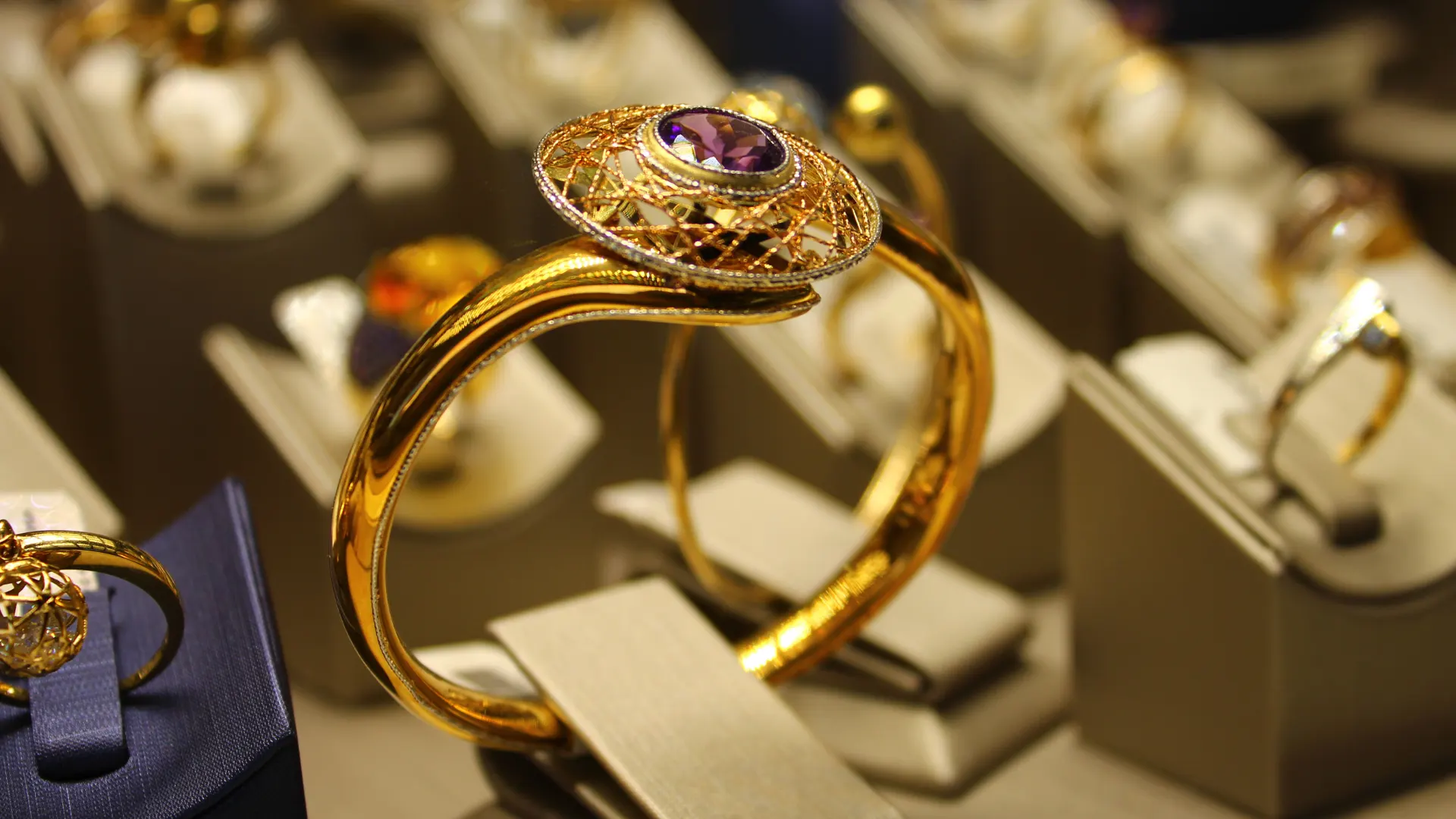
You can use creative elements like reflective surfaces, jewelry props, and textured backgrounds. These elements make your jewelry photographs visually appealing and ideal for showcasing on competitive e-commerce platforms like NewYork.
Reflective Surfaces
Glass: Produces a subtle, clean reflection that adds elegance and clarity to jewelry shots.
Acrylic / Plexiglass: Creates sharp, high-contrast reflections, ideal for professional product catalogs.
Mirror: Offers bold, dramatic reflections that add depth and a luxury feel to jewelry images.
Polished Metal: Adds a rich, metallic shine, enhancing the brilliance of gold, silver, and platinum pieces.
Glossy Surfaces: Provides gentle reflections that complement lifestyle and editorial-style photography.
Water / Liquid Surfaces: Creates artistic and creative reflections with shimmering or abstract effects.
Colored Acrylic Sheets / Gels: Produce vibrant, colored reflections for mood-driven or creative campaigns.
Common Jewelry Props
Natural Props: Natural props are the essential jewelry props for photography. These props, such as flowers, leaves, wood, rocks, and shells, add texture, color, and an organic feel to jewelry photography.
Fabric Props: Soft fabrics like velvet or silk create a luxurious and elegant setting for jewelry. Textured fabrics such as linen or cotton provide a casual, natural look for lifestyle shots. Ribbons or lace add decorative elements and enhance the femininity of jewelry compositions.
Lifestyle / Storytelling Props: Candles and soft lights create warm tones, enhancing a romantic and lifestyle atmosphere. Boxes and jewelry holders elevate the pieces, providing a professional and polished presentation.
Textured Backgrounds:
Wooden textures add warmth and a natural, rustic feel, perfect for earthy or vintage pieces. Stone or concrete surfaces offer a modern, minimalistic backdrop for commercial jewelry photography. Leather backgrounds provide a sleek and sophisticated texture for high-end jewelry. Textured paper or cardstock adds subtle depth for creative or artistic shots.
Commercial Jewelry Model Photography
A model introduces a lively human aspect to creative jewelry photography ideas. Instead of displaying items alone, model photos exhibit how the jewelry appears in actuality—on ears, fingers, or around the neck.
This method adds emotive depth and relatability to commercial jewelry photography. Viewers can picture themselves wearing the items, which considerably boosts desirability as well as purchase confidence. It also aids in showing the real size and fit of the jewelry.
Choose models that embody the demographic of your best customers. Their age, skin, gender, and overall look should reflect your target customer. Have them pose naturally, in a way that doesn’t look overly professional. For example, close shots of hands with rings or necklines with pendants can clearly show off designs.
Jewelry model photography is also best for lifestyle content and ad campaigns. It can boost click-through rates, especially on sites like Instagram and Facebook, where telling a story with visuals helps get more clicks.
Use the Appropriate Camera for Jewelry Photography
Choosing the best camera for jewelry photography is one of the important factors in jewelry image taking. You should know which features make a camera suitable for your jewelry photography needs. A high-quality image sensor, preferably full-frame, with greater dynamic range and minimal noise. The camera’s strong low-light performance is essential for capturing clear, sharp images without unwanted noise. A high-resolution camera is essential for capturing intricate details without losing image quality. Accurate color reproduction and a wide dynamic range are essential for commercial jewelry photography.
The Sony A7R V is an excellent choice for jewelry photography in 2025, offering a 61-megapixel full-frame sensor, high resolution, and exceptional low-light performance. Its advanced autofocus and high ISO capabilities ensure sharp, detailed images with well-balanced highlights and shadows, even in dimly lit rooms.
The Canon EOS R5 is a top choice for jewelry photography, featuring a 45-megapixel full-frame sensor. Its strong low-light performance and wide lens compatibility make it ideal for capturing natural, vivid jewelry photography shots in any lighting condition.
The Nikon D850 is ideal for jewelry photography because its 45.7 MP and perfect for perfect for showing intricate designs and texture. Its excellent dynamic range and color accuracy ensure metals and gemstones appear true to life.
A high‑resolution mirrorless camera with outstanding dynamic range and sharpness. It is a great camera for capturing fine jewelry details across the frame.
Canon EOS 5D Mark IV is a professional DSLR with strong resolution and autofocus, well‑suited for jewelry shoots.

Consider the Depth of the Field
DOF is an acronym for depth of field and is a photographic technique that controls what part of the picture is sharp. Commercial jewelry photography can make a big difference in how the piece looks. Usually, the shallow depth of field is preferred for the close-up shooting of jewelry; it will isolate the object and create a nice bokeh effect in the background.
Use a wide aperture (lower f-stop number) to blur the background and keep the focus entirely on the creative jewelry photography ideas. This will help to bring out the details, textures, and craftsmanship of the piece right against a very unobtrusive background.
Depth of field also affects the amount of light that strikes the jewelry as well as how reflections and highlights are rendered. For example, a shallower depth of field can be used to help soften harsh reflections on shiny surfaces.

Create a Meaningful Combination of Jewelry Pieces
When you shoot several creative jewelry photography ideas together, you need to create a look that reads as purposeful and cohesive. Composing them as bracelets, necklaces, earrings, or rings makes for a really nice visual story.
Make sure that each one plays off the others in style, color, or size. For instance, juxtaposing a thick bracelet with thin earrings can develop more contrast and interest in the eye. So it goes with rings – stacks of varying size and style contribute to the texture of the image.
While these are things, a single set of a catalog of images would be a much more complete total view of the assortment. Customers will be more apt to buy it when they can see a complete look rather than individual pieces in separate photographs.
Common Jewelry Photography Mistakes
Commercial jewelry photography is all about capturing the beauty, sparkle, and craftsmanship of each piece. You should avoid some common mistakes to achieve a perfect jewelry photograph.
Reflections and Avoiding Unwanted Glare
Reflections and glare in jewelry photography can enhance shine but may also distract from the details. To manage them, use diffused lighting, avoid direct light, and consider polarizing filters to control unwanted bright spots. Proper lighting placement ensures the true color, clarity, and sparkle of metals and gemstones are accurately captured.
Cleaning the Jewelry
Cleaning jewelry before photography is essential to ensure every detail appears flawless and dust- or smudge-free. Use a soft microfiber cloth for fingerprints and oils, and consider mild soap or jewelry cleaners for deep cleaning, especially around clasps, prongs, and gemstones. Proper cleaning not only improves image quality but also reduces post-processing time, making editing faster and easier.
Focus on Clarity in Jewelry
Clarity is crucial in jewelry photography to capture intricate details like gemstone cuts, engravings, and settings sharply. Using a tripod ensures stability, while carefully adjusting the aperture helps maintain optimal focus and depth of field, keeping the entire piece crisp and clear.
Choose the Perfect Backgrounds
In jewelry photography, simplicity is key—avoid overcrowding the frame with too many props or complex compositions. Use plain backgrounds, minimal props, and clean lines to keep the focus on the jewelry’s texture, color, and design. Leaving blank space enhances clarity, balance, and visual appeal, making the piece stand out effectively.
Don’t Overload the Frame
In jewelry photography, simplicity is key—avoid overcrowding the shot with unnecessary props or complex backgrounds that distract from the piece. The frame should be clean and focused; your jewelry appears more beautiful, realistic, and visually striking.
Avoid Overediting Retouching
Overediting can make jewelry look unnatural and reduce its authentic appeal. The retoucher should focus on details and maintain the true color, texture, and brilliance of each piece.
Final Creative Jewelry Photography Ideas for 2025
Creative jewelry photography ideas are more essential than ever for standing out in a highly visual and competitive market. Jewelry buyers today expect more than standard product images—they seek inspiration, lifestyle relevance, and emotional connection through visuals. Commercial jewelry photography needs natural light, brand-focused themes, macro lenses, and professional retouching to create stunning final images.
Avoiding common mistakes like poor lighting, distracting backgrounds, or inconsistent image styles is just as important as embracing new creative approaches. A polished and imaginative photo can speak volumes about your craftsmanship and brand identity.
Ultimately, successful creative jewelry photography depends on finding the right balance between artistic creativity and technical precision. Whether you’re a seasoned brand or just starting, adapting to these evolving trends will not only enhance your product presentation but also build trust, boost engagement, and drive sales in the digital age.