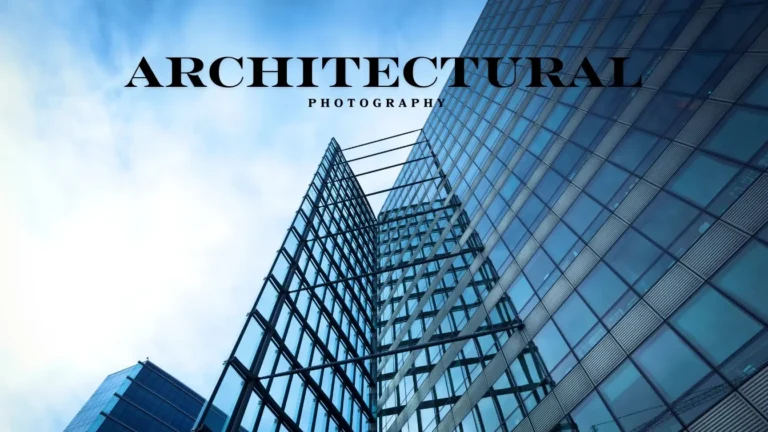
Taking pictures of buildings and interiors can be creative and exciting. A compact camera for architectural photography is perfect for this. It is small, light, and easy to carry. Yet, it can capture high-quality photos of homes, offices, and city buildings. These cameras are great for interior design photography, commercial building photography, and even abstract architectural photography. If you want a camera that works well but is easy to handle, a compact camera is the right choice.
Why Choose a Compact Camera for Architecture?
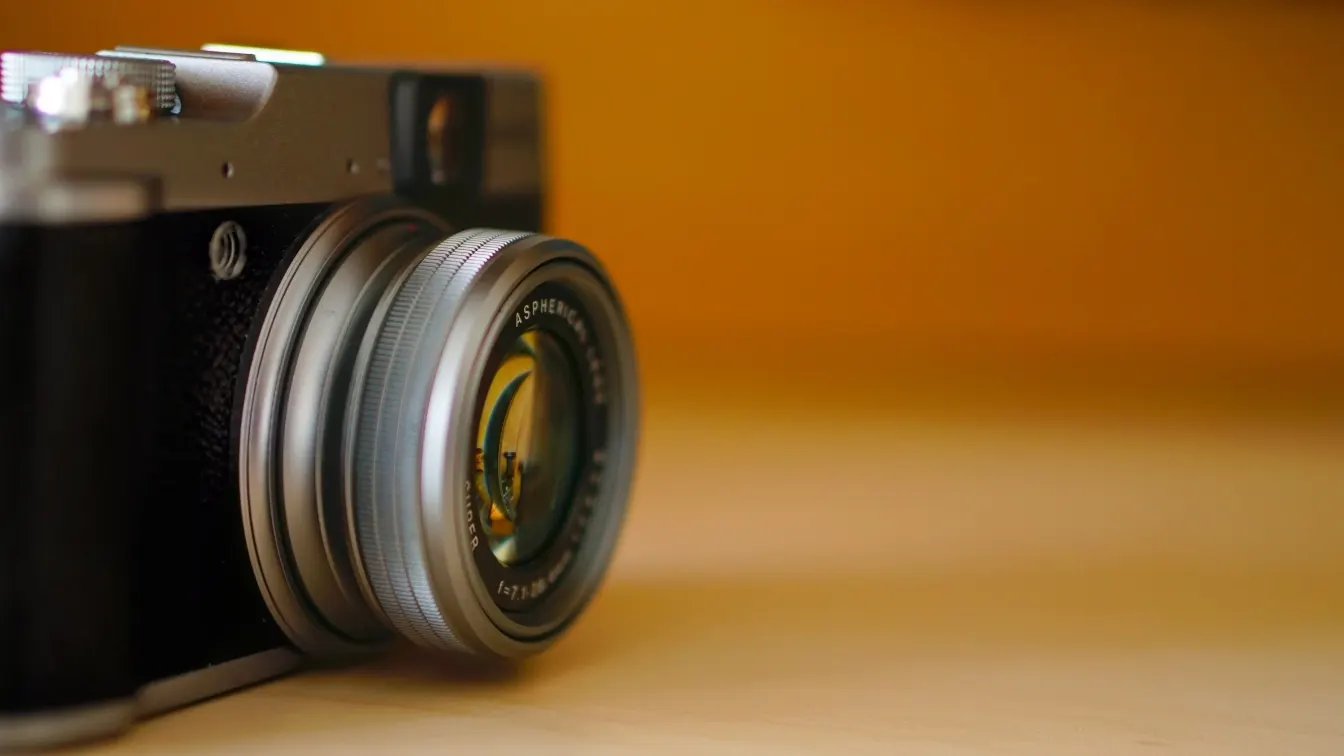
Architectural photography needs attention to details, shapes, and lines. A compact camera for architectural photography is small and easy to carry, yet still delivers sharp, professional-looking photos. It allows photographers to capture interiors, exteriors, and abstract designs without heavy gear. Professionals in interior design photography, commercial building photography, and fine art architectural photography often prefer compact cameras. They combine portability, high-quality lenses, and advanced sensors, making it easy to shoot both on-site and while traveling.
Portability and Convenience
Big cameras can be heavy and hard to carry around, especially when exploring buildings or city streets. A compact camera is light and fits in a small bag or backpack. You can move freely between rooms, streets, or construction sites without getting tired. Interior design photographers and commercial architectural photographers like it because they can set up quickly and capture the perfect angle. With compact cameras, you can explore urban spaces and still take professional-looking photos without bulky gear slowing you down.
High Image Quality in Small Packages
Even though compact cameras are small, they can produce high-quality, detailed images. The fujifilm x100vi and sony rx100vii capture sharp photos that show textures, materials, and lines clearly. They work well for interior architecture photography, commercial building photography, and abstract building photography. Professionals, including architectural digest photographers and photographers for interior design, can rely on these cameras for fine art architectural photography. Compact cameras let you take excellent shots while keeping your gear light and easy to handle.
Flexible for Travel and Site Visits
A compact camera is ideal for traveling or visiting buildings. It fits in a backpack or small bag, ready for quick photo opportunities. Interior design photographers near me like compact cameras because they allow fast adjustments on site. You can photograph buildings, streets, rooms, and abstract designs without setting up heavy equipment. The flexibility of compact cameras allows photographers to experiment with angles, try new perspectives, and capture professional-quality photos anywhere, making them suitable for both beginners and professionals.
Key Features to Look for in Architectural Photography Cameras
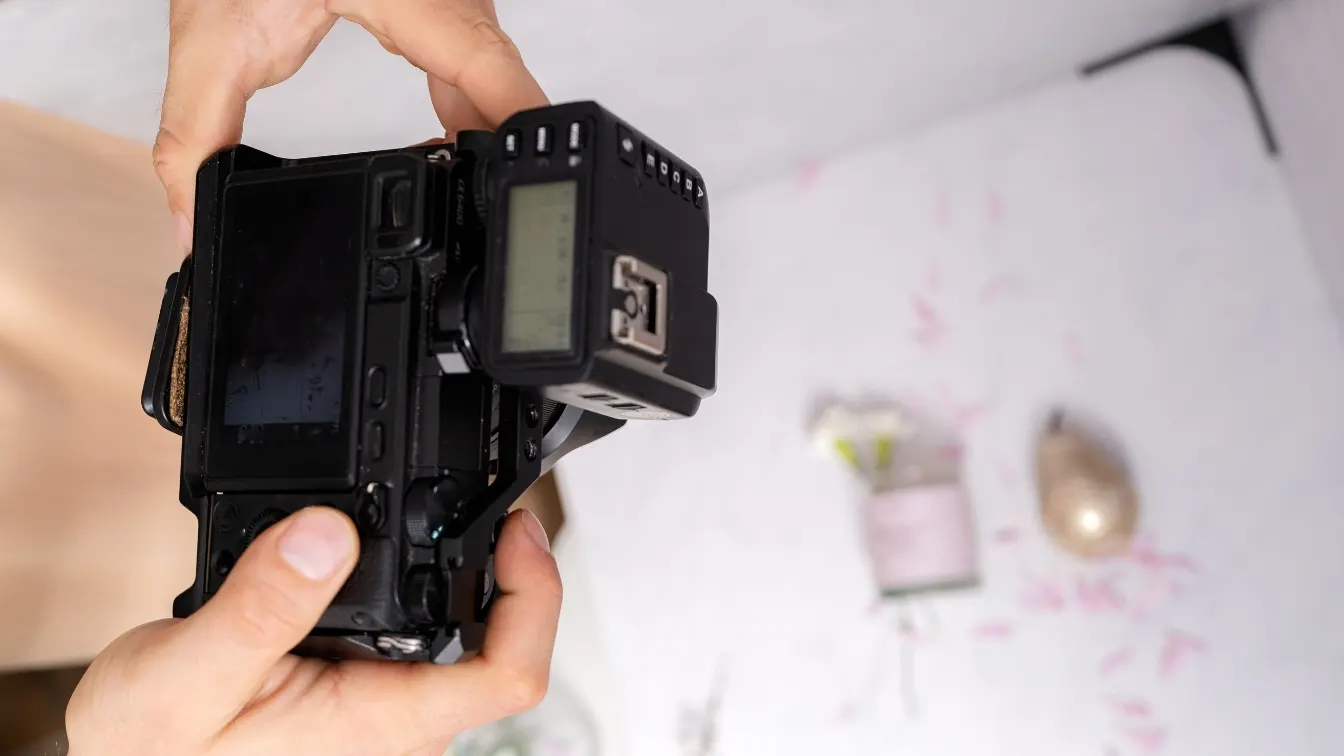
Choosing the right compact camera for architectural photography makes a big difference in results. Certain features improve clarity, sharpness, and overall image quality. These include lens capability, resolution, distortion control, manual settings, and image stabilization. Understanding these features helps both beginners and professional architectural photographers get the best results.
Wide-Angle Lens
A wide-angle lens is very important in architectural photography. It allows photographers to capture entire buildings or small rooms in one frame. The ricoh gr iiix is known for excellent wide-angle shots. Using a wide-angle lens ensures interiors, commercial buildings, and abstract architectural photography projects show the full structure. It helps maintain straight lines and accurate proportions. Whether shooting abstract building photography, residential architecture photography, or commercial architectural photography, a wide-angle lens is essential to create professional, visually appealing photos.
High-Resolution Sensor
High-resolution sensors capture every detail of a building, room, or structure. The fujifilm x100vi photography has a sensor that produces crisp, high-quality images. This is important for interior design photography pricing clients or fine art architectural photography prints. With high resolution, you can crop images or print large photos without losing quality. Textures, patterns, and building lines remain sharp and professional. A high-resolution sensor is essential for architectural and interior photography projects, giving every image clarity and detail.
Low Distortion and Sharpness
Wide-angle lenses sometimes bend straight lines, making buildings look distorted. The ricoh gr iii x is designed to reduce distortion while keeping images sharp. Sharp images make architectural photography, interior design photography, and abstract building photography look clean and professional. For commercial architectural photography or interior architecture photography, low distortion ensures walls, columns, and building lines remain accurate. Professional architectural photographers, including architectural digest photographers, depend on this feature for precise, professional-quality photos.
Manual Controls and RAW Support
Manual controls allow photographers to adjust shutter speed, aperture, and ISO. RAW support preserves all image details for editing. The sony cyber shot dsc rx100 vii provides both features, allowing precise control even in tricky lighting. Architectural digest photographers, commercial architectural photographers, and interior design photographers rely on these controls for professional results. Manual adjustments let photographers capture textures, light, and shadows exactly as intended. RAW files also make post-processing easier, producing stunning interior architecture photography and abstract photography architecture images.
Image Stabilization
Shooting indoors or at night can cause blurry photos if the camera moves. A sony compact camera with image stabilization helps keep images sharp. This is useful for night architecture photography, fine art architectural photography, and commercial building photography. Image stabilization lets photographers shoot handheld in low light without a tripod. Professionals use it for interior architecture photography or residential architecture photography, ensuring even challenging lighting conditions do not affect the image quality.
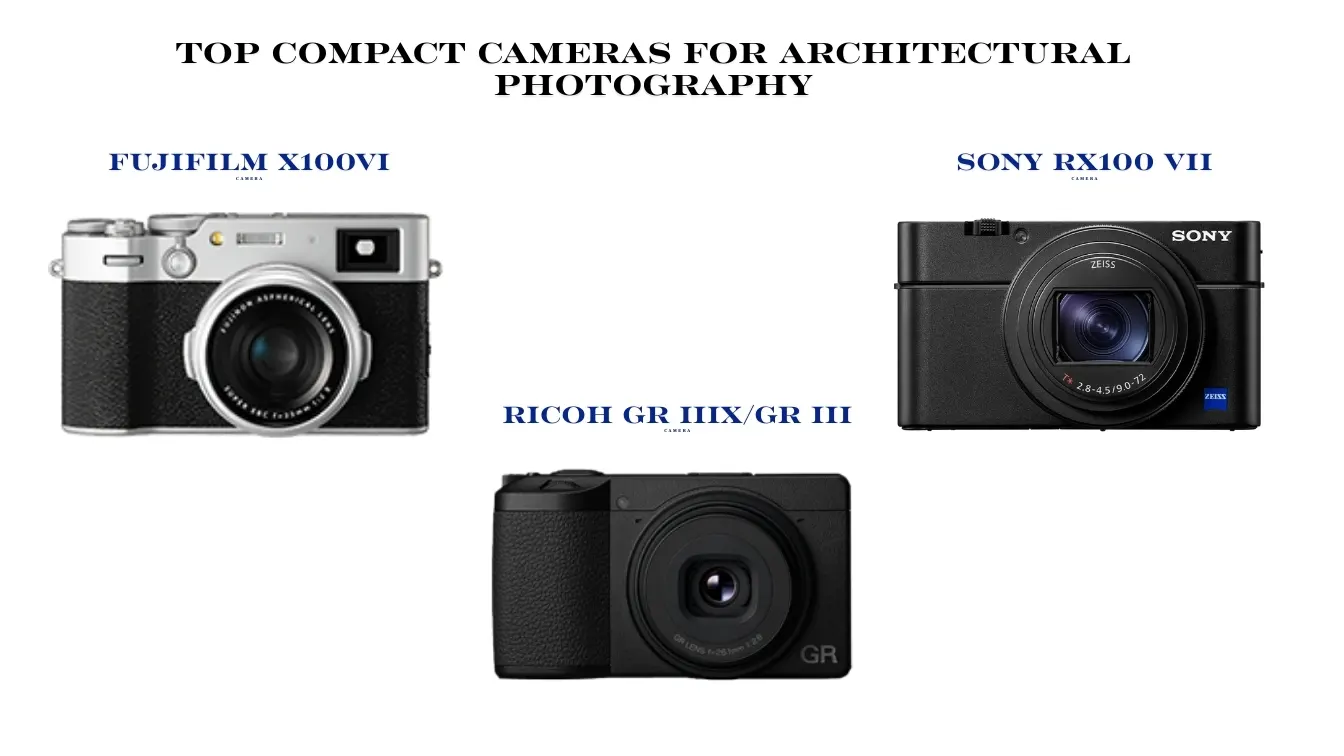
Here are some of the best compact cameras for architectural photography.
Fujifilm X100VI
Features: Fixed 23mm wide-angle lens, high-resolution APS-C sensor, RAW support.
Pros: Sharp, high-quality images; portable; easy to carry; perfect for interior design photography, abstract building photography, and architectural art photography.
Cons: Fixed lens cannot zoom, limiting flexibility for certain shots.
The fujifilm x100vi is great for photographers who want professional quality without carrying bulky gear. Its color reproduction and sharpness make it excellent for interior architecture photography and fine art architectural photography projects.
Sony RX100 VII
Features: 24–200mm zoom lens, fast autofocus, 20MP sensor, compact design.
Pros: Flexible zoom range; lightweight and portable; excellent image quality; fast shooting speed.
Cons: Smaller sensor than APS-C cameras; limited battery life.
The sony rx100vii is ideal for commercial architectural photography, night architecture photography, and interior architecture photography. Its zoom flexibility and portability make it perfect for capturing both interiors and city buildings quickly and efficiently.
Ricoh GR IIIx/GR III
Features: 26.1MP sensor, 40mm-equivalent lens, minimal distortion, compact size.
Pros: Sharp, distortion-free images; highly portable; easy to use for street and interior photography.
Cons: Fixed focal length limits zoom options.
The ricoh gr iii x is excellent for street architecture, interior design photography, and abstract architectural photography. Its small size allows photographers to capture tight spaces or urban streets with professional quality, making it popular among professional architectural photographers.
Tips for Capturing Stunning Architectural Photos
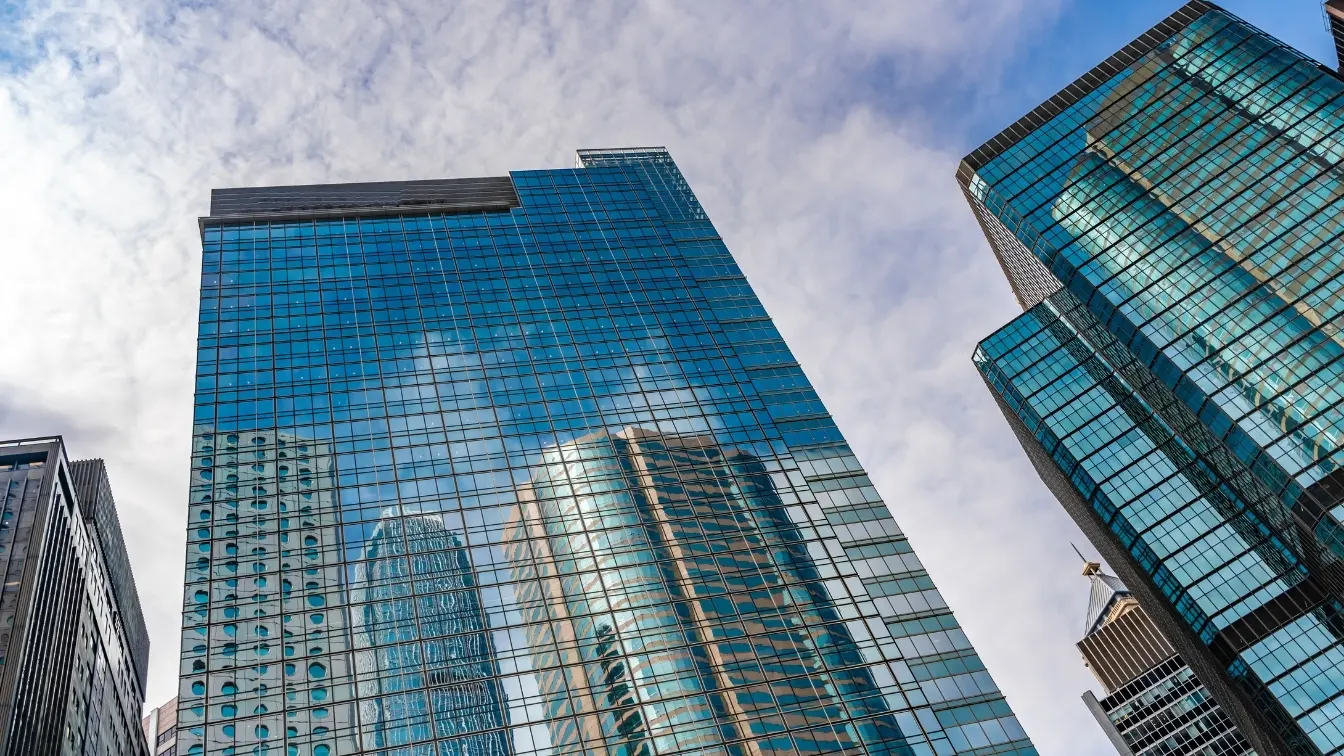
A compact camera for architectural photography is powerful when used correctly. These tips help capture beautiful and professional photos.
Use Natural Light
Light can make or break an architectural photograph. Soft morning or late afternoon light adds shadows and depth to buildings. Indoor spaces look best with window light. Interior design photographers and fine art architectural photographers often plan shoots according to natural lighting. Proper use of light highlights textures, lines, and architectural details, producing professional images for interior architecture photography or abstract building photography.
Mind Your Composition
Good composition makes architectural photos stand out. Symmetry, leading lines, and framing help guide the viewer’s eye. Abstract photography architecture and commercial architectural photography benefit from creative composition. Positioning the camera carefully and considering shapes, patterns, and proportions helps photographers create visually appealing images that reflect the structure accurately and artistically.
Correct Lens Distortion
Wide-angle lenses can cause bent or curved lines in photos. Correcting distortion in-camera or in editing preserves architectural accuracy. Straight lines are crucial for interior design photography, commercial building photography, and architectural digest photographers. Corrected lines ensure that walls, windows, and columns appear true to life, making images professional and visually appealing.
Experiment with Angles
Shooting from low, high, or tilted angles makes architecture more dynamic. Experimenting with different viewpoints adds creativity to images. Top architecture photographers, abstract building photography projects, and interior design photographers often explore unique angles to make their photos visually exciting and artistic. Changing perspective can reveal new details and create a sense of depth that enhances every photo.
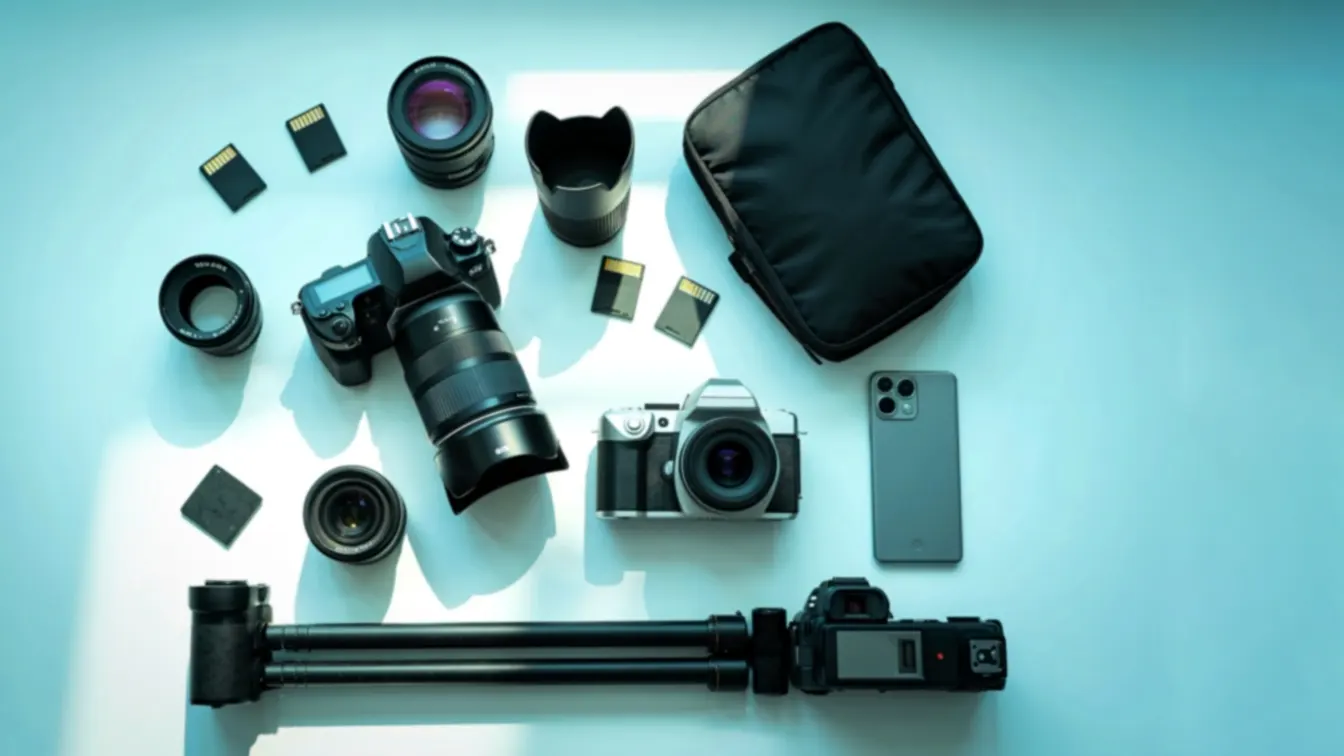
Accessories That Enhance Architectural Photography
Certain accessories improve the results of a compact camera for architectural photography and make work easier.
Tripods for Stability
Tripods help keep the camera steady for long exposures or low-light conditions. They are important for night architecture photography and interior design photography. Compact, portable tripods fit easily in bags and are essential for photographers who want sharp, professional images without blur.
Polarizing Filters for Reflections
Polarizing filters reduce glare from glass, water, or shiny surfaces. They enhance colors and contrast. Perfect for commercial architectural photography, residential architecture photography, and abstract architectural photography, polarizers make buildings look clearer and more professional in photos.
Extra Batteries and Memory Cards
Shooting buildings, interiors, or streets can take hours. Extra batteries and memory cards ensure you never run out of power or storage. Professional architectural photographers always carry spares, making sure they are ready for long sessions and multiple locations.
Conclusion
A compact camera for architectural photography is small, easy to carry, and produces professional-quality images. It works for interior design photography, commercial building photography, and abstract photography architecture. Cameras like fujifilm x100vi, sony rx100vii, and ricoh gr iiix provide portability, sharpness, and advanced features.
Look for wide-angle lenses, high-resolution sensors, manual controls, and image stabilization. Using tripods and polarizing filters can further improve results. Compact cameras let photographers capture stunning architectural photos without heavy gear. Choose a camera based on features, portability, and budget to take professional-quality architectural photos easily every time.
Frequently Asked Questions (FAQs)
Which compact camera is best for photography?
The best compact camera for photography depends on your needs. The Fujifilm X100VI is great for image quality and color. The Sony RX100 VII is best for zoom and flexibility. The Ricoh GR IIIx works well for sharp street and architectural photos. All three are excellent compact cameras for architectural photography because they are portable and powerful.
What is the best camera lens for architecture photography?
Wide-angle lenses are best for architecture photography. They help capture full buildings and small interiors. Lenses between 16mm and 35mm are commonly used. These lenses keep lines straight and show more space. Wide lenses work well for interior design photography and commercial building photography.
What ISO should I use for architecture photography?
Use a low ISO like 100 or 200 for architecture photography. Low ISO keeps images clean and sharp. It reduces noise and keeps details clear. For indoor or night shots, increase ISO slowly if needed. Using a tripod allows low ISO even in low light.
What are common architecture photography mistakes?
Common mistakes include tilted lines, bad lighting, and poor composition. Many beginners forget to correct lens distortion. Shooting at the wrong time of day can also ruin photos. Not using a tripod can cause blurry images. Planning and careful framing help avoid these problems.
How to get sharp architecture photos?
Use a tripod whenever possible. Keep ISO low and use proper focus. Choose a sharp aperture like f/8 or f/11. Avoid camera shake by using a timer or remote shutter. Sharp photos are important for professional architectural photography and interior architecture photography.
Best camera for architecture students
Architecture students should choose a camera that is affordable and easy to carry. The Ricoh GR IIIx is lightweight and sharp. The Sony RX100 VII offers zoom and flexibility. The Fujifilm X100VI is great for learning composition and lighting. These compact cameras are ideal for students learning architecture photography.