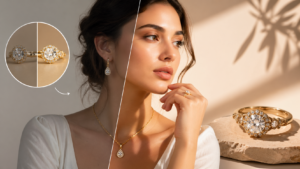
Jewelry photo capturing is a challenging matter to reflect the natural look on e-commerce platforms. Eye-catching creative jewelry photography is the secret sauce behind successful e-commerce stores, social media accounts. The best way to photograph jewelry combines clean lighting, sharp focus, realistic colors, and a professional setup.
We understand; you want your pictures to sell your jewelry as well as to capture its beauty. Jewellery photography is about telling a story, creating an atmosphere, and establishing brand trust, not only about shooting images. You will learn simple yet powerful techniques to photograph jewelry with clarity and professional detail.

Where to Position Lights for Best Jewellery Photography
The most important element of jewellery photography is probably lighting. Mastering light direction is the best way to photograph jewelry. It might either flatten the whole picture or accentuate gemstone brilliance. Understanding how various lighting sources affect the look of your jewelry will help you to get professional-looking results.
Start with diffused natural light; this soft glow lowers strong reflections. Should you be shooting indoors, a lightbox is a great purchase. To preserve color accuracy, mix it with LED lamps with a daylight balance. Position lights to minimize shadows and produce dimensionality at 45-degree angles.
Use the built-in flash of your camera sparingly since it can produce ugly glares. To produce even, wrap-around lighting, instead, think about ring lights or softboxes. Bounce light and cover dark areas using white foam boards or reflectors.
Adding a sparkling light—a concentrated beam—helps to improve brilliance for diamonds and other gemstones. To find out what works best for your piece, try taking a few test shots and varying the intensity and angles.
Top 5 Props to Improve Jewelry Photography Quality
Probes would help your creative jewelry photography to have a much better narrative and mood. Applied creatively, they graphically ground your product in context. The right props can be the best way to photograph jewelry with a professional and creative touch.
- Acrylic Risers and Blocks: These translucent platforms can highlight objects and offer dimension without drawing attention to the jewelry.
- Textured Fabrics: From velvet, silk, and linen backgrounds, textured fabrics provide your photos with richness and depth.
- Dried Flowers or Greenery: Bohemian or handcrafted collections would benefit much from this naturally occurring, organic feel.
- Marble or Stone Slabs: Marble or stone slabs would be ideal for either understated or high-end projects.
- Mirror Surfaces: Reflective pieces will provide flair and highlight metallic textures.
Limit your props to avoid overwhelming the jewelry. The work will be distinctive using complementary colors. On cool-toned surfaces like navy blue or grey, gold looks great; silver contrasts against warm tones like burgundy or beige.

Best Way to Jewelry Photograph Setups
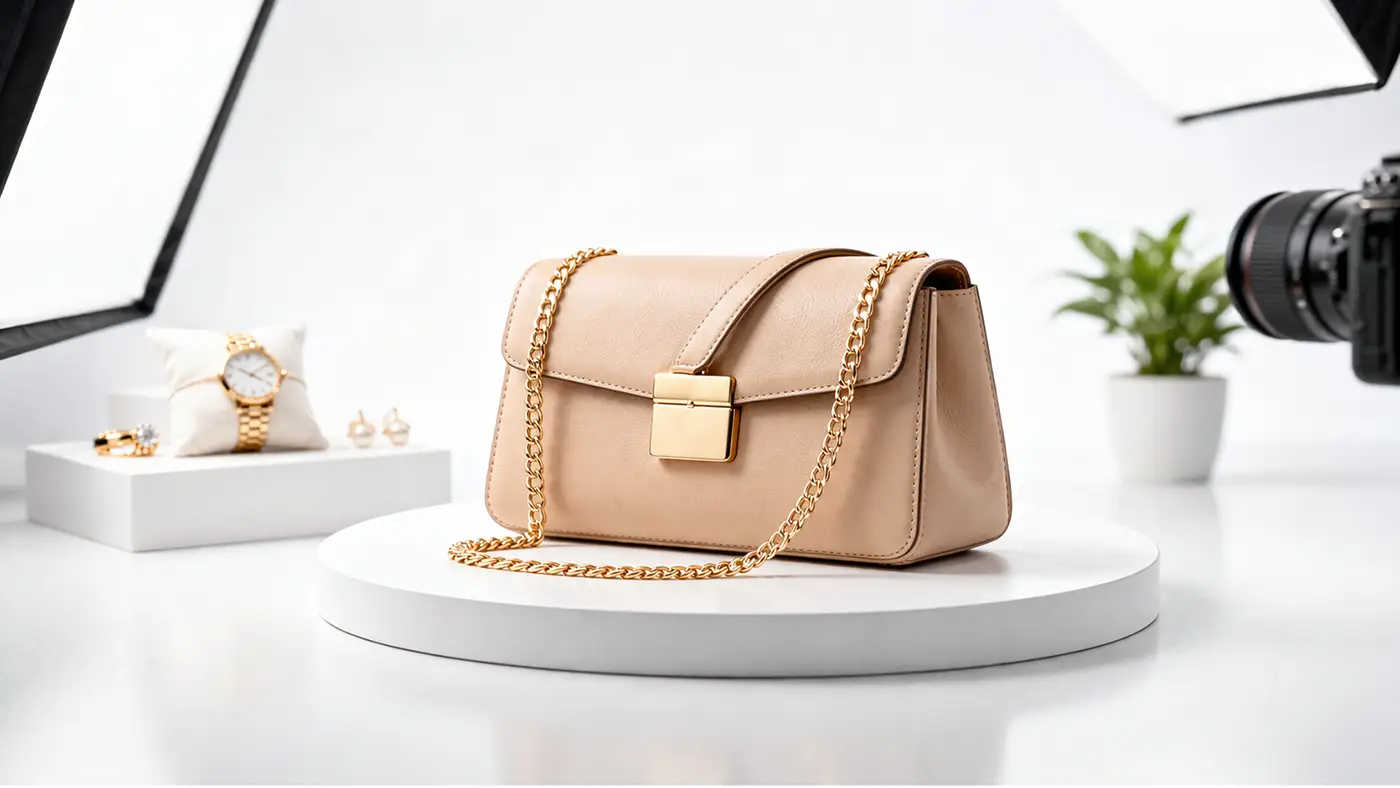
Simple and elegant minimalist creative jewelry photography is the main emphasis. This design lets the jewelry stand out free from allusions. The best way to photograph jewelry combines the right background, well-placed lighting, and careful attention to every detail.
Choose a white, black, or beige clean, neutral backdrop. Photographers should place jewelry in the center for single pieces or off-center for a stylish effect. Negative space gives direction of attention and a gallery-like look.
Softboxes or natural light work best for creating subdued shadows and delicate contrast in illumination. Clean the jewelry completely and, if necessary, apply polarized filters to help you control reflections.
There should be few props; consider single risers, subdued shadows, or a background splash of color. You want the work to stand for itself. For editorial shots, lookbooks, and product catalogues especially, this arrangement performs brilliantly.
Minimalist photography projects professionalism and trust, both vital for turning viewers into buyers. A well-executed, simple shot can convey more than a messy scene could ever do.
Which is the Perfect Background for Jewelry Shots
The background determines your whole image’s tone. Creative backgrounds can inspire feelings, narrate a story, and help you place your jewelry within a trend or way of life. The best way to photograph jewelry is to select backgrounds with the right colors, textures, and style.
- Photographers chose colors like navy blue, emerald green, deep burgundy, black, and marble for gold jewelry.
- Black velvet, white glossy board, mirrored surface, soft gray background for diamond jewelry.
- White, charcoal gray, ice blue, soft pastels, and frosted glass are perfect for silver and platinum jewelry.
- Soft pastels, cream, light gray, silk fabric, warm wood for pearl jewelry.
- Velvet, silk, lace, marble, and gold-accent props are best for luxury bridal jewelry.
- White, matte gray, concrete textures, acrylic, and glass background help to focus on modern jewelry.
The secret is to fit your brand identification with the backdrop. A boho jewelry line might look against jute or hemp textures, for instance, but luxury items fit on marble. Make sure your background never takes front stage in your work. Change the depth of focus to gently blur the background, so maintain focus on the jewelry.

Using Color Theory to Add Drama to Jewelry Images
Color has psychological power and can significantly affect how your jewelry makes one feel. The best way to photograph jewelry involves using color correction to improve color accuracy and achieve visual harmony.
As is shown:
- Blue background with orange-gold jewelry—that is, complementary colors—adds excellent contrast and visual appeal.
- Like colors—that is, green with turquoise stones—they produce harmony and softness.
- Monochromatic designs stress form and detail free from distracting influences.
- Always consider the target audience and tone of the work; plan your palette using color wheels.
- For spring or bridal collections, pastel tones look fantastic, but jewel-toned backdrops can accentuate gemstones.
Not only does color theory enhance image quality, but it also guides consumer perspective. Strategic color use can gently encourage activity—like clicking “add to cart.”
High-Quality Jewelry Photography for E-Commerce
Mostly on images, online buyers decide what to purchase. Your pictures of your jewelry have to be striking, exact, and clear. Photographers should take front, side, and detailed close-up shots from multiple angles. Under a macro lens, capture minute details, including gemstone cuts or engraving. Steer clear of strong shadows and maintain color tones true. Jewelry photography for e-commerce should highlight every detail, from metal to gemstones. Proper lighting, clean backgrounds, sharp focus, and thoughtful angles are the best way to photograph jewelry professionally. High quality reduces customer hesitation and encourages purchase of the product.

Storytelling Jewelry Photography
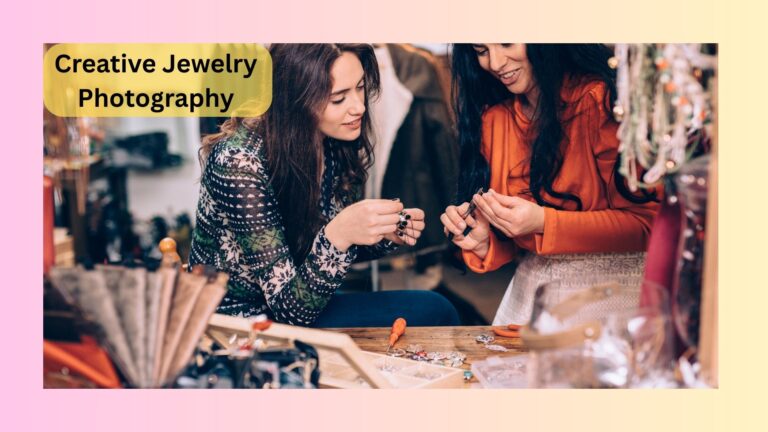
Your jewelry photography gains emotional impact from narrative. It lets your audience relate to the work personally. Make lifestyle images depicting jewelry worn in real-life situations: a woman drinking coffee sporting a dainty ring or someone unpacking a necklace gift. Choose lighting, backgrounds, and props that fit the tone—romantic, daring, or glitzy.
Tell a tale around the jewelry. Is it in line for a wedding? As a graduation present? A treat for yourself in love? Matching your images to emotions improves memorability and involvement.
Companies like Image_Expert_India inspire product desirability with narrative. Customers are more prone to buy when they can relate to your images.
Model or Mannequin for Jewelry Photography
The right subject choice is a key decision in jewelry photography. Every option has special benefits depending on your objectives. The best way to photograph jewelry is a balance of creativity, precision, and understanding your audience.
Why choose a model?
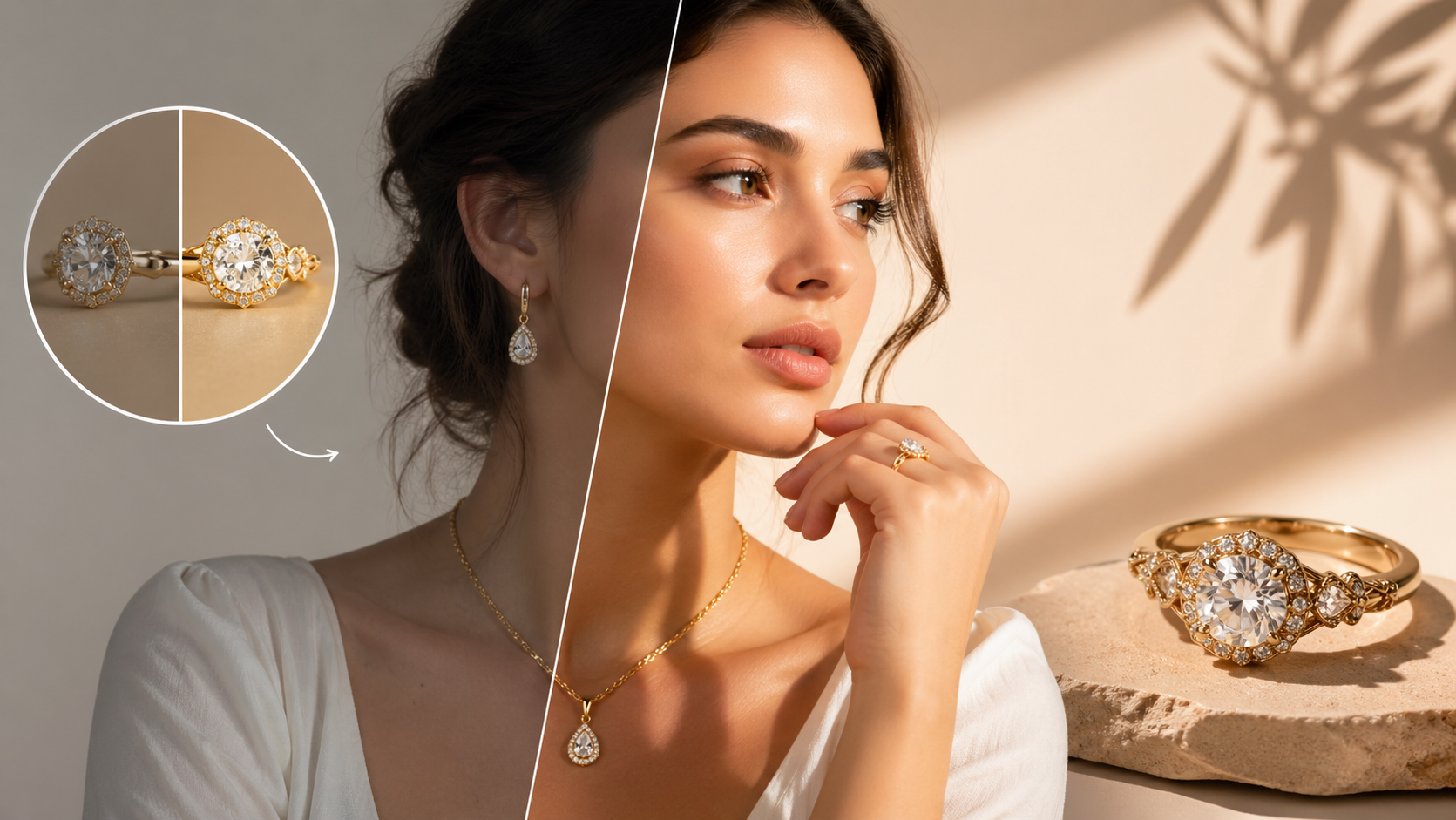
Models offer realism and feeling. They let consumers see how the jewelry will feel and look. Select models that your target market will find interesting. Pay attention to hand poses, facial expressions, and styling. Models help customers visualize how the jewelry will look when worn, showing scale, fit, and style.
Why Choose a Mannequin?
More reasonably priced and with a blank, neutral canvas are mannequins. It’s cost-effective, easy to position, and ideal for consistent catalog or e-commerce shots. Mannequins can also create a modern, professional look, including floating effects for a high-end feel. This makes them perfect for showcasing jewelry clearly without distractions.
You can choose a model because it adds realism and emotion, helping customers visualize. Mannequin is best because it provides a clean, consistent, and distraction-free display, and it is cost-effective.

How to Use Reflective Surfaces Like a Pro
In creative jewelry photography, reflective surfaces are often overlooked but highly effective. Reflective surfaces like mirrors, glass, and metallic platforms can elevate your jewelry photography. The best way to photograph jewelry create a high-end editorial look, add depth, and enhance symmetry.
While a glossy black acrylic surface creates a dramatic contrast that makes diamonds or gold pop, a basic mirror can copy the subject for visual interest. A floating effect from glass can create an exotic and opulent scene. Using reflective objects calls for careful control of lighting and avoidance of strong shadows or camera reflections.
Reflective objects used for e-commerce product photography should also be counterbalanced by simple backgrounds. This guarantees that, not the props, the jewelry is the hero of the picture. Developing the craft of reflections will improve your jewellery photography right away and differentiate your images from standard product shots.
Using Mirrors and Glass Props
Glass and mirrors help create a conceptual narrative in addition to reflecting back-off. Perfect for wedding or engagement-oriented photography, a mirrored platform under a ring generates balance and symbolism. Using textured glass or broken mirrors gives high-fashion items an abstract quality in the meantime.
Including several glass layers adds a surreal element and gives your jewelry a photo editorial rather than a commercial look. Consider optical distortions and glare; during shooting, use a polarizing filter or change angles to help remove them.
Set a ring or pendant on a spotless square mirror with soft lighting and shoot from a 45-degree angle for a minimalist approach. For web catalogues and social media, this approach performs brilliantly. Combining technical mastery with creative props guarantees your Creative jewelry photography is both amazing and useful.
Jewelry Photography Tricks on a Low Budget
High-end jewelry photography does not have to follow a high-end budget. Your images will seem opulent even with simple tools if you use some knowledge and imagination. Invest first in a basic lightbox to highlight the metal’s brilliance and cut out strong shadows. Bounce light best with foam boards or even white card paper. If you do not own a DSLR, a smartphone with a good macro lens attachment will work miracles.
Thrift stores or craft shops have exquisite-looking marble tiles, velvet fabrics, or golden trays—perfect for staging luxury scenes, for props. To replicate a high-fashion photo session, mix this with natural lighting or a ring light. This affordable strategy guarantees that even startups or small companies can visually compete with big players. Excellent jewellery photography without premium expenses can be produced from the right lighting, composition, and editing.
Post-Processing Tips for Professional Jewelry Photography
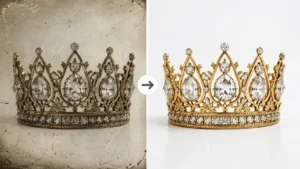
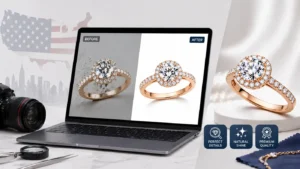
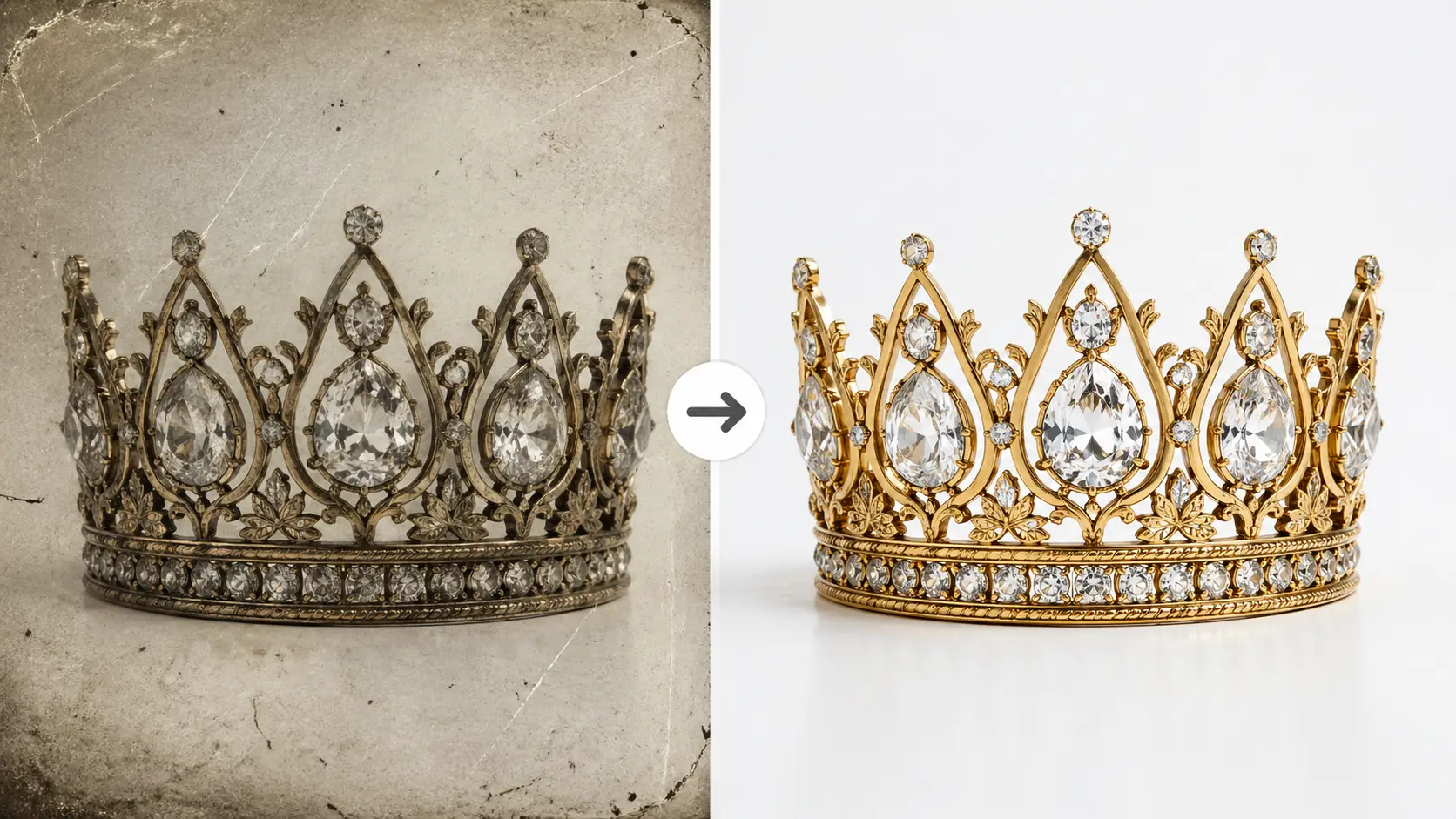
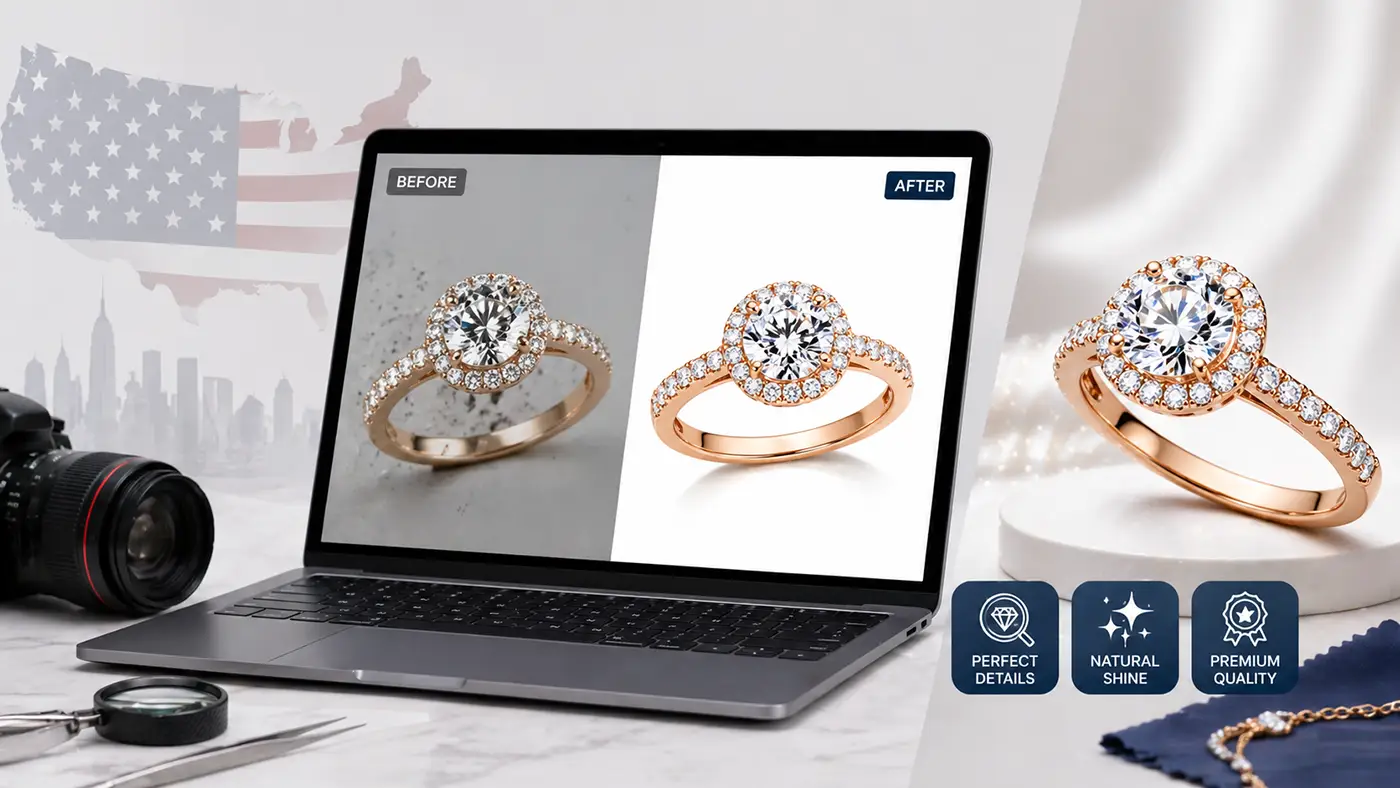
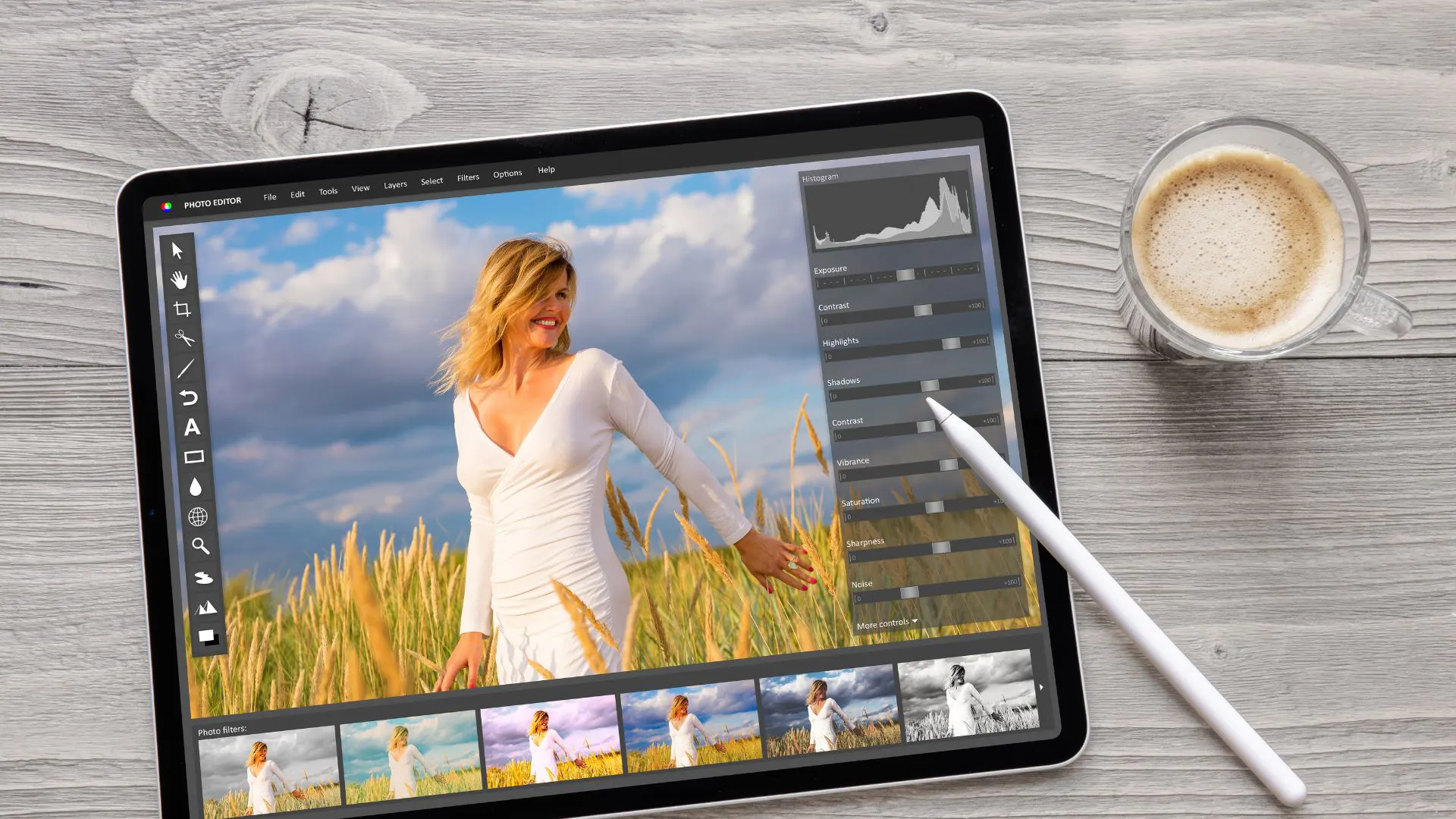
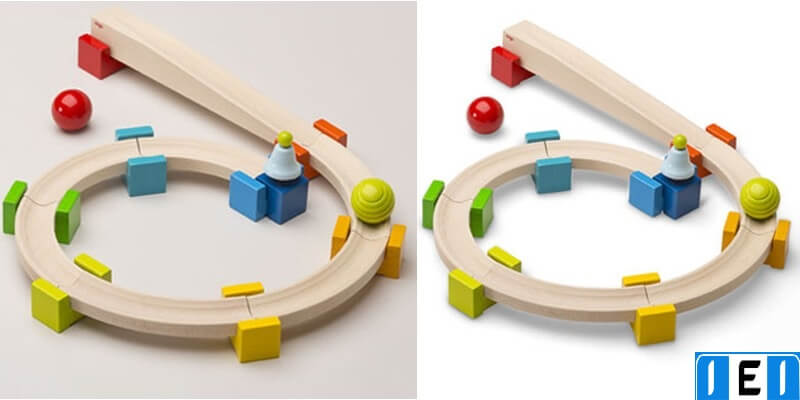
Post-processing is the best way to photograph jewelry for clarity, correcting flaws, and improving overall appeal. Jewelry retouching is the best post-processing service to achieve high-quality, clean, and sharp photographs. Photography images require some degree of retouching. Retouching service providers use a lightbox and Photoshop to enhance the brilliance of the stones and adjust exposure and contrast.
Advanced techniques such as layer masking, dodge and burn, and selective color help create depth and dimension in jewelry images. Although post-processing can help, buyers want to see the real product; avoid overdoing it. A retouched jewelry photo emphasizes quality, reduces return rates, and boosts consumer confidence. A polished jewelry product gallery will help your e-commerce store to look more professional and dependable.

Jewelry Photoshoot Setup Tips
A proper jewelry photoshoot is the best way to photograph jewelry and ensure high-quality, professional results. Careful preparation helps capture every detail, highlight brilliance, and create stunning images
- DSLR or Mirrorless Camera: Provides high resolution and better control over focus, aperture, and depth of field compared to smartphones.
- Macro Lens: Essential for capturing close-up details of gemstones, engravings, and intricate metalwork.
- Tripod: Keeps the camera stable, prevents blur, and allows consistent framing for multiple shots.
- Remote Shutter Release: Helps take photos without touching the camera, reducing vibrations and ensuring crisp images.
- Smartphone Macro Lens Attachments: A cost-effective alternative for small items, enabling close-up shots with fine detail using your phone.
How to Create a Professional Jewelry Photography Portfolio
A professional jewelry photography portfolio is essential for photographers, designers, and e-commerce brands. It not only highlights your jewelry images but also builds trust and credibility with potential clients. A portfolio should include close-ups, lifestyle shots, clean white-background images, and narrative scenes. Your jewelry photography portfolio should feature the brand logo, product prices, contact details, address, and other details. A well-organized portfolio, emphasizing quality, attracts clients, inspires confidence, and converts viewers into buyers.