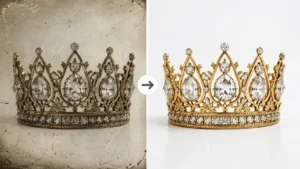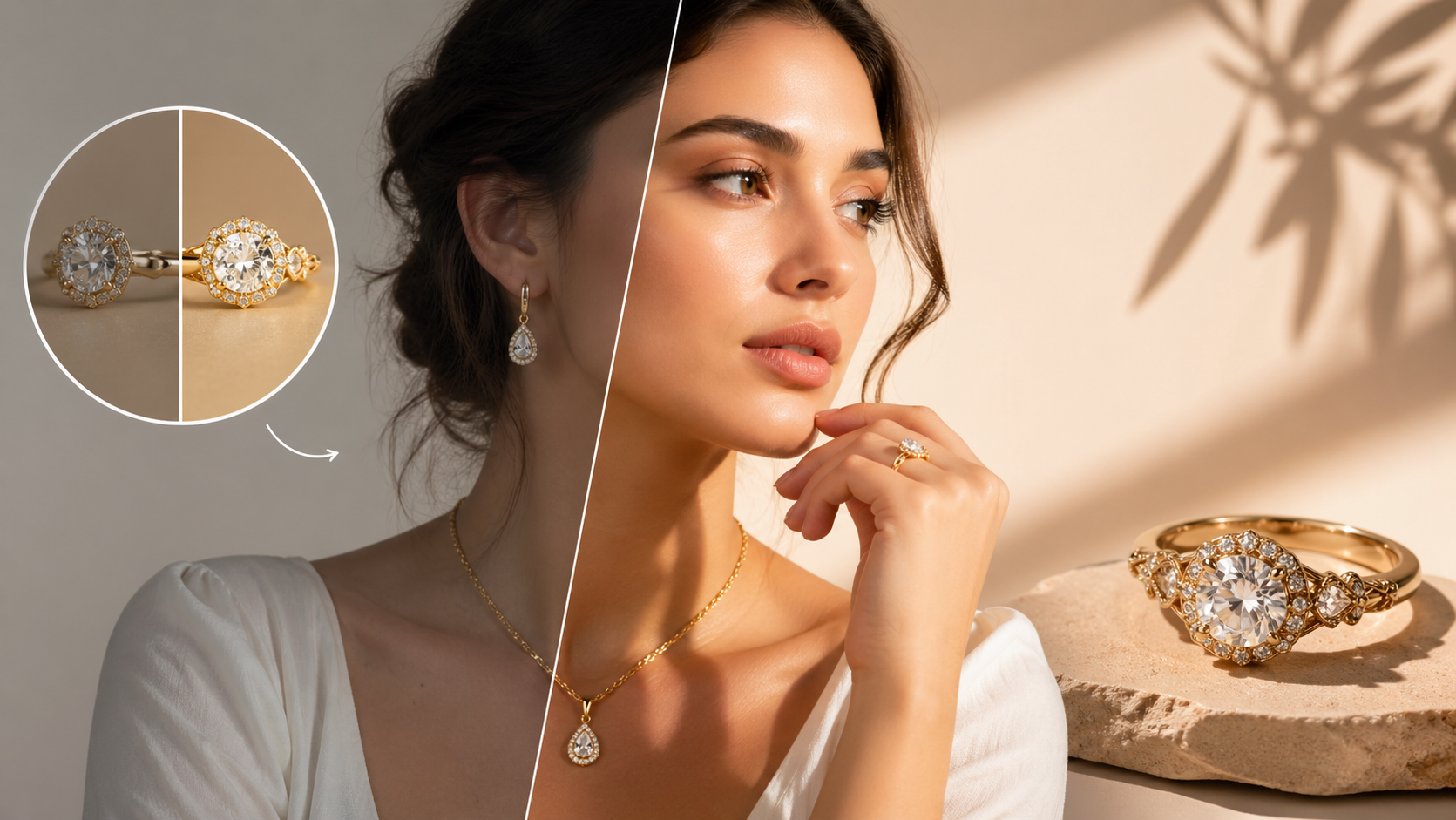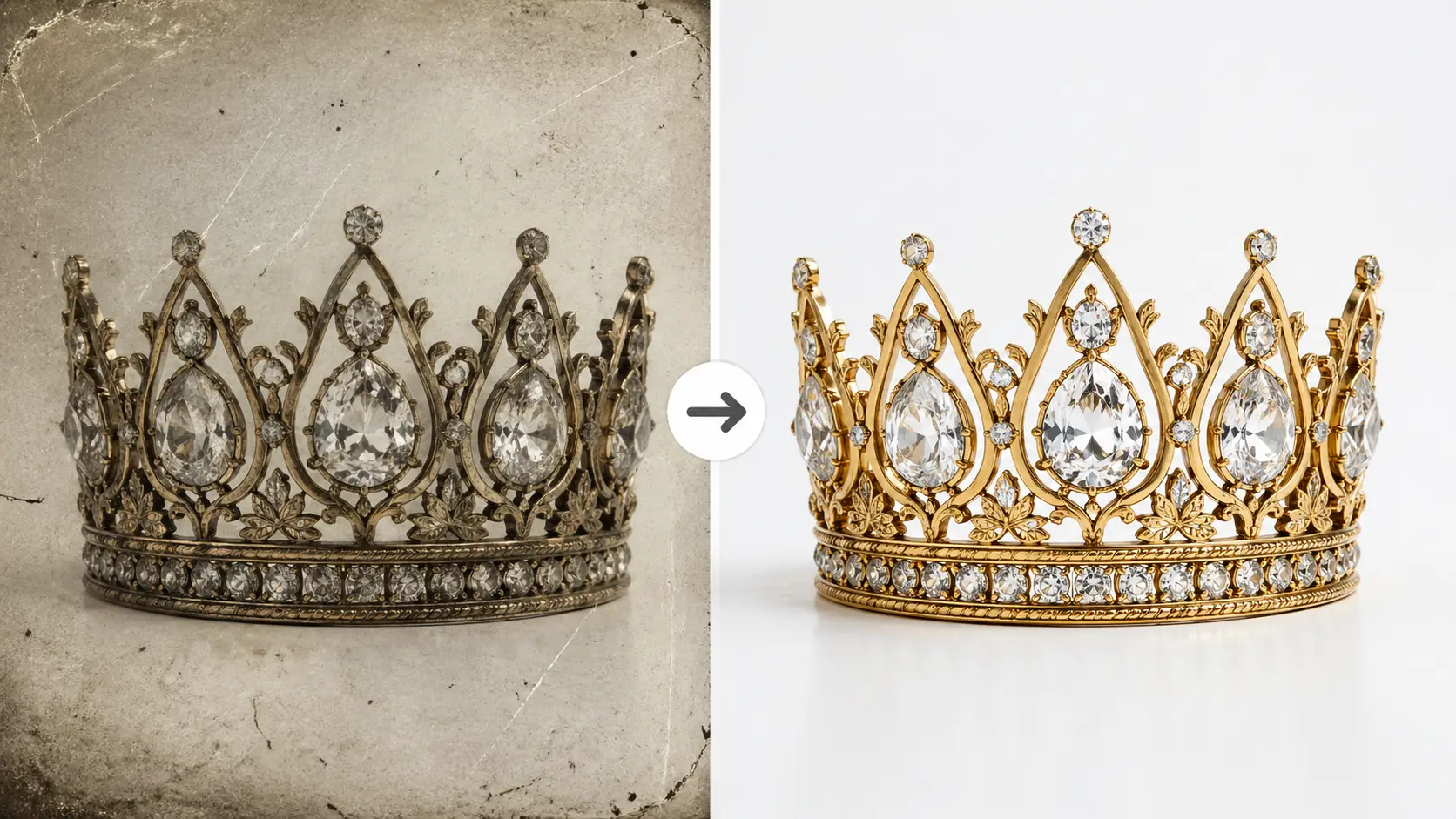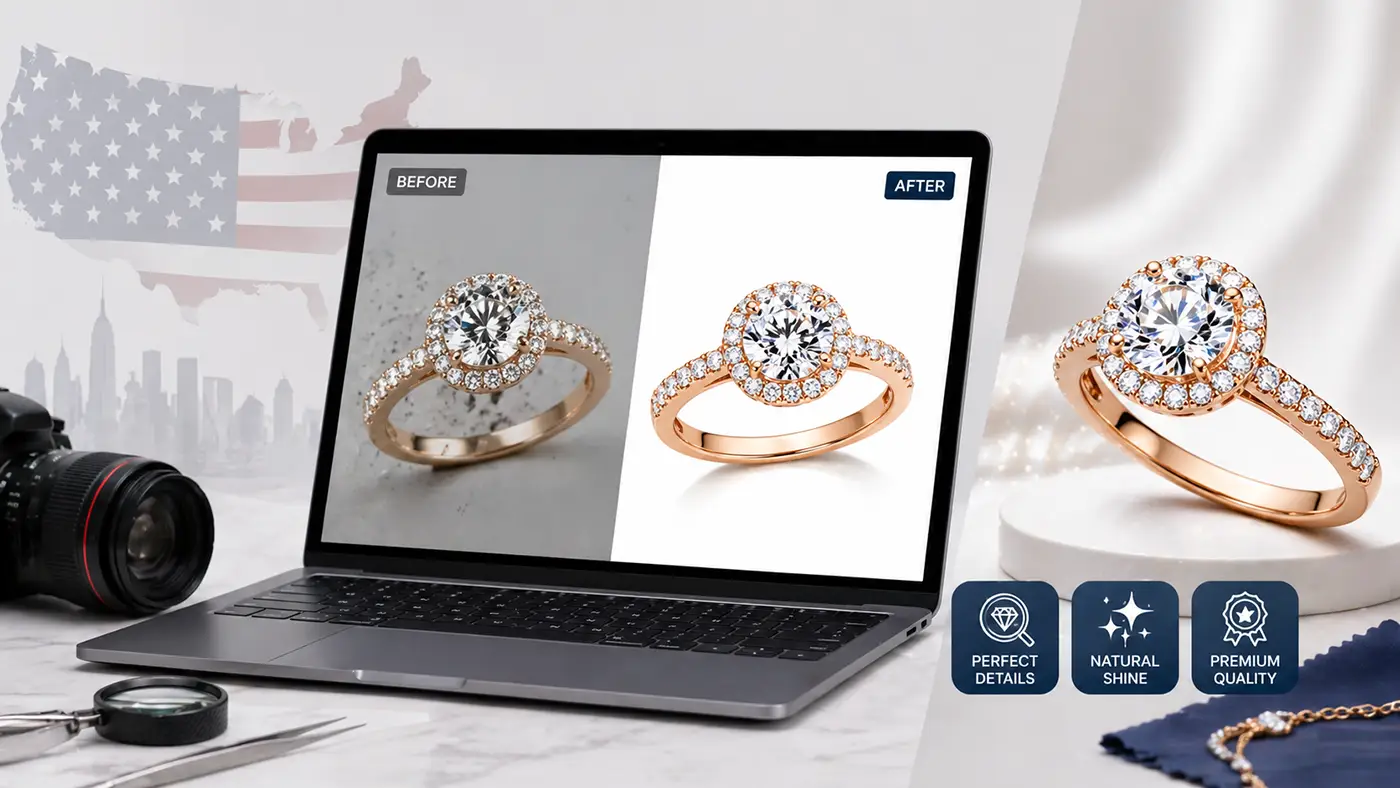
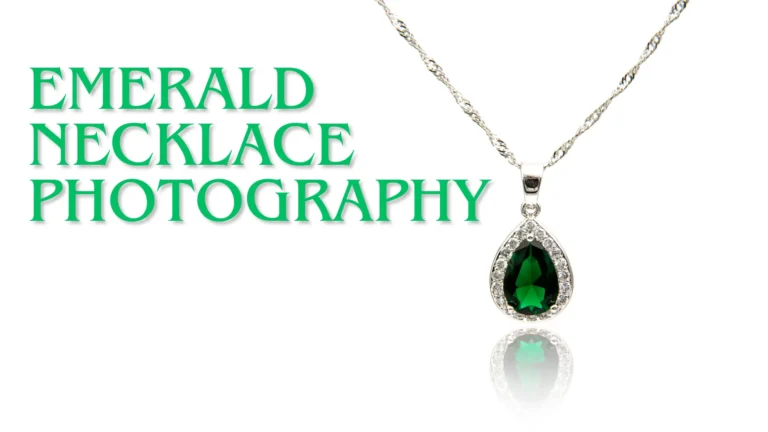
Emerald necklace photography requires a photographer’s skill, patience, and keen attention to detail. Capturing the intricate design, sparkling stones, and fine craftsmanship of an emerald necklace is no easy task. However, when done correctly, emerald necklace photography can become a powerful marketing tool. A stunning emerald necklace instantly draws attention and admiration in the USA e-commerce market. Whether you work for a jewelry brand, are a professional photographer, or simply want to capture your own collection, understanding the best techniques in emerald necklace photography is essential. In this article, we’ll explore effective tips and methods to help you create stunning, elegant, and professional-quality emerald necklace images that truly shine. Professional post-processing services like jewelry retouching can enhance colours, removing imperfections, and highlighting every sparkling detail.
Understanding Emerald Necklace Photography
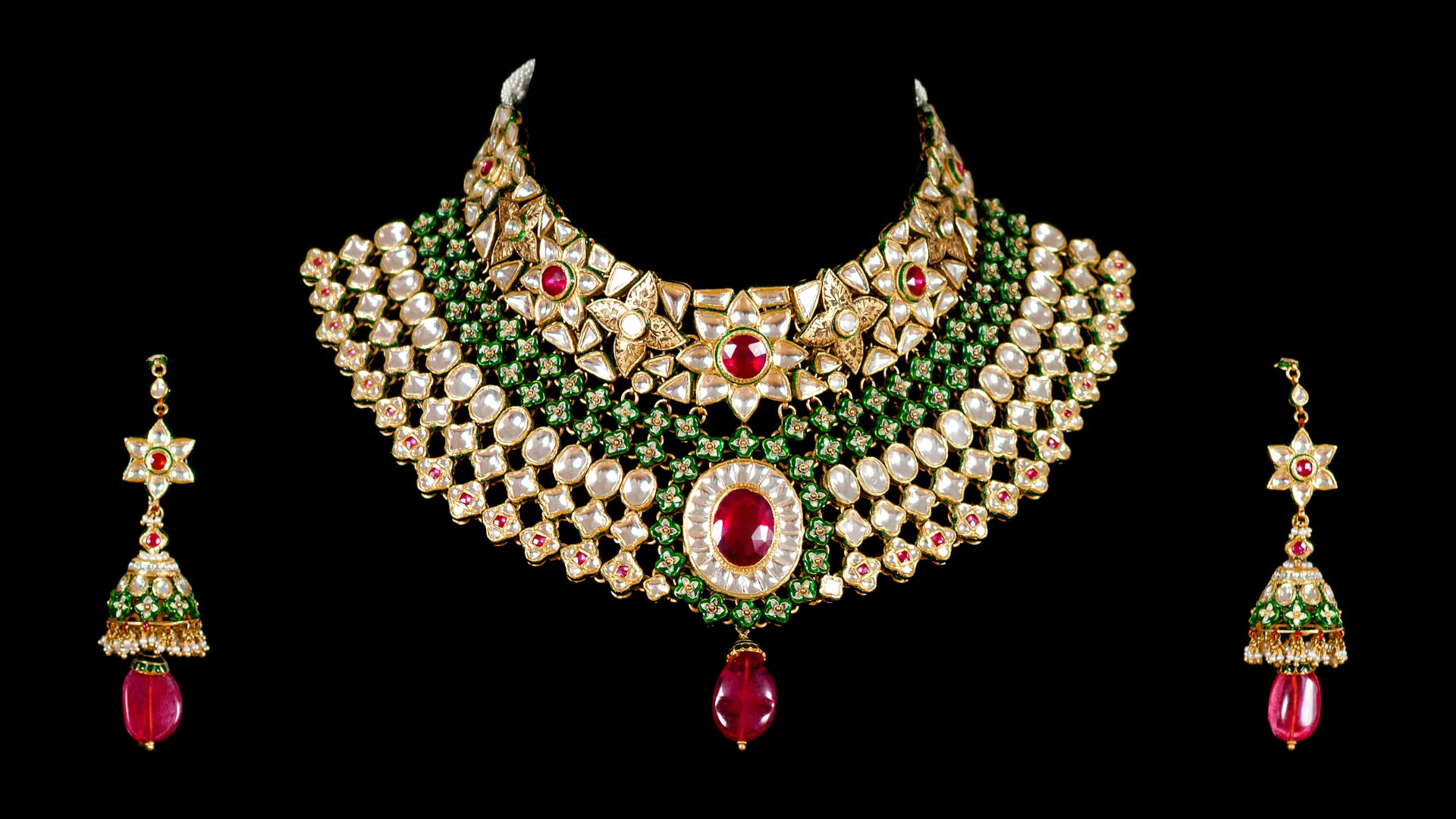
Before diving into the technical aspects of jewelry necklace photography, it’s important to understand why this type of photography is so unique. Highlighting the delicate details of an emerald necklace and using the right lighting techniques is essential. Emerald necklace photography must focus on the texture, sparkle, and craftsmanship of each piece. The goal is not just to show how it looks, but to bring out its design, materials, and artistry. Close-up photography of an emerald necklace helps customers appreciate its design and quality. A captivating emerald necklace image is crucial for online sales and marketing in NYC.
Lighting The Heart of Emerald Necklace Photography
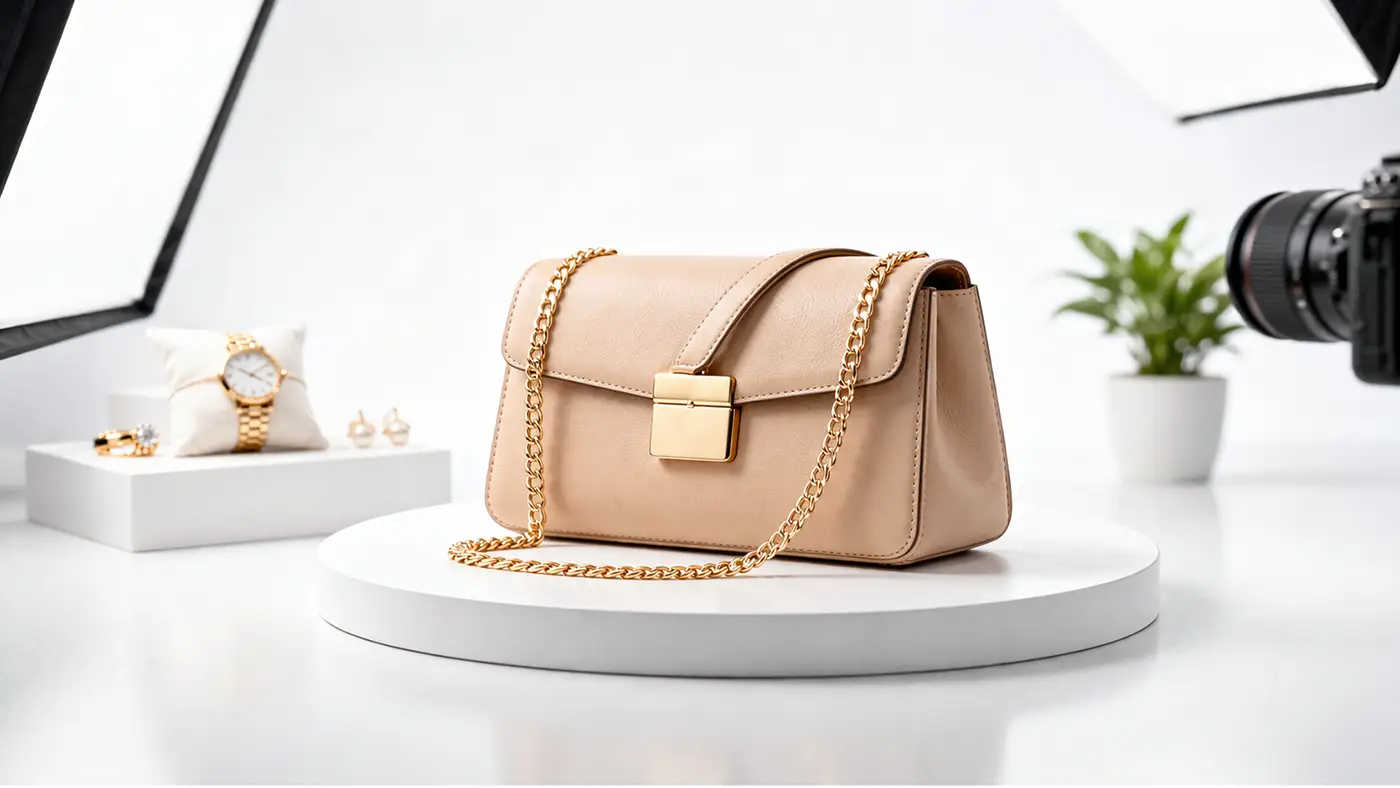
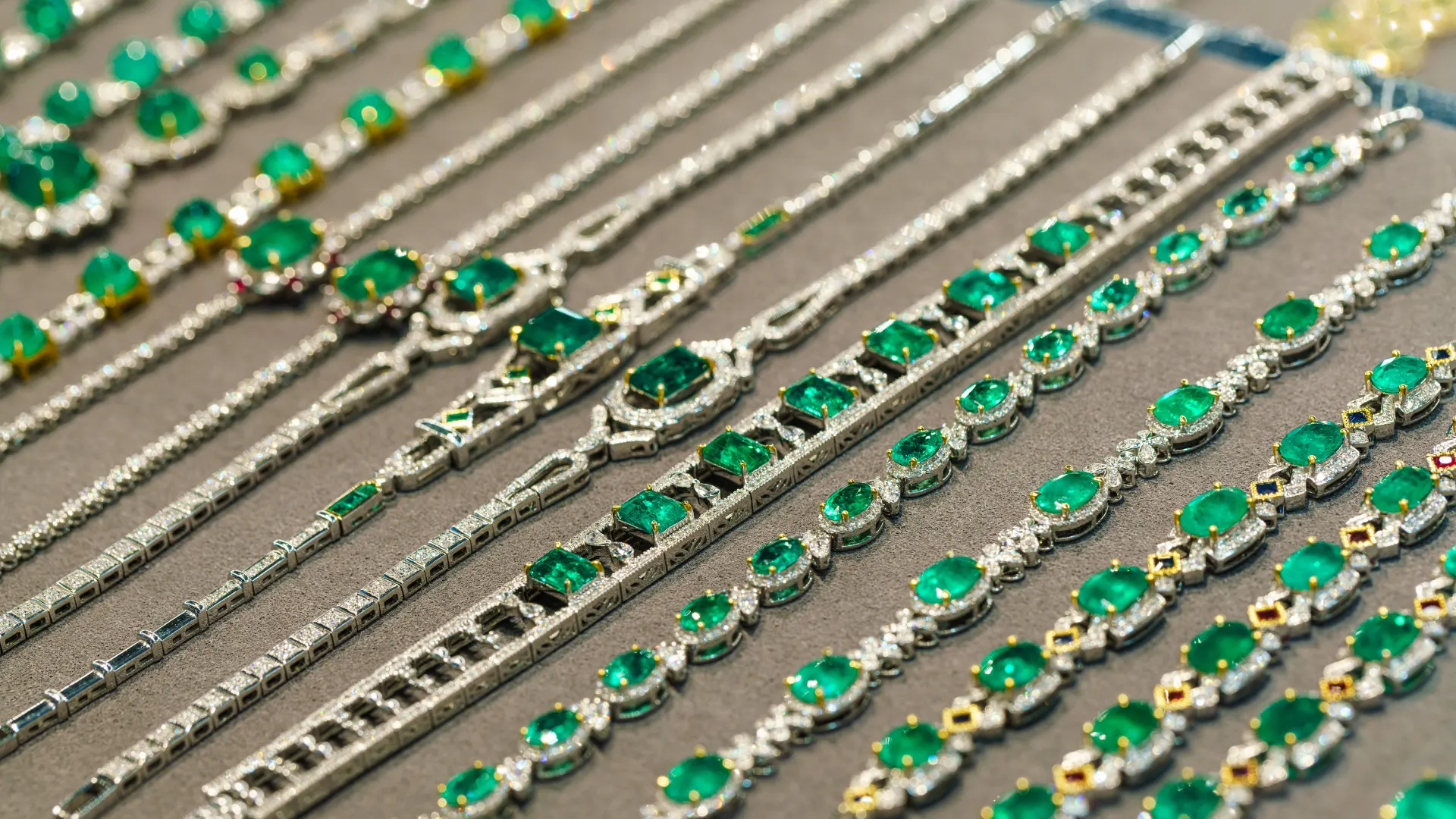
Lighting is the most important factor in emerald necklace photography. Proper lighting enhances the sparkle of gems, highlights the fine details of the metalwork, and eliminates unnecessary shadows. Using uneven lighting can create unwanted reflections and hide the necklace’s true beauty. For perfect jewellery necklace photography, it is essential to use soft and even lighting. Photographers often use multiple light sources from different angles to ensure the necklace is evenly lit from all sides.
Another key aspect of successful lighting is positioning the light source at a slight angle rather than directly overhead. This allows the necklace to reflect light beautifully without creating glare. Placing the light source too close can make the necklace appear overly bright, so it’s important to experiment with different distances for the best results.
Background Choice for Emerald Necklace
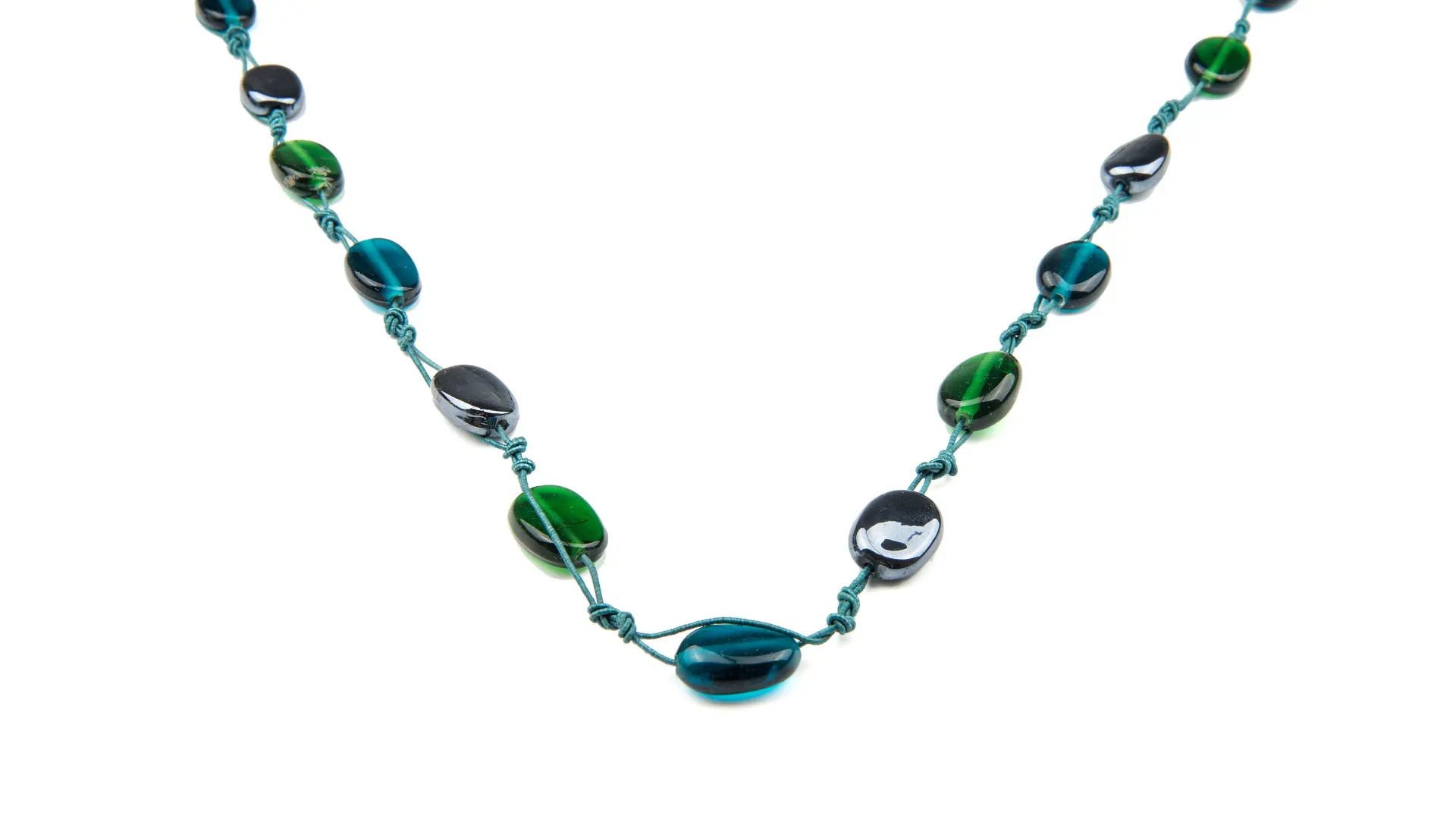
In emerald necklace photography, the background is crucial for keeping the focus on the necklace. Simple, neutral backgrounds like white, black, or light grey are ideal to highlight the piece without distraction. Textured backgrounds, such as velvet or wood, can add depth and sophistication if used carefully. Always ensure the necklace remains the focal point, adjusting the background if it competes for attention.
Neutral Backgrounds: Neutral backgrounds, like white, black, or light grey, keep the focus entirely on the emerald necklace. This background highlights the necklace’s colour and details without causing any distractions.
Velvet or Fabric Backgrounds: Velvet or fabric backgrounds, like black or deep blue, add a luxurious and elegant feel. This background enhances the richness of the emerald’s green colour in the photograph.
Wooden Backgrounds: Wooden backgrounds offer a warm, natural contrast that enhances the rich green tones of an emerald necklace. They add elegance and a timeless, sophisticated feel to the photograph.
Reflective Surfaces: Reflective surfaces, such as glass or mirrors, create subtle reflections that enhance the sparkle and elegance of an emerald necklace. They add a luxurious, high-end look while drawing attention to the jewellery’s details.
Lifestyle Backgrounds: Lifestyle backgrounds showcase the emerald necklace in real-life or natural settings, adding context and storytelling to the image. They create an elegant, relatable look without overshadowing the jewellery itself.
Soft Gradient Backgrounds: Soft gradient backgrounds transition smoothly from light to dark tones, adding depth and dimension to the emerald necklace. They subtly highlight the necklace’s sparkle and intricate details without being distracting.
Use a Tripod for Stability
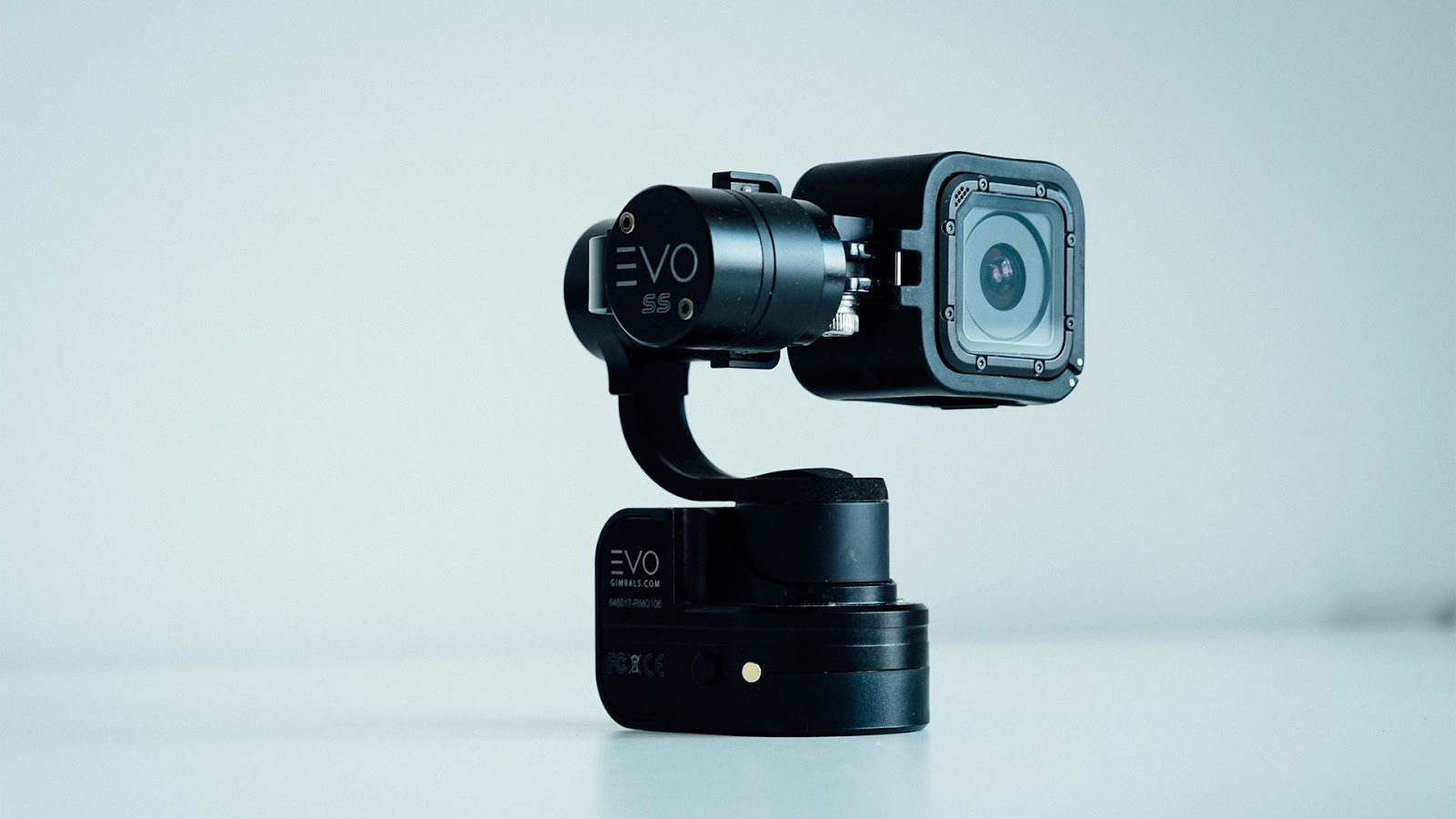
Jewellery necklace photography requires precision and stability to ensure sharp, clear images. Even the slightest camera movement can cause blurriness, especially in close-up shots. To avoid this, always use a tripod, which stabilises the camera and ensures each shot is crisp and sharp.
It’s also recommended to use a remote shutter release or the camera’s self-timer to prevent any movement caused by pressing the shutter button. This simple step can greatly improve photo quality and prevent unintended blurriness.
Camera Settings for Perfect Shots
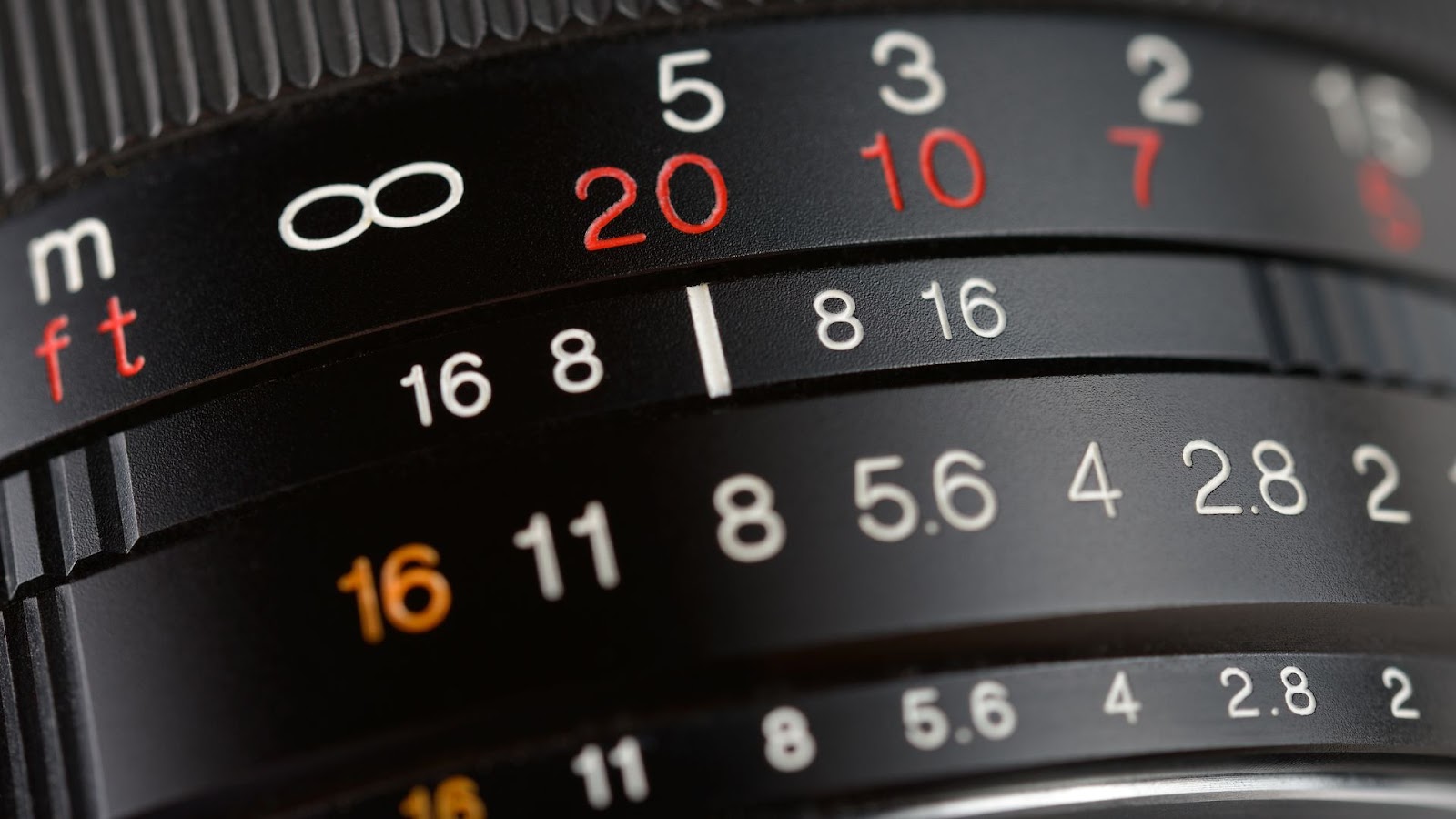
Your camera settings have a significant impact on the outcome of emerald necklace photography. Capturing all the fine details of the necklace is extremely important. You should follow some key camera setting guidelines to keep the delicate aspects of the necklace in focus.
First, set your camera to a small aperture (a high f-stop number, such as f/8 or higher). A smaller aperture provides a greater depth of field, ensuring that both the foreground and background elements of the necklace remain sharp. This is especially important for close-up shots, as it allows viewers to appreciate all the intricate details of the necklace, from the pendant to the clasp.
The next important setting is the shutter speed. Jewellery necklace photography often requires longer exposures, especially in low-light conditions. A photographer makes sure the shutter speed is fast enough to capture sharp details. If you’re using a tripod, you can afford a slower shutter speed without worrying about camera shake.
Finally, adjust your ISO settings to ensure that your images are not too grainy. Ideally, use a low ISO (such as 100 or 200) to keep the image clean and free of noise. Higher ISO settings can lead to more grain, which may distract from the fine details of the necklace.
Focus Macro Photography Techniques
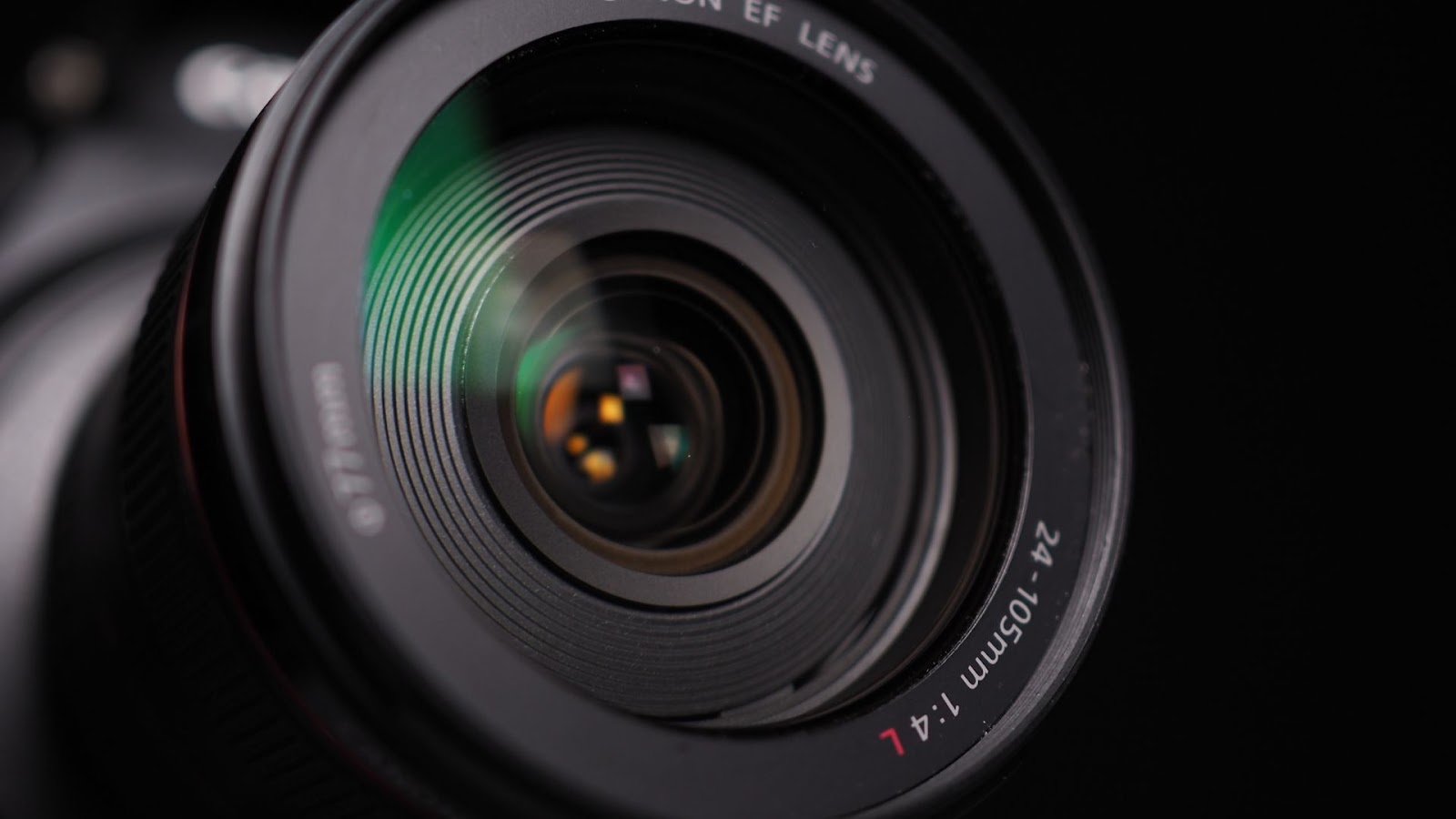
In jewellery necklace photography, it’s often necessary to get up close and capture the fine details of the necklace. This is where macro photography techniques come in. Macro photography allows you to photograph small objects at a very close range, revealing intricate details that may otherwise be invisible to the naked eye.
To achieve the best results in jewellery necklace photography, use a macro lens or a lens with a close-focusing distance. These lenses allow you to capture detailed shots of the necklace’s charms, settings, clasps, and gemstones. Ensure that the focus is spot-on, especially when photographing diamonds or other sparkling gems, as even a slight misfocus can diminish the overall quality of the shot.
It’s also essential to pay attention to the depth of field in close-up shots. In macro photography, the depth of field can be very shallow, meaning only a small portion of the necklace will be in focus. Experiment with aperture settings to find the right balance between sharpness and bokeh (the blurred background) that enhances the necklace’s design.
Composition Matters for Emerald Necklace Photography
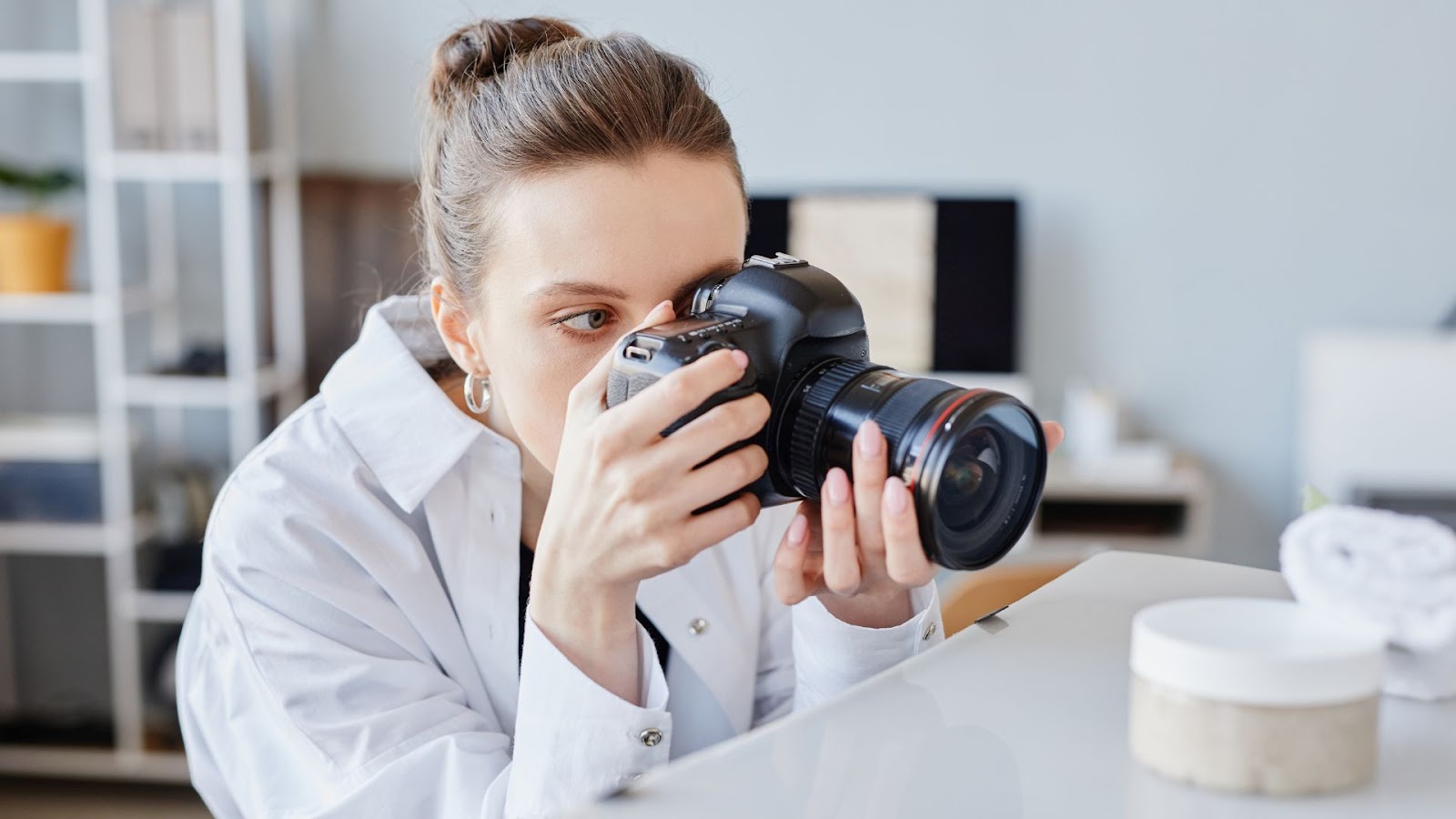
While the focus of jewellery necklace photography is on the necklace itself, the way you position and style it can have a huge impact on the overall composition of the image. The positioning of the necklace within the frame should be both visually pleasing and practical for showcasing its design.
A common approach is to photograph the necklace lying flat on a surface or hanging from a bust or mannequin. When laying the necklace flat, make sure it is arranged in a natural, graceful curve that complements the shape of the piece. Avoid any awkward angles or positioning that could make the necklace look stiff or unnatural.
If photographing the necklace hanging, consider how it will be displayed. Make sure the necklace is aligned properly and that any clasps, chains, or pendants are positioned to show off the necklace’s unique features. Take some time to experiment with different angles and positions, such as shooting from the side, above, or at a slight angle, to create depth and interest.

Post-Processing Enhancing the Image
Post-processing is essential in jewellery necklace photography retouching to enhance images while maintaining their natural look. Even though jewellery necklace photography is all about precision, post-processing can be a helpful tool for making your images truly stand out. It’s important to keep the adjustments subtle so as not to alter the natural appearance of the jewellery.
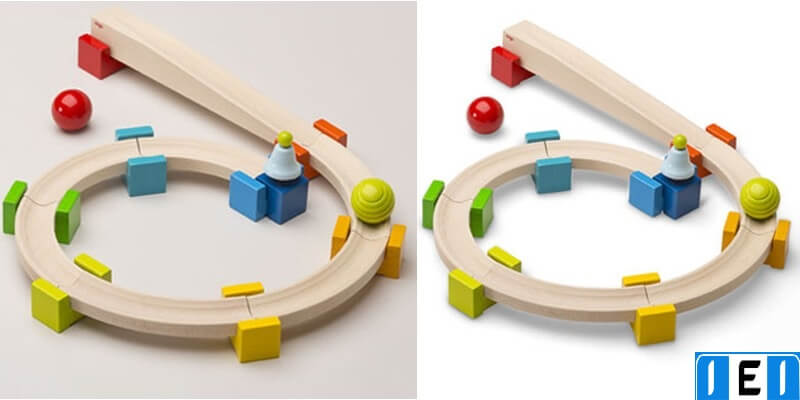
Start by correcting the exposure and white balance to ensure the colours are accurate and true to life. You may also need to sharpen the image to bring out the details of the necklace, especially when working with macro shots. Be cautious with over-editing, as excessive adjustments can distort the natural texture of the jewellery. If necessary, use spot healing tools to remove dust or blemishes from the surface of the necklace.
Finally, adjust the contrast and brightness to enhance the necklace’s features, ensuring it sparkles and shines without looking overly edited. With a few simple tweaks, you can elevate your jewellery necklace photography to a professional level.
Conclusion
Jewellery necklace photography is a delicate yet rewarding process that involves a combination of technical knowledge, creativity, and attention to detail. By focusing on lighting, background choice, camera settings, and composition, you can create stunning images that capture the beauty of the necklace and convey its value to your audience. Remember that jewellery photography is not just about showing a product—it’s about telling the story of the piece, highlighting its design, craftsmanship, and allure.
With the best practices outlined in this article, you are now equipped with the tools to take flawless jewellery necklace photography images. By experimenting with different techniques and continually refining your approach, you’ll be able to consistently produce high-quality photographs that showcase your jewellery collection in the best possible light. Whether you’re capturing necklaces for a brand, selling jewellery online, or simply showcasing your personal collection, mastering jewellery necklace photography will set you apart and elevate your photography to new heights.