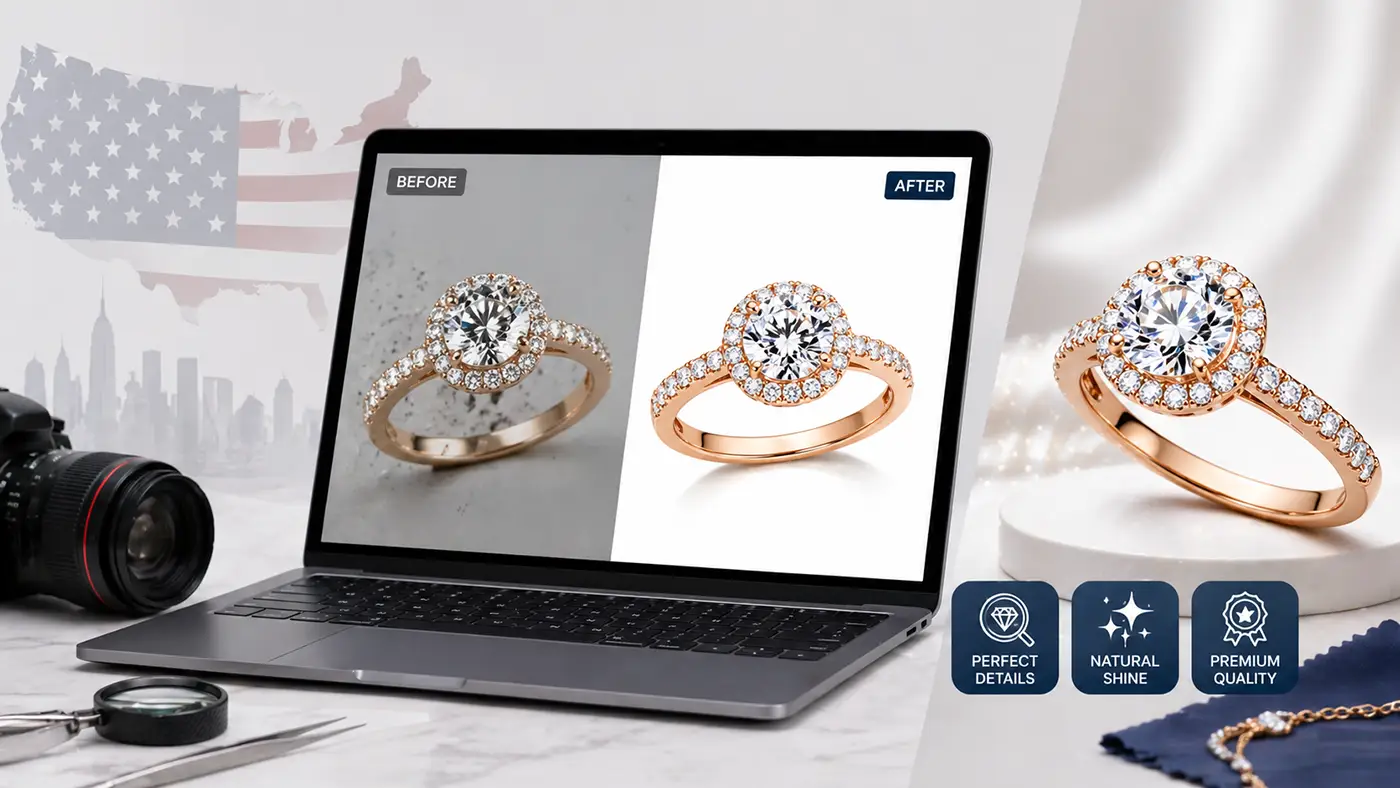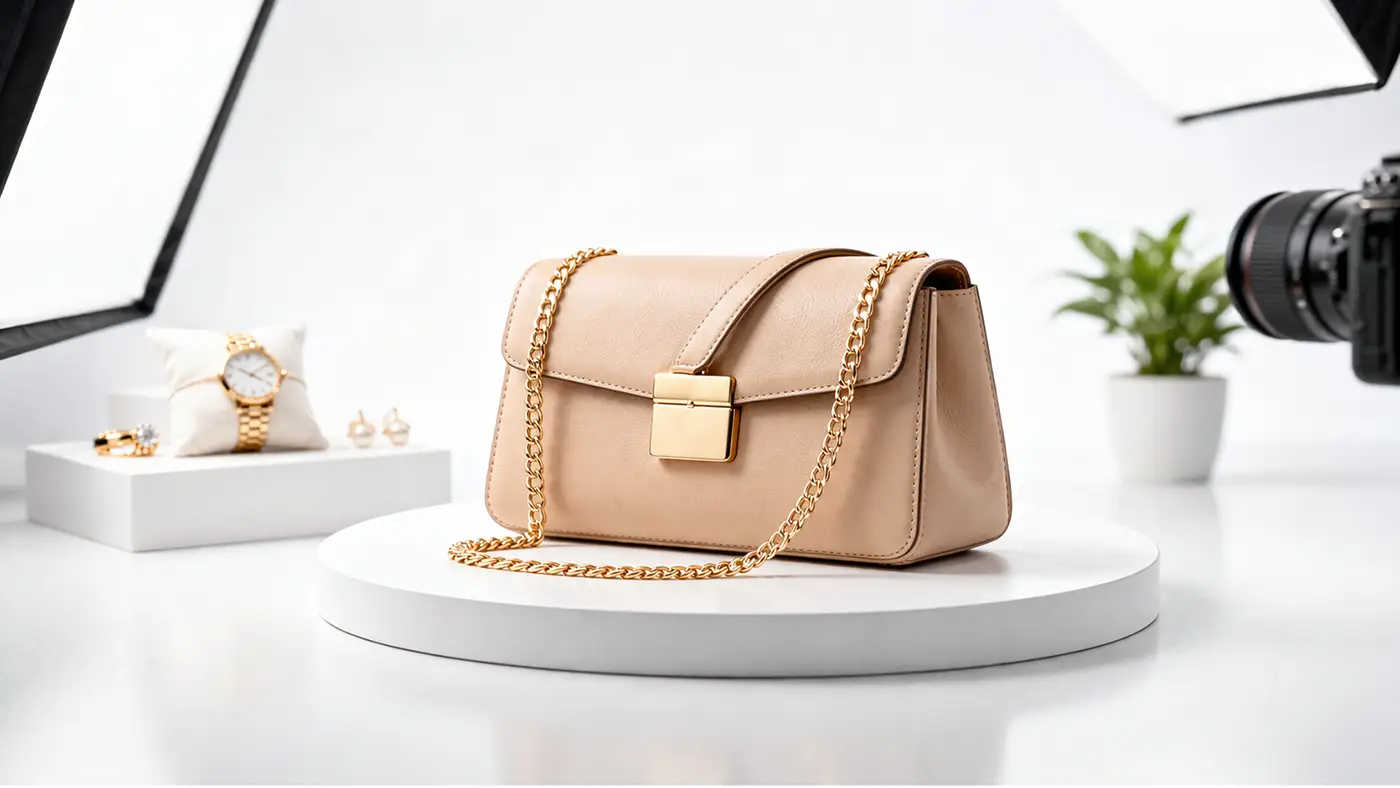
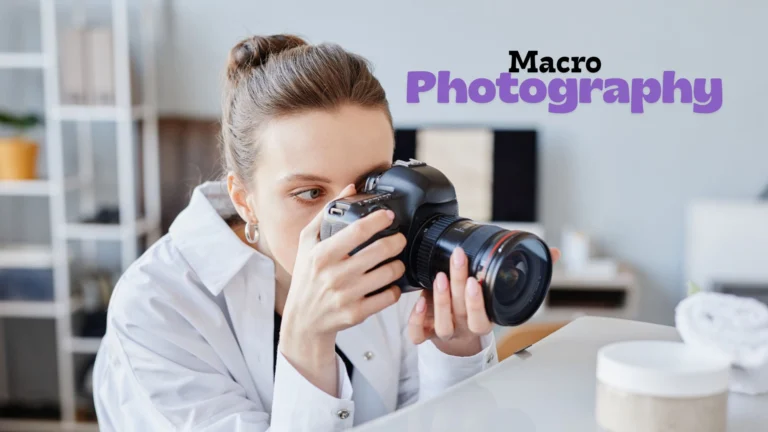
Macro photography is one of the most magical genres in the entire world of imaging. Macro photography equipment is essential for achieving 1:1 magnification or higher. In today’s era, the macro photography gear market is stronger than ever. There are advanced macro lenses available today that can deliver 5:1 magnification straight out of the box. Modern cameras now include automated focus bracketing, making focus stacking completely hassle-free. Macro photography lighting equipment effectively solves the common challenges of working distance and unwanted light blockage. Everything can be captured with precision and clarity, whether you are capturing tiny insects, studio jewellery, or delicate dewdrops. This ultimate guide provides a detailed discussion of every essential piece of macro photography equipment. There is no extra fluff, no outdated recommendations—just the tools of today’s professional macro photographers.

macro photography equipment
Understand the Basics of Macro Photography
Macro photography is the art of capturing extreme close-up images of small subjects, often achieving 1:1 (life-size) magnification. In this type of photography, the subject’s size is reproduced on the camera sensor at its actual dimensions. Specialised macro lenses or accessories like extension tubes are typically used. Manual focus is essential to keep the most important part of the subject sharp.
The depth of field is extremely shallow in macro photography, so it is crucial to ensure focus on the correct areas. A tripod or other stable macro photography equipment helps photographers to produce sharper images. A low ISO (100–200) reduces noise and aids in capturing crisp details. For a blurred background, wider apertures like f/2.8 to f/5.6 can be used. Multiple shots taken at different focus points can be combined later to create a fully-focused final image. Proper lighting is essential and can be controlled with a flash or diffuser, or natural light can also be used.
Recommended Cameras for Macro Shots
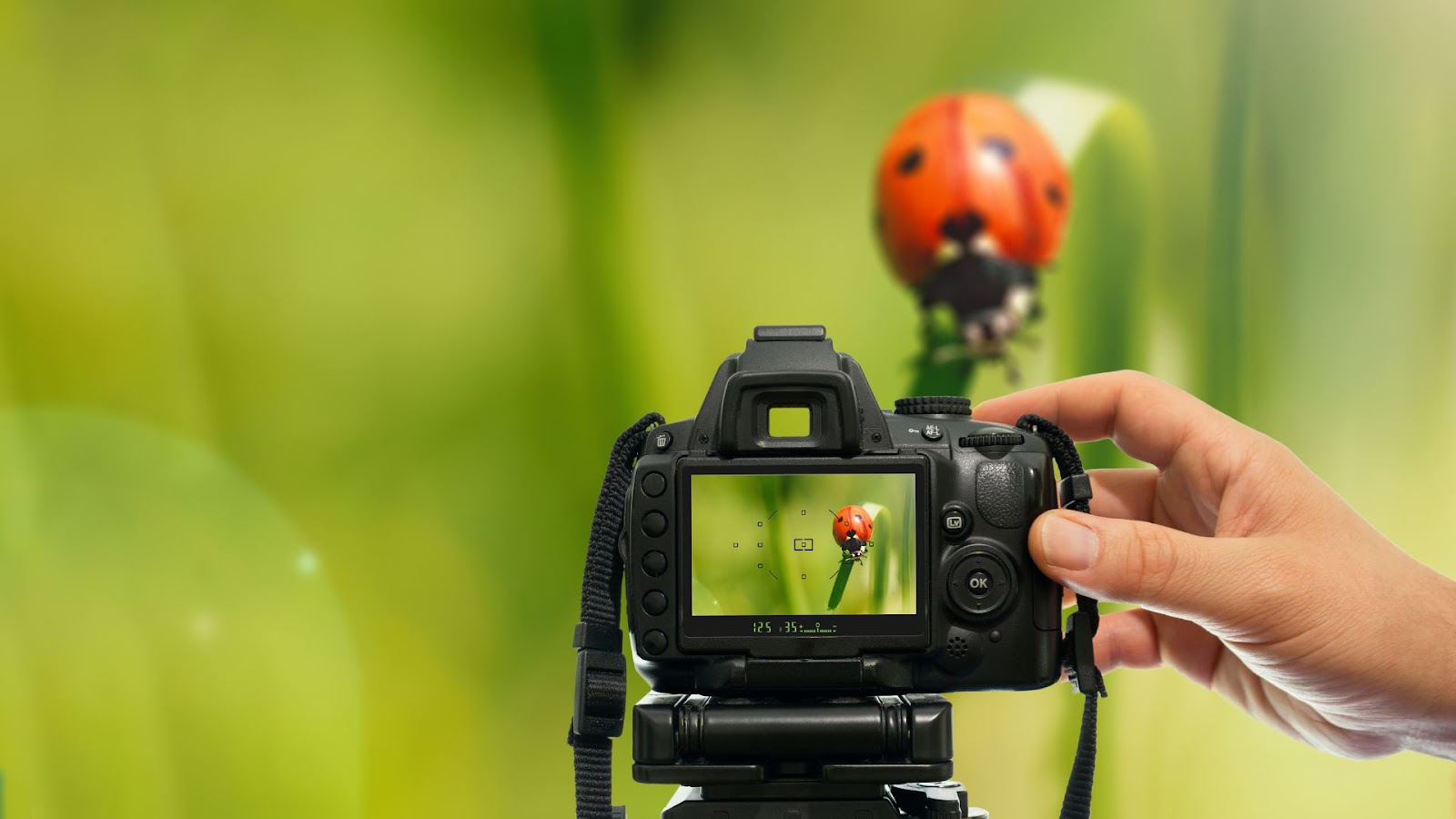
The camera is the most important macro photography equipment. A modern interchangeable lens camera makes it easier to capture sharp and detailed macro shots. This macro photography equipment offers powerful features such as in-camera focus stacking and advanced image stabilisation.
OM System OM-1 Mark II
The OM System OM-1 Mark II is a powerful Micro Four Thirds mirrorless camera. It is ideal for macro photography due to its excellent depth of field. Its IP53 weather sealing and advanced in-camera features like focus stacking and bracketing provide strong support for close-up shots. This camera offers a lower baseline resolution compared to some full-frame competitors. The 3.2-inch tilting touchscreen allows for convenient composition and image review at various angles.
Nikon Z5
The Nikon Z5 is a strong choice for macro photography. It delivers exceptional image quality, capturing fine details with impressive clarity and colour accuracy. The 3.2-inch tilting touchscreen makes composing and reviewing shots convenient in the field or studio. This camera is ideal for fast-moving subjects continuous shooting speed is limited to 4.5fps.
Sony Alpha 7 III
The Sony Alpha 7 III is a versatile full-frame mirrorless camera well-suited for macro photography. Its 24.2-megapixel sensor delivers high-resolution images with excellent dynamic range and low-light performance. The camera’s 5-axis in-body image stabilisation ensures sharper shots, even when handheld at close distances. Fast autofocus and reliable tracking help capture intricate details with precision.
Fujifilm X-T5
The Fujifilm X-T5 is a mirrorless camera with its high-resolution APS-C sensor and excellent colour reproduction. Its compact, lightweight design makes it highly portable for both studio and outdoor close-up shoots. The camera offers advanced autofocus and in-body image stabilisation. Fujifilm’s renowned film simulations provide creative options for capturing textures and colours. Its overall performance and versatility make it a strong choice for macro enthusiasts.
Olympus OM-D E-M10 Mark IV
The Olympus OM-D E-M10 Mark IV is a lightweight Micro Four Thirds mirrorless camera ideal for beginners in macro photography. Its compact design makes it easy to handle during close-up shoots, whether in the studio or outdoors. The MFT system provides a larger depth of field, helping to keep more of the subject in sharp focus. Built-in image stabilisation and intuitive controls make capturing detailed macro shots simpler for newcomers. This camera offers an excellent balance of portability, ease of use, and performance for those starting their macro photography journey.
perfect lens
Use the Perfect Lens for Macro Photography
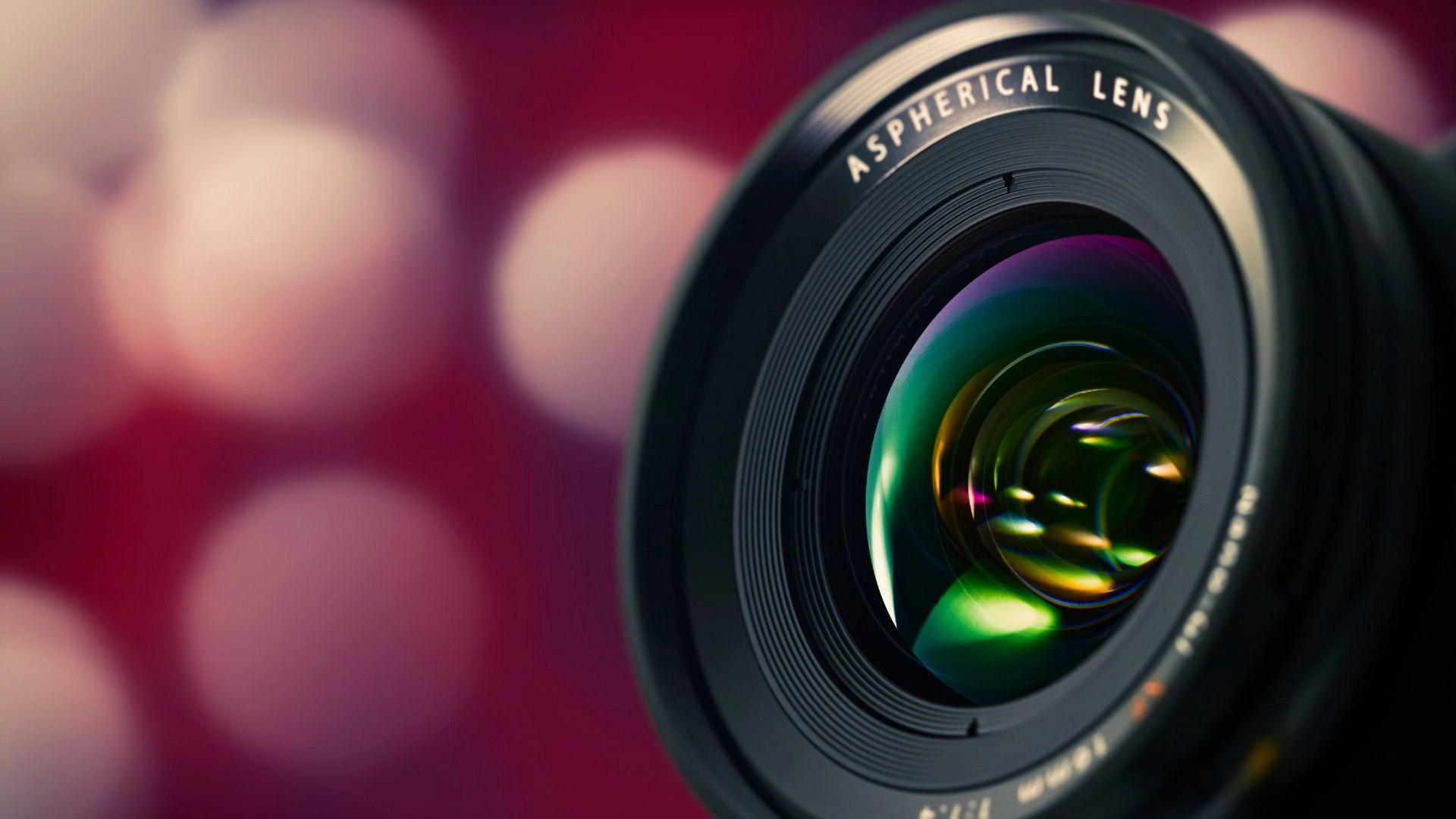
The perfect macro lens depends on your subject and budget. Typically, a 100mm or 105mm lens is preferred because it provides 1:1 magnification from a longer working distance, making it ideal for sensitive subjects. For a more versatile and budget-friendly option, a 50mm–60mm lens works well and can also be used for everyday photography. Beginners can use a kit lens, such as an 18–55mm, though it captures less detail. When choosing a lens, it’s important to consider a 1:1 magnification ratio, high-speed autofocus, excellent image quality, and a long working distance. Optical image stabilisation is useful for handheld shooting, helping to achieve sharper images. Ensuring these features allows you to capture vivid and highly detailed macro photos.

Essential macro equipment for Stability
Essential Equipment for Stability
Macro rail
A macro focusing rail is an important accessory in macro photography that allows precise movement of the camera. It helps make fine adjustments to focus, as even small movements can have a significant impact on image sharpness. Macro rails enable photographers to take multiple shots of the same subject at different positions and then merge them to achieve greater depth of field. The rails are available in both manual and motorised versions, with 1-axis, 2-axis, or 4-axis movement options. Using standard tripod threading and Arca-type plates ensures stability and minimises vibrations.
Tripod for Stability
One of the most important macro photography equipment is a tripod to stabilise your camera. Even the smallest camera movement in macro photography can have a significant impact on close-up shots. A reversible or horizontal centre column allows you to shoot at low angles without placing the camera directly on the ground. Geared tripod heads, ball heads, or pan-tilt heads provide flexibility for different shooting styles. High load capacity and the use of a counterweight enhance stability when using heavy cameras and lenses. Popular tripod options include the Manfrotto MT055XPRO3, Gitzo GT2531EX, Vanguard Alta Pro 263AB, Leofoto Urban LX-225CT, Leofoto Ranger LS-223CEX, and Moman CA70.
Subject Stabilizers
Subject stabilisers keep the subject still, preventing the image from becoming blurred. Flowers or other stationary subjects can be gently secured with a small rope or clamp to avoid movement caused by wind or vibrations. Choosing inanimate objects, such as food, jewellery, or household items, is the easiest way to prevent motion issues. For living subjects like insects, shooting in the early morning or evening is ideal, as they are less active during these times. When using a tripod, it is often recommended to turn off image stabilisation, as having both systems active simultaneously can cause problems.
Macro Photography Lighting Equipment
Common macro photography lighting equipment includes ring lights, macro flash units (single or twin flash), and continuous small LED lights. Macro flash units, including single or twin systems, offer powerful and controllable lighting. Specialised macro flashes, such as ring flashes or twin flashes, provide controlled and diffused light for macro photography. Popular models include the Godox MF12-K2, Canon MR-14EX II, and Godox V860III. Off-camera speedlites also deliver powerful and reliable lighting, especially useful for focus stacking.
Ring light or ring flash
A ring flash can freeze fast-moving subjects and provides powerful, consistent light for macro photography. The key feature of a ring flash is its shadowless, strong light with a circular catchlight. A ring light is suitable for real-time previewing of light effects because it provides smooth and continuous illumination. Using a ring flash requires proper adjustment of shutter speed and aperture settings. Ring flashes are the best option for experienced photographers, and ring lights are ideal for beginners.
Macro flash units
Popular flash units for macro photography lighting equipment include ring flashes, such as the Canon MR-14EX II, and twin flashes. Small off-camera flashes like the Godox MF12 can also be used, allowing creative control of light with a diffuser. Classic speedlites can be used as well, especially when paired with a diffuser. The two heads of a twin flash can be angled or removed, enabling dynamic lighting. Small off-camera flashes can be positioned anywhere and help create unique lighting effects.

How to Choose the Right Macro Photography Equipment
Macro Photographer for Beginners
For beginners in macro photography equipment, start with a dedicated macro lens or extension tubes. Pay attention to lighting, and use a tripod, especially when shooting in low light. Use manual focus and adjust the camera slightly forward and backwards to ensure sharp focus. Plan your shots in advance and experiment with different lighting, focus, and composition techniques. Recommended gear includes the Canon R10 or Sony a6400, Sigma 105mm f/2.8 or TTArtisan 100mm f/2.8 macro lenses, Meike extension tubes, Godox MF12 twin flash, and a tripod with Raynox DCR-250.
Intermediate Photographers
Intermediate photographers can step up their macro work using cameras like the Sony A7R IV or Canon R6 Mark II, paired with dedicated macro lenses such as the Sony 90mm f/2.8 or Canon RF 100mm f/2.8L. A sturdy tripod, such as Really Right Stuff or Leofoto, combined with a macro focusing rail, ensures precise positioning and sharp focus. For lighting, a Godox MF-R76 ring flash provides even, shadow-free illumination, while Lume Cube LED panels offer versatile continuous light for creative control and video work. This setup allows for more advanced techniques, including focus stacking, dynamic lighting, and detailed close-ups of small subjects.
Macro Photo Shot for Professionals
Professional macro photographers can use high-end cameras like the Sony A7R V, Canon R5 Mark II, or Nikon Z MC 105mm, paired with specialised macro lenses such as the Laowa 100mm 2:1 for extreme close-ups. A robust tripod system like the RRS Versa with a precision macro rail ensures accurate positioning and stability for high-magnification shots. Lighting can be handled with advanced units like the Canon MT-26EX or Godox MF-R76C with wireless control, providing consistent, shadow-free illumination. Professionals often use full focus stacking setups to achieve maximum depth of field and sharpness. Portable LED constant lights add flexibility for creative lighting and video work. This setup allows experts to capture the finest details of insects, jewellery, and other intricate subjects with precision.

Software for Macro Photography Retouching
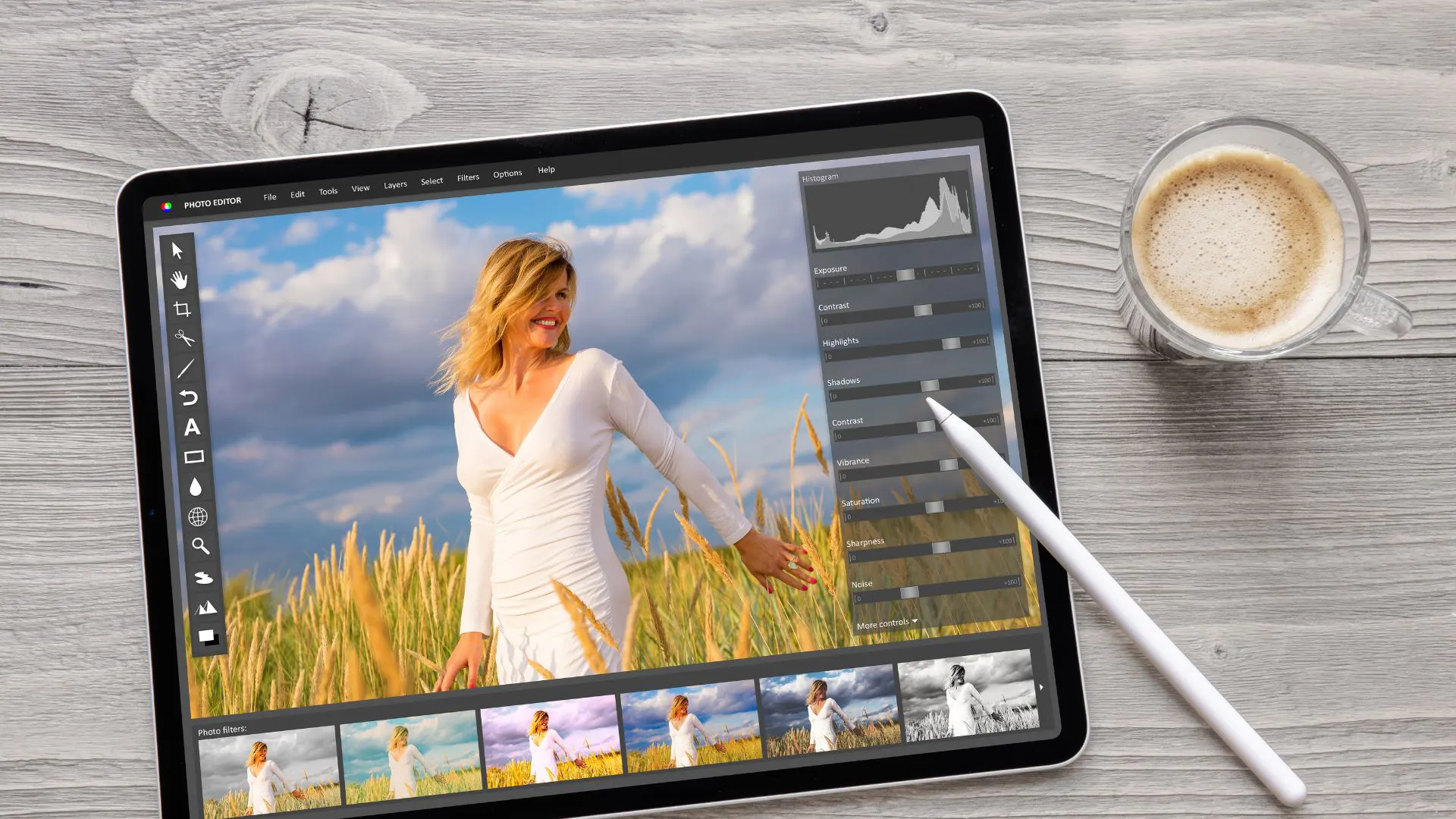
Professional software like Adobe Photoshop and Adobe Lightroom is the top choice for macro photography retouching. Photoshop offers advanced editing features such as object removal, colour correction, and compositing. Lightroom is highly effective for RAW processing and file organisation. Capture One is essential for professionals due to its advanced tools and file management system.
Helicon Focus and Zerene Stacker are specially designed programs for focus stacking. Helicon Focus delivers excellent results with well-aligned images and is strong at colour preservation. Zerene Stacker is ideal for deep or less stable stacks and enhances the sharpness of the final image. Alternatives like Luminar Neo and Capture One can also be used. Professionals often use a dedicated focus stacking program first and then export the result to Photoshop for final retouching. This workflow ensures images are sharper, more detailed, and professionally polished.
Conclusion:
Macro photography combines technical skill, specialised macro photography equipment, and creative vision. The right camera, lens, lighting, and stabilisation tools ensure sharp, vibrant images. Proper post-processing with professional software enhances precision and quality. You should understand macro photography equipment and mastering techniques like focus stacking and controlled lighting. Finally, macro photography allows you to reveal the hidden beauty of tiny subjects in extraordinary detail.