E-commerce moves fast. Brands launch new products every week. Customers expect clean, high-quality images on every product page. But behind those polished images, there is a complex process. Teams must shoot, edit, review, approve, and publish hundreds or even thousands of photos. Without the right system, delays quickly build up.
That is why many online retailers now focus on e-commerce image editing workflow efficiency. In 2026, artificial intelligence plays a major role in improving this process. AI tools help teams edit faster, reduce manual work, and keep visual standards consistent. Instead of spending hours on repetitive tasks, creative teams can focus on quality and brand storytelling.
This article explains how AI supports e-commerce image editing workflow efficiency, where it saves time, and why it matters for growing online businesses in the United States.
1. Reducing Manual Editing Tasks
One of the biggest challenges in online retail is volume. A single product may need multiple angles, close-ups, and lifestyle shots. Editing each image by hand slows down production. AI changes that.
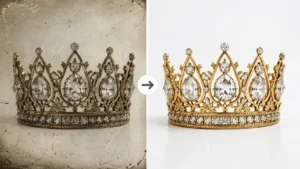
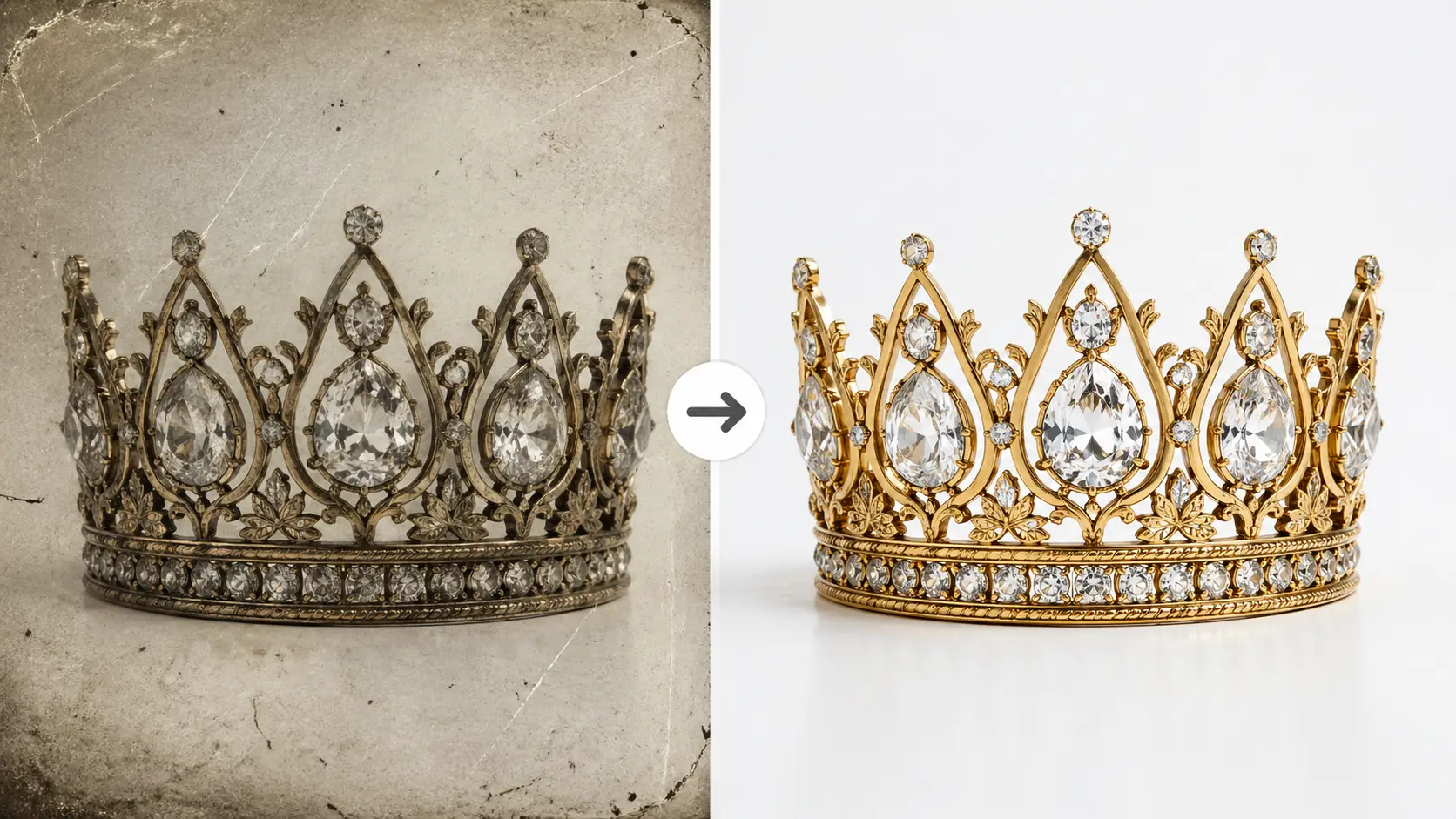
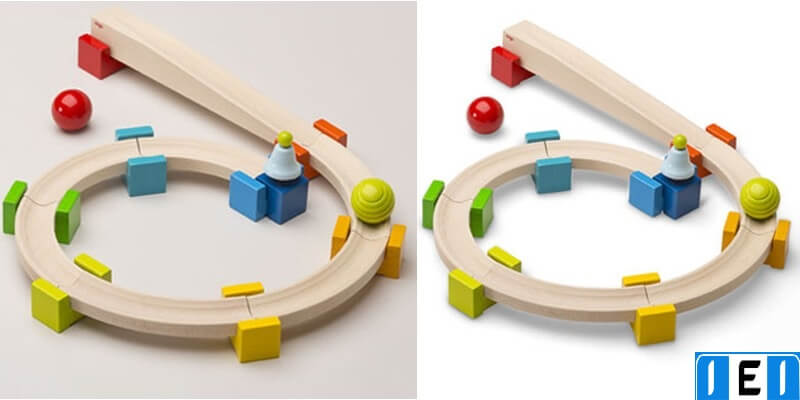
AI tools now handle background removal, color correction, shadow creation, and basic retouching in seconds. This automation improves e-commerce image editing workflow efficiency by cutting hours of manual work. Editors no longer need to repeat the same steps for every product image.
For example, AI background removal tools quickly detect product edges and remove unwanted backgrounds with high accuracy. Auto color correction ensures product colors stay true to life across different lighting conditions. These tools work consistently, which reduces errors and revisions.
Automated e-commerce photo retouching eliminates repetitive tasks and helps meet tight launch deadlines. Instead of waiting days for edits, brands can prepare product pages faster and keep inventory moving. In a competitive U.S. market, speed often makes the difference between gaining or losing sales.
2. Speeding Up Product Launch Timelines
Time to market matters. When brands delay product uploads, they miss sales opportunities. Automated image processing speeds up the entire production cycle.
With AI-powered systems, images move directly from upload to processing. Editors can apply preset brand rules automatically. There is no need to adjust every image from scratch. This process keeps projects organized and reduces back-and-forth communication.
AI also supports batch processing. Teams can edit hundreds of images at once using the same standards. Ai image editor dramatically increases workflow especially for large catalogs.
Faster editing means faster approvals. When teams receive ready-to-review images quickly, managers can approve them sooner. Products reach the website faster, and marketing teams can launch campaigns on schedule.
In 2026, brands that improve e-commerce image editing workflow efficiency with AI gain a strong advantage. They respond to trends quickly and keep their online stores updated without stress.
3. Maintaining Consistency Across Marketplaces
Many U.S. brands sell on multiple platforms like Amazon, Walmart, Shopify, and their own websites. Each platform has strict image requirements. Keeping visuals consistent across all channels can be difficult.
AI systems improve e-commerce image editing workflow efficiency by applying standardized rules automatically. These rules may include background color, image size, shadow style, or margin spacing. Instead of checking every image manually, teams rely on AI to maintain accuracy.
Consistency builds trust. When customers see clean, uniform images, they view the brand as professional. AI helps ensure every product meets the same quality standard. Artificial intelligence support enhances the efficiency of the image editing workflow and reduces complexity.
If a marketplace updates its image guidelines, teams can adjust presets quickly. AI then applies the changes across future uploads. This flexibility makes e-commerce image editing scalable and reliable, even as brands grow.
4. Improving Collaboration and Workflow Tracking
Strong communication improves production speed. AI-powered platforms now include workflow tracking tools. These tools show where each image stands in the editing process.
This visibility increases e-commerce image editing workflow efficiency. Team members can see if images are pending review, approved, or ready for upload. Clear tracking reduces confusion and prevents duplicate work.
AI also organizes files automatically. Smart tagging and metadata systems label images based on product type, category, or color. This organization improves search speed and supports better e-commerce image editing.
When teams collaborate in one centralized system, they avoid long email threads and file-sharing issues. Everyone works from the same dashboard. AI clipping path keeps projects moving smoothly and improves overall efficiency across departments.
5. Scaling Image Production Without Increasing Costs
As online stores grow, image volume increases. Hiring more editors may solve the problem, but it raises costs. AI offers a smarter solution.
By automating repetitive steps, companies improve AI e-commerce image editing workflow efficiency without expanding large teams. AI handles high-volume processing while human editors focus on complex retouching and creative decisions.
This balance keeps quality high while maintaining speed. Brands can scale operations without losing control. Automatic photo retouching reduces operational stress and increases business profitability.
In 2026, AI-driven systems allow businesses to handle seasonal spikes, flash sales, and large product drops without slowing down. AI-powered image editing keeps visuals sharp, consistent, and customer-ready at all times.
Conclusion
Artificial intelligence is no longer just a trend in online retail. It has become a practical tool that helps brands work smarter and faster. In 2026, companies across the United States rely on AI to strengthen e-commerce image editing workflow efficiency and stay competitive in a fast-moving market.
By reducing manual tasks, speeding up product launches, maintaining consistency across marketplaces, improving collaboration, and supporting large-scale production, AI creates a smoother editing process from start to finish. Teams save time, lower errors, and focus more on creative quality instead of repetitive work.
Powerful AI editing increases the efficiency of the image editing workflow as customer expectations continue to grow. Brands that invest in AI-driven systems today position themselves for long-term success. Faster workflows mean faster product launches, better visuals, and ultimately, more sales.
In short, AI is helping e-commerce businesses turn image editing from a bottleneck into a strategic advantage.