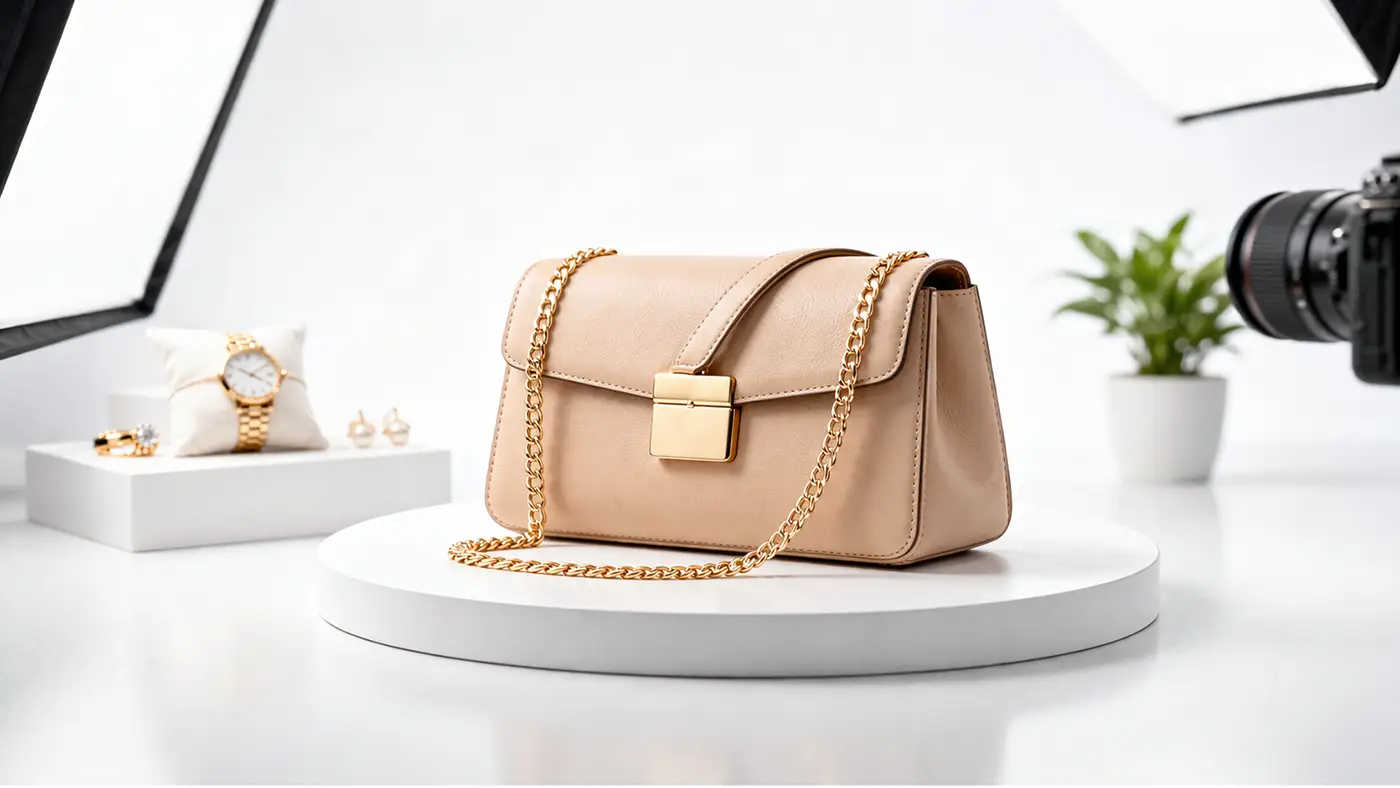
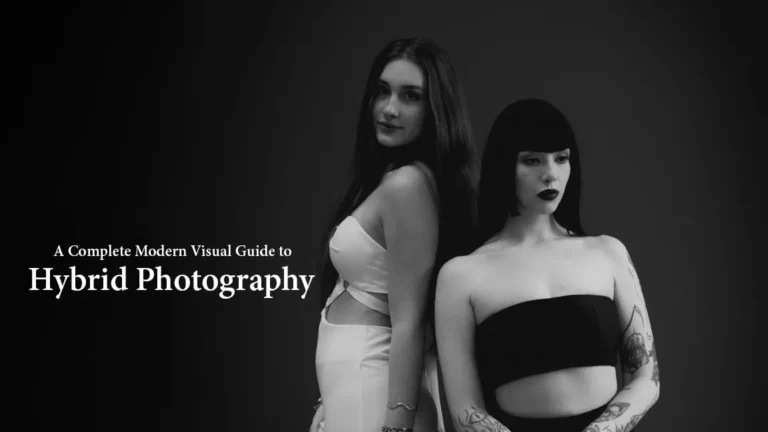
Hybrid Photography has transformed how visual stories are captured and presented today. It combines still images, motion, sound, and digital art into one seamless workflow. As audiences demand richer experiences, photographers must adapt their creative approach. This guide explains how hybrid photography works, why it matters, and how professionals use it effectively. Whether you are transitioning from traditional methods or refining advanced workflows, this guide provides practical, modern insights.
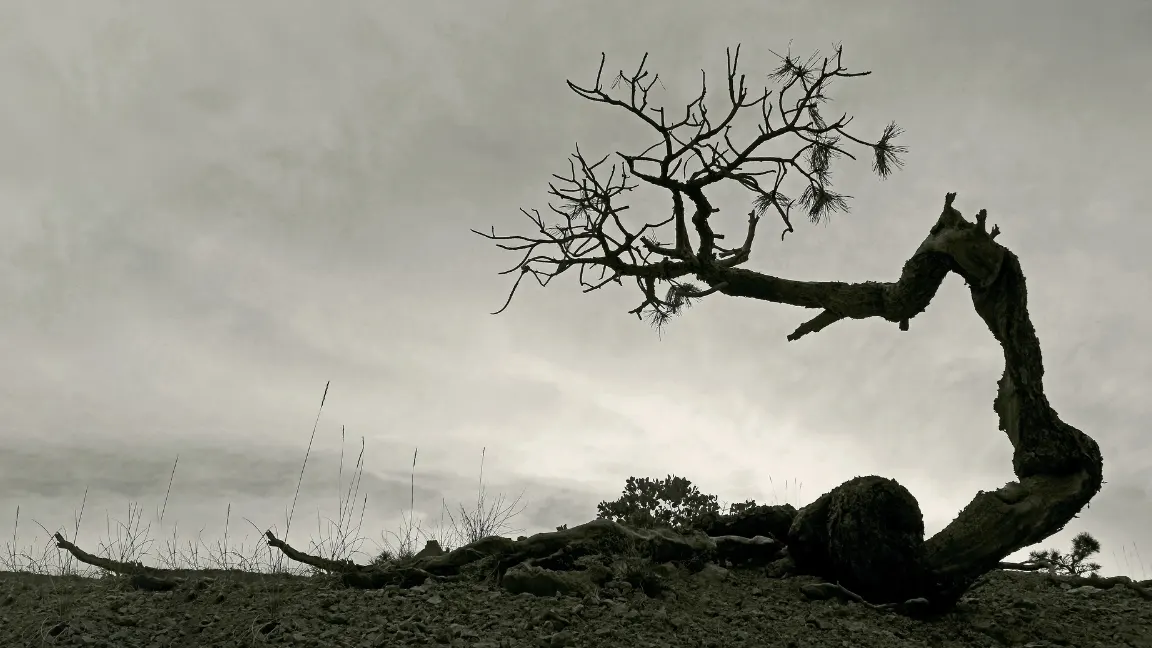
Types of Hybrid Photography
Hybrid photography exists in several creative forms. Each type blends different visual disciplines to produce stronger storytelling results. Understanding these categories helps every hybrid photographer choose the right approach for each project.
Analog & Digital Blend
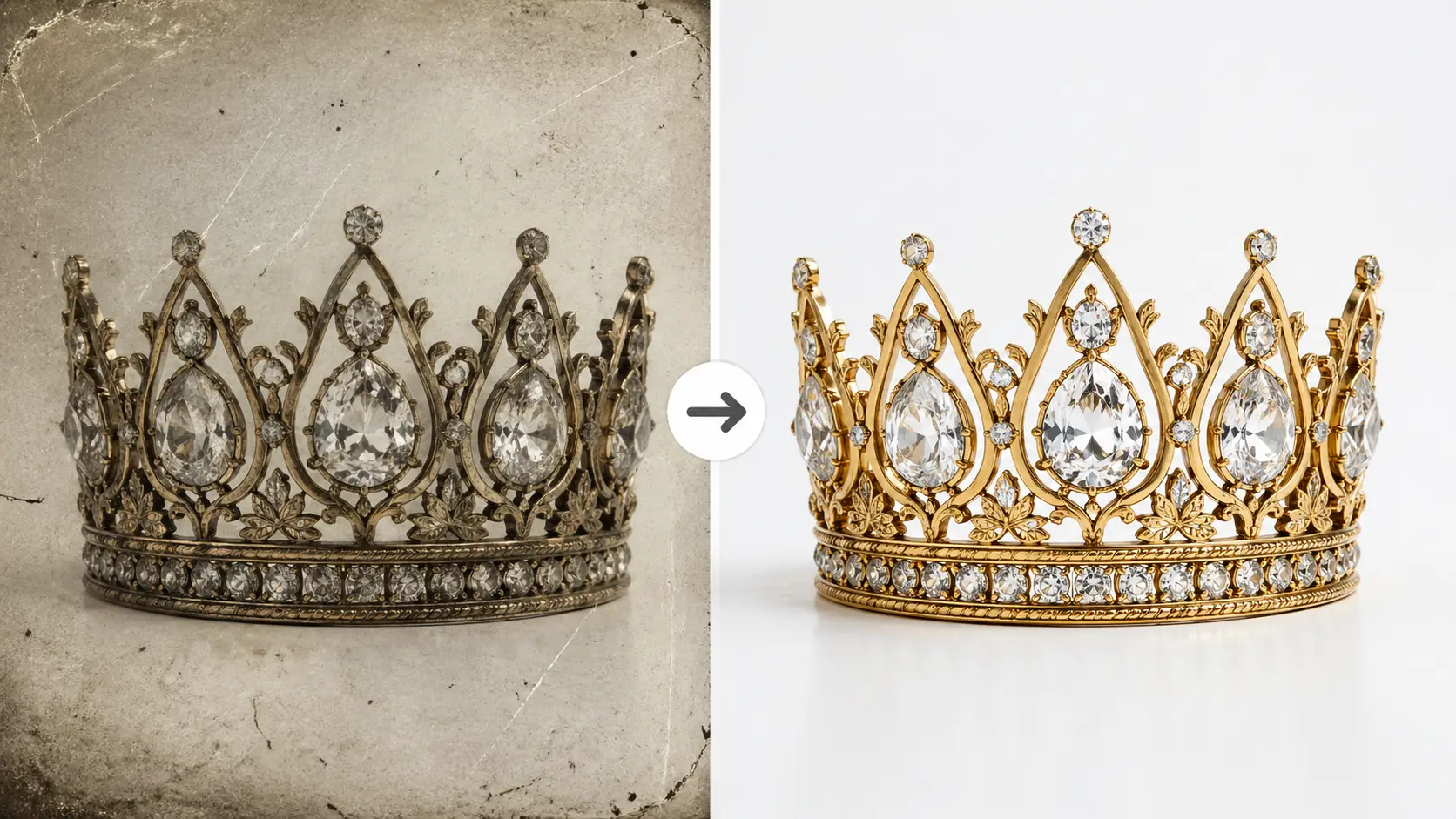
This approach combines classic film capture with modern digital processing. Many artists enjoy the organic texture film provides. They later refine images digitally for consistency and delivery. This method supports creative freedom while preserving authenticity. It also appeals to photographers transitioning from film to digital photography without losing character. Choosing film or digital photography becomes unnecessary when both mediums complement each other creatively.
Photo & Video/Audio
Modern hybrid shooters capture stills alongside cinematic video and synchronized sound. This method strengthens emotional engagement and storytelling depth. It is widely used in documentaries, branding, and hybrid wedding photography projects. A skilled hybrid wedding photographer can deliver albums, films, and audio narratives together. As a result, clients receive a complete visual experience instead of separate outputs.
Physical & Digital Art
This type merges physical elements with digital manipulation. Photographers scan prints, textures, or paintings and integrate them digitally. The result feels handcrafted yet modern. Many fine-art professionals combine film and digital photography techniques here. This blend enhances originality while maintaining artistic control across mediums.

Key Benefits & Techniques
Hybrid photography offers practical and creative advantages for modern professionals. It increases adaptability, ensures visual consistency, and improves audience engagement. Strong hybrid photography techniques support long-term creative growth and business success.
Versatility
Hybrid shooters can switch between stills and motion instantly during production. This flexibility reduces missed moments and production delays. It also supports hybrid shooting photography workflows across commercial, editorial, and event projects. Photographers deliver more content from a single session, increasing value and efficiency. Versatility also strengthens competitive advantage in evolving visual markets.
Cohesive Aesthetic
Consistency matters across platforms and formats. Hybrid workflows ensure matching color, tone, and mood. This approach strengthens branding and storytelling clarity. Whether using a hybrid digital camera or multiple capture tools, cohesive visuals feel intentional. Audiences connect better with unified creative narratives.
Immersive Storytelling
Hybrid visuals allow stories to unfold naturally across images, motion, and sound. This layered approach increases emotional impact. It also supports educational, commercial, and narrative projects effectively. Hybrid storytelling feels more human and memorable. As a result, viewer engagement improves significantly.
Equipment
Hybrid photography requires reliable, adaptable tools. Choosing the right equipment ensures smooth transitions between still and motion capture. Professionals avoid limitations by investing in flexible systems that support creative demands.
Workflow
A strong hybrid workflow begins with clear planning. Photographers outline deliverables before shooting. They capture stills and motion intentionally, not randomly. Post-production follows a unified color and sound strategy. Efficient workflows reduce editing time and maintain visual consistency. This structure supports scalability and professional reliability.

Top Hybrid Cameras
Modern hybrid cameras deliver exceptional still resolution and cinematic video performance. These tools support 45MP images alongside 8K or 4K/120p video. Choosing the best hybrid camera depends on shooting priorities, workflow preferences, and budget considerations.
Panasonic Lumix S5 IIX
The Panasonic Lumix S5 IIX balances advanced video features with strong still performance. It supports professional codecs and internal recording. Its autofocus and stabilization improve reliability during fast shoots. This camera suits creators focused on hybrid commercial and documentary work.
Sony Alpha 1 II and Nikon Z8
Sony Alpha 1 II and Nikon Z8 represent high-end professional solutions. Both deliver exceptional resolution and speed. They handle demanding workflows effortlessly. These cameras suit large-scale productions, sports, and commercial storytelling projects requiring precision.
Canon EOS R5 C
Canon EOS R5 C prioritizes cinematic performance without sacrificing still quality. It excels in thermal management and long recording sessions. Many professionals pair it with a professional video tripod for stable motion capture. This model suits filmmakers who also deliver premium photography.
Nikon Z6 III
Nikon Z6 III offers strong value for full-frame hybrid shooters. It balances performance, affordability, and reliability. Its ergonomics support extended shoots. This camera fits photographers upgrading to hybrid workflows without excessive investment.
Essential Skills For Hybrid Photography
Technical knowledge alone does not guarantee success. Hybrid professionals must balance creativity, storytelling, and operational discipline. These skills elevate results across formats and platforms.
Technical Proficiency
Hybrid shooters understand exposure, frame rates, codecs, and audio basics. They confidently operate advanced tools, including a hybrid thermal camera for specialized applications. Mastery reduces errors and improves efficiency. Technical confidence allows greater creative focus during production.
Creative Vision
Strong vision guides content capture decisions. Hybrid artists visualize how stills and motion work together. This mindset strengthens storytelling cohesion. Creative intent prevents overshooting and simplifies editing. Vision separates professionals from equipment operators.
Storytelling Techniques
Effective storytelling connects visuals emotionally. Hybrid creators plan narrative arcs before shooting. They understand pacing, transitions, and mood. Techniques borrowed from cinema enhance photographic storytelling depth. As a result, content feels purposeful and engaging.
Gear and Equipment Essentials
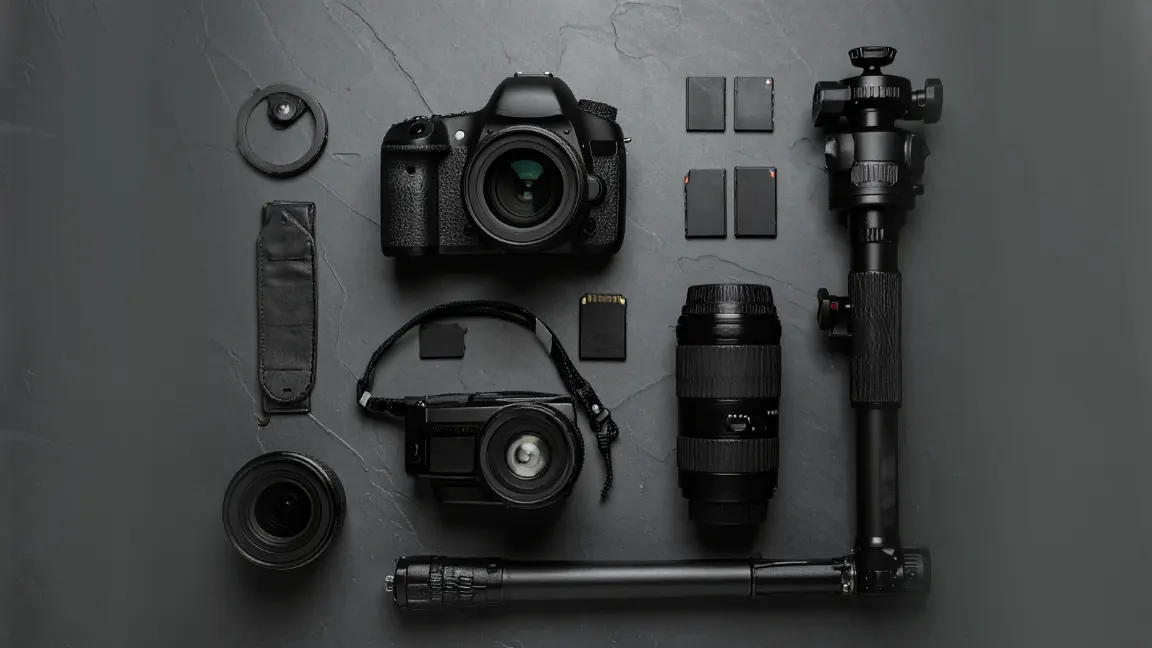
Hybrid photography doesn’t depend on cameras alone. Supporting gear helps improve both the quality of your work and workflow efficiency. Each tool adds value, making photos, videos, and mixed media projects more professional and smooth. Using the right gear makes your work easier, faster, and high-quality every time.
Cameras and Lenses
Choosing versatile lenses gives more flexibility. Zoom lenses help capture fast action, while prime lenses add character. Many photographers explore how to shoot film photography alongside digital cameras for creative projects. Lens choice directly affects storytelling style and visual consistency, ensuring your work looks professional across all formats.
Audio Equipment
Clear audio is very important in hybrid photography. External microphones reduce background noise and improve clarity. Good sound design adds emotion to your visuals. Audio should never be an afterthought. Proper audio makes your videos and hybrid content more engaging and professional.
Stabilization Tools
Stable footage immediately looks more professional. Gimbals and pro tripods reduce unwanted camera movement. A reliable professional video tripod ensures smooth pans and locked-off shots. Stabilization tools protect image and video quality across different formats, helping your hybrid photography look clean and polished.
Techniques For Capturing Stunning Photos
Taking amazing Photos in hybrid photography needs both skill and creativity. Good techniques make your photos and videos look much better. The two most important things are composition and lighting. Composition helps guide the viewer’s eyes to the main subject. Lighting sets the mood and makes images feel real and alive. When you use these well, your photos and videos look professional. Even if you are mixing stills, video, or digital effects, understanding these basics makes your work clear, strong, and enjoyable to watch.
Composition And Lighting
Composition is about arranging everything in the frame so it looks balanced. Lighting shows depth and mood, making your subject stand out. Using key light photography makes the main subject clear. Bright styles like high key photography or setups from high key lighting in film create clean and cheerful visuals. Good composition and lighting make your photos and videos look professional and interesting.
Conclusion
Hybrid photography represents the future of visual storytelling. It blends creativity, technology, and narrative into one unified approach. Professionals who adapt gain flexibility, relevance, and creative control. Mastering Hybrid Photography requires learning, experimentation, and intentional storytelling. However, the rewards include stronger engagement and broader opportunities. As visual demands continue evolving, hybrid creators remain best positioned to succeed.