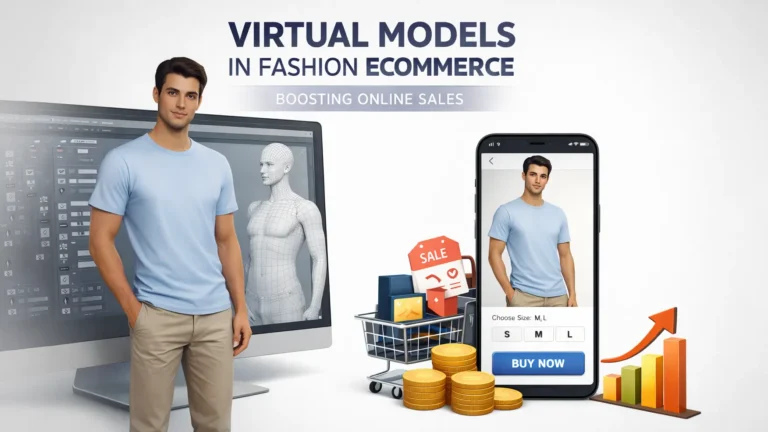
Fashion ecommerce relies heavily on visual presentation. Customers cannot touch fabrics, feel textures, or try clothes on before buying. This makes images the most important factor in convincing someone to purchase a product. Traditional photography often fails to answer all the questions customers have about fit, proportions, and style.
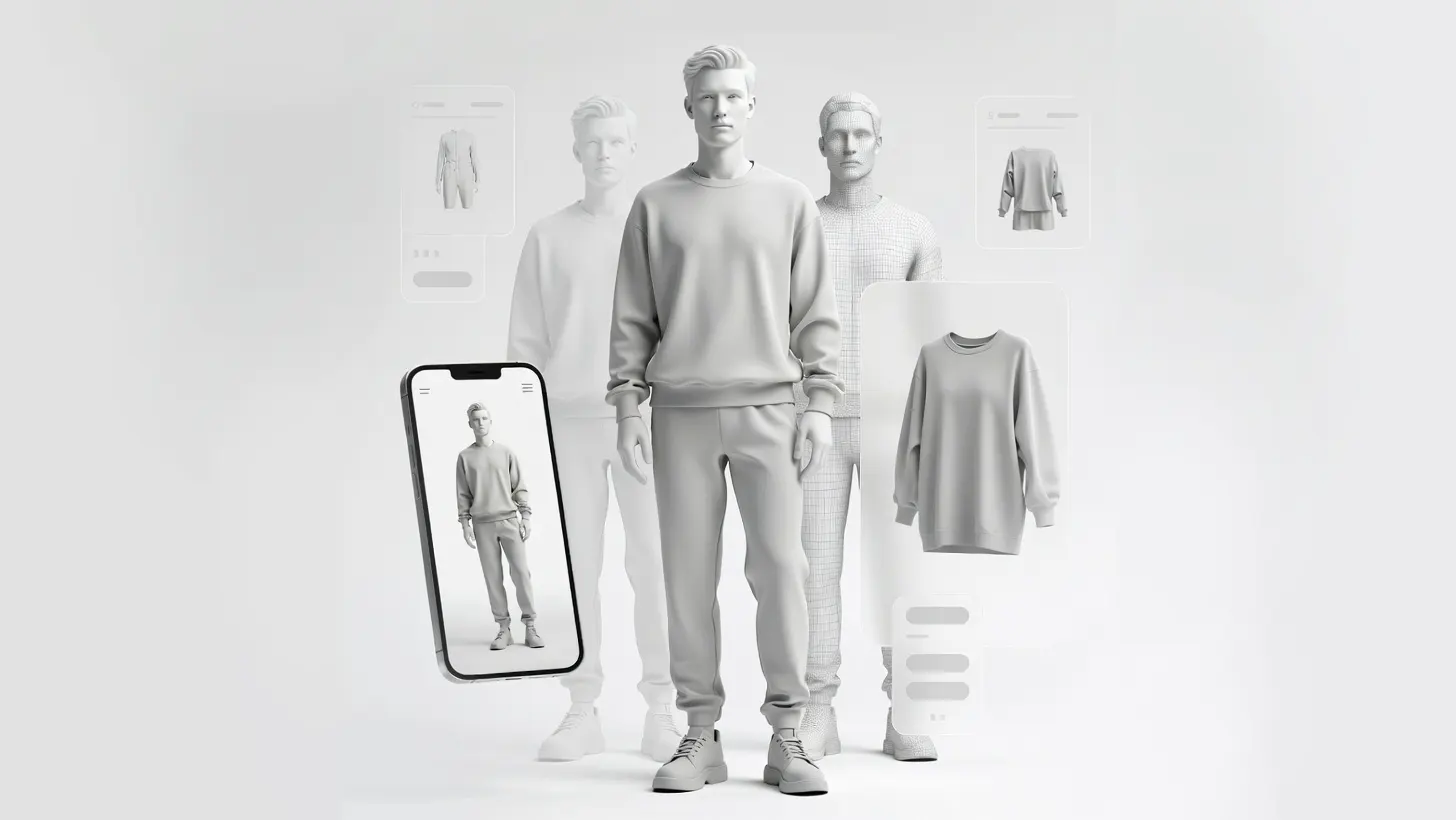
This is where virtual models in ecommerce become a game-changer. Virtual models are digital human figures created with advanced 3D modeling and rendering techniques. They can wear clothes, pose naturally, and display products in highly realistic ways. Brands can control body shapes, lighting, and angles consistently. Using virtual models in ecommerce improves product clarity, builds customer trust, and boosts conversions.

Why Visual Presentation Matters in Fashion Ecommerce
Images act as silent sales representatives in online fashion stores. Customers often decide within seconds whether to continue exploring a product or leave. Poor visuals decrease trust, while clear, high-quality presentation encourages engagement and purchases.
How Visual Quality Influences Buying Decisions
Shoppers rely on images to understand fit, length, color, and overall appearance. They also want to see garments from multiple angles. When visuals are unclear or inconsistent, buyers hesitate or abandon carts. Using virtual models in ecommerce, brands can show clothing with accurate proportions, realistic textures, and consistent lighting. Some brands even integrate 3D models for metaverse experiences. They also use AR/VR 3D models to let customers interact with products digitally. Clear visuals reduce hesitation, enhance confidence, and make purchasing faster and easier.
Limitations of Traditional Fashion Photography
Traditional photoshoots are expensive, time-consuming, and difficult to scale. Each new collection, color, or product size often requires another photoshoot, adding cost and effort. Lighting, poses, and styling may vary, creating inconsistencies across product images. These variations can weaken brand identity and confuse customers. Using virtual models in ecommerce, brands maintain consistency and reduce reliance on real models. They can also create VR 3D models for immersive shopping. Fitting room 3D models further enhance the customer experience.
How Virtual Models Improve Sales Performance
Virtual models help customers understand products better and make confident buying decisions. They reduce confusion, increase clarity, and ultimately improve conversion rates and sales performance.
Clear Fit and Proportion Visualization
Fit is one of the biggest concerns in fashion ecommerce. Customers worry if clothes will suit their body shape or size. Virtual models allow brands to display garments on realistically proportioned digital bodies. Customers can see how lengths, shapes, and silhouettes look in different postures. Some brands also integrate virtual skeleton models or VR headset 3D models for detailed visualization, ensuring accurate fit and helping shoppers feel confident. Virtual models in ecommerce make shopping easier, build confidence, and encourage purchases.
Improved Conversion Rates
Conversion rates increase when customers trust the product visuals. Poor photography creates doubt, while high-quality 3D visuals build confidence. Virtual models allow brands to present products with consistent style, lighting, and proportion. Some companies even create meta quest pro 3D models or VR glasses 3D models to offer interactive experiences. Customers can examine garments from multiple angles or in virtual fitting rooms. This higher level of interactivity and detail from virtual models in ecommerce boosts engagement. It also increases the likelihood of completing a purchase.
Reduced Product Returns
High return rates cost time and money. Most returns happen because items do not match expectations. Virtual models help minimize this by showing realistic fit, drape, and proportion. Advanced 3D modeling for virtual try-on, AR VR 3D models, and fitting room 3D models allow shoppers to see garments realistically before buying. When products are shown clearly, virtual models in ecommerce help customers know what to expect. This reduces disappointment, lowers returns, and keeps customers happy over the long term.
Cost Efficiency and Scalability for Fashion Brands
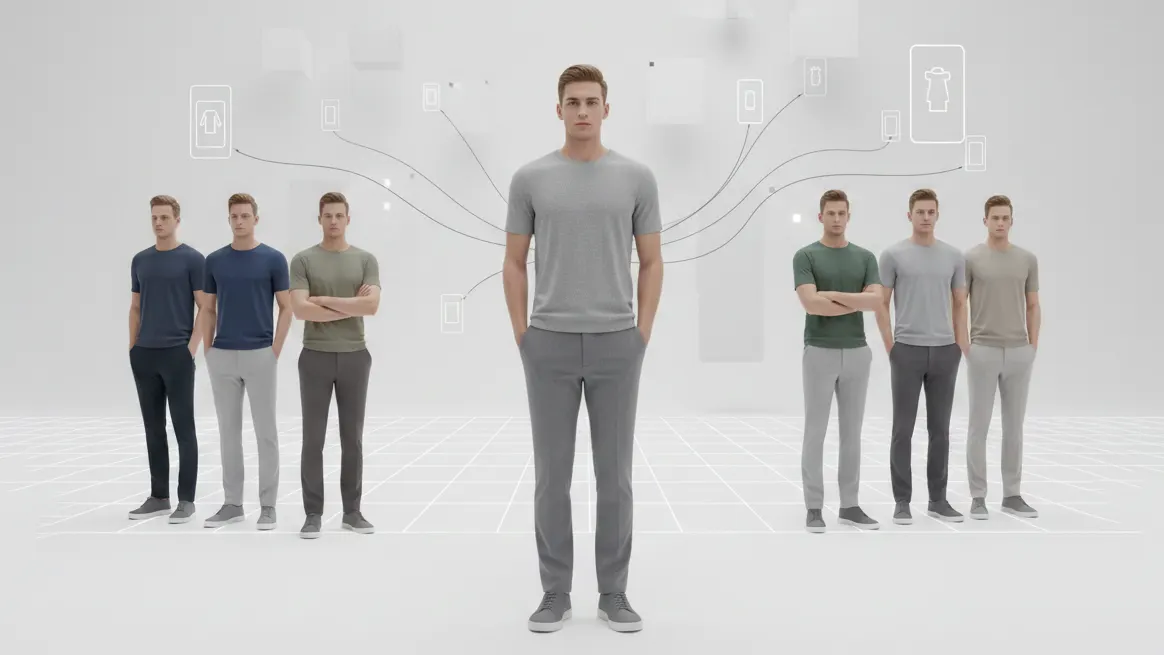
Managing visual content costs while maintaining quality is a major challenge for fashion brands. Frequent product updates, seasonal collections, and marketing campaigns require scalable solutions. Virtual models in ecommerce offer a cost-efficient and scalable alternative.
Lower Production and Photoshoot Costs
Traditional photoshoots require model fees, studio rentals, photographers, stylists, and post-production. Each new product, size, or color variation adds to these costs. Virtual models allow brands to reuse digital figures for multiple products, reducing the need for repeated shoots. Brands can showcase their collections using virtual sets 3D model free download. They can also use virtual rendering 3D modeling content without spending extra on production. This approach saves time, lowers cost, and maintains consistent quality across products.
Faster Content Creation at Scale
Fashion trends move quickly. Brands must update catalogs and marketing content fast. Virtual models allow new product visuals to be created in hours instead of weeks. Using VR 3D models, 3D models for metaverse, or second life avatar 3D model download, brands can display interactive content for online stores and social media. This ability to scale content quickly makes virtual models in ecommerce ideal for growing businesses. It allows brands to expand without increasing production costs.
Consistent Branding Across All Channels
Consistency strengthens brand recognition and trust. Traditional photoshoots often create visual variation across platforms. Virtual models maintain uniform lighting, posture, and styling across websites, advertisements, and social media. Brands can also extend these visuals into immersive experiences using Meta Quest 2 3D model or Oculus 3D model free for VR marketing. By keeping visuals consistent, virtual models in ecommerce create a professional and cohesive brand image. This makes it easier for customers to recognize and connect with the brand wherever they shop.
Virtual Models Compared to Real Models
Both virtual and real models are valuable in fashion marketing. Real models work best for lifestyle campaigns, storytelling, and emotional engagement. They help show personality and brand identity. Virtual models excel at product-focused content, ensuring clear fit, angles, and consistent style. Many brands combine both approaches to get the benefits of each. By keeping visuals consistent, virtual models in ecommerce create a professional and cohesive brand image. This makes it easier for customers to recognize and connect with the brand wherever they shop.
Enhancing Customer Experience Through Personalization
Modern shoppers expect personalized and inclusive experiences. They want to see clothing that relates to their body type, style, and preferences. Virtual models enable this by showing garments on different body shapes, sizes, and postures. Some brands also use VR studio models or virtual TV studio set 3D model to create interactive, immersive experiences. This personalization increases satisfaction, loyalty, and helps customers feel represented. With virtual models in ecommerce, brands can offer inclusive shopping experiences that build stronger emotional connections.
Preparing for the Future of Digital Fashion Shopping
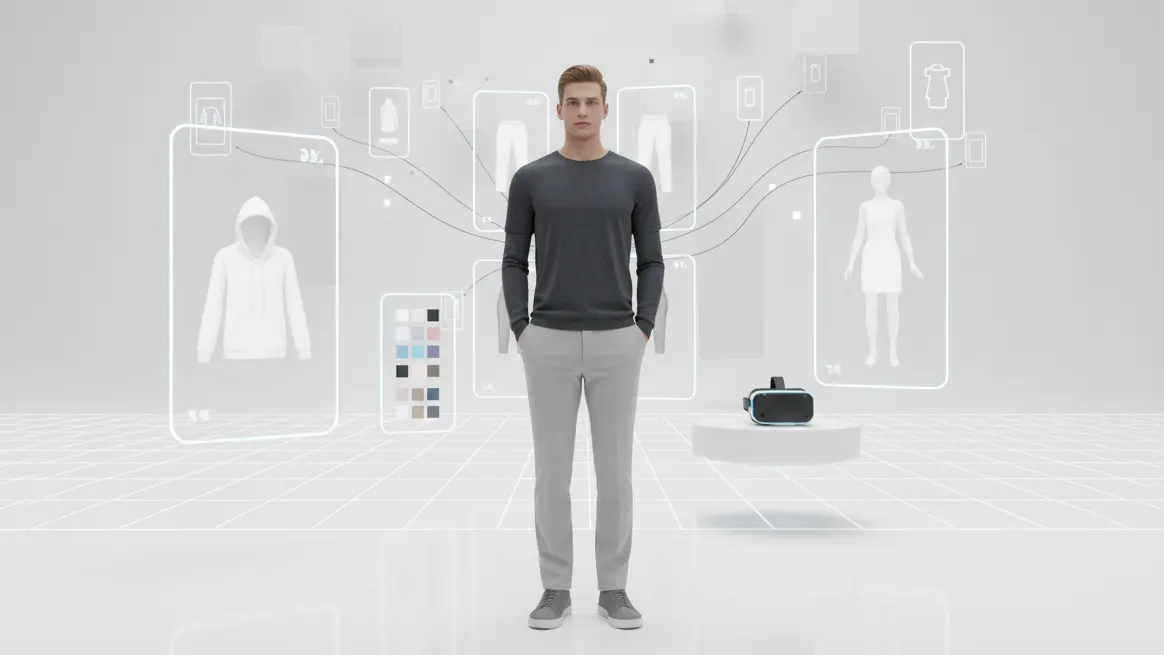
The future of fashion ecommerce is interactive and immersive. Digital showrooms, AR/VR try-ons, and 3D product exploration are growing rapidly. Virtual models integrate seamlessly into these spaces, allowing customers to view and interact with garments realistically. Using VR for Blender, VR controller 3D model, or virtual set 3D model, brands can showcase products in virtual environments. Brands can also extend these visuals into immersive experiences using Meta Quest 2 3D model. They can use Oculus 3D model free for VR marketing.
Challenges and Best Practices
Virtual models offer many benefits, but quality is key. Poorly designed models or unrealistic visuals can reduce trust. Brands must invest in realistic proportions, natural posture, accurate lighting, and high-quality rendering. Skilled designers and structured workflows are essential for success. When executed correctly, virtual models in ecommerce provide clarity and improved conversions. They also lower return rates and maintain consistent branding without compromising authenticity.
Conclusion
Fashion ecommerce requires clarity, speed, and trust to succeed. Virtual models improve all three. They enhance product understanding, boost conversions, reduce returns, and lower production costs. They also ensure consistent branding across channels and prepare brands for immersive digital shopping experiences. For modern fashion businesses, virtual models in ecommerce are not optional. They are a strategic investment that drives growth, efficiency, and customer satisfaction in the digital age.