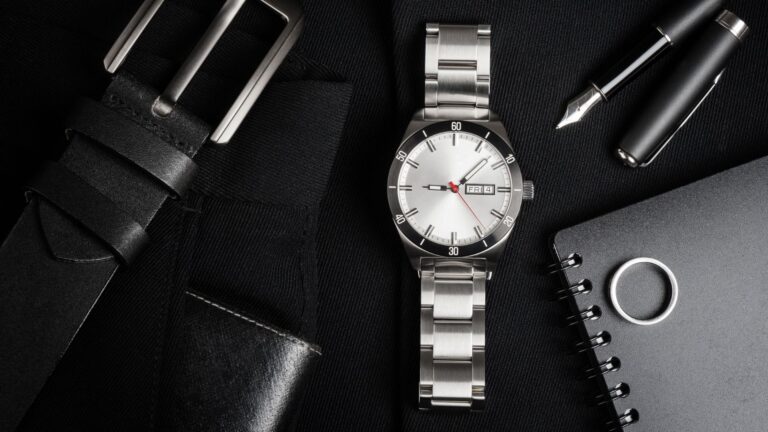
Capturing the craftsmanship, texture, and fine details of a watch can be quite challenging. So, professional watch photography requires skill, creativity, and a strong understanding of the watch’s characteristics. Becoming proficient in watch macro photography allows you to showcase the true beauty and value of a timepiece with greater precision. Photographers to watch blend artistic vision with technical perfection to create unique visual images. Whether you are a photographer, a watch collector, or an online seller, a good watch photo makes your images far more appealing. This guide highlights the essential equipment, techniques, and important tips for a high-quality watch product shoot.
Understanding Watch Product Photography
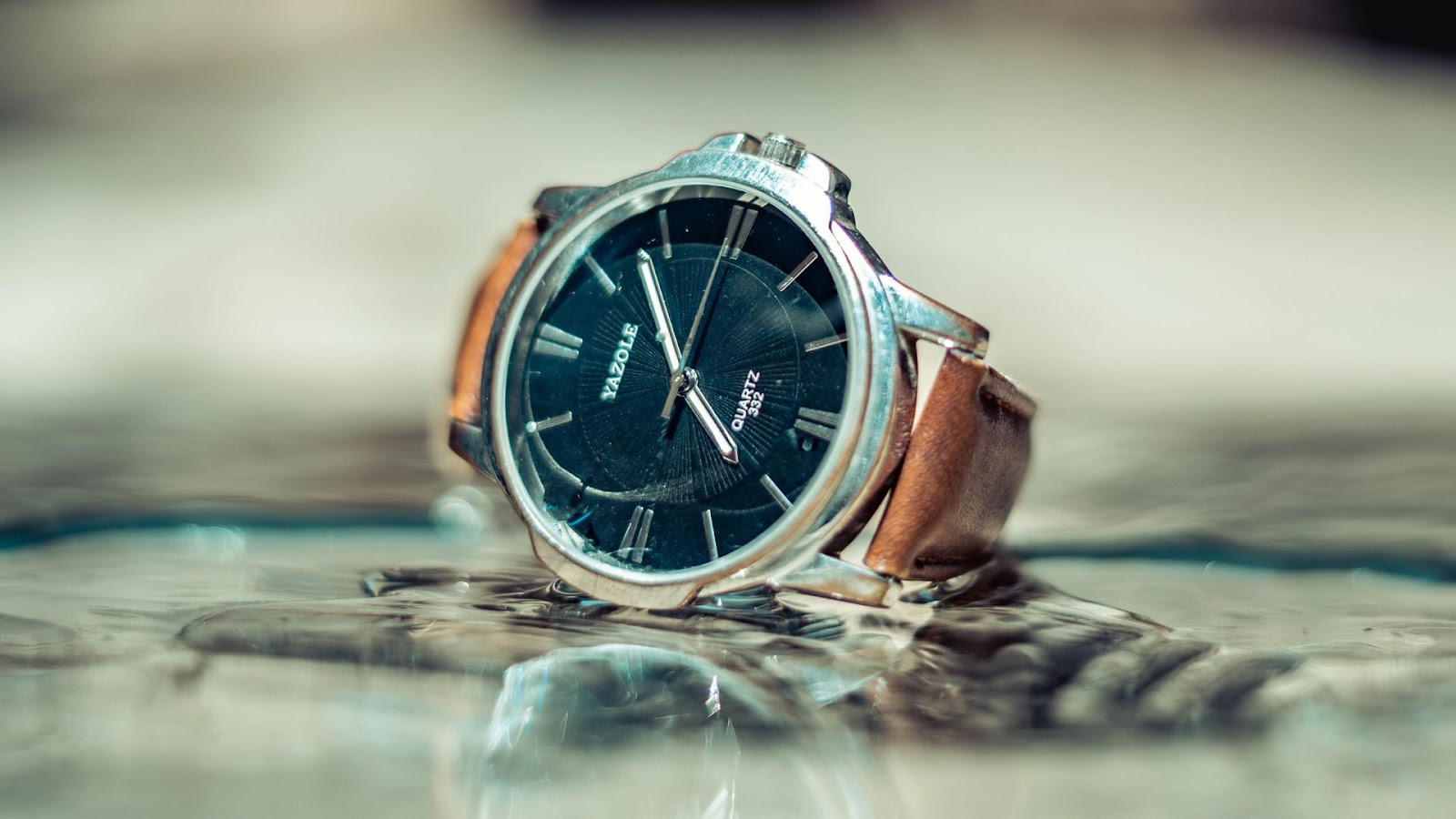
Watch product photography is an art that shows off the small details and story of a watch. To get the dial, case, strap, and small parts just right, you need to know how to use lighting, angles, and composition. A good picture makes the watch look better and worth more. The process also brings out the unique features of each watch and boosts creativity.
It can be hard for beginners, but with practice and the right help, you can take pictures that look like they were taken by a pro. This guide will show you how to use light, angles, and equipment to improve your wristwatch photography skills. Learning more about the process can also spark your creativity, which will help you show off the unique personality of each watch.
Essential Equipment for Watch Photography
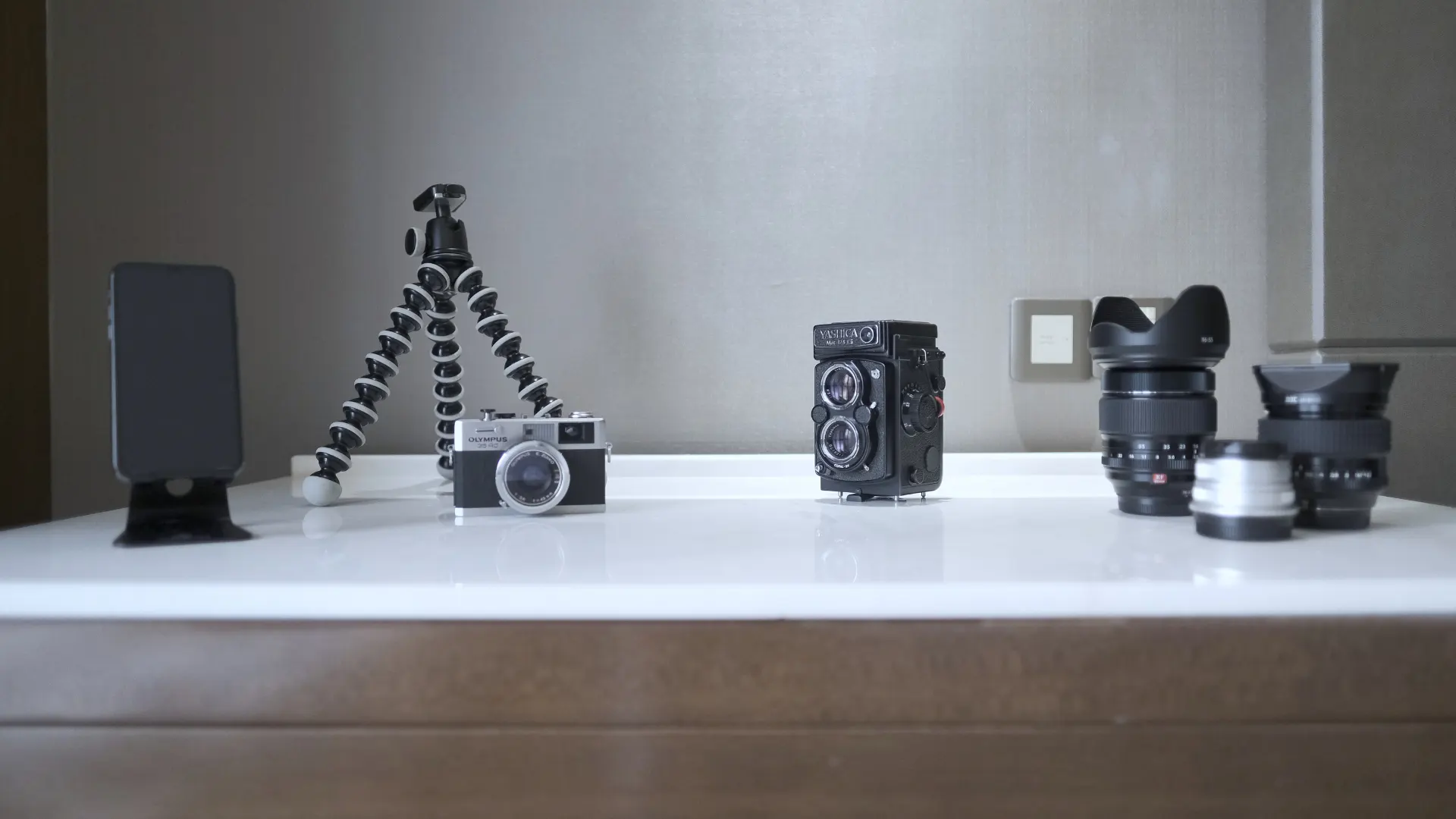
The first step in photograph watch is having the right equipment. You don’t need the most expensive gear, but certain tools can significantly enhance the quality of your photography. Equally important is knowing how to make the most of your equipment’s potential. Here, we provide a detailed overview of some essential equipment.
Camera
A DSLR or mirrorless camera is ideal for best watch photography. Cameras like the Canon EOS R5 or Sony Alpha A7 III offer excellent image quality and versatility. These cameras allow you to shoot in RAW format, giving you greater control over post-processing. RAW files retain more detail and allow for better adjustments in brightness, contrast, and color during editing.
Even if you don’t have a professional camera, it’s possible to achieve professional-quality photography using modern smartphones with advanced cameras, such as the iPhone or Samsung Galaxy S23 Ultra. These devices often come with features like portrait mode and AI enhancements that can help you capture intricate details and dynamic lighting.
Lenses
A macro lens is essential for capturing the intricate details of a watch. Lenses like the Canon EF 100mm f/2.8 Macro or Nikon AF-S 105mm f/2.8G Macro are great options. Macro lenses allow you to focus on small details, such as the texture of the dial, engravings, or the movement within a skeleton watch. For beginners on a budget, extension tubes can be an affordable alternative to macro lenses, enabling closer focus with standard lenses.
Tripod
A sturdy tripod is crucial for stabilizing your camera and achieving sharp images. Products like the Manfrotto Compact Action Tripod provide excellent stability for watch macro photography. Using a tripod ensures that your camera remains steady, especially when shooting at slower shutter speeds. It also allows you to experiment with various angles and compositions without worrying about camera shake.
Lighting Equipment
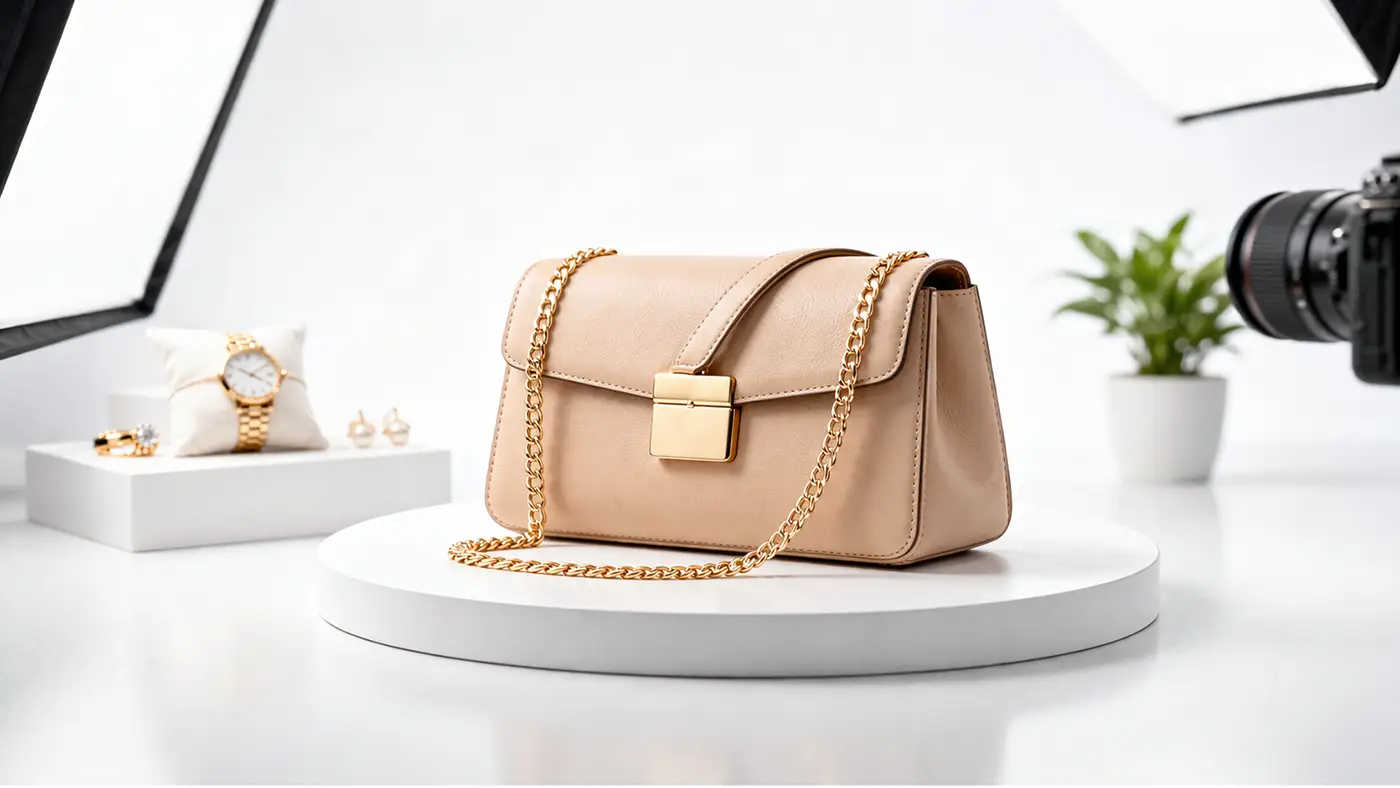
Lighting plays a critical role in wristwatch photography. A softbox or ring light can help diffuse light and reduce harsh shadows. Brands like ImageExpert, Godox, and Neewer offer affordable and reliable lighting solutions. For a beginner-friendly option, consider the Neewer Ring Light Kit, which provides even illumination for your watch. Additionally, continuous LED lights give you more control over the intensity and direction of light, making them excellent for beginners and professionals alike.
Additional Accessories
Reflectors and diffusers can be used to manipulate light and create a balanced composition. A cleaning kit is also essential to remove dust and fingerprints from the watch before photographing it. Remote shutter releases and focus rails are other tools that can enhance your workflow, enabling precise adjustments without disturbing your camera setup.
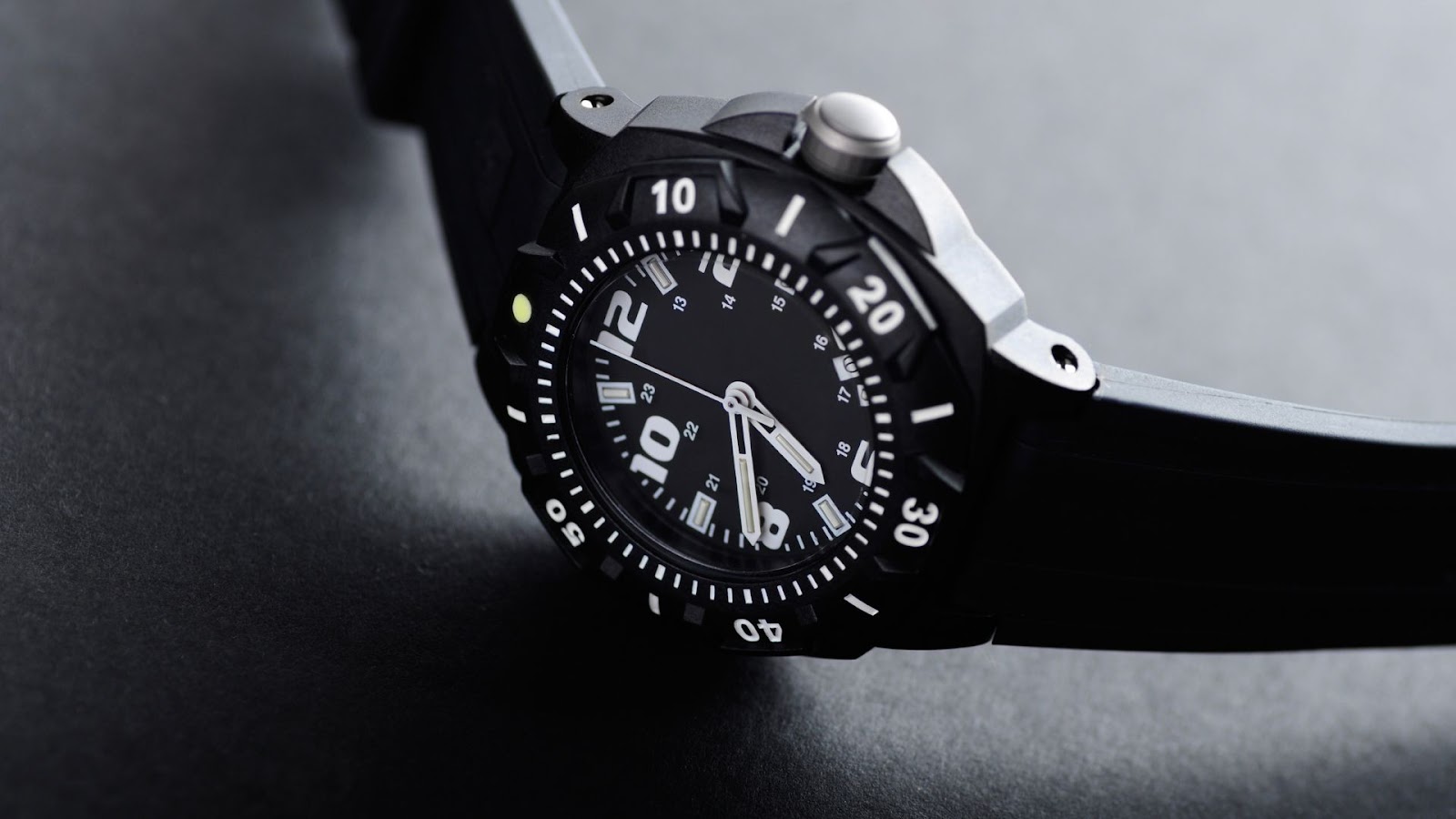
Techniques for Capturing Stunning Watch Photos
Preparing the Watch
Before photographing watches, ensure the watch is clean and polished. Use a microfiber cloth to remove fingerprints, dust, or smudges. Pay attention to every detail, including the strap, case, and crystal. A spotless watch not only looks more professional but also requires less editing during post-production. Regularly inspect the watch under a bright light to ensure there are no unnoticed blemishes.
Setting Up the Scene
The background and props you choose can significantly impact the overall look of your photo. For a minimalist approach, use a plain white or black background. Alternatively, you can incorporate textures like wood, leather, or marble to add character to your shot. These textures can enhance the story you’re telling and complement the watch’s design.
Ensure the watch is positioned in a way that highlights its key features. For example, set the hands at 10:10 to create a balanced and visually pleasing composition. This position also avoids obstructing any branding or design elements on the watch face. Experiment with different props, such as watch boxes, tools, or lifestyle elements, to create a more engaging image.
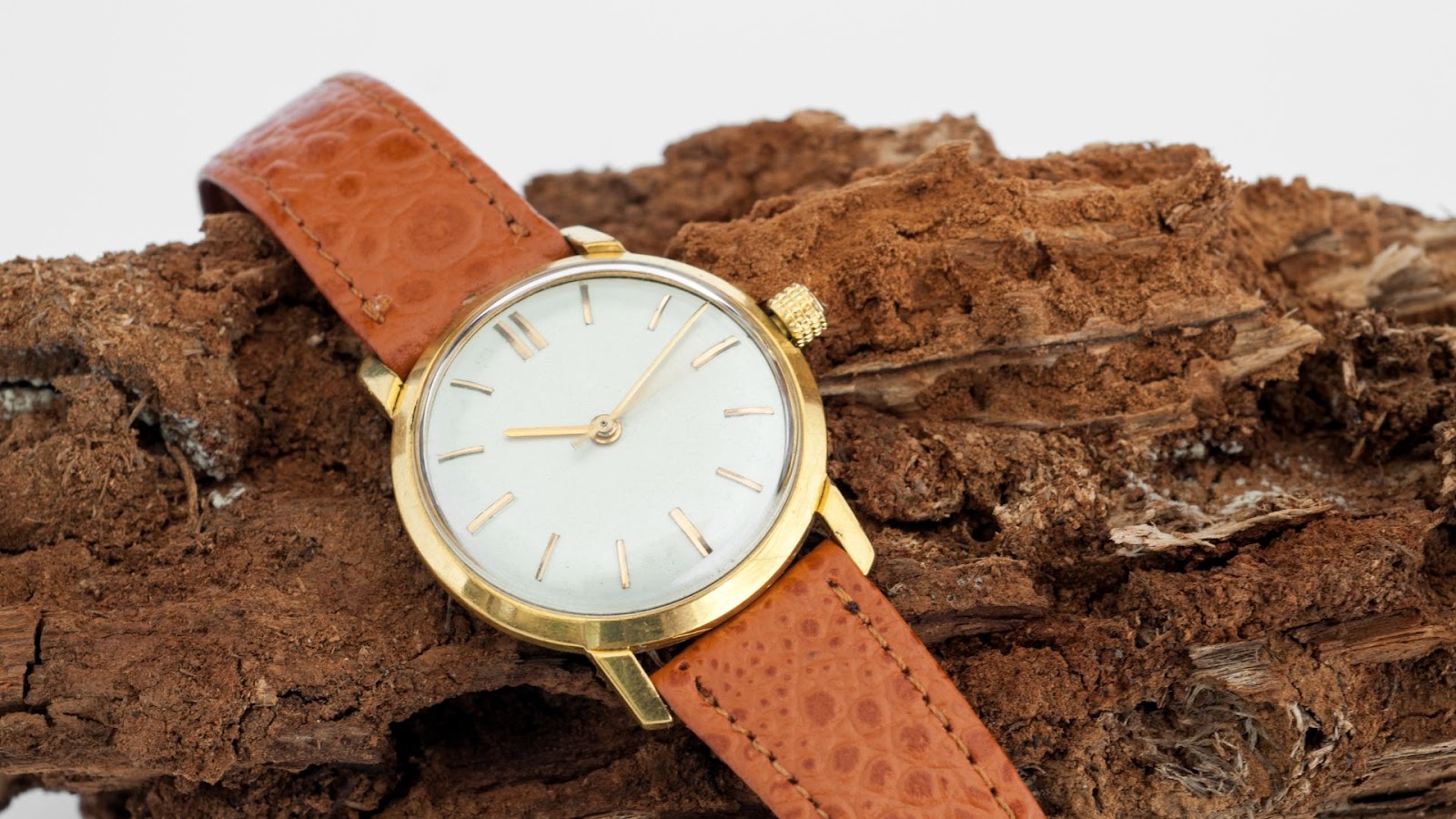
Focusing on the Details
Watch photography is all about capturing intricate details. Use manual focus to ensure sharpness, especially when shooting close-ups. Pay attention to the crown, bezel, and dial to showcase the craftsmanship of the watch. For skeleton watches, focus on the movement to highlight the engineering marvels inside. Don’t forget to capture unique details like engravings, complications, or textures that make the watch stand out.

Experimenting with Angles
Don’t be afraid to experiment with different angles and perspectives. A top-down shot is great for highlighting the dial, while a side angle can showcase the case and strap. Macro shots are perfect for capturing engravings or the texture of the dial. Play with depth of field to isolate the watch from the background and create a more dynamic composition.
Choosing the Right Gear for Watch Photography
When it comes to professional watch photography, the right gear can make a significant difference. Professional photographers often use high-end cameras and lenses, but you can still capture great watch shots with more affordable equipment. However, understanding your gear is crucial to taking a watch photo.
A DSLR or mirrorless camera is ideal for photographing a watch, as these cameras offer excellent control over settings like aperture, shutter speed, and ISO. Macro lenses are essential for capturing the intricate details of the watch, such as the texture of the dial or the design of the case. A 100mm macro lens is a popular choice among watch photographers, as it allows you to focus closely on small objects while maintaining sharpness.
In addition to the camera and lens, a tripod is also highly recommended to avoid camera shake and ensure stability during long exposure shots. A good tripod will help you take steady, sharp images even in low-light conditions.
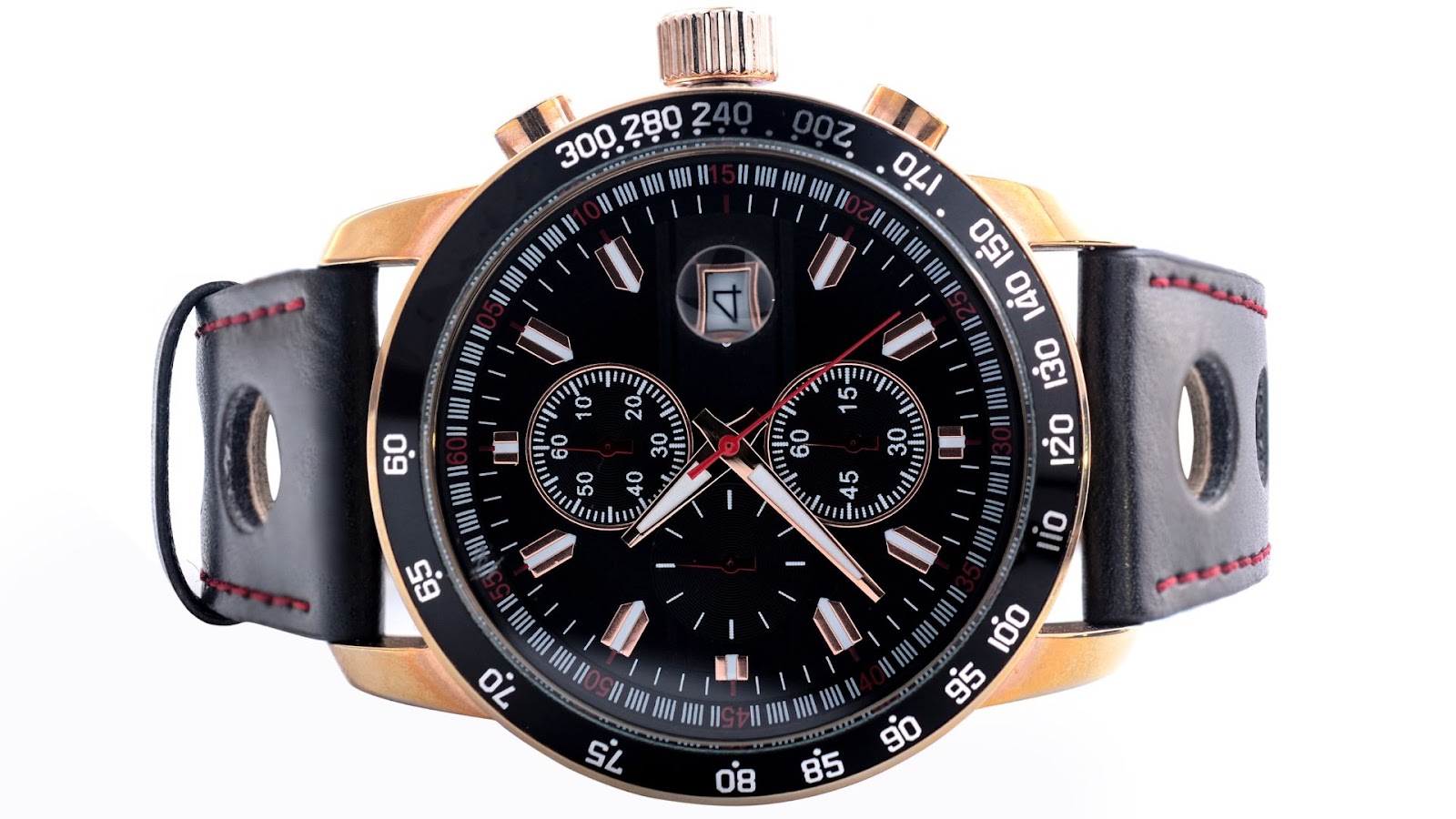
Lighting Techniques for Stunning Photographs Watch
Lighting plays a critical role in taking watch photo. The right lighting can highlight the watch’s details, enhance its texture, and create a dramatic effect. There are several lighting techniques you can use to improve your watch photography.
Mastering Lighting
Lighting is perhaps the most important aspect of a photograph watch. Natural light can be a good starting point, but controlling artificial light gives you more flexibility. Soft and diffused light works best to avoid harsh reflections and glare. Use light modifiers like softboxes or umbrellas to achieve even lighting.
Position your light source at an angle to highlight the watch’s textures and materials. Experiment with different lighting setups to find what works best for your particular watch. Using a reflector can help bounce light onto the darker areas of the watch, ensuring every detail is visible. Try backlighting for a dramatic effect or side lighting to emphasize texture.
Natural Light:
Natural light is often the best light source for watch photography, as it provides a soft and flattering effect. Position your watch near a window or in an outdoor setting, but be mindful of harsh sunlight, as it can create unwanted reflections or overly harsh shadows. The best times for natural light photography are early mornings or late afternoons when the sunlight is softer and warmer.
Artificial Light
If you’re shooting indoors or in low-light conditions, artificial lighting can help create the perfect effect. A softbox or a ring light can provide diffused, even lighting that reduces shadows and minimizes reflections. Using multiple light sources can also add depth and dimension to your watch shots.
Backlighting and Reflective Surfaces
Experimenting with backlighting can create a unique effect, especially if you want to highlight the transparency of the watch’s dial or the reflections on the watch face. Using reflective surfaces such as glass or mirrors can help reflect light in interesting ways, creating a clean, polished look for your watch shots.
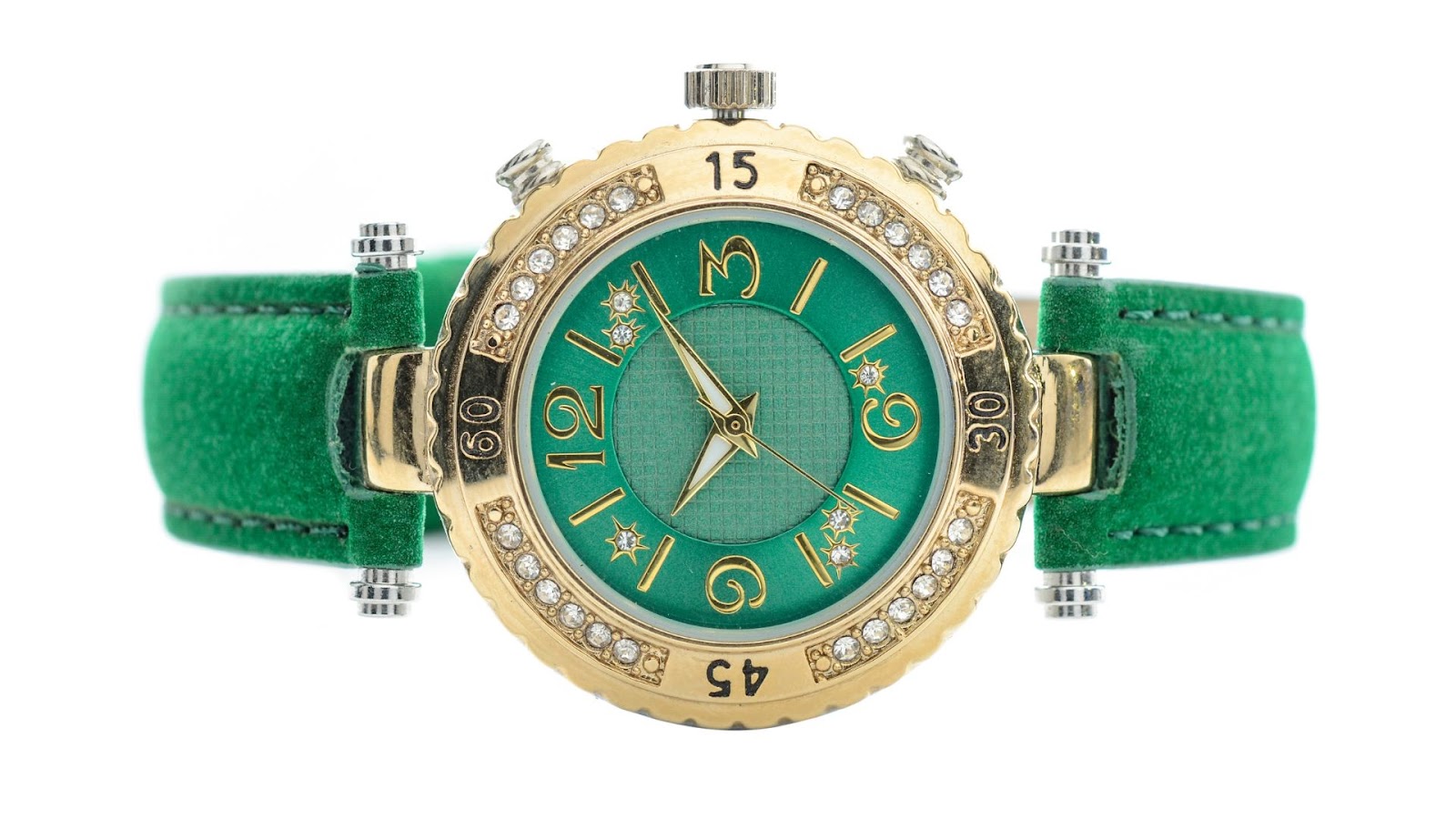
Composition: Framing Your Watch Shot
Composition is key to creating visually appealing watch photography. How you frame your shot, the angle at which you shoot, and the background you choose can all impact the final image. Here are a few tips to help you master the composition of your photograph watch.
Focus on the Details
One of the main appeals of watch product photography is the ability to showcase intricate details. Get close to the watch to capture textures, engravings, and other fine elements. Focus on specific features, such as the watch’s logo, the movement inside the case, or the stitching on the strap.
Experiment with Angles
Changing the angle from which you photograph the watch can completely alter the look of the image. Shooting from a top-down angle works well for capturing the dial and hands of the watch, while shooting at a slight angle can help emphasize the watch’s case and profile. Don’t hesitate to experiment with angles to find the most flattering view of the watch.
Use Negative Space
Negative space is the empty or unoccupied area around the watch. Using negative space can help create a balanced, visually appealing shot. It allows the watch to stand out without overwhelming the viewer with too many distractions. Consider leaving a good amount of space around the watch, especially if you’re shooting with a minimalistic style.
Background Choice
The background you choose for your watch photo shoot can enhance the overall mood of the shot. A clean, simple background, such as a white or black backdrop, can help the watch stand out. However, you can also experiment with textured backgrounds, such as wood, leather, or fabric, to add depth and contrast to your shots.
Focus on Depth in Watch Product Photography
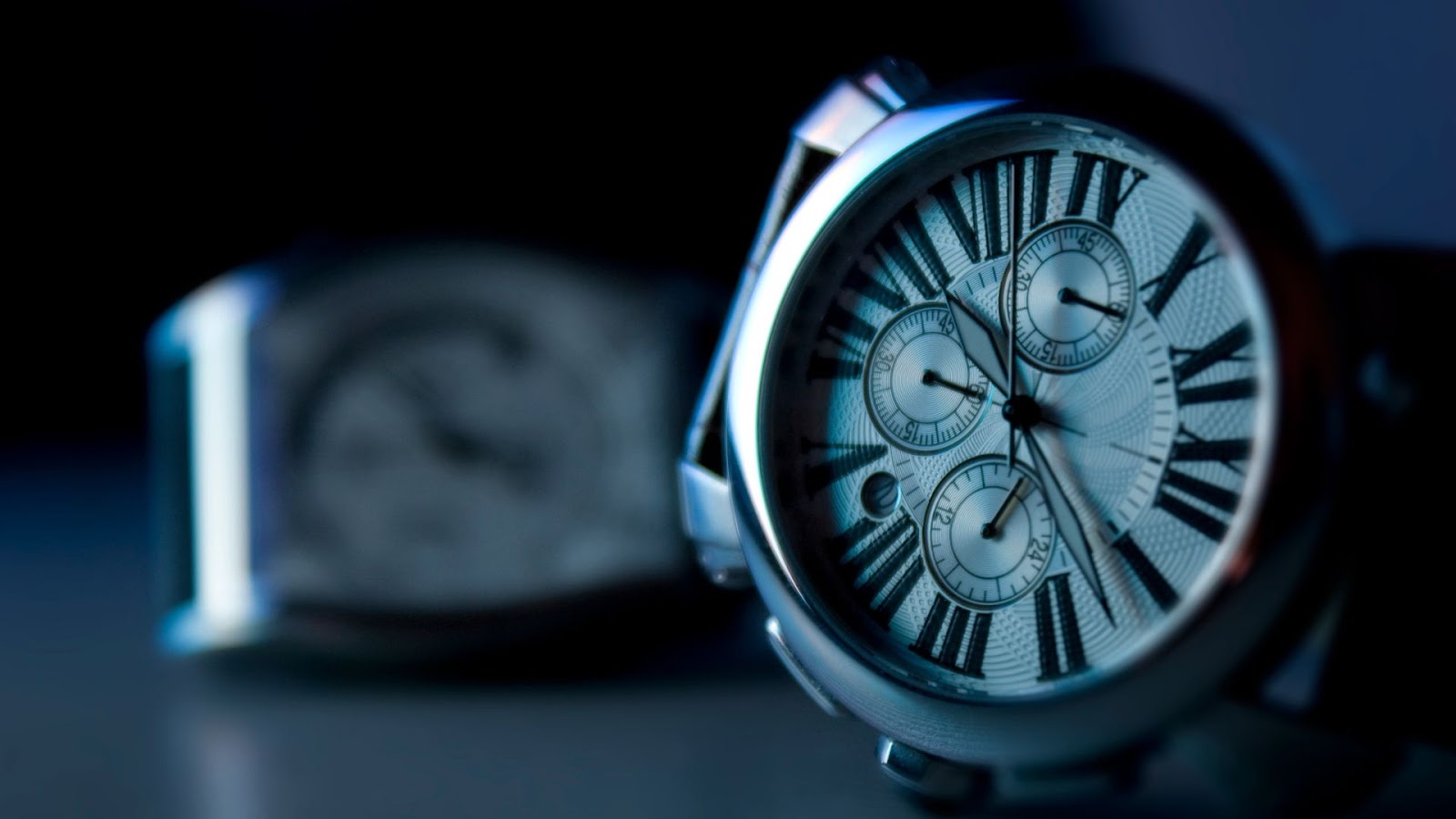
Achieving the right focus and depth of field is essential for capturing the fine details of a watch. In watch product shoots, close-up shots are usually taken so the background becomes blurred, making the watch the main focus of the image. A shallow depth of field can also give your wristwatch photography a professional look by creating a soft, blurred background (bokeh effect) that makes the watch pop.
To achieve this, use a wide aperture setting (low f-stop number) on your camera, such as f/2.8 or f/4, to create a shallow depth of field. Be mindful of your focus point; make sure it’s on the most important part of the watch, such as the logo, hands, or numerals.
On the other hand, if you want to capture the entire watch in sharp focus, such as when showcasing the watch from a top-down view, you may need to use a smaller aperture (higher f-stop number) like f/8 or f/11. This will increase your depth of field and allow more of the watch to appear in focus.
Shooting at Different Times of Day
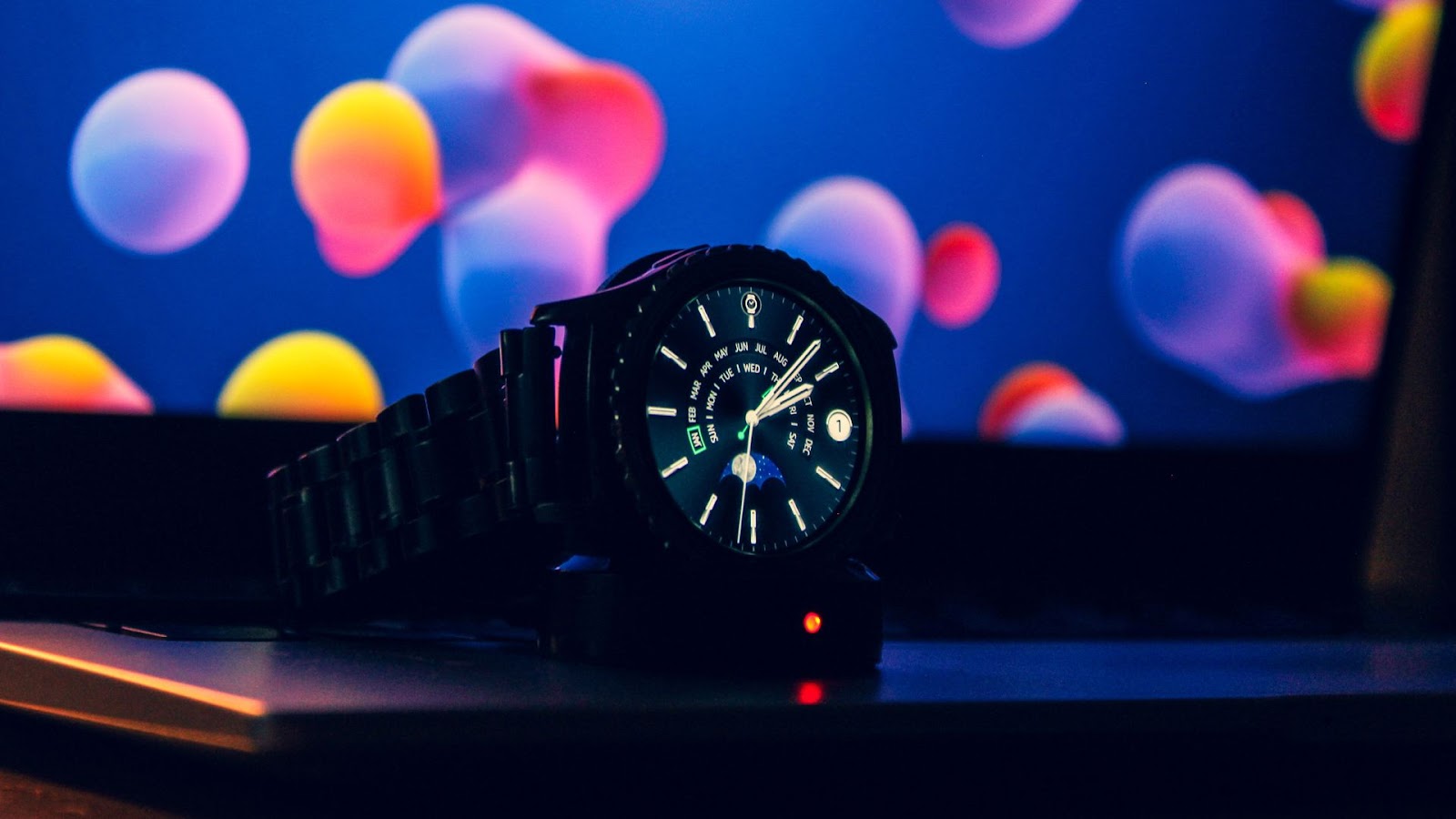
The time of day can greatly influence the quality of your watch photography. If you’re shooting outdoors or near a window, natural light will change throughout the day. Early morning or late afternoon light is often referred to as “golden hour” because it provides soft, warm, and diffused lighting, which can be ideal for photograph watch. The low-angle sunlight during this time of day also creates interesting shadows and highlights that add depth to the watch’s design.
On the other hand, midday sunlight is often too harsh, creating strong shadows and unwanted reflections on the watch’s surface. If you’re shooting indoors, you can control the lighting more easily with artificial light sources like softboxes or LED lights.
Common Challenges in Watch Photography
Reflections and Glare
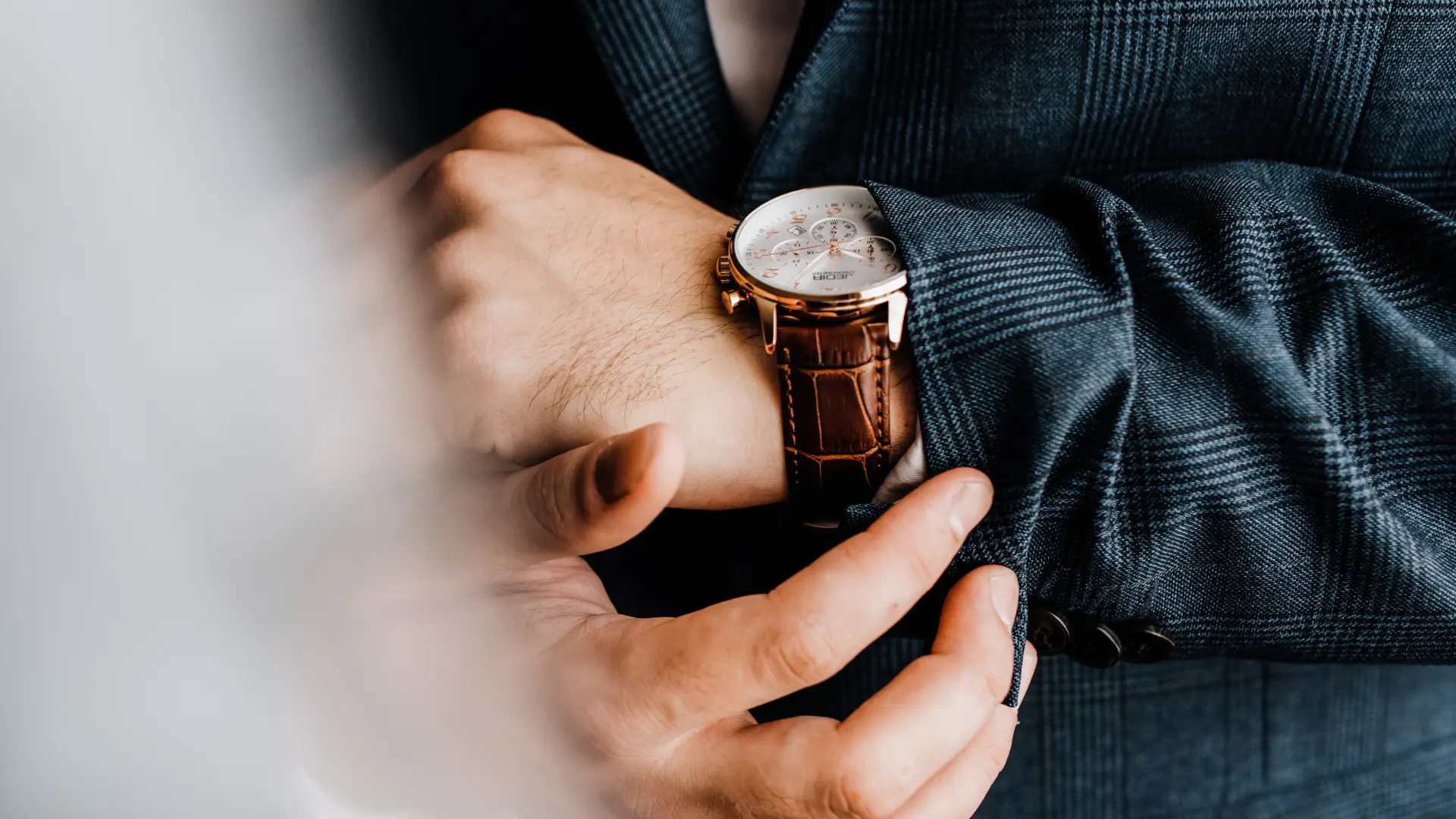
One of the biggest challenges in watch photography is dealing with reflections and glare. Watches often have polished surfaces that reflect light, creating unwanted distractions. To minimize reflections, use a polarizing filter and position your light source carefully. A softbox can help diffuse light and reduce glare. Experiment with angling the watch or light source to avoid direct reflections.
Dust and Smudges
Even the tiniest speck of dust can be noticeable in a macro shot. Always clean the watch thoroughly before shooting and keep a blower or brush handy to remove dust during the shoot. Use a magnifying glass to inspect the watch and ensure it’s spotless.
Achieving Focus
Getting the perfect focus can be tricky, especially when shooting close-ups. Use a tripod and manual focus to ensure precision. Zoom in on your camera’s live view to fine-tune the focus. Focus stacking is another technique that can help you achieve sharpness across the entire image, especially for macro shots.
Editing Your Watch Photos
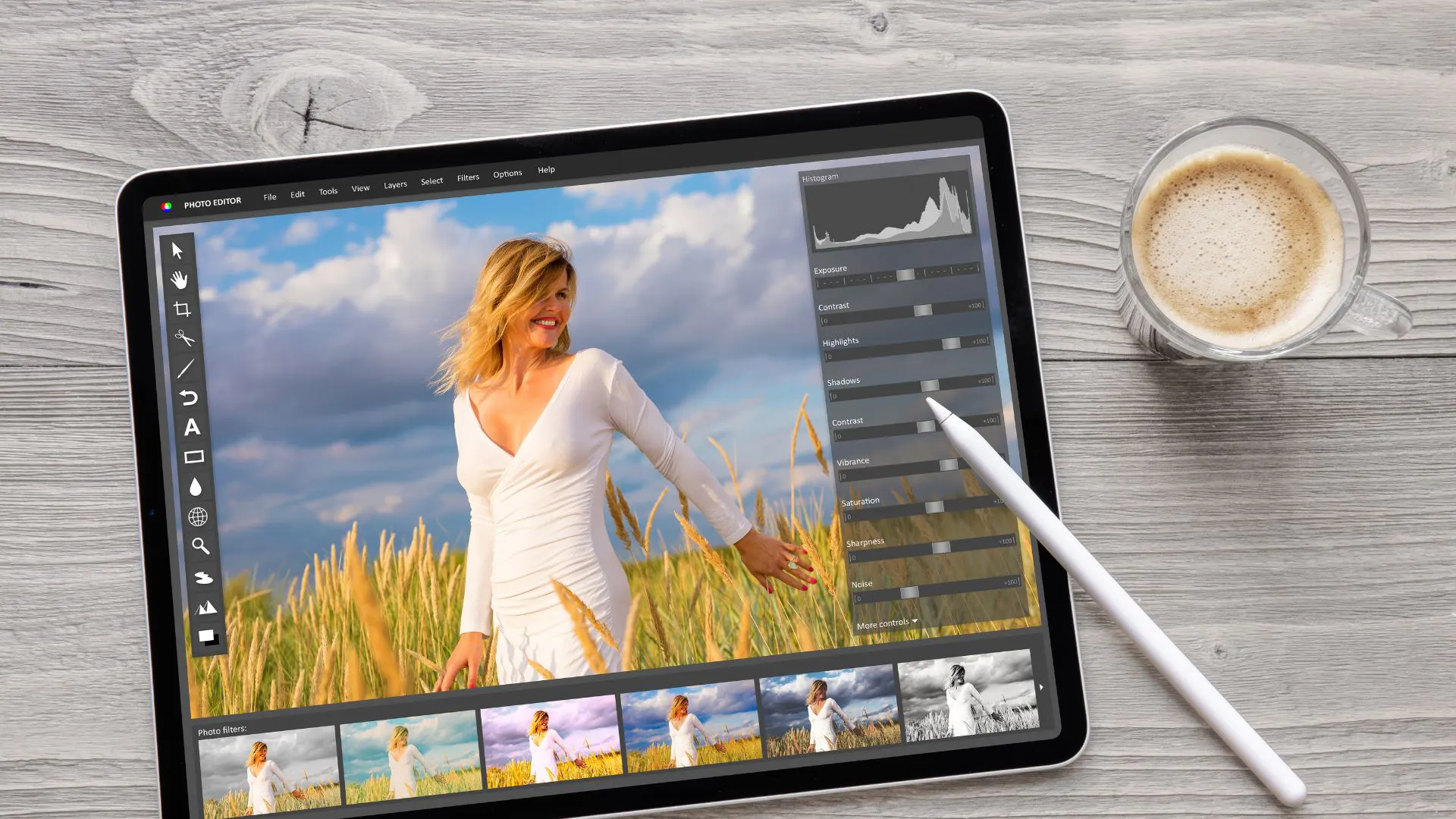
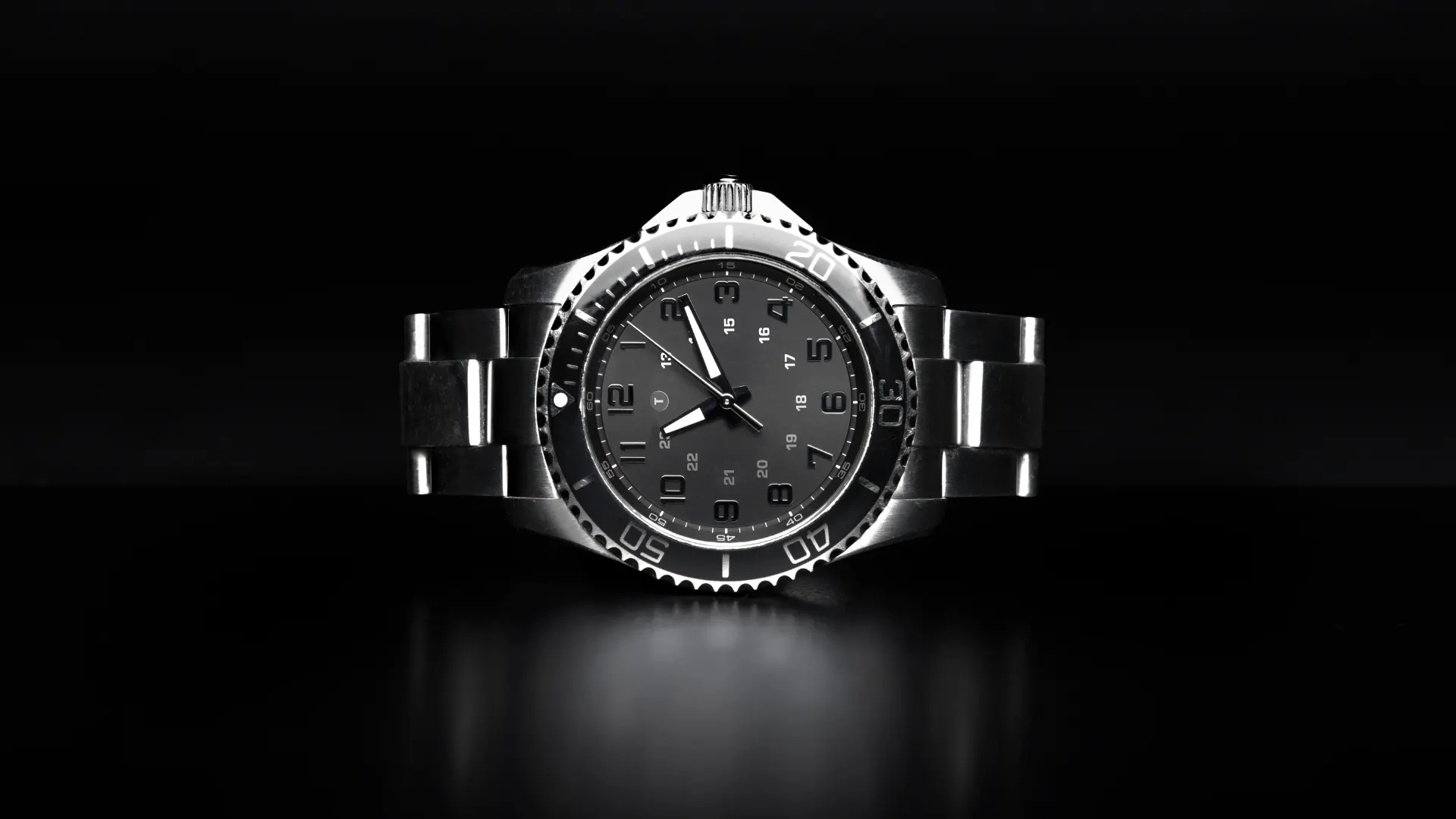
Post-processing is an important step in professional watch photography. Watch retouching allows you to fine-tune the colors, contrast, and sharpness of your images. A professional editing software, such as Adobe Lightroom or Photoshop, can help you enhance your watch photos and bring out their best features.
Color Correction
Ensure the colors in your watch photos are true to life. Sometimes, artificial light or camera settings can cause color distortions, so adjusting the white balance during editing can help correct this. Additionally, make sure the watch’s dial and hands look natural in terms of color, particularly if you’re working with metallic dials or reflective surfaces.
Sharpening and Contrast
watches often have intricate details that you want to highlight, so sharpening the image in post-processing can help bring those details into focus. Be careful not to over-sharpen, as this can introduce noise or artifacts. Increasing contrast slightly can also add depth and make the watch’s details stand out.
Retouching Reflections
Reflections are common in watch photography, especially on glass or shiny metal surfaces. In post-processing, you can remove unwanted reflections or adjust them to ensure they don’t distract from the overall composition. However, some reflections can enhance the image, so use your discretion when editing.
Conclusion:
Mastering wristwatch photography is a blend of technical skill, creativity, and patience. A watch product photographer needs to understand the fundamentals of lighting, composition, focus, and camera settings. They should highlight the true craftsmanship and beauty of any watch. The right equipment, careful preparation, and thoughtful angles can create professional-quality results. Consistent practice and experimentation will help a watch photographer to develop style, intricate details, and textures. As you refine your skills over time, you’ll discover endless creative possibilities and gain the confidence to produce exceptional watch images.