
What Are Professional Modeling Headshots?
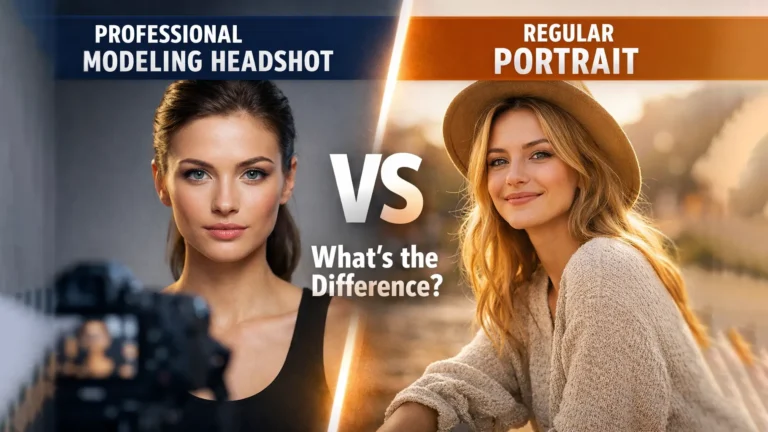
Professional modeling headshots are clear, high-quality photos made for modeling and acting work. Agencies, casting directors, and clients use them to judge your look fast. A good headshot shows your face, eyes, and natural features. It also shows confidence and camera comfort.
Most headshots are framed from the shoulders or chest up. The lighting stays controlled, so your skin tone looks even and your features look sharp. The background stays simple, so nothing distracts from you. Styling is also clean. Wear solid colors, avoid heavy patterns, and keep hair and makeup neat and natural.
After the shoot, light retouching may remove small distractions like blemishes or stray hair. It should not change your real look. If you need agency submissions, casting calls, or a portfolio, professional modeling headshots are the right choice.

What Are Regular Portraits?
Regular portraits are general photos that show what you look like in a natural way. People take them for personal use, not for casting or agency work. You might use a regular portrait for family photos, graduation, birthdays, or social media. Many people also use them for a simple profile update.
A regular portrait gives you more freedom. You can choose any location, like a park, a street, or your home. You can also try different poses, outfits, and moods. The photo can be close-up, half-body, or full-body. Lighting can be natural or studio-based, depending on the style you want.
Editing is usually lighter than in professional modeling headshots. Some portraits get basic fixes like brightness and color. Others may use a creative look. Regular portraits focus more on personality and the moment than strict industry rules.

Purpose and Intent: Why It Matters
The biggest difference is why you need the photo, because your goal shapes every choice in the shoot. It decides how the photographer frames you, what kind of light they use, how you style your hair and outfit, and how much editing the image needs. When you pick the right photo type, you save time, money, and confusion. You also end up with an image that actually works for the job you need it to do.
Professional modeling headshots are a career tool. You use them to get attention from agencies, casting teams, and clients who review many people very quickly. That is why the look stays clean and focused. The background is simple, the lighting is controlled, and the crop usually stays close to your face. The goal is not to tell a story. The goal is to show your face, features, and confidence in a clear way. A strong headshot helps decision-makers understand your “type” fast. It also shows that you take the industry seriously.
Regular portraits usually have a different intent. They are more personal and flexible, and they often focus on mood, personality, and memories. You can choose creative locations, try more relaxed poses, and wear outfits that match your style. The photo can be close-up, half-body, or full-body. It does not need to follow strict industry rules, because it is not made for casting lists or agency reviews. It is made to look good and feel meaningful to you.
Technical Quality and Execution
Technical quality means how clean and professional a photo looks. It includes sharp focus, good lighting, natural skin tone, and a clear final finish. These details matter because small problems can distract the viewer. Blurry eyes, harsh shadows, or wrong colors can make the photo look less professional.
With professional modeling headshots, photographers control everything for consistency. They use planned lighting, often in a studio setup. This keeps your face evenly lit and your features clear. The camera focuses sharply on your eyes, and the exposure stays balanced. Backgrounds stay simple, so attention stays on your face. This precision helps your headshots meet agency and casting expectations.
With regular portraits, the technical style can change more. Many portraits use natural light outdoors or softer lighting for mood. The background may be more detailed, and the framing can be wider. This gives you creative freedom and variety. But it can also cause lighting and color to vary from shot to shot.

Styling and Presentation
Styling and presentation mean how you look in the photo. This includes your hair, makeup, outfit, and overall grooming. These choices matter because they shape the first impression. They also help the viewer understand what kind of roles, brands, or vibe you can fit.
For professional modeling headshots, styling stays clean and industry-friendly. The goal is to show your real face, but in the best way. Most people choose simple outfits in solid colors. They avoid loud prints, big logos, and heavy jewelry. Hair is neat and controlled, and makeup looks natural and camera-ready. This keeps the focus on your features and expressions. It also makes you look versatile, so agencies can imagine you in different jobs.
For regular portraits, styling has more freedom. You can wear your favorite outfit or match your look to a location or theme. You can also go for a more creative vibe, like bold colors or accessories. This works well because portraits often focus on personality and mood. The photo does not need to follow strict industry rules, so you can express your style more.
The Role of Posing
Posing matters because small changes can shape the whole photo. A slight head tilt can sharpen your jawline. A better shoulder angle can improve posture. Eye contact and facial expression can also change the mood fast. So, good posing helps you look confident, natural, and camera-ready.
In professional modeling headshots, posing is guided and very intentional. The photographer will direct small adjustments to get the cleanest, most flattering angle. They will also coach your expression to show range, such as a soft smile or a confident neutral look. The goal is to keep everything simple and “bookable,” so agencies and casting teams can judge your look quickly. In regular portraits, posing is usually more relaxed and flexible. You can sit, stand, or move naturally, and you can try more playful or emotional poses. Here, the goal is to show personality and capture a moment, not to follow strict industry standards.

Cost and Investment
The cost is different because the goal is different. Professional modeling headshots often cost more because they are a career investment. You pay for a specialist photographer, a controlled lighting setup, and strong direction during the shoot. Many packages also include multiple looks, test shots, and careful selection of the best images. You also pay for detailed retouching, because headshots must look clean and industry-ready. For models and actors, one strong headshot can lead to auditions and paid work, so the value can be high.
Regular portraits usually cost less because the standards are more flexible. The session may be shorter, the setup can be simpler, and the editing is often basic. You might shoot outdoors with natural light or do a quick studio session with fewer changes. Portraits focus on personal use, so you do not need strict consistency or industry-level polish. If you want memories, a profile update, or lifestyle photos, regular portraits can give great results without the higher headshot price.

Editing and Post-Production
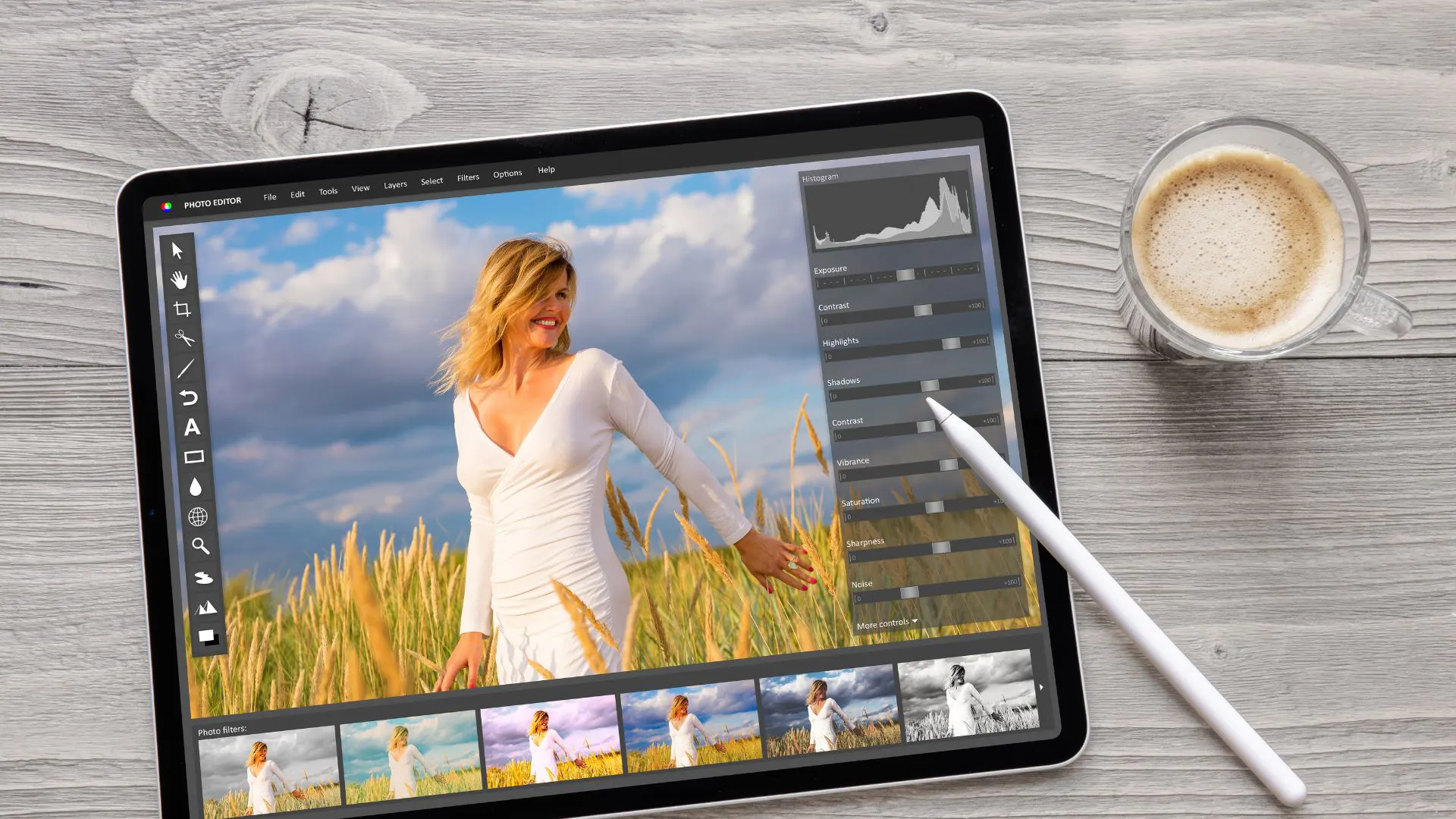
Editing and post-production are the steps that polish a photo after the shoot. This includes fixing exposure, improving color, removing small distractions, and making the image look clean. Good editing should support the photo, not change who you are. If editing is too strong, the picture can look fake. That can hurt trust, especially when someone meets you in real life.
For professional modeling headshots, editing is usually more careful and more consistent. The goal is a clean, industry-ready finish. Retouching may remove temporary issues like pimples, redness, stray hair, or lint on clothing. Editors may also balance skin tone, sharpen the eyes, and correct lighting. But the best headshots still look natural. For regular portraits, editing can be lighter or more creative. Some portraits only need basic fixes like brightness, contrast, and cropping. Others use a styled look, like warm tones or a cinematic feel. Your goal decides the style: headshots stay realistic and simple, while portraits can be more personal and artistic.

Which One Should You Choose?
Choose professional modeling headshots if you need photos for work in modeling or acting. They are best for agency submissions, casting calls, auditions, and portfolios. These photos follow industry standards. They keep the focus on your face, your features, and your expressions. They also look clean and consistent, which helps you get shortlisted faster.
Choose regular portraits if your goal is personal or general professional use. They work well for family photos, celebrations, social media, and simple profile updates. Portraits give you more freedom with outfits, locations, and mood. They focus more on personality and the moment. Decide based on your goal. Ask one simple question: Do you need this photo to get work, or to capture a memory? Photos for auditions, agency submissions, or a portfolio need professional modeling headshots. Photos for profile updates, milestones, or personal use work best as regular portraits.
FAQ
What is the difference between a headshot and a portrait?
A headshot is usually a tight, face-focused photo made for professional use (casting, agencies, work profiles). A portrait is more flexible and can be close-up, half-body, or full-body, often made for personal use or creative branding.
Can I use a regular portrait as a modeling or acting headshot?
Sometimes, yes—if the background is simple, lighting is clean, your face is clear, and editing looks natural. But many portraits are too styled or too busy for agency standards.
How much do professional modeling headshots cost?
Costs vary by city and photographer. Headshots usually cost more than portraits because they include controlled lighting, expert direction, and stronger retouching.
How many headshots do I need for agency submissions?
Most people use 2–5 strong headshots. A mix of looks helps, like a friendly smile and a confident neutral expression.
How much editing is acceptable for professional headshots?
Light, natural retouching is normal (blemishes, stray hair, color balance). Avoid heavy filters or changing facial features, because you should match your photo in real life.
Conclusion
Both professional modeling headshots and regular portraits can look great, but they serve different goals. If you want to book modeling or acting work, you need photos that meet industry expectations. That is why professional modeling headshots focus on a clean background, controlled lighting, simple styling, and clear expressions. They help agencies and casting teams understand your look fast, and they increase your chance of getting shortlisted.
If your goal is personal or general use, regular portraits are a better fit. They give you more freedom with location, outfits, and mood. They are also great for milestones, social media, and everyday profile updates. Before you choose, think about your purpose. Do you need a photo to get work, or a photo to capture a moment? Pick the option that matches your goal, and you will get results that truly work for you.