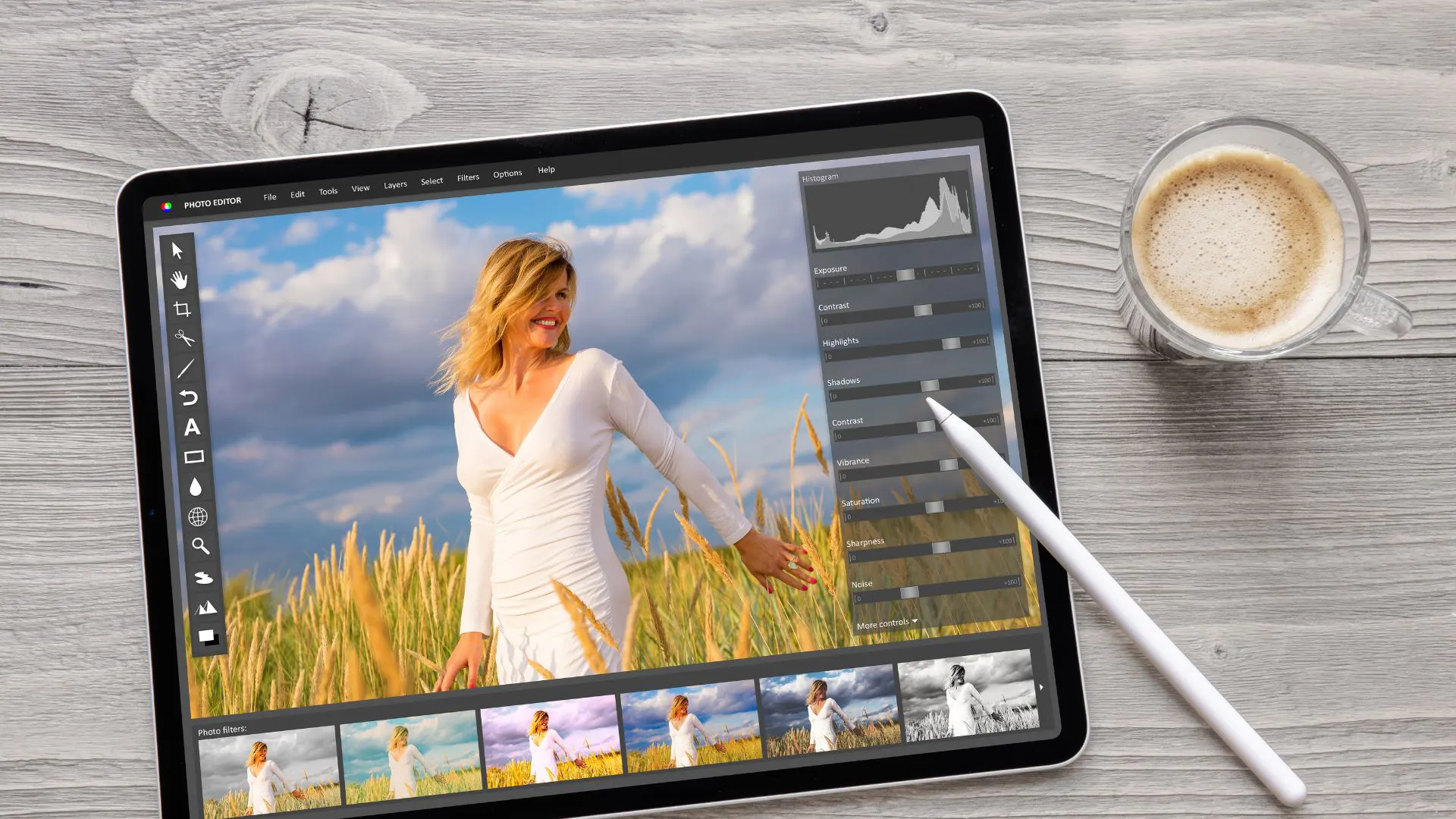
Chinese social media platforms such as Xiaohongshu, Douyin, WeChat Channels, Weibo, Tmall, and Taobao each have their own visual style and image rules. What works on Western platforms often does not perform well in China. In this guide, you will learn practical photo editing techniques, platform size requirements, color and lighting tips, and product image standards to help your content look natural, trusted, and ready for the Chinese market.
What Are the Best Photo Editing Techniques for Chinese Social Media?
Chinese social media platforms prefer bright, clean, and natural-looking images. A high-key editing style works best because it makes photos look soft and welcoming. Increase brightness, but keep details clear. Use natural skin retouching and avoid heavy smoothing. Keep real texture so the image feels authentic.
Choose clean white or soft pastel backgrounds. These colors match current trends on Xiaohongshu and Douyin. Remove distractions and keep the focus on the subject or product. Simple compositions often perform better than busy layouts.
Always edit with mobile users in mind. Most people in China scroll on their phones. Use vertical formats like 4:5 for Xiaohongshu and 9:16 for Douyin. For Tmall and Taobao, follow strict white background and size rules. Adjust your editing style based on each platform to improve engagement and build trust.

Why Visual Optimization Is Critical in the Chinese Social Media Market
China has a strong mobile-first ecosystem. Most users browse, shop, and watch content on their phones. Because of this, images must look clear and attractive on small screens. Vertical formats, bright lighting, and sharp details help content stand out while people scroll.
eCommerce in China is highly visual. Many users decide to buy based on the first image they see. Clean product photos, natural skin tones, and balanced colors increase clicks and sales. Strong image optimization in China directly affects engagement and conversion rates.
There is also a clear difference between Western and Chinese aesthetics. Western brands often use dark, moody tones. In contrast, Chinese social media marketing prefers bright, soft, and fresh visuals. Heavy shadows and dramatic filters usually perform worse.
High-quality images build trust. Blurry or poorly edited photos can reduce confidence in a brand. Clear and well-edited visuals make products look reliable and premium.
For this reason, a localized visual content strategy for China is essential. Brands must adjust their editing style to match platform trends and audience expectations. Proper image optimization in China helps improve visibility, trust, and long-term growth.
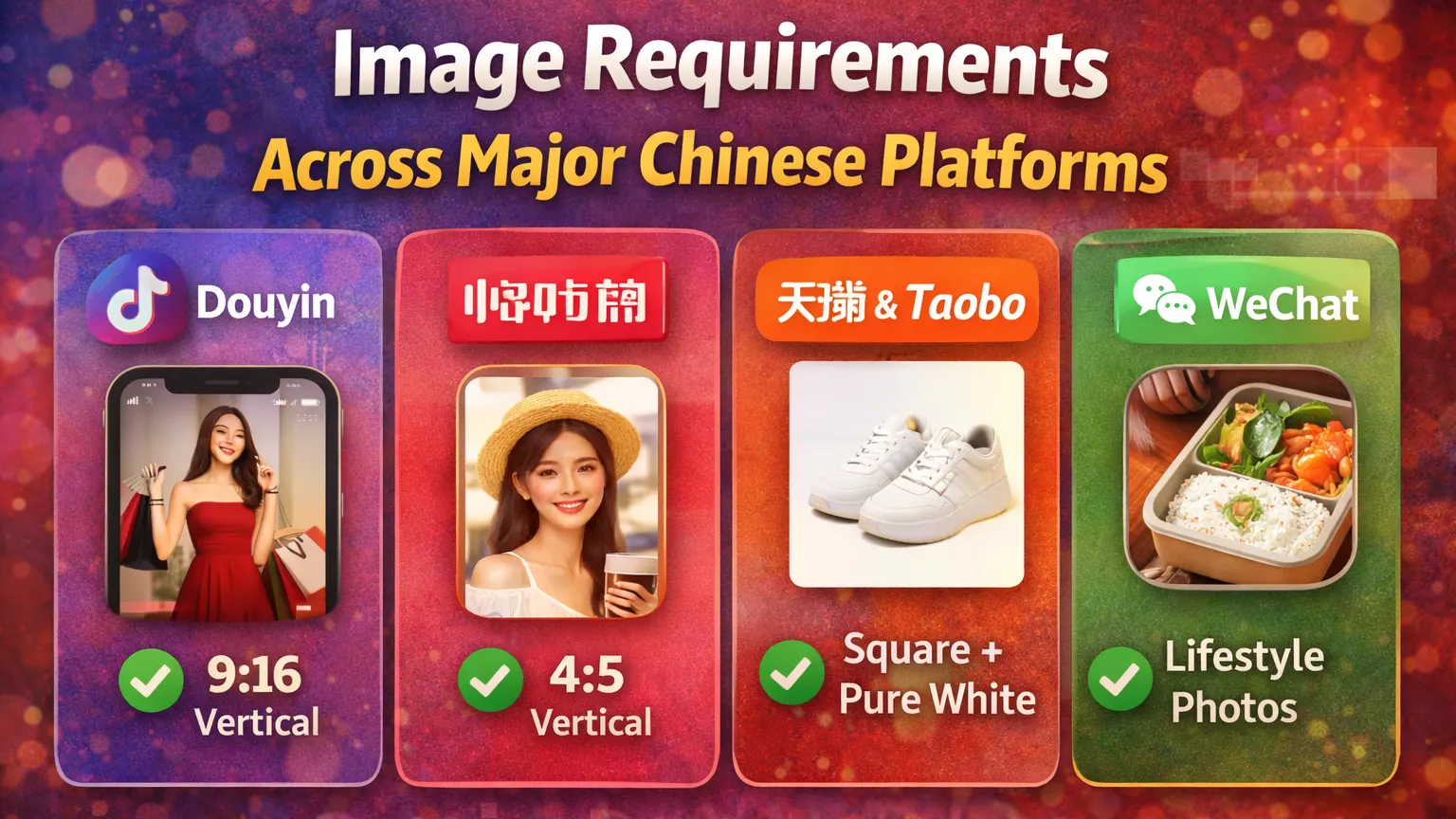
Image Requirements Across Major Chinese Platforms
Each Chinese platform follows its own visual style and format rules. If you use the same editing style everywhere, your content may not perform well. When you match the platform’s look and format, your images feel more native and trusted.
Xiaohongshu (RED) Image Style Guidelines
Xiaohongshu focuses on lifestyle and storytelling. Images should feel soft, warm, and real. Use natural skin tones with light retouching. Avoid heavy smoothing or strong filters that remove texture.
Bright and warm color grading works best. Slightly increase exposure and keep shadows soft. Try to build a story through your composition. A 4:5 vertical format performs well because most users scroll on mobile.
Douyin Thumbnail & Image Optimization
Douyin is fast and competitive. Your thumbnail must grab attention in seconds. Use strong contrast and keep the main subject bright and sharp.
Always design in a 9:16 vertical format. This fills the screen and increases visibility. If you add text, keep it bold but clean. Too much text can reduce clarity.
WeChat Channels & Weibo Visual Standards
WeChat Channels and Weibo prefer a clean and balanced look. Keep your layout simple and maintain brand consistency. Use natural tones and avoid extreme filters.
Images should look professional but still relatable. Both square and vertical formats work well if the subject stays clear and centered.
Tmall & Taobao Product Image Standards
Tmall and Taobao follow strict product rules. Use a pure white (#FFFFFF) background for main product images. Add soft, natural shadows to create depth without making the image look edited.
Keep images high resolution so customers can see details clearly. Follow pixel size guidelines carefully and maintain consistent product positioning across all images.
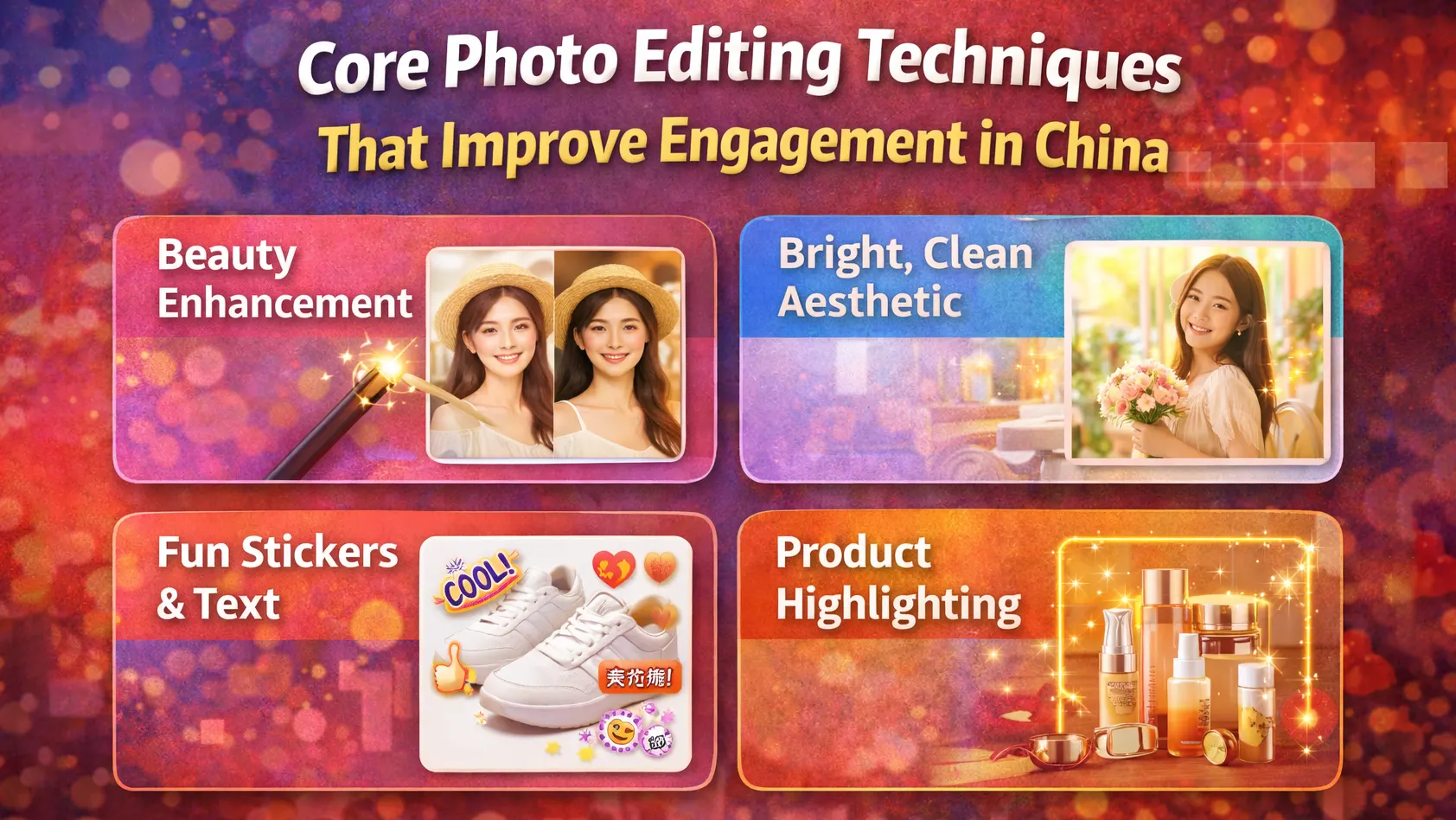
Core Photo Editing Techniques That Improve Engagement in China
Strong editing can increase clicks, saves, and sales. In China, users prefer bright, clean, and natural visuals. The following techniques help your content look trusted and platform-ready.
Natural Skin Retouching Techniques
Keep skin smooth, but do not remove natural texture. Over-smoothing makes the face look fake. Chinese audiences prefer soft and healthy skin, not plastic skin.
Brighten the skin slightly while keeping pores and fine details visible. Correct uneven skin tone to create balance. Adjust under-eye areas and reduce small blemishes, but keep the result natural.
Refine facial details like eyes and lips with care. Avoid heavy sharpening. You can use AI tools to speed up the process, but always review the result manually. A balance between AI and manual retouching gives the best outcome.
High-Key Lighting & Exposure Adjustment
Bright images perform better on Chinese social media. Increase brightness to create a high-key look, but protect the highlights. Do not let white areas lose detail.
Reduce harsh shadows to make the image feel soft. Gentle light creates a fresh and clean mood. You can also add a slight glow effect to improve warmth.
At the same time, keep product details sharp and clear. Good exposure should improve visibility without washing out the image.
Background Removal & Minimal Composition
Remove distractions from the background. A clean frame helps the subject stand out. Simple images often perform better than busy scenes.
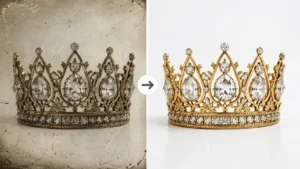
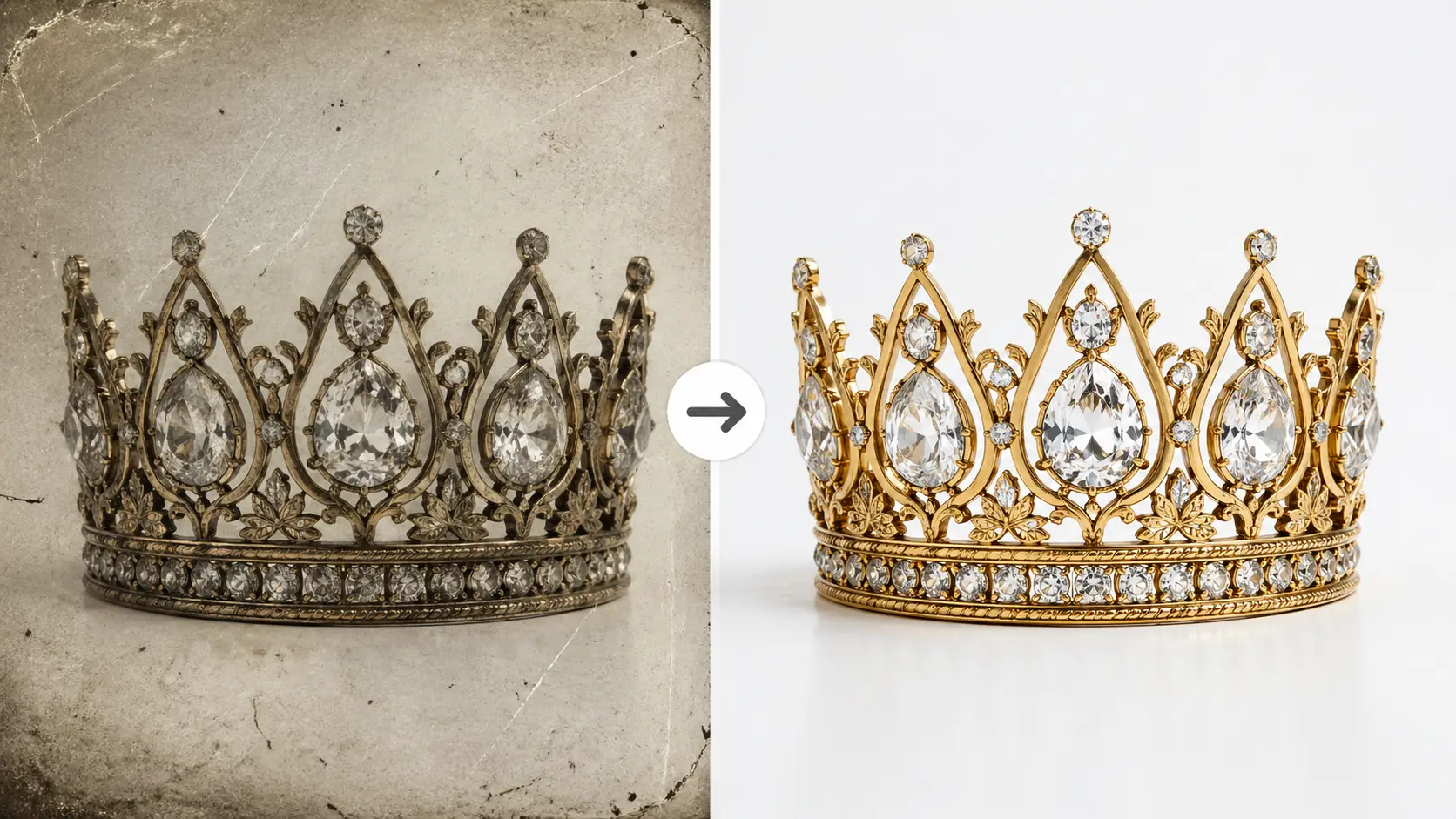
For eCommerce platforms like Tmall and Taobao, use a pure white background. This keeps your images compliant with marketplace rules. For lifestyle content, soft pastel backgrounds work well and feel modern.
Add subtle shadows to create depth. Avoid heavy or fake-looking effects. A clean and minimal composition gives your brand a premium feel.
Color Grading for Chinese Audience Preferences
Color plays a big role in engagement. Soft tones like pink, cream, and beige are popular on platforms like Xiaohongshu. These colors feel warm and friendly.
Avoid dark or moody filters. They may look stylish in Western markets, but they often perform poorly in China. Keep saturation controlled and natural.
Use presets to maintain brand consistency across all images. You can also adjust tones for seasonal campaigns, such as warmer shades for festivals or softer tones for spring promotions.
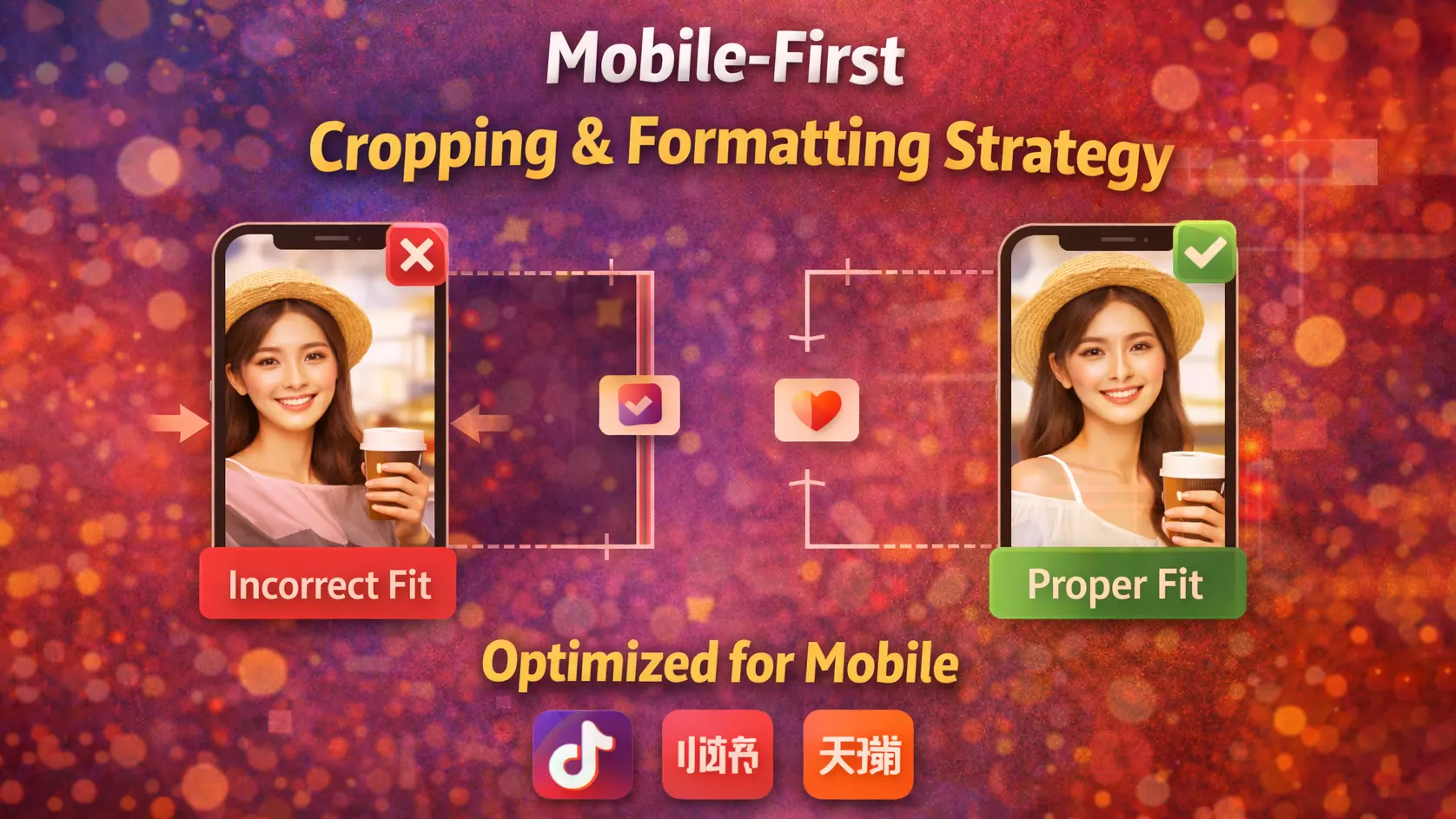
Mobile-First Cropping & Formatting Strategy
Most users in China browse on their phones, so image format matters a lot. If your image does not fit the screen well, people may scroll past it without noticing.
For Xiaohongshu, a 4:5 vertical ratio works best because it takes more space in the feed. For Douyin, use a 9:16 vertical format since it fills the full screen and grabs attention faster. On Tmall and Taobao product grids, square images create a clean and organized layout.
Always leave safe space for captions and text overlays. Keep the main subject centered and avoid placing key details near the edges. Bright, simple thumbnails with one clear focus usually perform better than crowded designs.
What image size works best for Chinese social media?
Vertical formats perform best overall. Use 4:5 for Xiaohongshu, 9:16 for Douyin, and square images for marketplace product listings.
Product Photo Optimization for Tmall & Taobao Sellers
Tmall and Taobao follow strict product image rules. If your photos do not meet these standards, your listing may lose trust. Clean and clear product images improve clicks and sales.
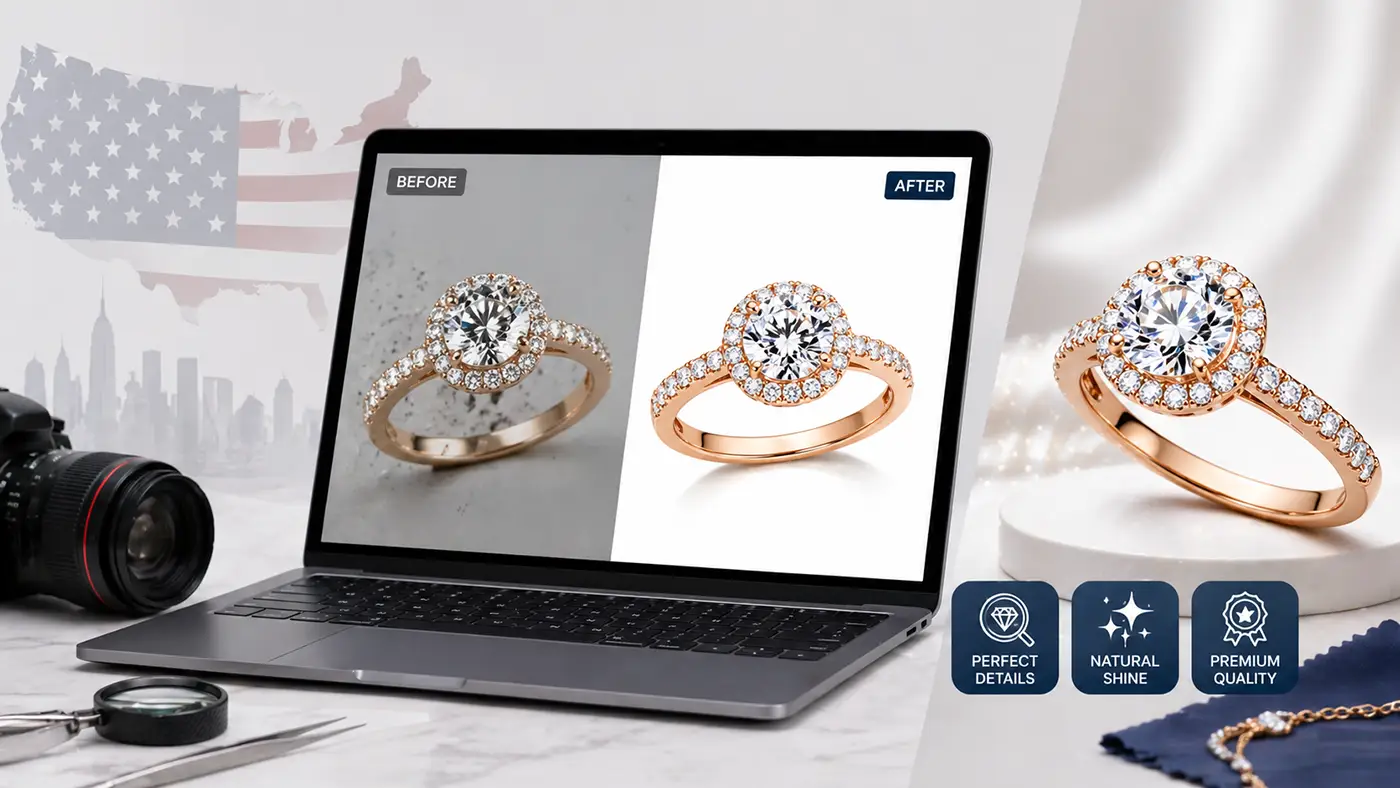
Use a pure white background for the main image. The white should look even and clean, not gray. Add soft and natural shadows to create depth. Light reflections can work for products like shoes or electronics, but keep them realistic.
Sharpen texture carefully, especially for fashion and accessories. Customers want to see fabric, stitching, and material details. Remove dust and small imperfections before publishing. Always export in high resolution so the image stays sharp on mobile and desktop.
Strong Taobao image editing and proper Tmall product photo standards help your listing look professional and competitive in the Chinese eCommerce market.
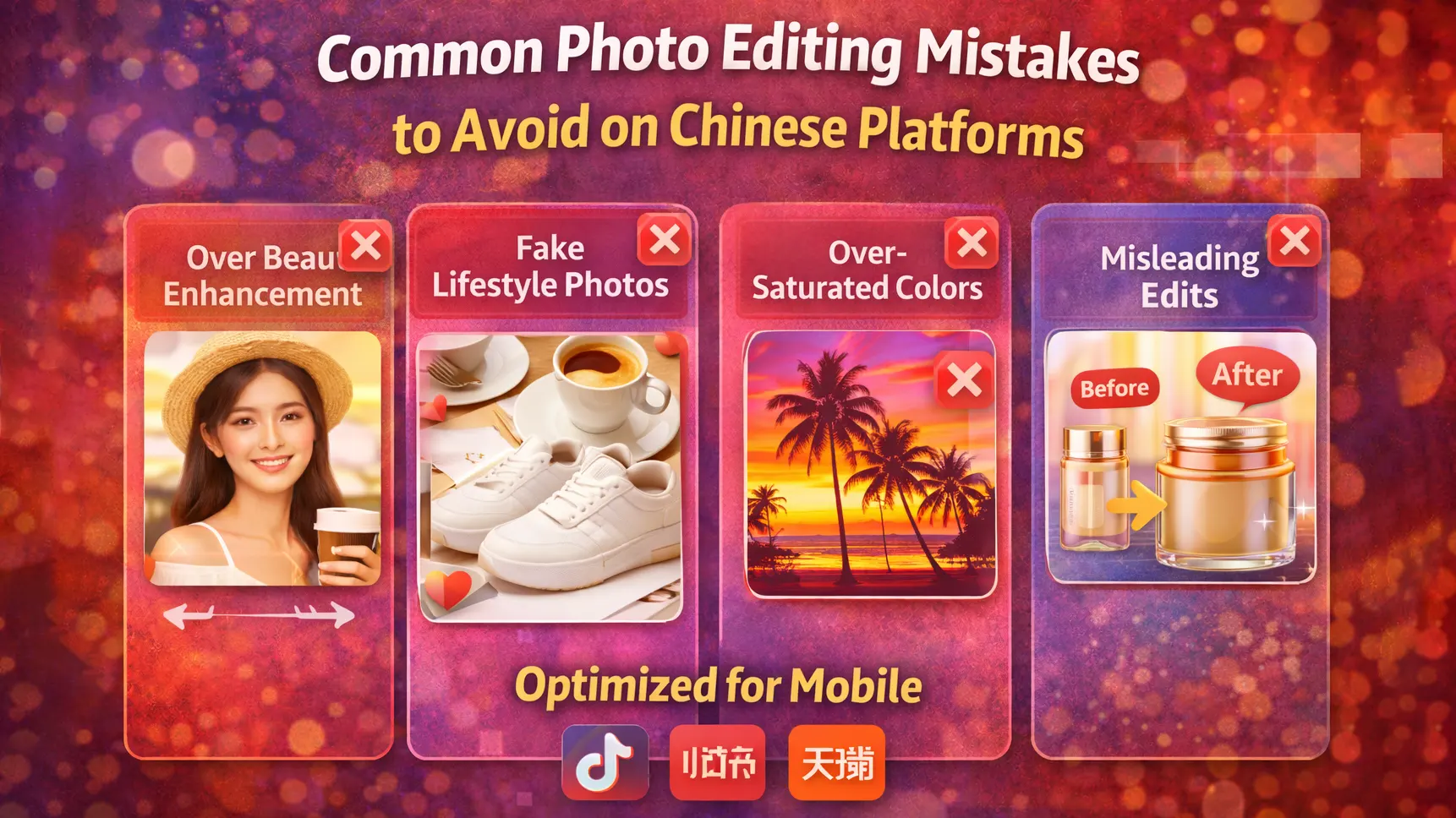
Common Photo Editing Mistakes to Avoid on Chinese Platforms
Many brands lose engagement because of simple editing mistakes. Small errors can make content look unprofessional or out of place on Chinese platforms.
Over-smoothing skin is one of the biggest problems. When you remove too much texture, the face looks fake. Chinese audiences prefer soft but natural skin. In the same way, oversaturated colors can reduce trust. Very strong tones often look unnatural, so keep colors balanced and clean.
Another common issue is overexposed highlights. When bright areas lose detail, the image looks washed out. You should also follow correct platform dimensions. Wrong ratios can cause cropping issues and reduce visibility. Finally, keep your brand visuals consistent. A clear and steady style builds long-term trust.
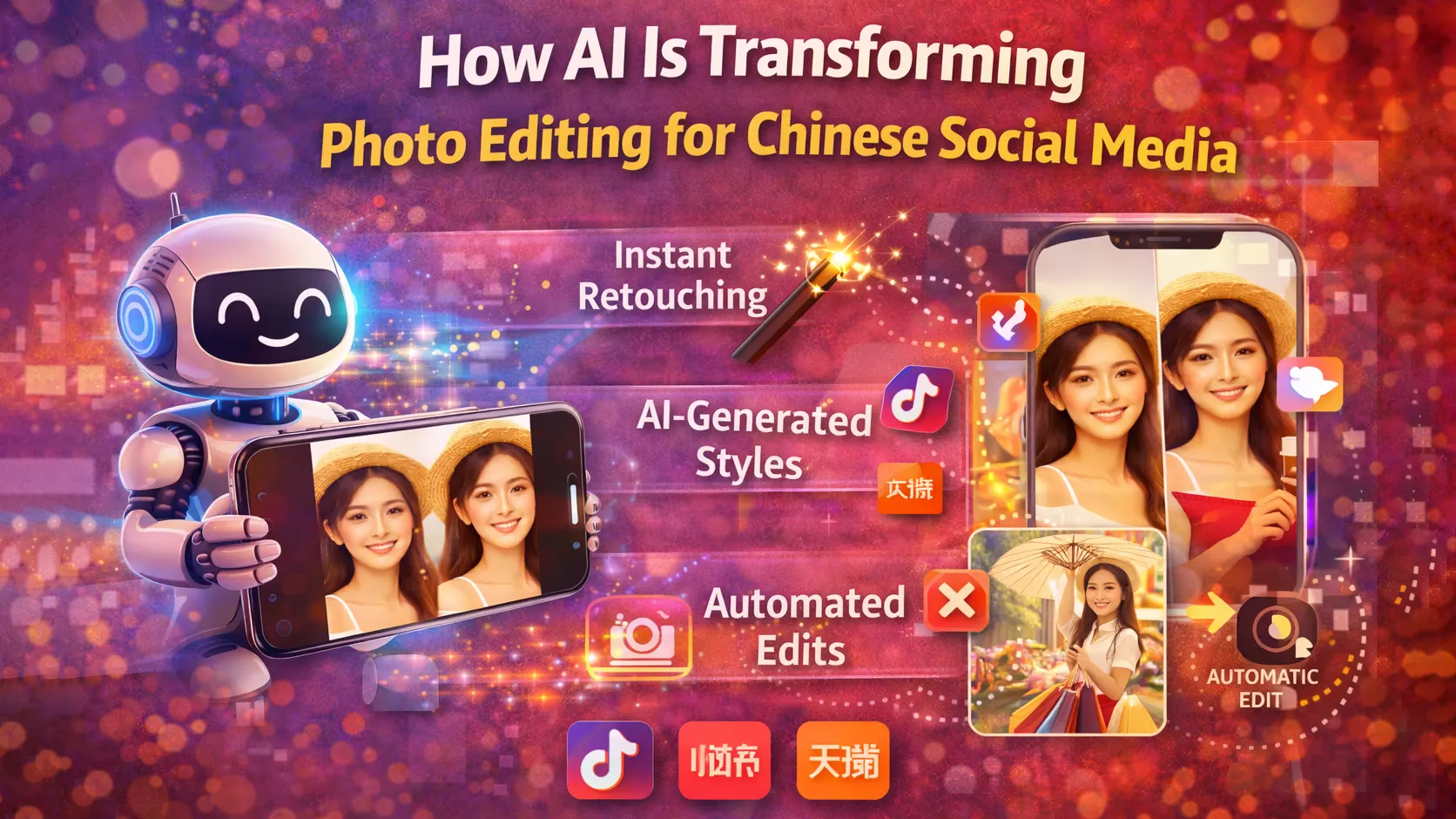
How AI Is Transforming Photo Editing for Chinese Social Media
AI is changing how brands edit images for Chinese platforms. It saves time and helps sellers manage large content volumes. Many eCommerce businesses now use AI tools to speed up their workflow.
AI-powered background removal can quickly create clean white backgrounds for Tmall and Taobao. Batch editing tools also help adjust brightness, contrast, and size across large product catalogs. This is useful for brands that upload new items every week. Smart color correction tools can improve tones and match platform trends with less manual work.
Automated skin retouch tools can smooth and brighten faces in seconds. However, AI does not always understand brand style or cultural preference. That is why professional manual editing is still important. Human editors can refine details, protect natural texture, and ensure the image looks authentic.
Can AI edit product photos for Chinese marketplaces?
Yes, AI can handle background removal, color correction, and batch editing. However, manual refinement is often needed to meet strict Tmall and Taobao quality standards.
Conclusion
Success on Chinese social media depends on smart visual editing. Follow platform-specific image rules for Xiaohongshu, Douyin, Tmall, and Taobao. Use bright, clean, and natural visuals that match local preferences.
Design with mobile users in mind and choose the right image format. Use AI tools to save time, but review every image carefully. Most importantly, keep your visual style consistent. Consistency builds trust, improves engagement, and supports long-term growth.
Frequently Asked Questions (FAQs)
1. What image size works best for Chinese social media?
Vertical images perform best on most Chinese platforms. Use 4:5 for Xiaohongshu and 9:16 for Douyin. For Tmall and Taobao product listings, square images are common. Always check each platform’s latest size guidelines before uploading.
2. What are the image requirements for Tmall and Taobao?
Tmall and Taobao require a pure white background for main product images. The background should be clean and evenly lit. High resolution and correct pixel size are also important. Clear product positioning helps improve trust and clicks.
3. How should I edit photos for Xiaohongshu (RED)?
Xiaohongshu prefers soft, bright, and lifestyle-focused images. Use natural skin tones and light retouching. Warm color grading works well. A 4:5 vertical format usually performs better in the feed.
4. What thumbnail size is best for Douyin?
Douyin works best with a 9:16 vertical format. Thumbnails should be bright and high contrast. Keep the main subject clear and centered. Simple and bold designs grab attention faster.
5. Can AI edit product photos for Chinese marketplaces?
Yes, AI can remove backgrounds, adjust colors, and batch edit images. It helps save time for large product catalogs. However, manual review is still important to ensure quality and meet platform standards.
6. Why are bright images more effective in China?
Chinese social media users prefer clean and high-key visuals. Bright images look fresh and trustworthy. Dark or moody tones often perform worse. Soft lighting also improves product clarity.
7. How important is mobile formatting for Chinese platforms?
Mobile formatting is very important because most users browse on their phones. Vertical images take more space and attract more attention. If the format is wrong, the image may look cropped or unclear.
8. What background works best for Chinese eCommerce photos?
A pure white background works best for marketplaces like Tmall and Taobao. For lifestyle content, soft pastel backgrounds are popular. Clean and simple backgrounds help the product stand out.
9. Should I use heavy filters on Chinese social media?
Heavy filters are not recommended. Over-smoothing skin and strong color effects can look unnatural. Chinese audiences prefer natural and balanced editing. Keep colors soft and realistic.
10. How can I improve engagement with photo editing in China?
Focus on bright lighting, clean composition, and correct image size. Follow platform rules and maintain brand consistency. Use AI tools for speed, but refine details manually. Clear and professional images build trust and increase engagement.