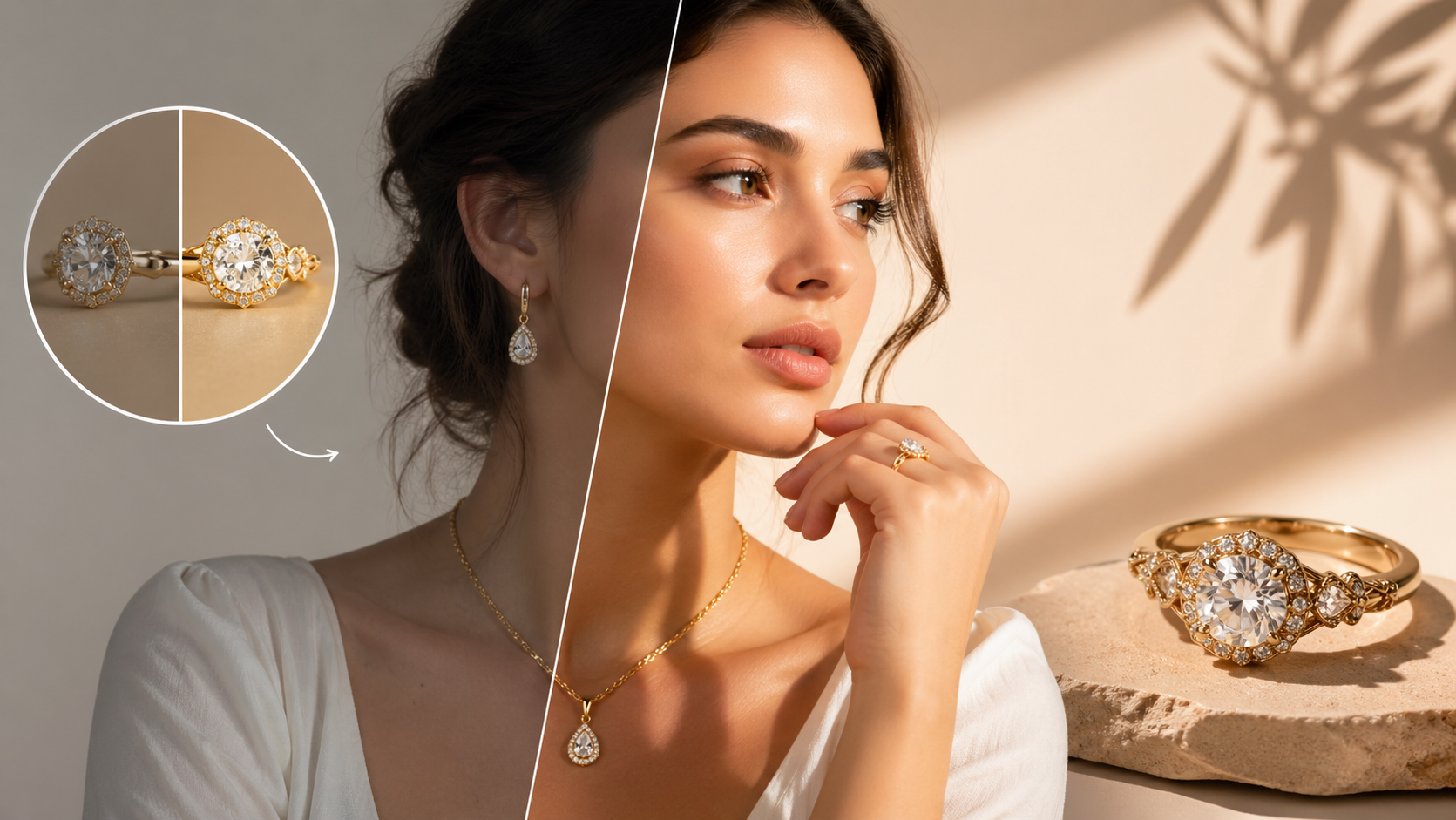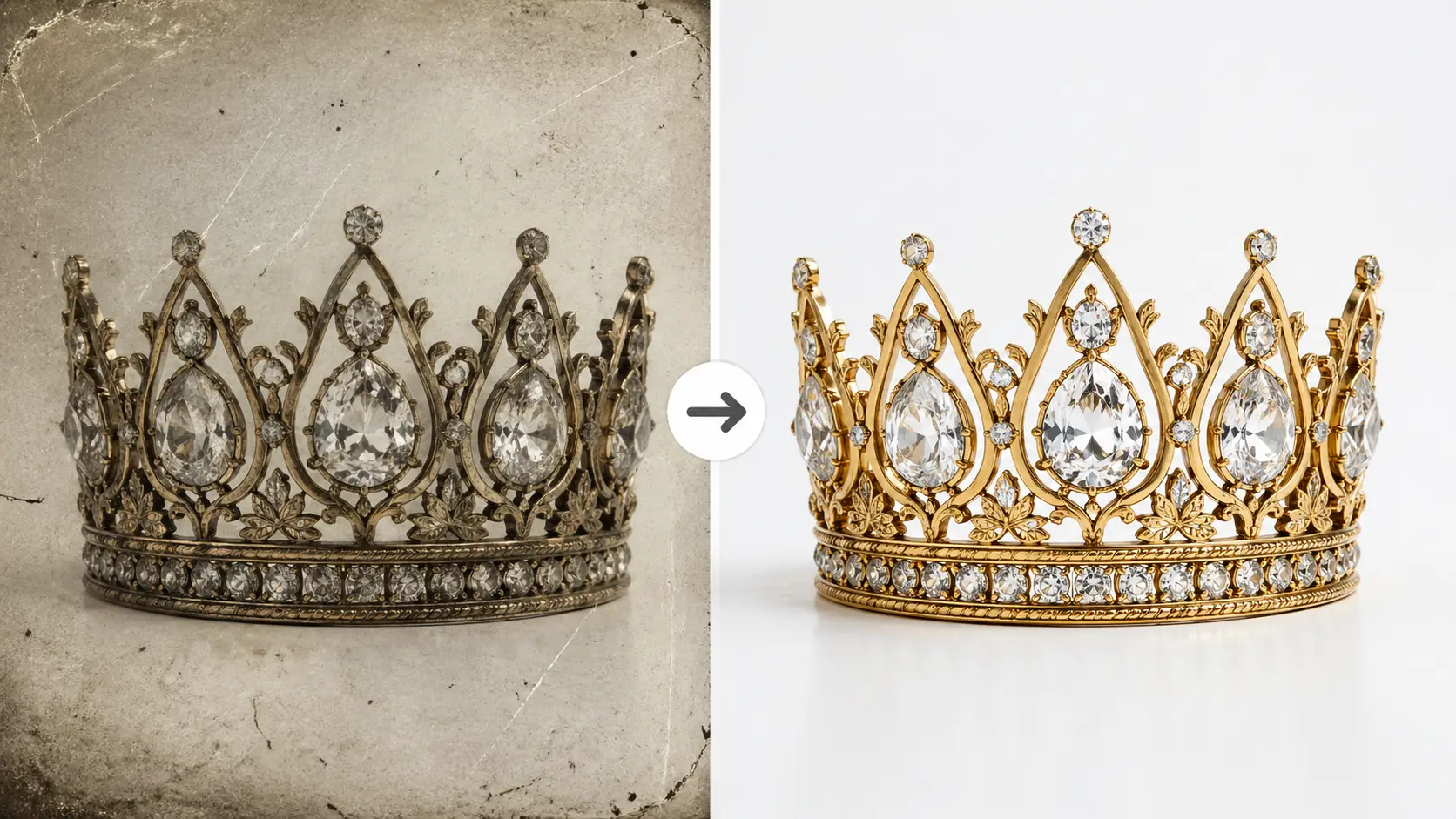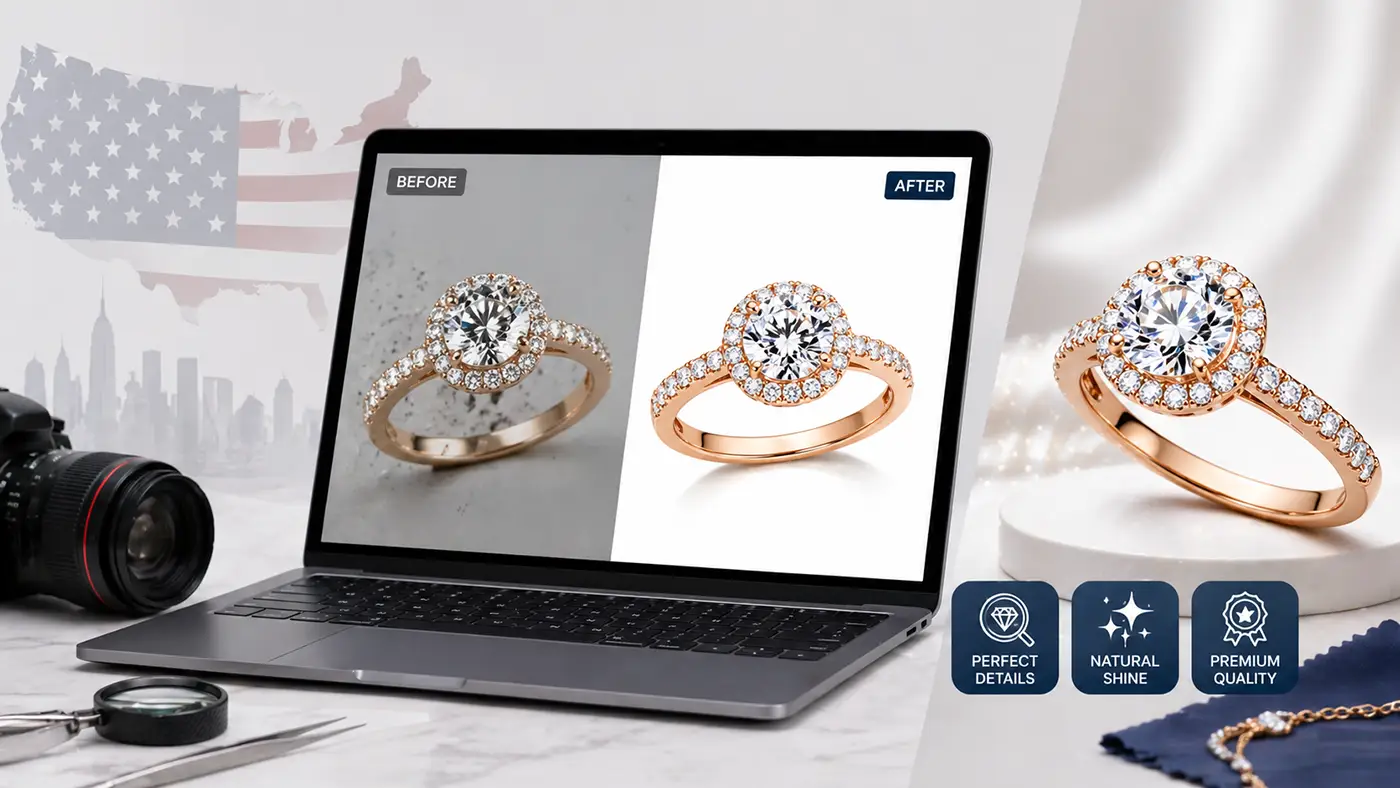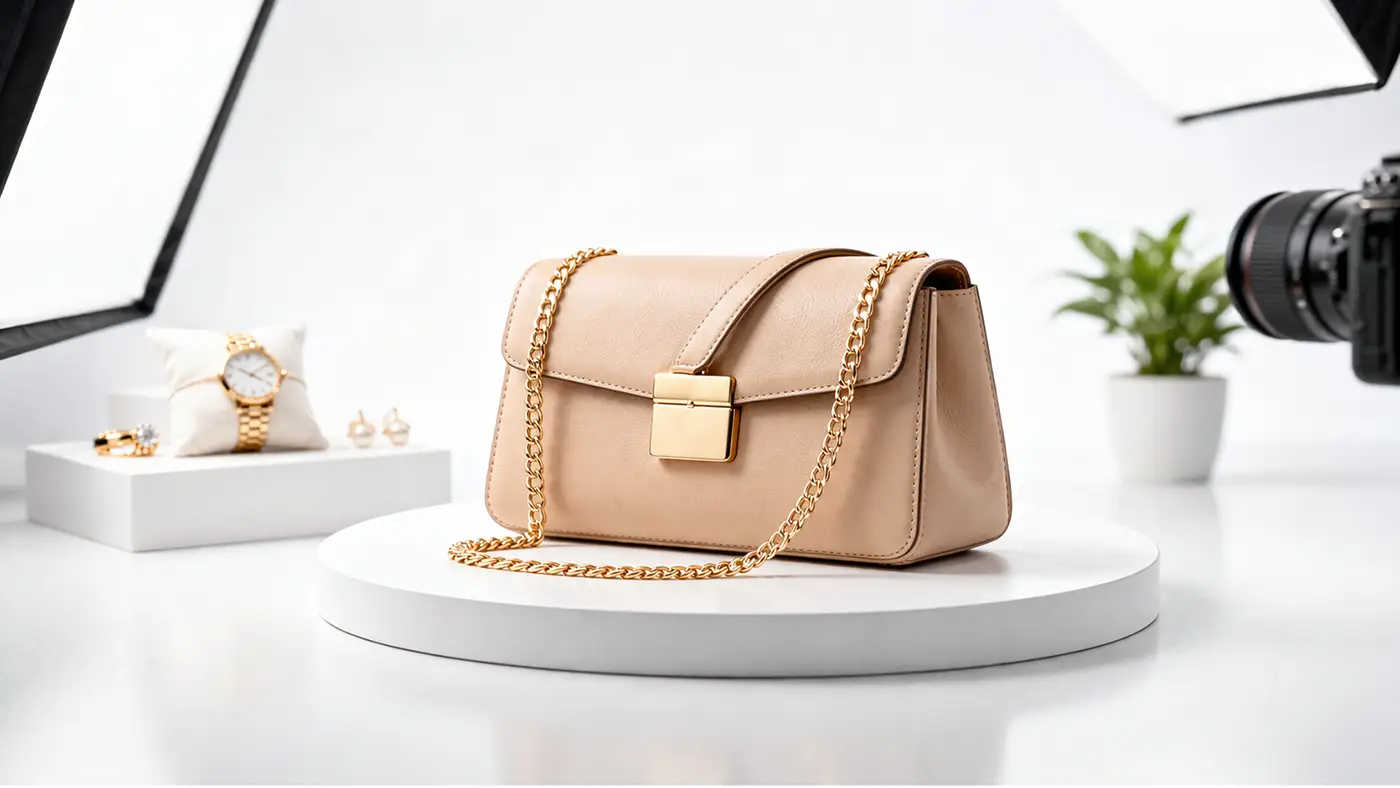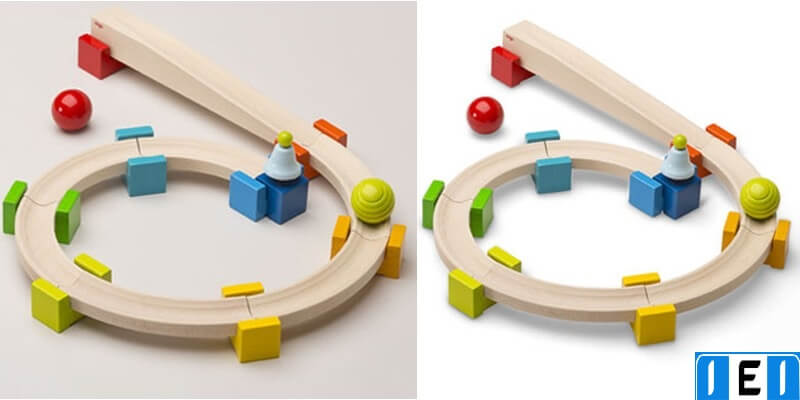
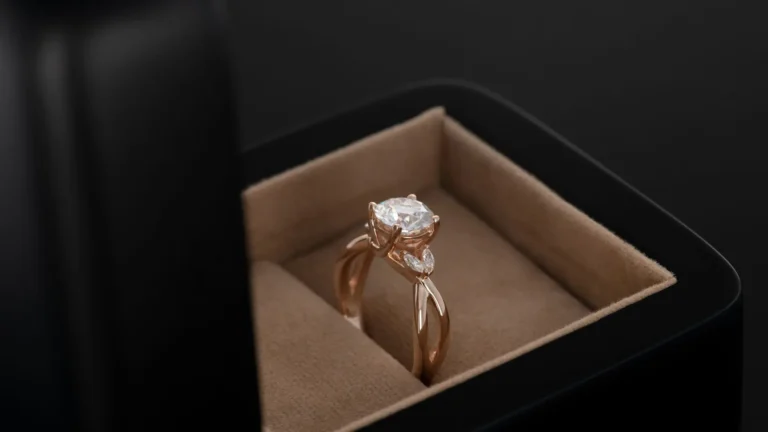
Jewelry photography is an art that combines creativity, precision, and storytelling. In the online market, high-quality jewelry images play a crucial role in attracting customers and building brand recognition. You need to capture product photos that grab attention and showcase the beauty of your jewelry in the USA market. Here, we explore 10 innovative and effective ways to photograph jewelry. Each idea will help enhance your visuals, express your brand style, and present your jewelry photos professionally and attractively. Jewelry retouching helps enhance the background, shape, and proportions of your images for various online marketplaces.
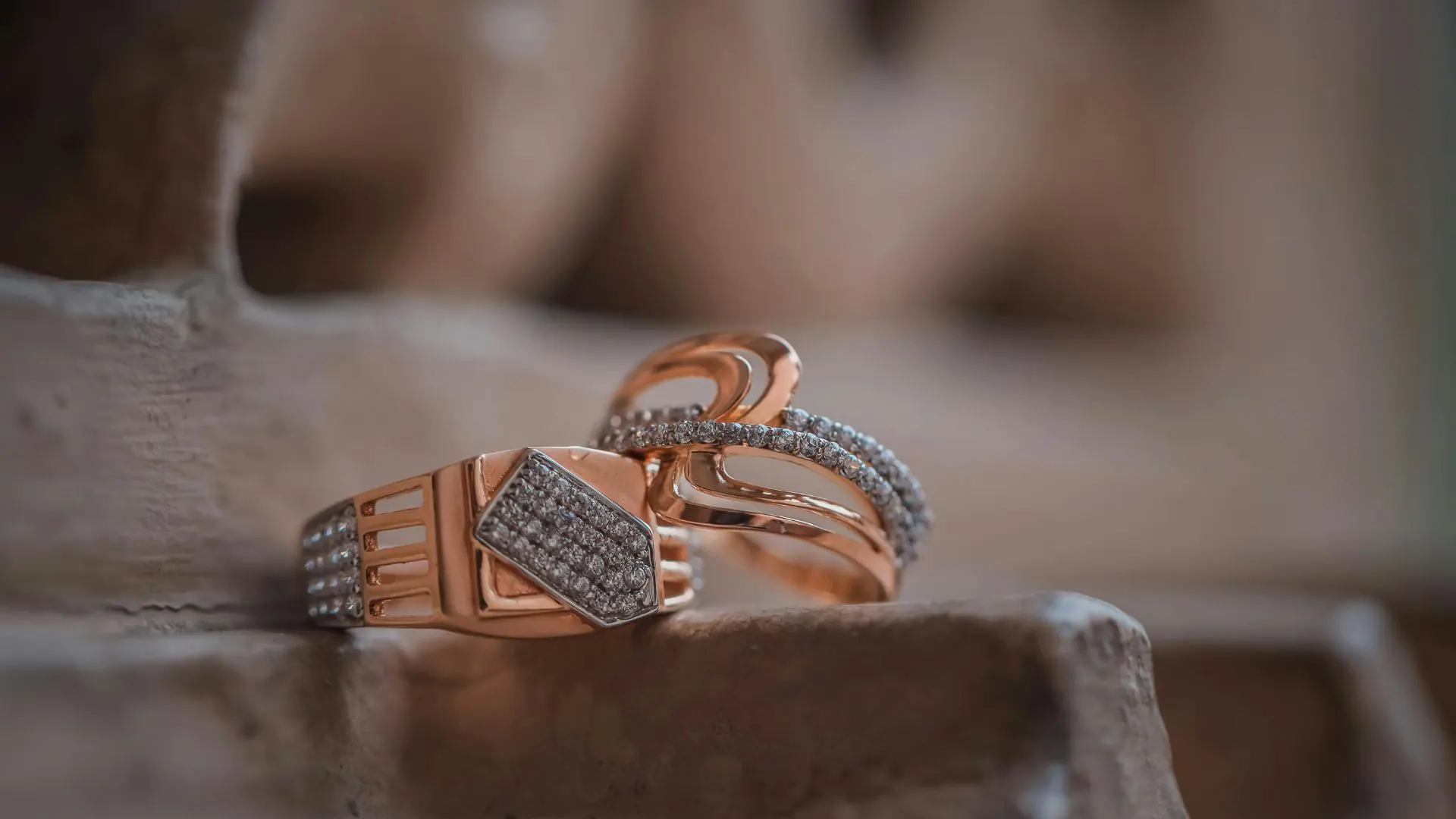
Use Natural Light for Authentic Shine
Natural light is one of the most effective subject to capture the natural sparkle in jewelry photography. Set up your photography area near a large window. North-facing windows provide soft, consistent light throughout the day, and east- or west-facing windows offer warm light during the “golden hours.” Avoid direct, harsh midday sunlight, as it creates sharp shadows and overly bright spots.
You can use a thin white sheet, parchment paper, or a sheer curtain as a diffuser to soften sunlight. Reflectors or fill cards (white, silver, or gold) can bounce light into shadowed areas, enhancing sparkle and highlighting details evenly. A tripod is essential to ensure sharp and crisp images, especially for shooting with slower shutter speeds.
Keep the focus on the jewelry by using a plain, neutral background (white or light gray). Make sure the jewelry is completely clean, and use cotton gloves and a lint-free cloth to avoid fingerprints and dust. Shoot from multiple angles—such as top-down, 45-degree, and profile shots—to effectively capture depth and sparkle.
For camera settings, keep ISO low (100–200) to reduce digital noise, and use a small aperture (f/8–f/16) for sharp focus across the jewelry. Adjust the white balance to “Daylight” or customize it for accurate color reproduction.
In post-processing, enhance the jewelry’s natural beauty but avoid over-editing for the USA ecommerce platform. Make minor adjustments to contrast, exposure, and sharpness, and remove dust, smudges, or unwanted reflections.
By combining proper lighting, camera techniques, and careful post-processing, you can achieve polished, professional, and visually stunning jewelry photographs.
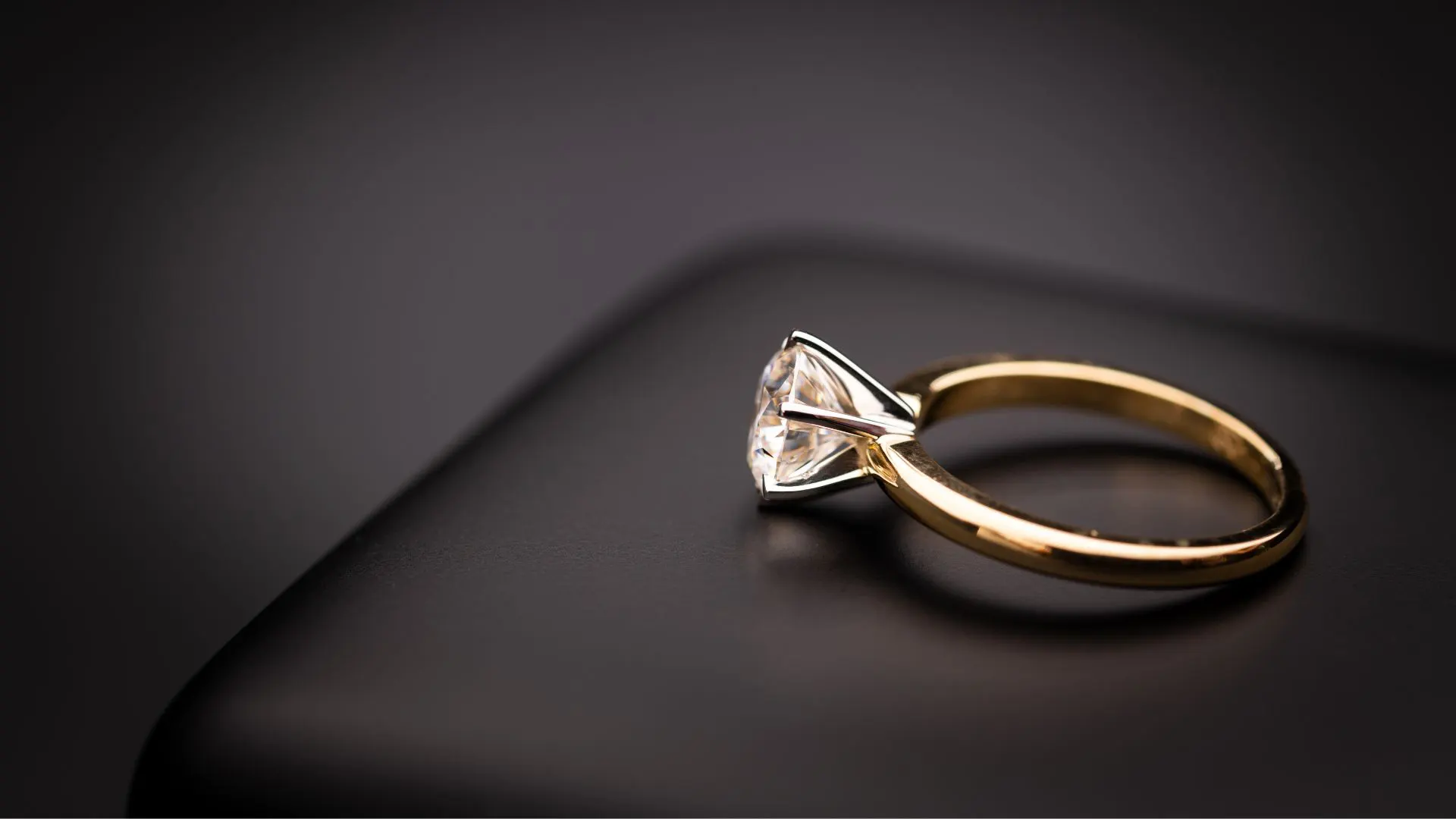
Add Drama with Reflective Surfaces
Natural reflections can make jewelry more expensive and polished in photos. Your images look deeper and more sophisticated when using glass, black acrylic, or glossy tiles as reflective surfaces. Keeping the shooting area clutter-free helps avoid unwanted reflections and ensures clean, clear photos.
Side lighting creates soft shadows and makes the edges of the jewelry stand out more clearly. Backlighting adds a glowing effect to transparent or semi-transparent gemstones. Lighting at a 45-degree angle reduces unwanted reflections and produces a clean image.
You can use a softbox, umbrella, or white paper/fabric to diffuse the light, soften, and reduce harsh glare. This soft light maintains the jewelry’s shine and creates an even, flattering glow. Place a necklace or bracelet on black glass, shine soft side lighting, and capture the reflection for an elegant, magazine-style image.
A photographer can use a tripod to keep the camera steady when shooting close-up jewelry photos. In post-production, software like Photoshop or Lightroom can be used to remove dust and fingerprints. Adjusting brightness, contrast, and color balance helps accurately showcase the jewelry’s true color and sparkle.
Experiment with Storytelling Backgrounds
Backgrounds do more than just fill space; they tell a story. A thoughtful background can define your brand style and connect emotionally with your USA audience.
Try different textures and materials:
Marble or Granite: Marble and granite give luxury jewelry a touch of elegance and sophistication, making each piece feel even more special and high-end.
Linen or Cotton: Linen and cotton provide a soft, natural backdrop that beautifully highlights the charm and artistry of handmade or bohemian jewelry.
Wooden Planks: Wooden planks bring a rustic, natural vibe that perfectly showcases eco-friendly or nature-inspired jewelry with warmth and character.
The goal is to enhance the jewelry, keep the background colors neutral so the jewelry remains the main focus. For pearl or bridal jewelry, use silk or soft fabric in pastel shades to create a romantic atmosphere.
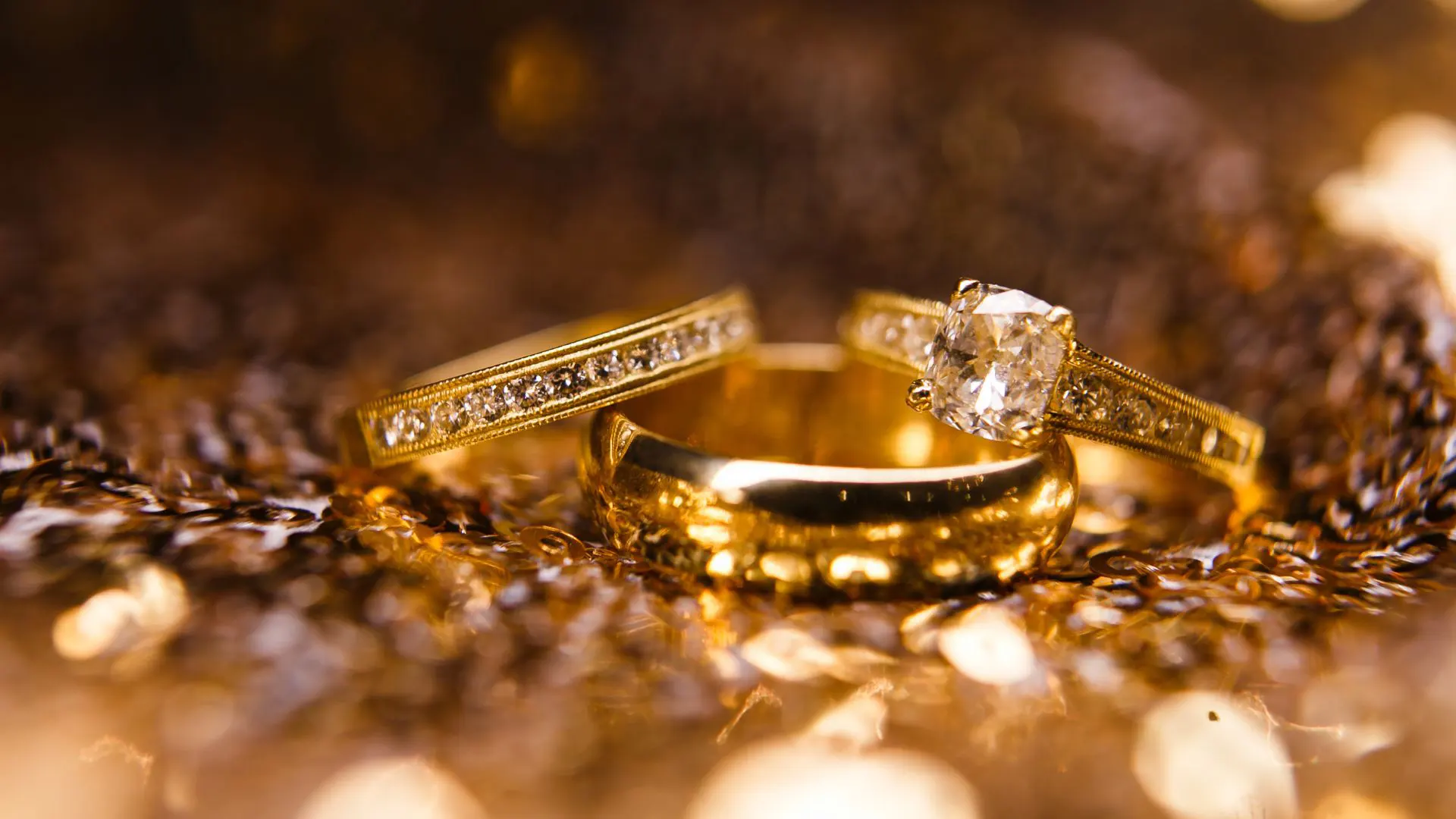
Highlight Detail with Macro Photography
Macro photography and photo retouching are very important for high-quality jewelry intended for online sales. Jewelry primarily depends on details such as gemstone cuts, metal textures, and fine craftsmanship. Macro photography helps capture even the smallest details with clarity. Use your camera’s macro lens or macro mode to focus on a gemstone or engraving.
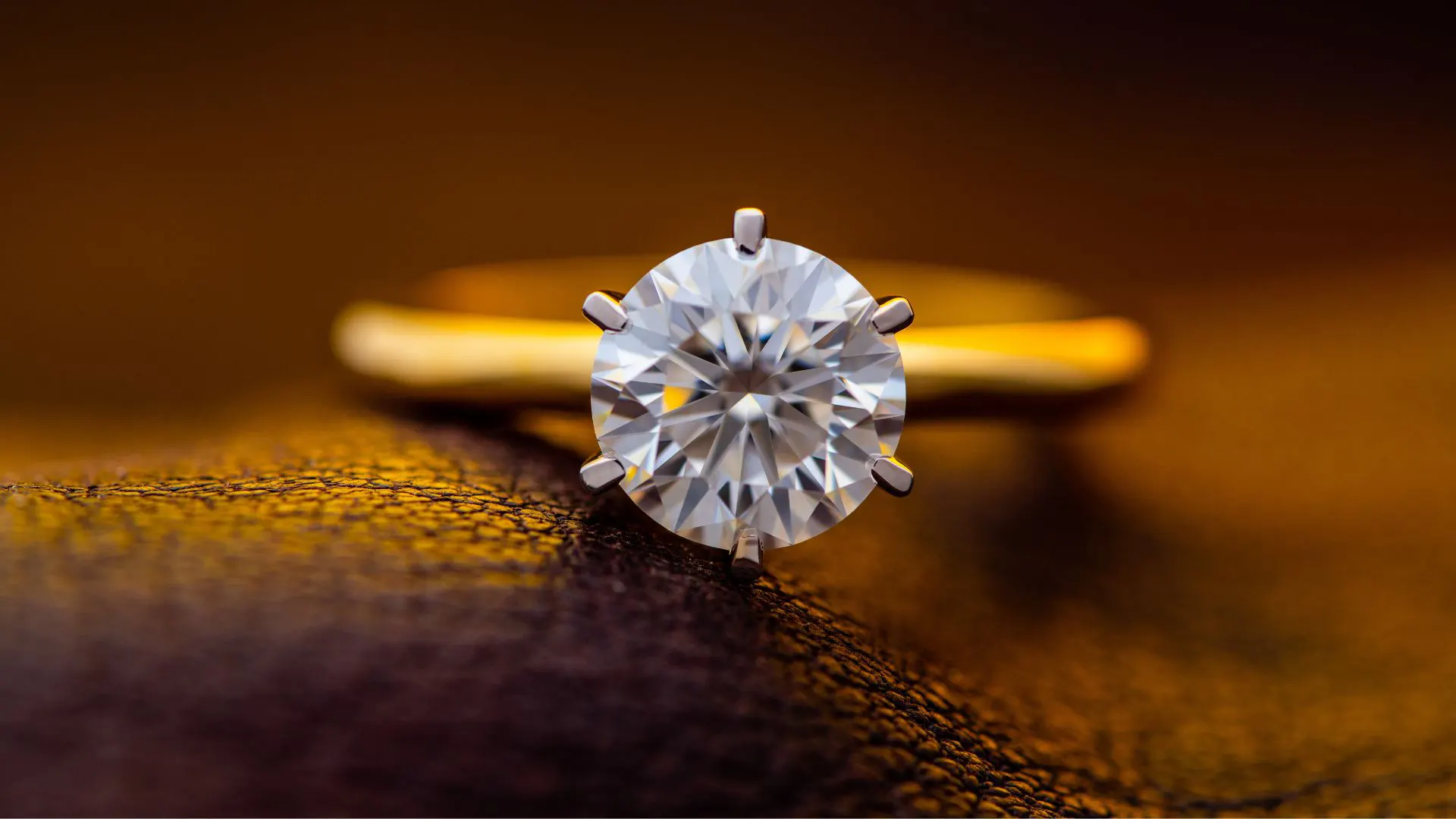
This kind of photo is great for eCommerce listings and social media since shoppers want to see every detail and shine before they buy. A macro lens (typically 90–105mm) is essential for capturing fine details, and a tripod is needed for stability and sharpness. A white, black, or reflective background helps keep the focus on the jewelry. Using manual focus allows for precise focusing, and using an aperture of f/8–f/16 increases the depth of field. Keep the ISO low (100–200) to minimize noise, disable the built-in flash, and shoot from various angles. Zoom in on a diamond’s facet under soft, diffused light to capture its inner brilliance, ideal for Instagram posts or close-up banners.
Add a Human Touch with Lifestyle Shots
Jewelry looks its best when it connects with people. Showing your pieces being worn adds emotion and realism. It helps customers visualize how the jewelry will look on them.
Use models who don’t use a lot of makeup and have natural expressions. Instead of entire portraits, focus on hands, necklines, or ears. Make the background blurry while keeping the jewelry sharp.
Lifestyle photography is ideal for magazines, social ads, and websites. It makes your jewelry look real and helps people trust your company. Take a picture of a model wearing multiple necklaces outside in mild sunlight. It gives the picture a fresh and relatable look.
Creative Use of Shadows and Patterns
A regular jewelry photo may become a work of art with the right light and shadow. Use light sources with patterns, like lace curtains, leaves, or glass textures, to provide soft, one-of-a-kind shadows. Creative use of shadows and patterns in jewelry photography adds depth, visual interest, and a luxurious feel to the images. Shadows should be intentional to enhance realism and dimension in the jewelry. Directional lighting, such as direct sunlight or LED spotlights, creates defined shadows and gives a modern, artistic look. The intensity of shadows can be controlled using reflectors and diffusers; white boards bounce light to soften shadows, while black boards deepen shadows for a moodier effect.
This effect makes things more emotional, textured, and creative. It’s a great technique to make your jewelry photos stand out without adding any more accessories. Using textures and patterns in the background or props enhances the composition while keeping the focus on the jewelry. Polished marble adds a touch of elegance, while rough stone creates a natural, organic feel. When shadows, patterns, and textures are properly balanced, the jewelry’s intricate details and sparkle are beautifully highlighted. For polished e-commerce images, shadows can also be added during post-processing.
Get Creative with Flat Lay Arrangements
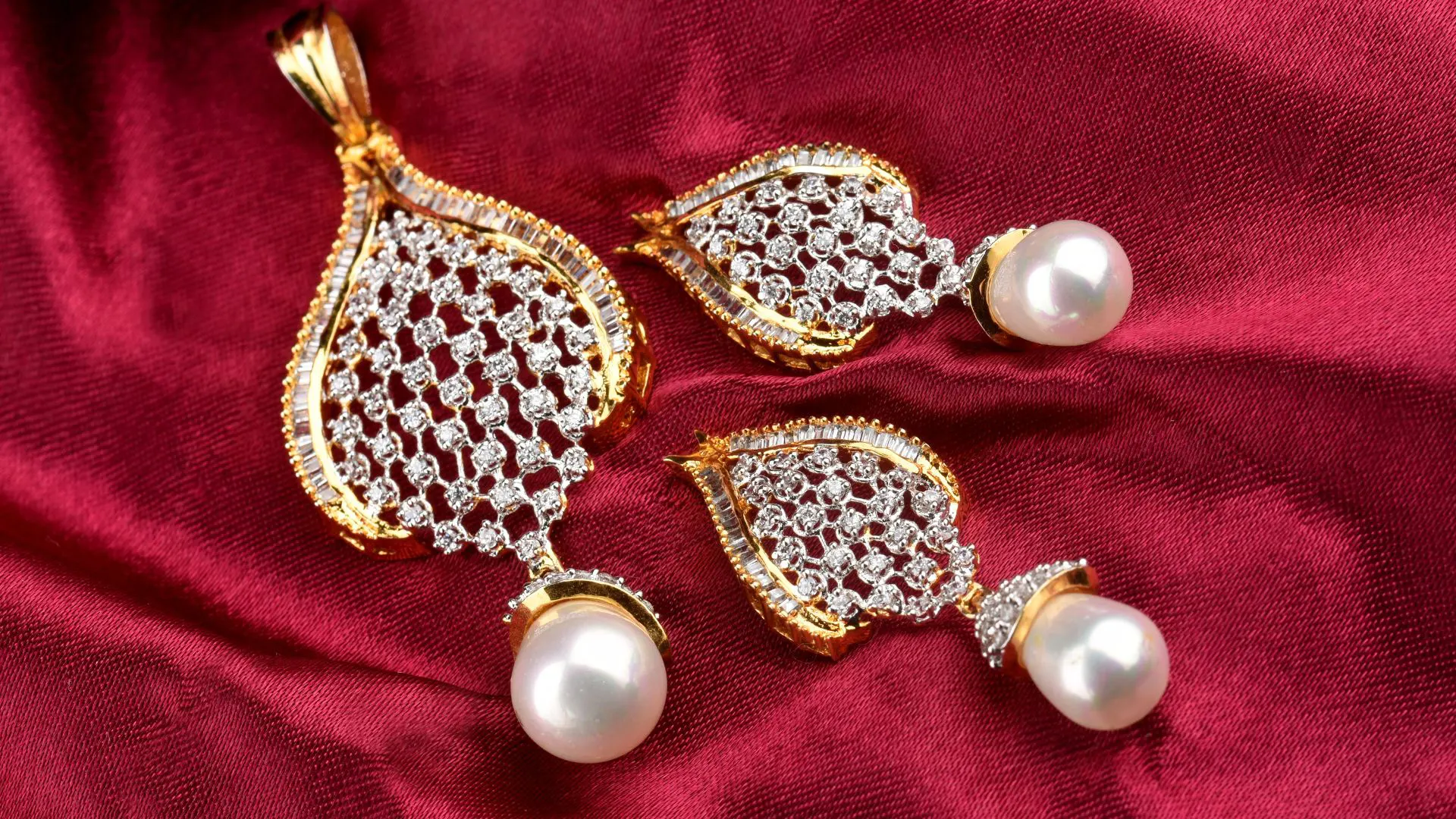
One of the most flexible creative jewelry photography ideas is to do flat lays. They’re easy to wear, look clean, and are great for social media. Put your jewelry in order on a surface and add little props like dried flowers, ribbons, or crystals to make it look better. Make sure the layout is even and symmetrical.
Experiment with different backgrounds, such as white marble, pastel papers, or textured fabrics. Ensure there’s enough empty space around the jewelry so the image feels clean and uncluttered. For a consistent brand look, make a flat lay with earrings, rings, and necklaces from the same collection and props that match.
Mix Texture and Contrast
Contrast helps jewelry shine. By placing smooth, shiny jewelry against a rough or matte background, you draw attention to its detail and luster.
For example:
Gold Jewelry: Gold jewelry truly shines against dark slate or black velvet, giving each piece a rich, luxurious glow.
Silver Jewelry: Silver jewelry really stands out on white stone or pale linen, shining with a clean and elegant glow.
Colorful Gemstones: Neutral backgrounds let colorful gemstones shine, showing off their sparkle and vibrant hues without any distractions.
Experiment with combinations until you find the perfect contrast that enhances your brand’s mood. Place a gold bracelet on a rustic wooden surface for a natural yet elegant contrast.
Add Motion for Dynamic Visuals
Motion adds life and excitement to jewelry photography. Adding motion to jewelry photos makes them more interesting and alive. If you swing a pendant, spin a ring, or let earrings sway naturally, you can make them move. You want to catch sharp motion, so use a fast shutter speed. If you want a soft blur effect, use a slow one. In either case, motion makes your pictures feel real and interesting.
Motion works great in short clips, reels, or GIFs for use on the internet. It makes people feel more connected to the jewelry. Get a video of a bracelet slowly rolling under soft light in slow motion. It has a rich, luxurious feel that is hard to resist.
Use Props to Set the Mood
Props are great for telling stories. The right prop can bring out the theme or season of the jewelry. Flowers make jewelry collections look soft and romantic, while books and candles give them a charming, old-fashioned look. Jewelry made of shells and sand has a breezy, beachy feel, while simple geometric props give modern pieces a sleek, modern look. Choosing the right props lets your jewelry shine and tells the story of each piece.
The key is not to go overboard. Make sure the props are simple and related to the jewelry so that they stay the focus of the picture. A new rose next to a diamond ring is a great way to show love and style in engagement ring photos.
Why Perfect Jewelry Photography Matters
Today’s customers aren’t just buying jewelry, they’re buying the story, the feeling, and the style behind it. Perfect jewelry photography helps communicate all of that. It helps create emotional connections, boosts your online presence, and drives more sales.
Every photo tells its own story, showcasing the craftsmanship, elegance, and personality of your brand. Creative visuals can make a big difference, whether you’re taking pictures for your online store, social media, or a print catalog.
Conclusion
Taking jewelry photos is both a technical and a creative art. Capturing beautiful images of jewelry is not just about showcasing the product; it is also a way to create an emotional connection with the audience. Proper lighting, backgrounds, and the creative use of shadows and patterns help make the jewelry look more professional and appealing. High-quality images highlight the beauty, sparkle, and fine details of each piece while making the brand appear more trustworthy. In today’s competitive online market, investing time and effort in jewelry photography will attract more potential customers and boost sales. Therefore, every photo should accurately showcase the jewelry’s elegance, quality, and appeal.