Pearl jewelry has long been admired for its elegance, sophistication, and timeless appeal. The soft glow and lustrous sheen of pearls, combined with intricate craftsmanship, make each piece truly remarkable. High-quality pearl jewelry photography not only showcases the elegance of each piece but also builds trust with customers and enhances sales. Proper lighting, composition, background, styling, and post-processing all play a crucial role in bringing out the pearls’ natural shine and sparkle. We’ll explore the techniques and tips needed to create stunning pearl jewelry images.
Why Pearl Jewellery Photography is Important
Pearl jewelry photography is more than just taking a picture of a piece of jewelry. It involves a careful balance of lighting, composition, background, and styling to highlight the unique qualities of the pearls. High-quality pearl images not only showcase the true beauty of pearls but also help build customer trust, highlight craftsmanship, and increase sales. This type of photography needs a good understanding of pearls and the right skills to turn that knowledge into beautiful photos. The main challenge in pearl jewelry photography is to show the soft shine and glow of pearls. Photographers need to use the right lighting techniques that bring out the pearls’ natural beauty.
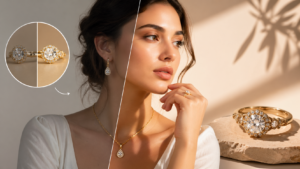
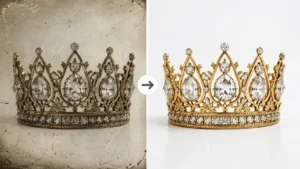
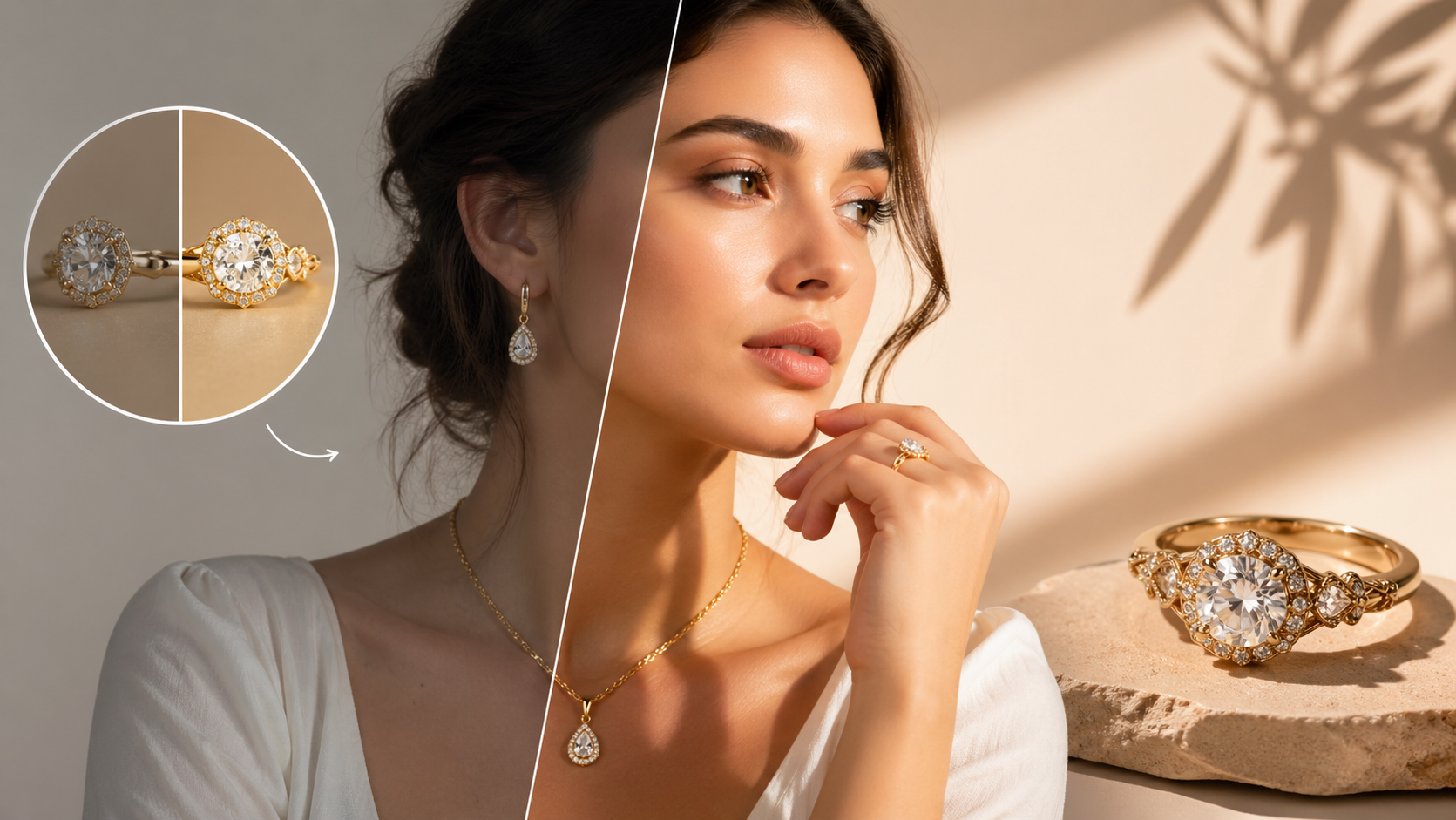
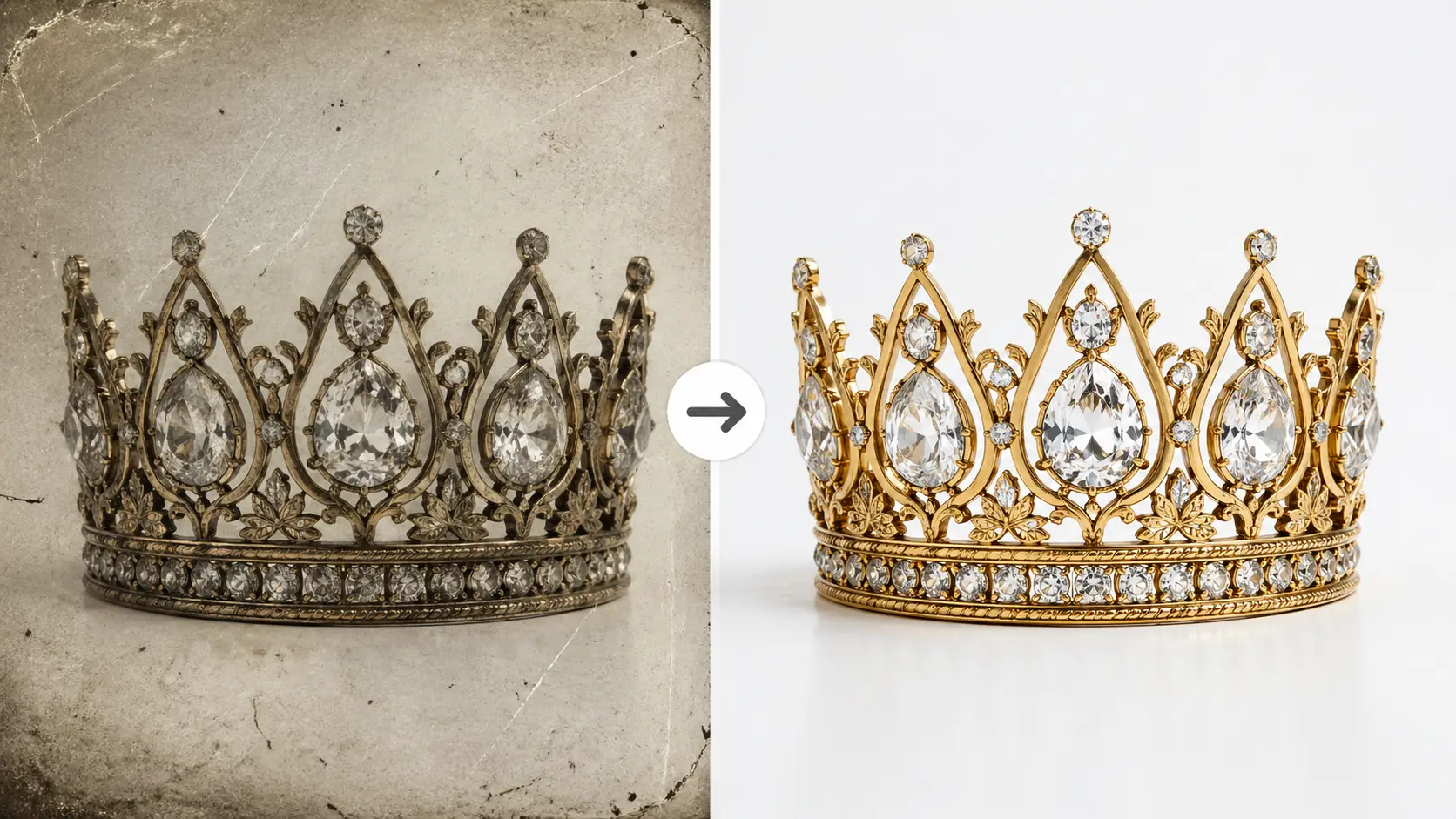
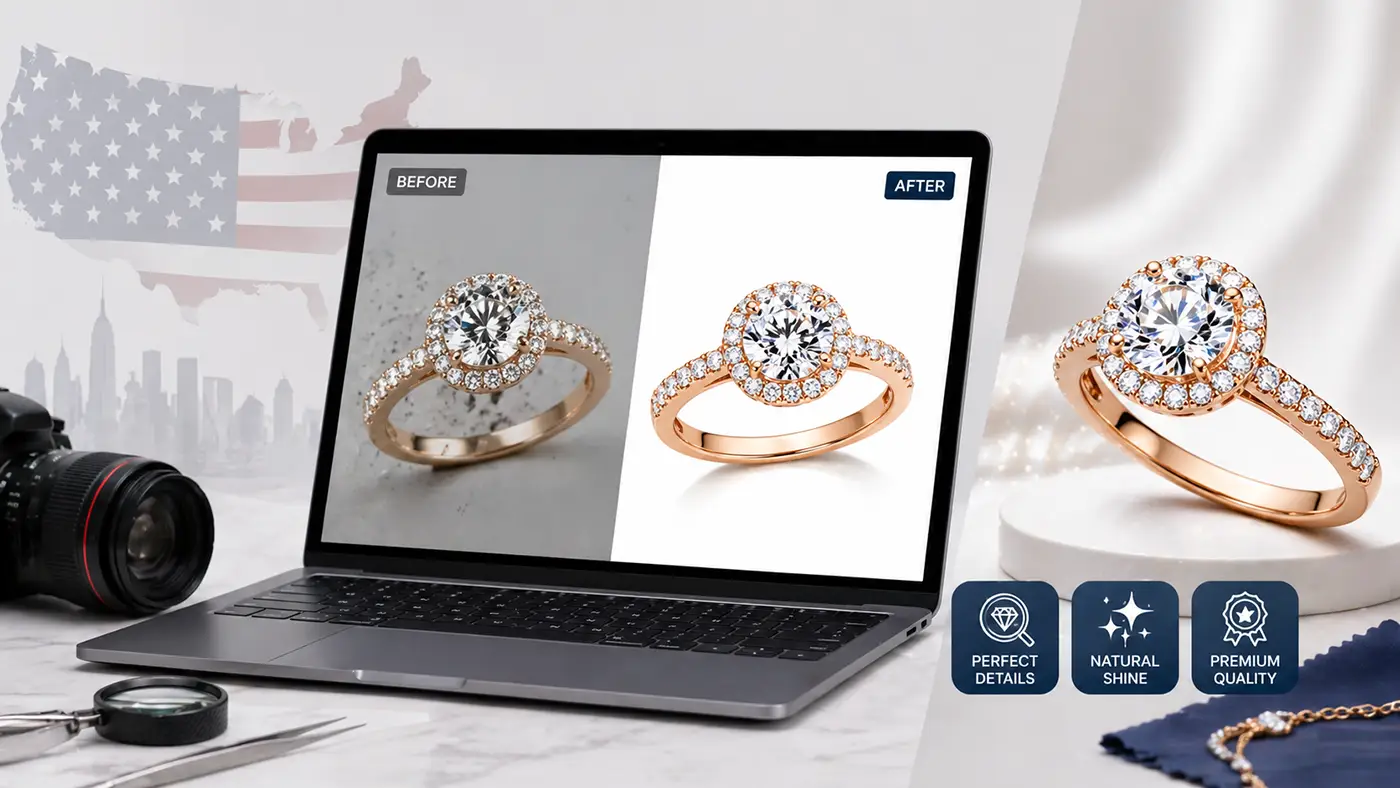
Even with excellent lighting and photography, images may show small flaws, dull colors, or uneven brightness. Retouching photos of pearl jewelry becomes important to enhance the natural shine, correct lighting issues, and remove distractions. Jewelry retouching highlights the craftsmanship of pearl photos and builds customer trust.
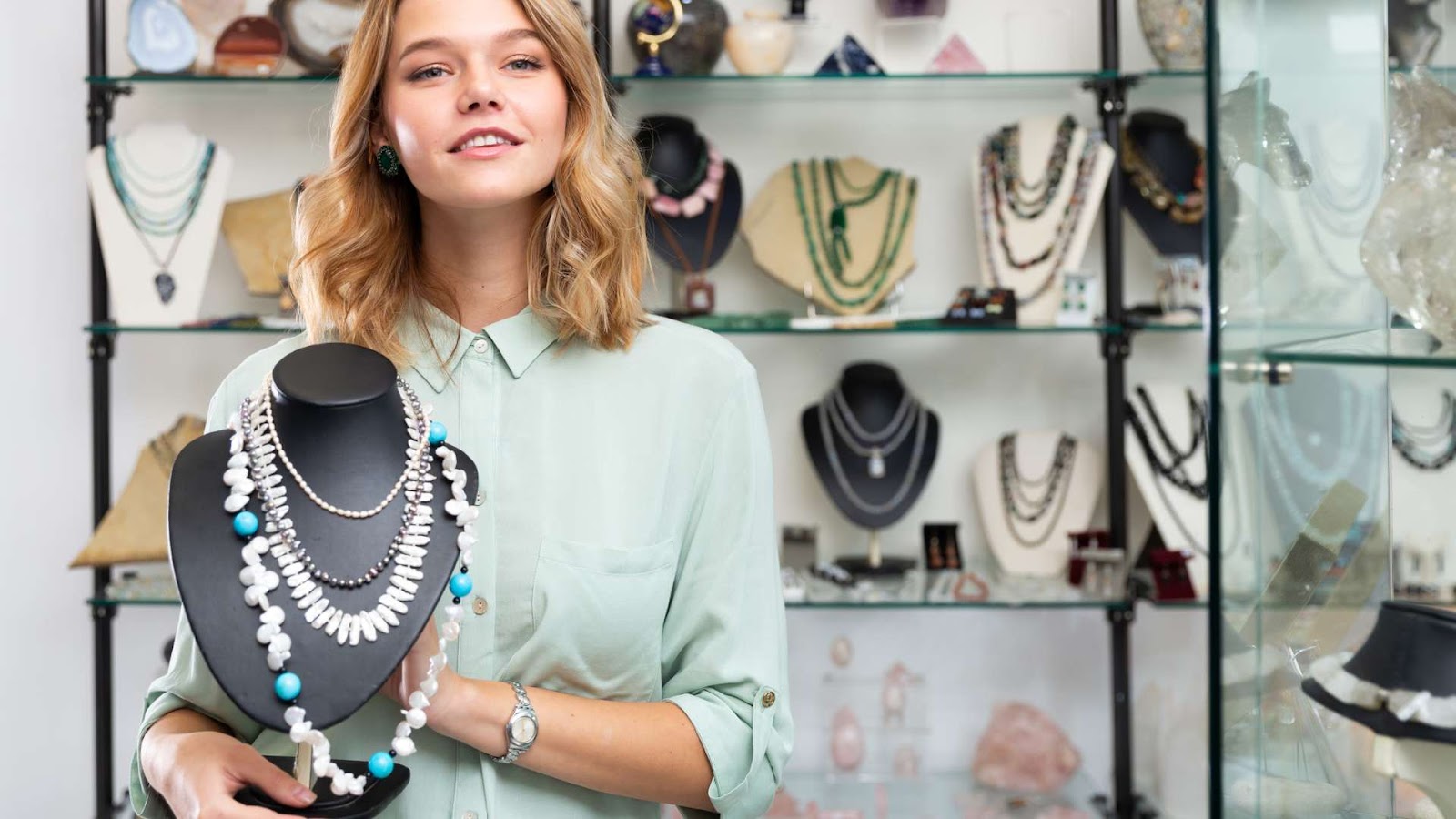
Proper Lighting for Pearl Jewelry Photography
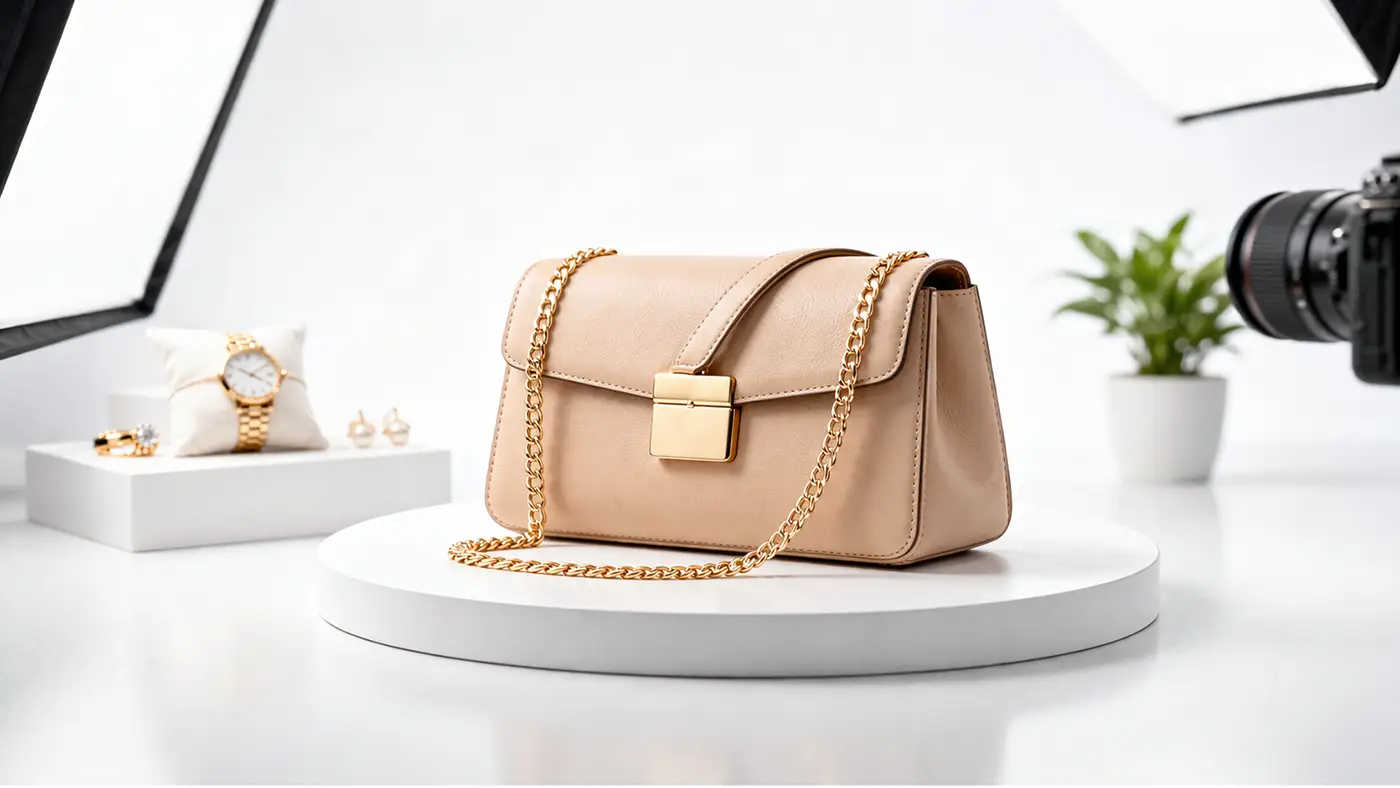
Lighting is one of the most important factors in capturing the true beauty of pearl jewelry. The soft, glowing nature of pearls can easily be lost under harsh or uneven lighting. Proper lighting helps to highlight the pearl’s surface and reflect its iridescent glow. The most common lighting technique for pearl jewelry photography is soft, diffused light. This can be achieved using softboxes or other diffusers that create an even light source without harsh shadows or reflections. Backlighting, or placing a light behind the pearls, can make them glow and look more translucent. Side lighting can help bring out the texture and luster of the pearls, while backlighting can enhance the glow and translucence.
Even with perfect lighting, photos of pearl jewelry can sometimes show small flaws, uneven brightness, or subtle shadows. Pearl jewelry retouching can enhance the natural glow of pearls captured under soft or diffused light.
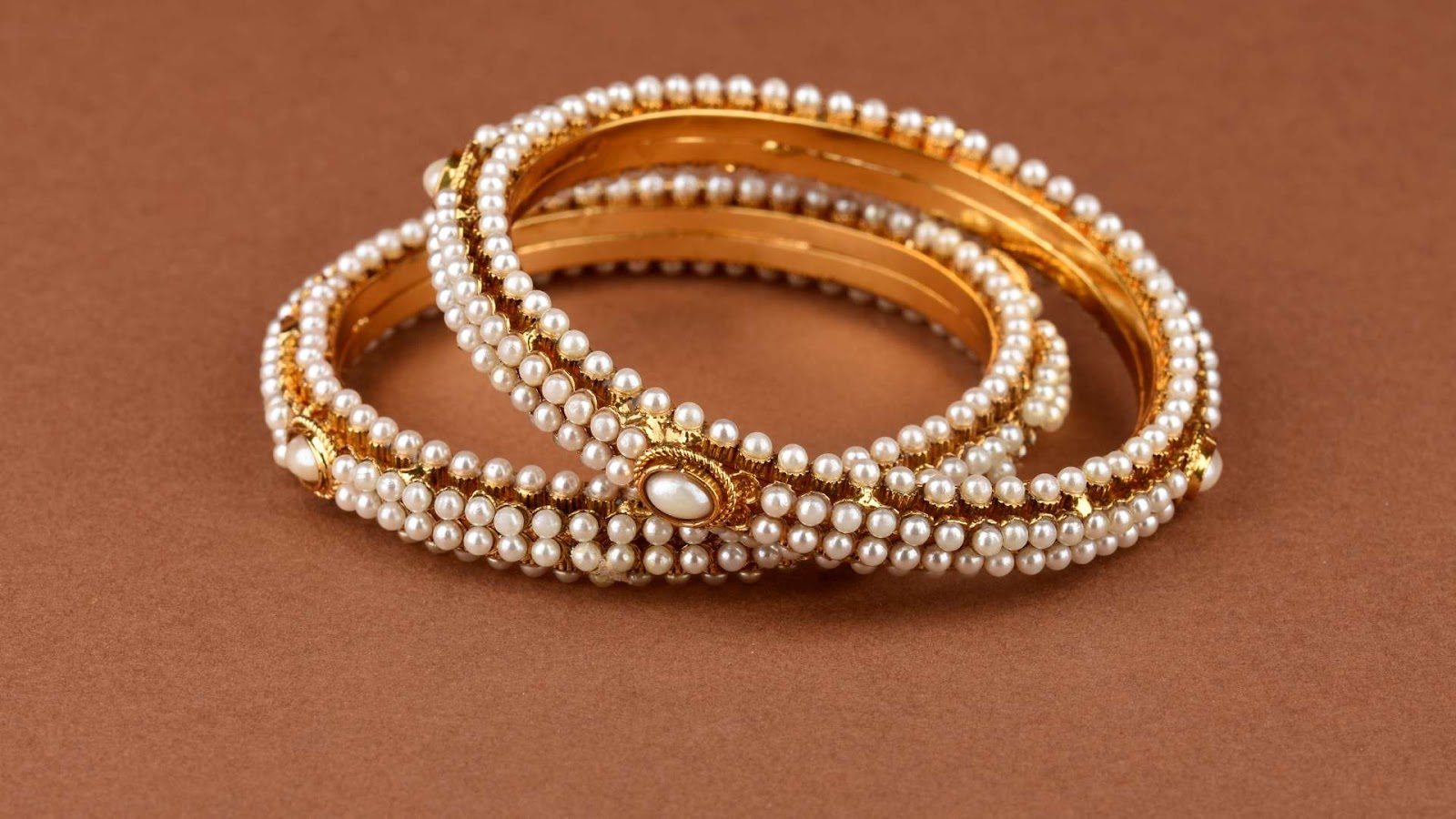
Choosing the Right Background for Pearl Jewelry Photography
The background is very important when taking photos of pearl jewelry. If the background isn’t right, it can take away from the jewelry and make it less impressive. The background should be neutral and not draw attention to itself so that the pearls may shine. A white or light-colored background is typically utilized to make the jewelry stand out without making it look too busy.
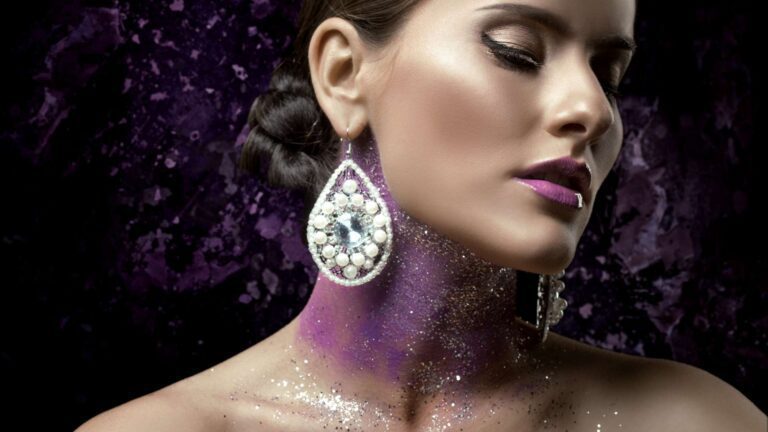
Some photographers prefer darker backgrounds, such as black velvet or deep gray, to make the pearls stand out and create contrast. But the background shouldn’t clash with the colors of the pearls. A blinding white background, for instance, may make lighter pearls blend in, while a dark background may make darker pearls look less bright. The idea is to create a balance that makes the pearls look even more beautiful.
Even if the photographer chooses a neutral background, small distractions like wrinkles, dust, or uneven colors can take attention away from the image. Background retouching helps to remove imperfections, create a clean, consistent look, and enhance contrast.
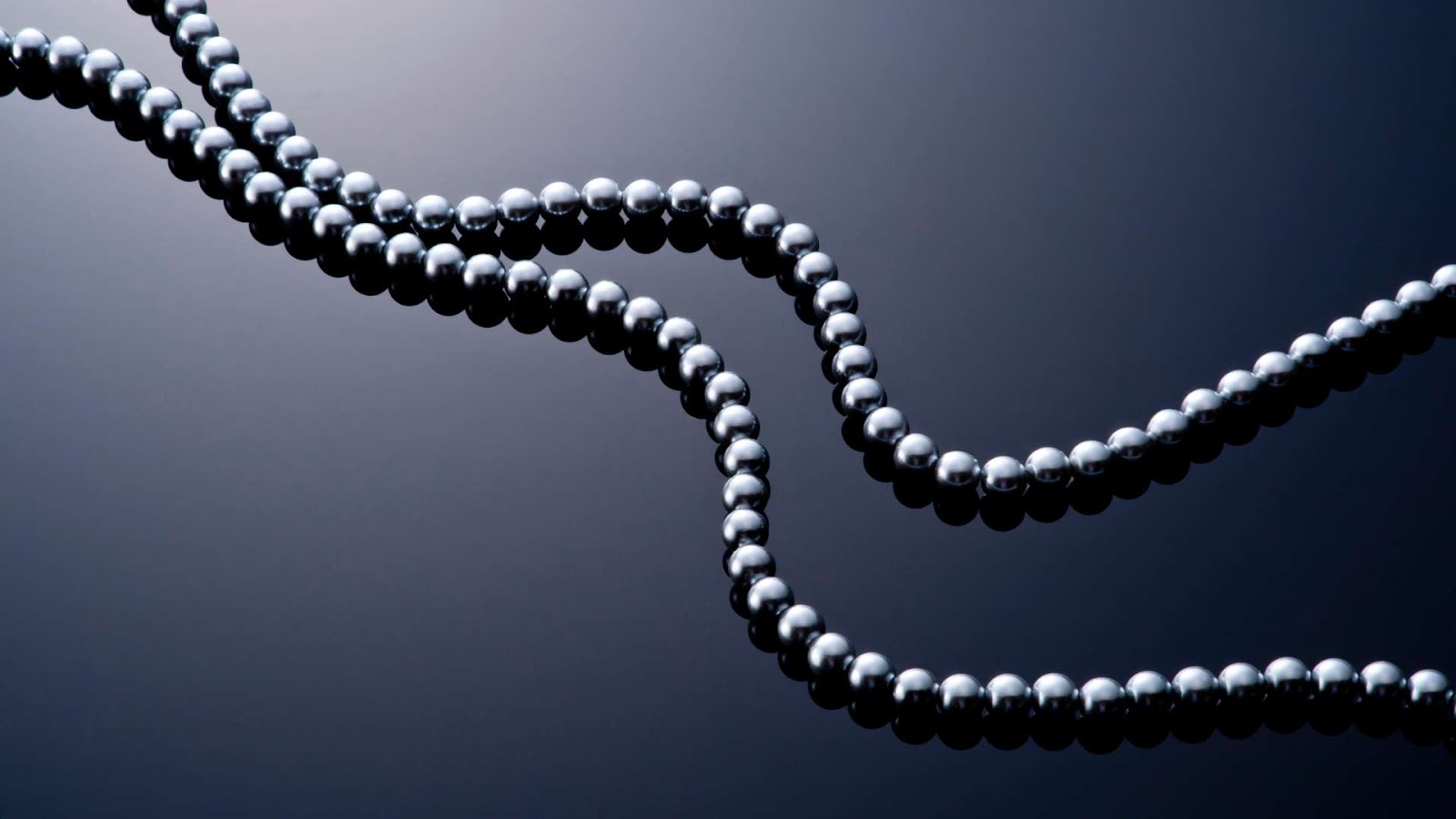
Composition Techniques for Pearl Jewellery Photography
Another important part of taking images of pearl jewelry is composition. The way the jewelry is set up in the frame can have a big effect on the final image. To create a decent composition, you need to keep the focus on the jewelry while also making the picture look good. The rule of thirds is commonly used to take shots of pearl jewelry. It means dividing the picture into nine equal portions and putting the jewelry along the lines or at their intersections. This makes the composition more lively and balanced.
Photographers also like to change the angle of the pearls to exhibit them from different points of view. A close-up view that shows the fine intricacies of the pearls’ surface is a good way to show off their brilliance and texture. Wider images that show the whole item of jewelry, such a necklace or bracelet, on the other hand, help to show the overall design and craftsmanship. Trying out several perspectives can give you a lot of choices and help you find the one that shows off the piece’s beauty the best.
Depth of field is another key thing to think about when composing. Photographers can change how much of the picture is in focus by changing the aperture. A shallow depth of field, which makes the background blurry, can help the jewelry stand out and give the picture a sense of depth. A deeper depth of field, on the other hand, can make sure that the whole piece of jewelry is sharp and in focus.
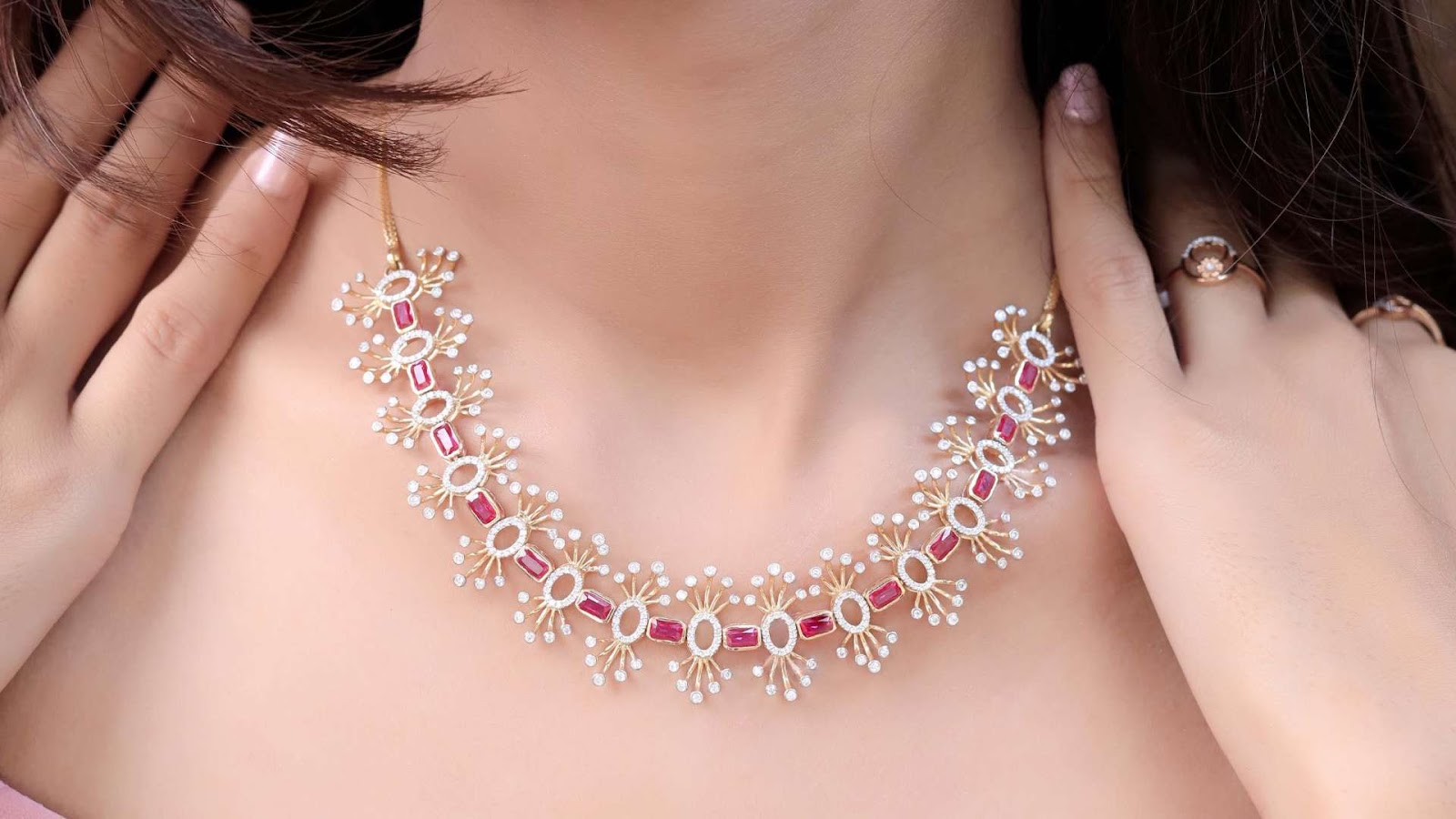
Color Correction for Pearl Jewellery Photography
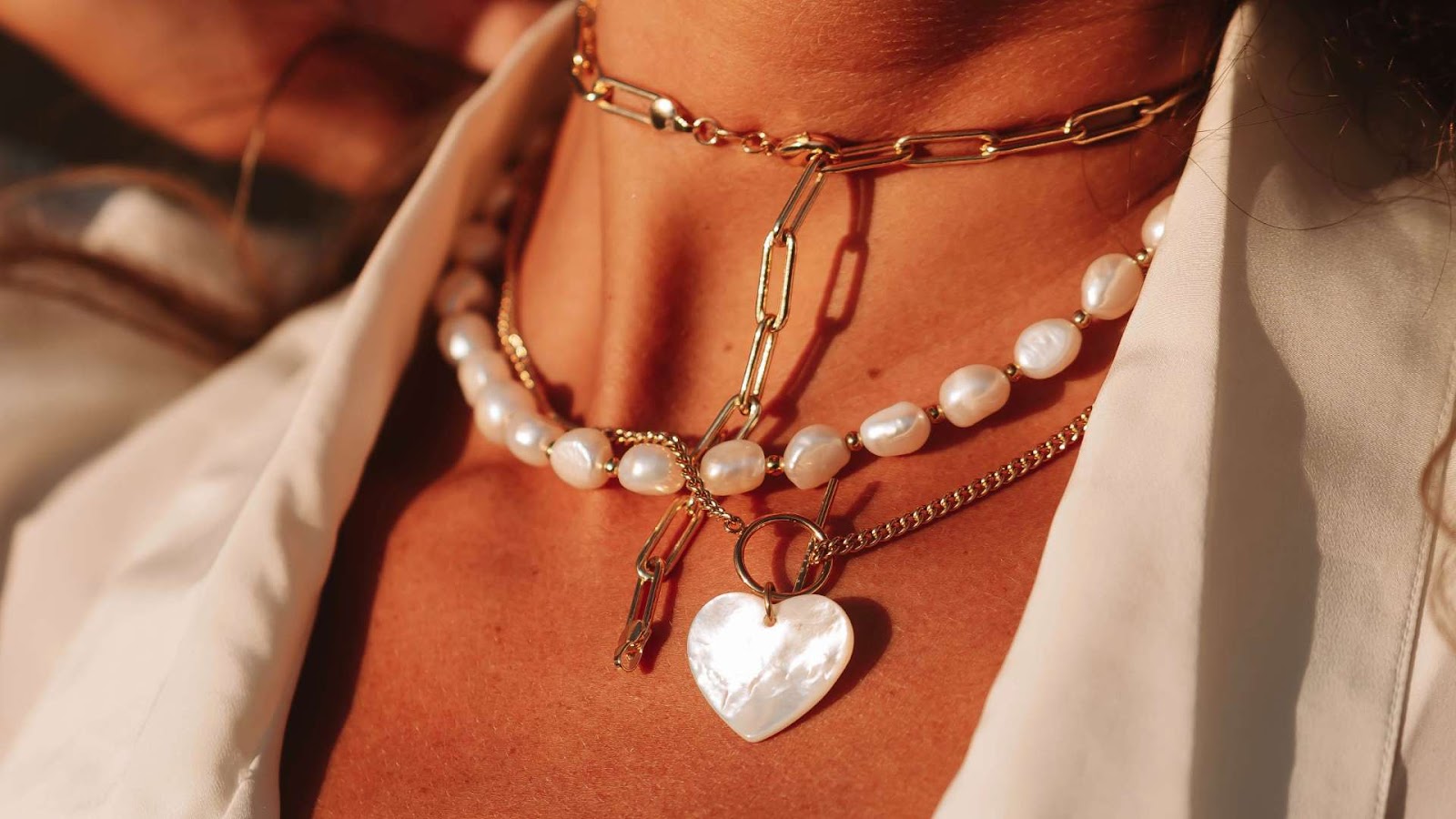
Color correction is an essential aspect of pearl jewelry photography. The color and presentation of jewelry greatly affect how people perceive it. Although pearls are sophisticated, their color needs to reflect the shoot’s style and mood. This could involve incorporating props, choosing the right clothing or accessories, or even using the model’s hands to showcase the jewelry. Color correction ensures that the images reflect the true shades and luster of the jewelry. Correcting the white balance ensures the pearls’ natural color is accurately represented. Jewellery images should have consistent color tones for e-commerce or catalog use. Color correction makes the pearl jewellery look more vibrant, natural, and true to its actual beauty.
Post-Processing in Pearl Jewellery Photography
Post-processing is the stage after the photoshoot where images are edited and enhanced using software like Photoshop or Lightroom. Post-processing is essential in pearl jewelry photography to ensure that the final image is polished and flawless. The goal of the post-processing service is to maintain the natural beauty of the pearls. Common post-processing techniques include correcting colors, adjusting brightness and contrast, removing imperfections, and sharpening details. Adjusting exposure and brightness is another important service for jewelry pearl photography. Jewelry enhancement services highlight the texture and intricate details of the pearl jewellery.
Common Mistakes to Avoid in Pearl Jewellery Photography
While pearl photography can be rewarding, it’s easy to overlook things in ways that can lessen the image’s overall impact. One common mistake is using too much light. Overexposure can cause the pearls to lose their luster and detail. It’s essential to use soft, diffused light and adjust the exposure to ensure that the pearls are captured in their best light.
Another mistake is neglecting the background. A cluttered or overly busy background can distract from the jewelry and make the pearls appear less important. Always opt for a simple, clean background that allows the pearls to shine.
Lastly, photographers should avoid using harsh editing techniques that alter the natural beauty of the pearls. While post-processing is important, it should be used to enhance the image, not to change the essence of the pearls. Keep the edits subtle and focus on preserving the pearls’ timeless elegance.
Conclusion
Pearl jewelry photography is an art form that requires both technical skill and an understanding of the subject. The delicate sheen of pearls and their timeless beauty can be captured through careful lighting, composition, styling, and post-processing. By mastering these techniques, photographers can create stunning images that showcase the elegance and allure of pearl jewelry.
By paying attention to the details and experimenting with different techniques, you can create photographs that highlight the unique beauty of pearls and leave a lasting impression on your audience.
Pearl jewelry photography is not just about capturing an image; it’s about telling a story of elegance, grace, and timeless beauty. With the right approach, you can ensure that every shot showcases the natural wonder of pearls, helping to preserve their allure for generations to come.