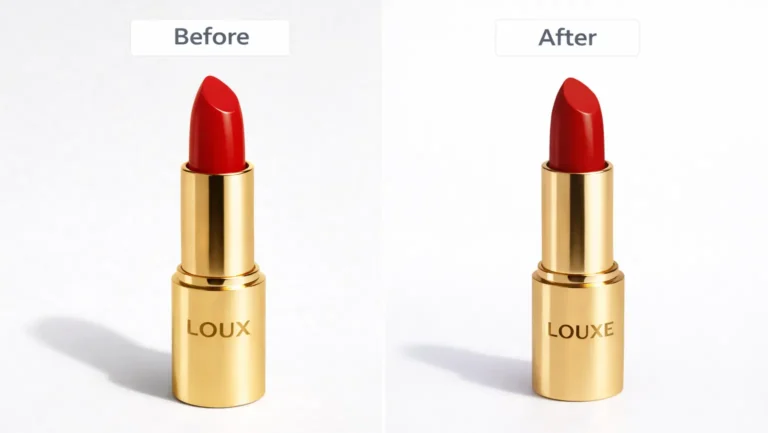
AI is changing the way brands create product photos. Today, companies can generate product images in minutes instead of spending days on photoshoots. This saves time and lowers production costs. It also helps brands launch new products faster. But fast results do not always mean perfect results. AI images can still have small errors that affect quality. That is why AI image retouching plays an important role in making images ready for real customers.
Common Problems with AI-Generated Images
Even advanced AI tools make mistakes. These issues may seem minor, but they can hurt trust and sales.
Low Detail and Resolution
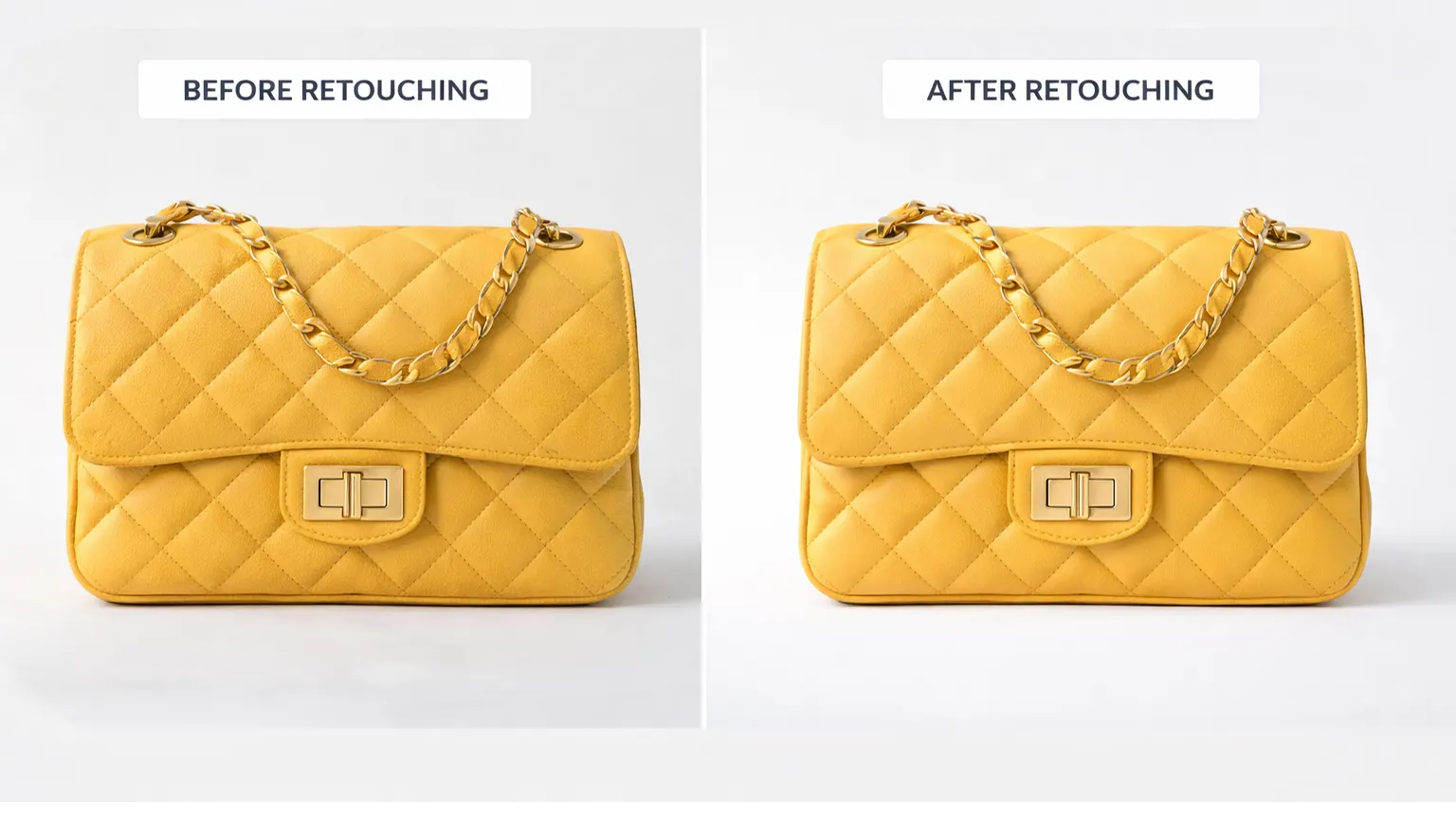
AI images sometimes look soft or slightly blurry. Fine textures like fabric weave or leather grain may disappear.
Such as,a close-up of a knitted sweater may look smooth, and you cannot see the small threads in the fabric. A leather bag looks flat, and the natural grain detail is missing.
Artifacts and “Uncanny Valley”
Strange distortions, warped edges, or unnatural shapes can make products look fake.
For example, the handle of a handbag may appear slightly melted or uneven along the edges. A product edge appears wavy instead of straight.
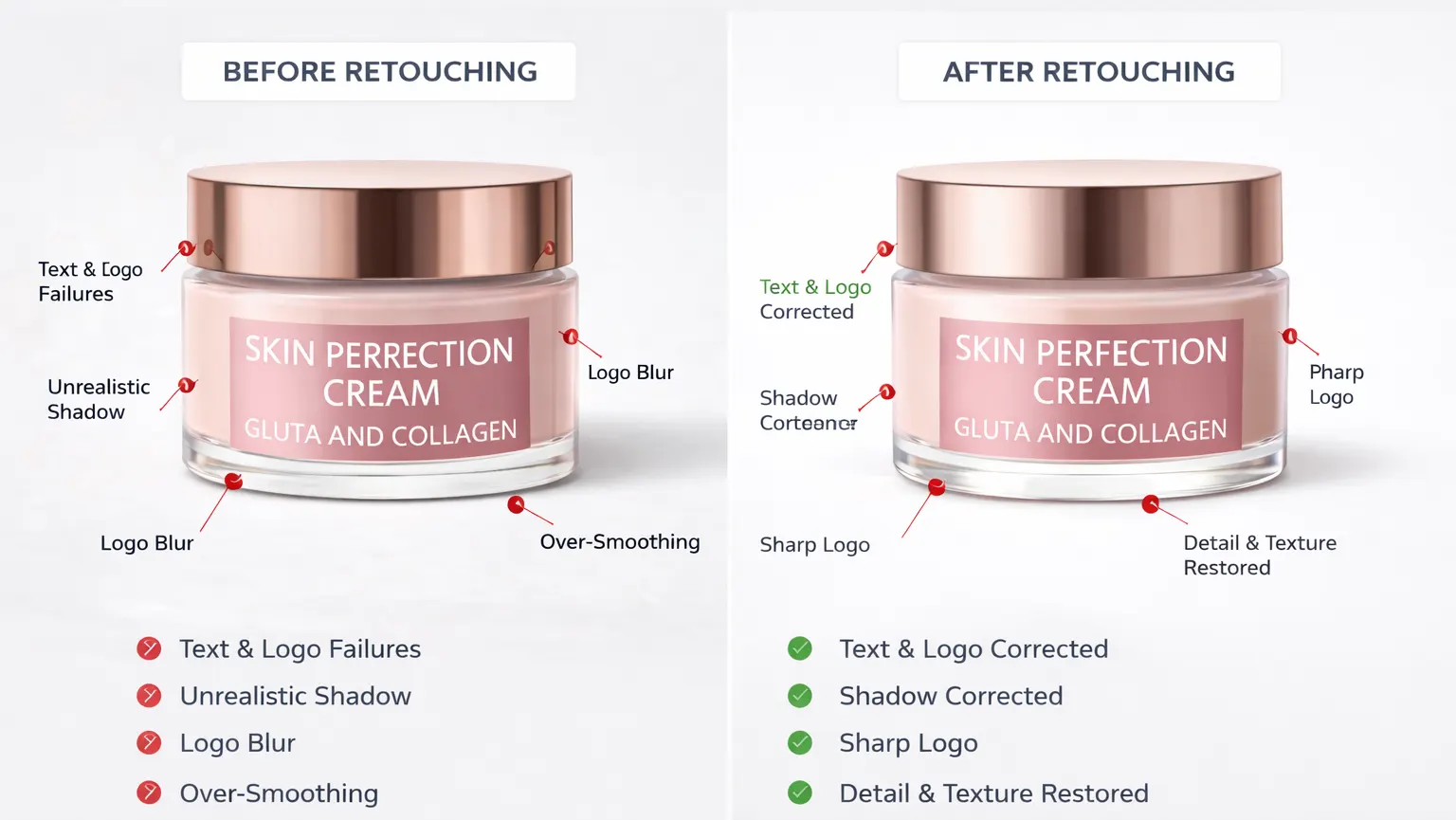
Text and Logo Failures
AI often distorts logos, misspells words, or creates uneven text. This damages brand credibility.
As an example, a brand logo on a shirt shows slightly wrong letters. Text on product packaging appears blurry or uneven.
Anatomical Inconsistencies
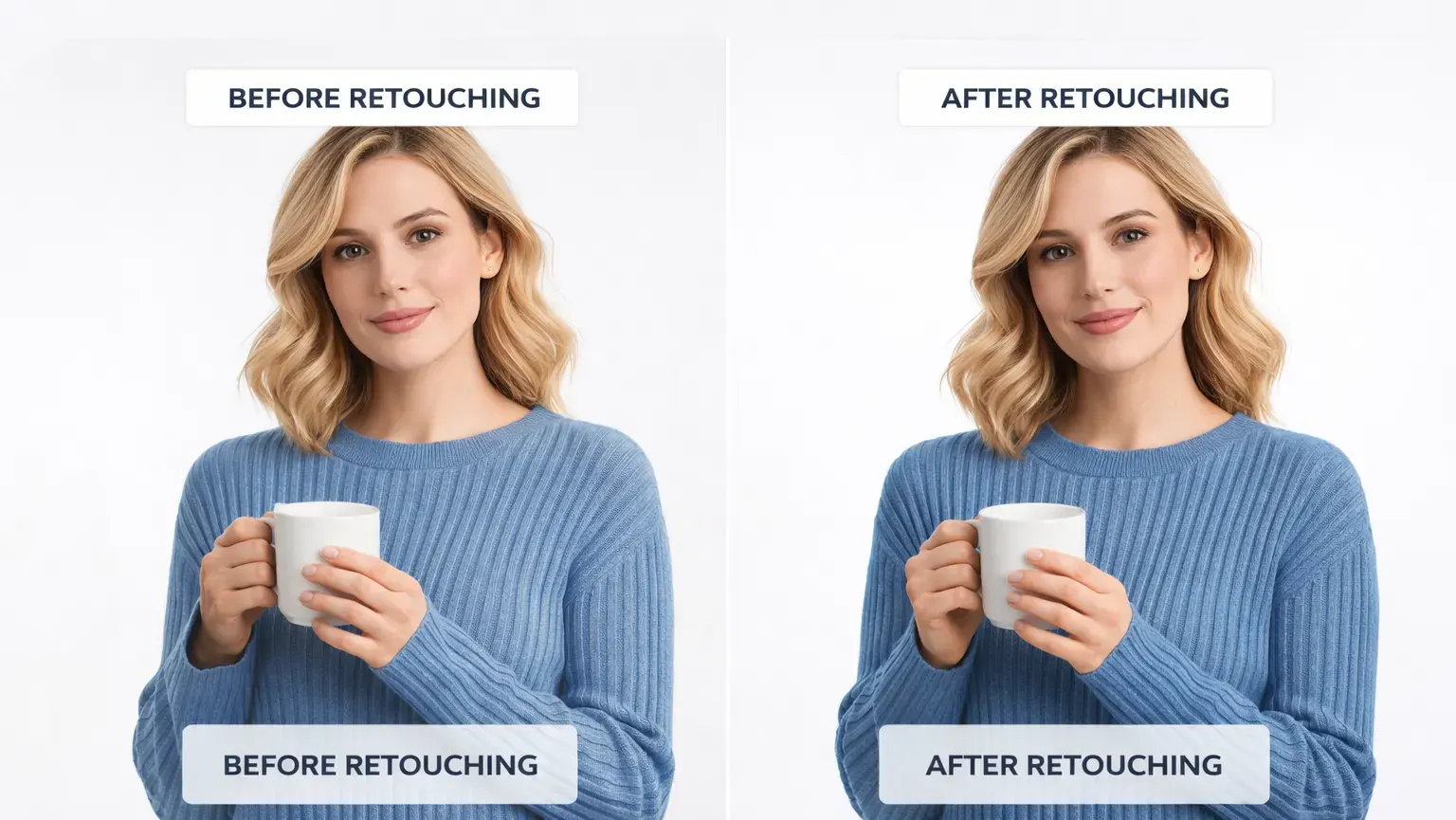
When AI generates models wearing products, you may see extra fingers, twisted arms, or odd body shapes.
For example, a model holding a cup has six fingers. A model’s arm looks twisted in an unnatural way.
Inconsistent Colors
AI tools sometimes change or misread product colors. Even small color shifts can confuse customers and lead to returns. Colors may not match the real product.
A ruby red dress may appear maroon. A navy blue dress looks almost black in the image. Soft pink lipstick of the model appears bright red online.
Unrealistic Shadows
AI often adds shadows automatically, but they do not always look natural. Shadows may fall in the wrong direction or look too harsh or too light. A product has a very dark shadow that makes it look like it is floating. Incorrect shadows can make a product appear fake or poorly edited.
Such as, a watch displays a sharp, harsh shadow indoors, where the lighting should create a soft and subtle shadow. A handbag shows a shadow on both sides, even though the light source comes from only one direction.
Texture and Detail Loss
AI may over-smooth surfaces. Leather can look like plastic. Fabric may lose depth. Such as, A denim jacket looks smooth instead of showing fabric texture. A wooden table looks plastic because the wood grain is not visible.
Background Imperfections
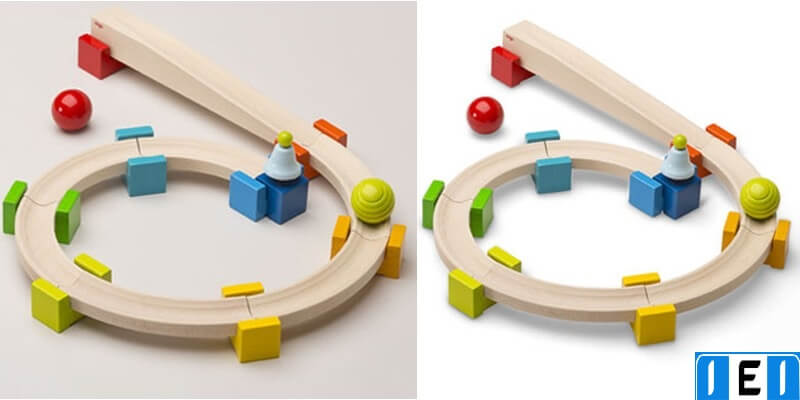
AI tools often remove or replace backgrounds automatically. But small editing errors can still appear around the product. Blurry edges, leftover cutout marks, or strange background blends are common.
A thin white outline appears around a handbag after background removal. The background color looks uneven, with slightly darker patches near the product edges.
Over-Smoothing or Artificial Look
AI sometimes tries to make images look clean and perfect. But too much smoothing can remove natural detail and make the product look fake. Skin, fabric, and surfaces may appear flat and unnatural. These flaws may not always stand out at first glance. But customers notice them.
Such as, A cotton shirt appears flat and shiny instead of soft and textured. Skin in a beauty product image looks completely plastic-like.
How Image Retouching Fixes AI Issues
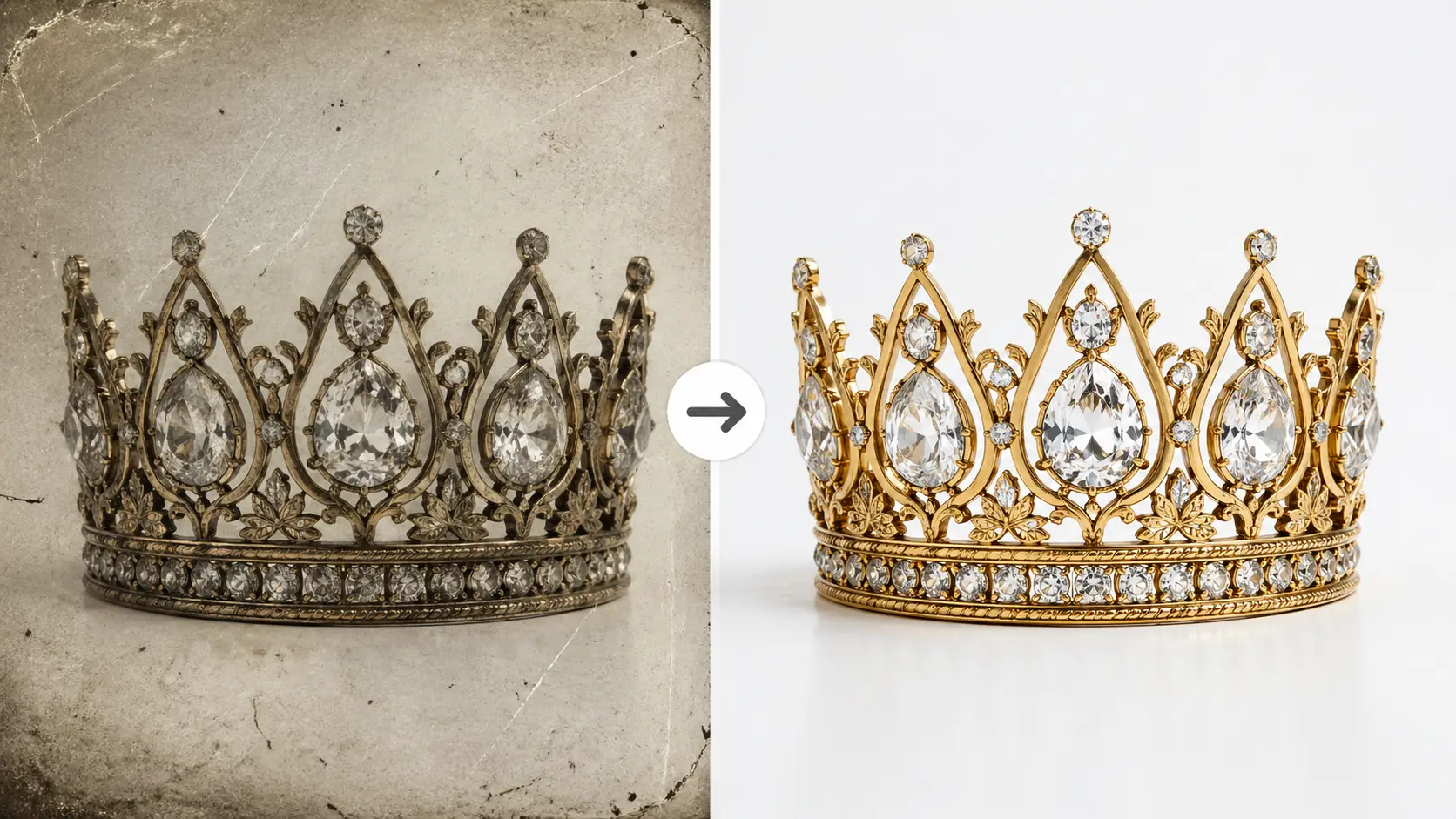
AI-generated images can look good at first glance, but small flaws often remain. Professional e-commerce image editing corrects those issues and turns rough visuals into polished, sales-ready images. This is where AI image retouching makes the difference.
Ensures Color Accuracy and Realism
Professional retouchers match colors to real product samples. They adjust tones carefully so customers see the true shade.
About 90% of online returns happen because the product looks different from the photo. Even a 1% drop in returns can significantly increase profits. Accurate images protect revenue.
Eliminates Flaws and Distractions
Retouchers remove AI glitches, fix warped edges, correct logos, and clean backgrounds. They adjust shadows and lighting so everything looks natural.
They also fix reflections on jewelry, watches, and electronics while keeping the product’s shine.
Enhances Product Details and Texture
Human editors restore lost texture. They use advanced methods to remove blemishes without destroying natural detail.
They can also create special effects like Ghost Mannequin images by blending multiple photos smoothly.
Why E-Commerce Brands Still Need Human Retouching
Automation helps brands move faster. But speed alone does not create trust or strong sales. Customers expect product photos to look real and consistent. Small visual errors can hurt confidence right away. That is why AI image retouching still matters for serious e-commerce brands. It combines smart tools with human review to produce images that feel accurate and reliable.
Accuracy and Return Reduction
Wrong colors cause returns. When a product looks different in person, customers feel frustrated. Human editors adjust brightness, tone, and contrast to match the real item. They review product samples and correct even small color shifts. These careful changes lower return rates and protect profit. Clear, honest photos also help shoppers feel confident before they buy. When customers receive exactly what they expect, they trust the brand more. Strong visuals supported by AI image retouching help brands present products clearly across all screens and devices.
High-End Detail and Invisible Editing
Detailed products need careful work. Jewelry, leather, glass, and fabric each reflect light in different ways. Skilled retouchers remove dust, scratches, and harsh reflections while keeping the natural texture. They improve sharpness without making surfaces look fake or plastic. Good editing should stay invisible. Customers should focus on the product, not the corrections behind it. Human expertise keeps materials realistic and balanced. This attention to detail makes images look polished but still natural.
Strategic Brand Consistency
Consistency builds brand recognition. When shoppers browse an online store, they expect a clean and uniform look. Editors keep lighting steady across all SKUs. They match shadow styles and maintain the same background tone. They align products evenly within each frame. These steps create a smooth and professional catalog. A consistent visual style makes the store feel organized and trustworthy. That trust encourages repeat purchases.
Overcoming AI Limitations
AI tools still make mistakes. Logos may look distorted. Buttons may appear uneven. Seams or edges may look warped. Human editors carefully check each image and fix these problems before publishing. They also confirm that photos meet marketplace standards for Amazon, Shopify, and eBay. This final review protects brand reputation and prevents costly listing issues.
Increased Conversion and Engagement
Strong product images increase sales. Clear and realistic visuals keep shoppers on the page longer. High-quality photos can raise conversion rates significantly. People process images faster than text, so first impressions matter. Clean, detailed images create confidence within seconds. When customers trust what they see, they are more likely to buy and return for future purchases.
AI and Human Retouching for a Perfect Workflow
The best solution is not AI alone. Brands get better results when they combine automation with expert editing through AI image retouching. AI handles speed and bulk production, while skilled editors refine details, fix errors, and protect brand consistency. This balanced workflow helps businesses scale faster while maintaining quality, accuracy, and trust.
- AI for Speed – Fast Image Generation and Background Removal. AI speeds up the entire image process. Tasks that once required days of work can now be completed in a short time. It clears backgrounds and places products into simple scenes with just a few steps, helping brands move products to market faster.
- Retouching for precision – AI helps speed up the process, but it cannot judge every small detail. A skilled editor looks at each image with eyes, adjusts the color balance, sharpens important areas, and smooths out rough spots. They make sure the final image truly represents the brand’s style, quality, and overall look.
- Scalable production – AI makes it easier to produce large batches of product images. After that, retouching teams check and refine each one to maintain quality. This approach allows brands to manage thousands of photos while keeping results accurate and consistent.
- Consistent catalog images – Consistency makes an online store look professional and trustworthy. Editors keep lighting, shadows, and backgrounds uniform across all products. A clean and unified catalog builds stronger customer confidence.
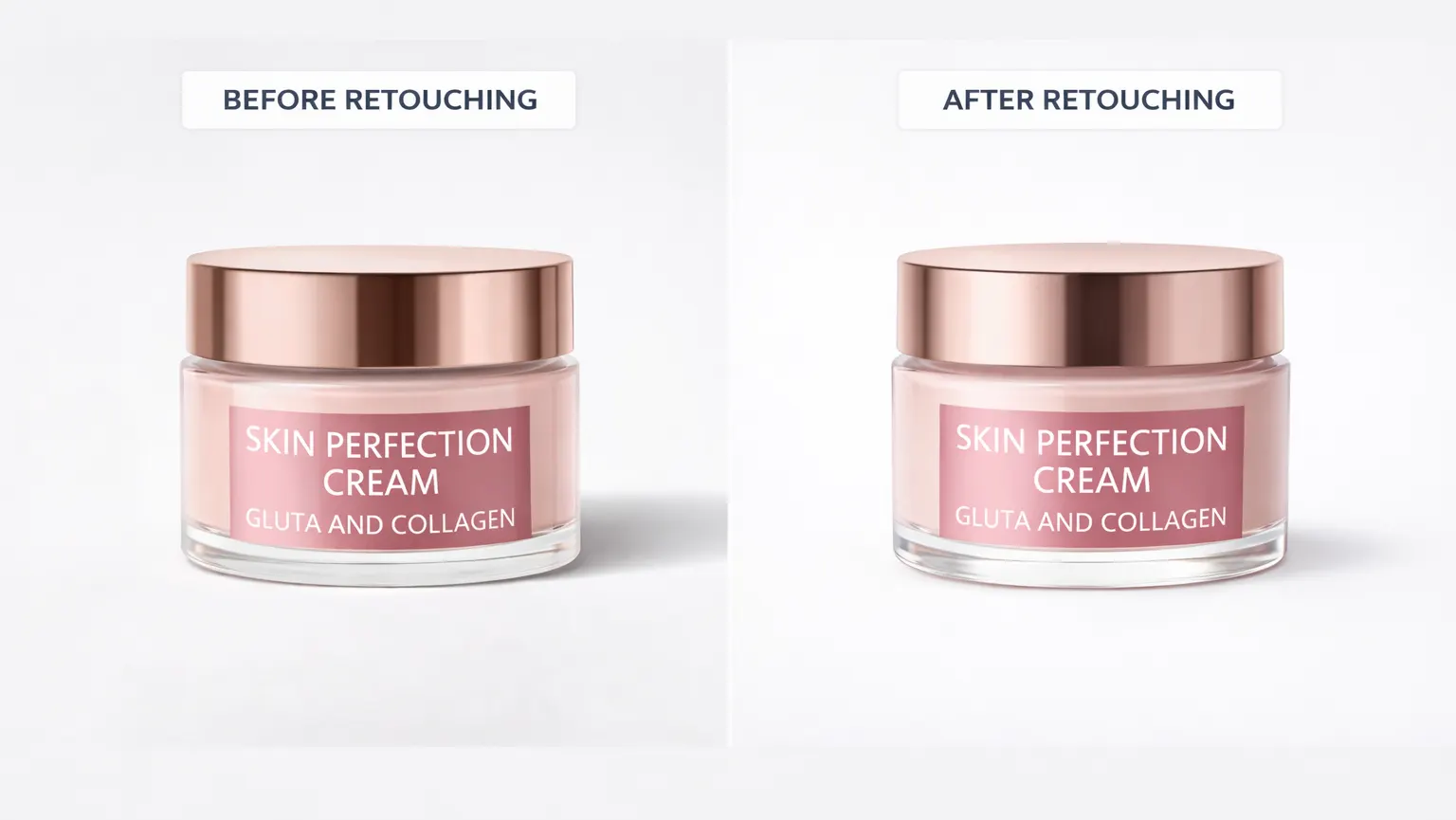
How Image Expert Supports AI Image Retouching
Image Expert works closely with e-commerce brands to turn AI-created images into visuals that are ready to sell. We blend advanced tools with hands-on editing to deliver images that look clean, accurate, and professionally finished.
Clean, Natural Retouching: We fix small flaws while keeping the image real and believable. Our editors protect natural textures, true lighting, and fine product details. The result feels refined, not artificial.
Accurate Color Correction: We adjust colors so they match the real product as closely as possible. This reduces confusion, lowers return rates, and builds customer confidence. Each image stays consistent across different screens and devices.
Fast Turnaround Times: We know how fast online retail moves. Our team works efficiently to deliver strong results without long wait times. This helps brands launch and update products without delays.
Marketplace-Ready Formatting: Different platforms have different image rules. We prepare your visuals to meet Amazon, Shopify, and eBay standards. From sizing to background guidelines, we make sure your listings look polished and fully compliant.
Conclusion
AI is powerful, but it is not perfect. It can generate images quickly, but speed alone does not guarantee quality.
Only AI image retouching makes those images ready for real customers. For e-commerce brands, precision builds trust. Trust leads to more clicks, more sales, and long-term growth.