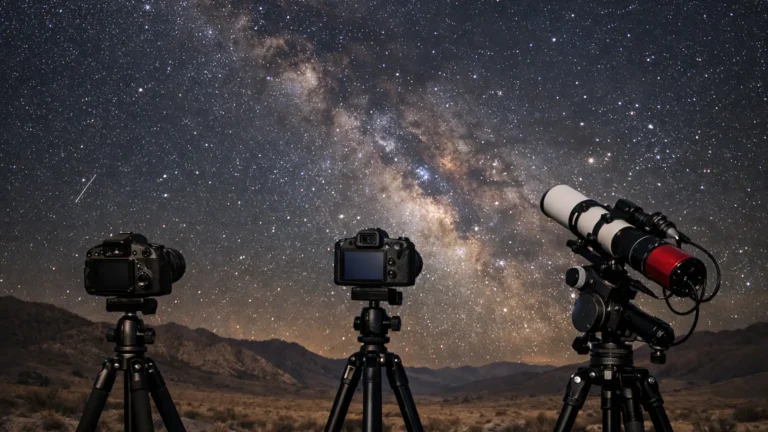
The best cameras for astrophotography in 2026 depend on your skill level, budget, and goals. Beginners should focus on easy manual controls and clean high-ISO performance, while intermediate users benefit from better sensors and dynamic range. Professionals need reliable long-exposure performance and maximum detail for deep-sky imaging.
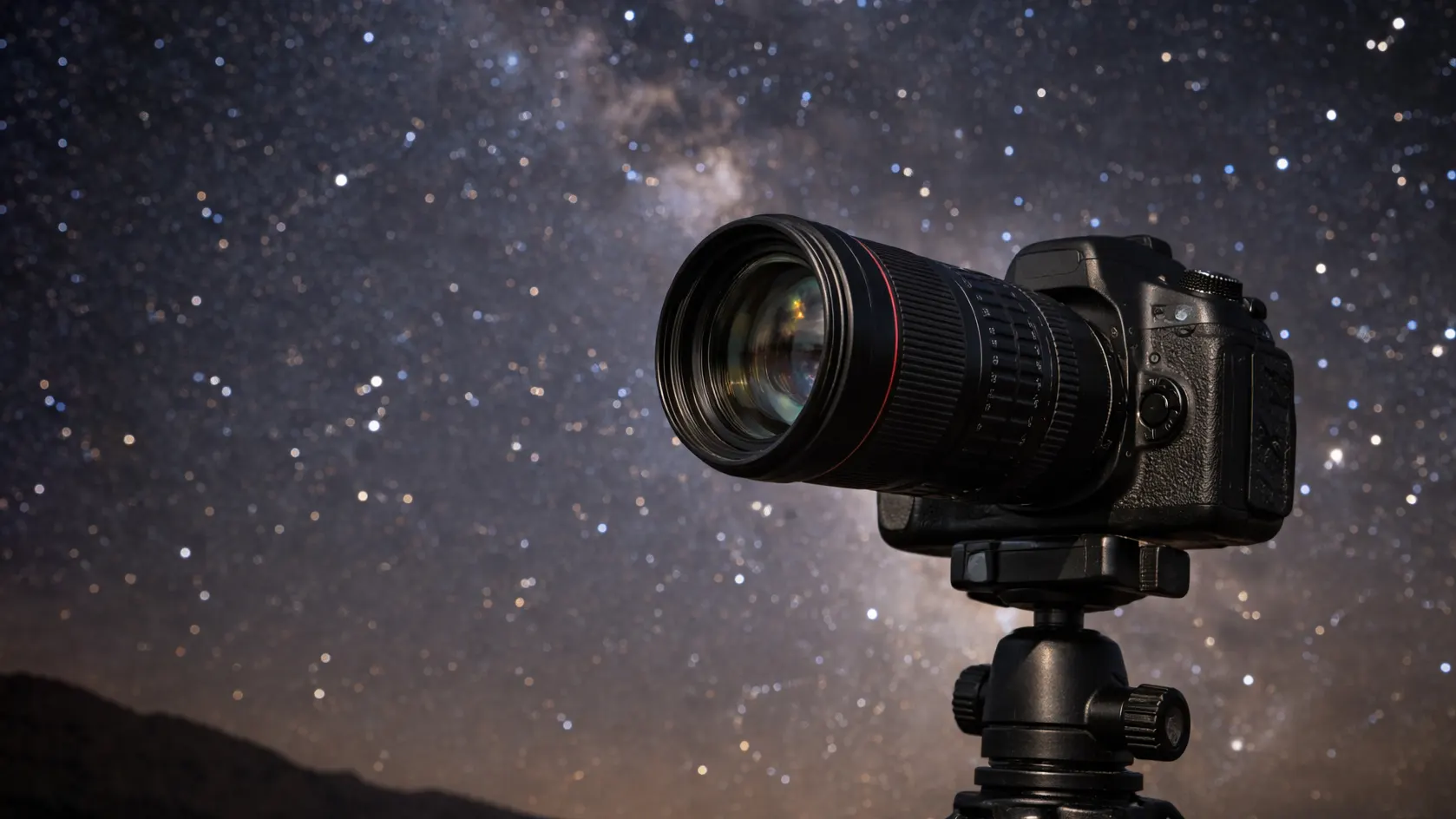
What to Look for in an Astrophotography Camera
Before comparing camera models, it is important to understand what directly affects astrophotography results. These key factors determine how well a camera performs in low light and help you avoid poor buying decisions.
Sensor Size (Full-Frame vs APS-C vs Micro Four Thirds)
Sensor size plays a major role in astrophotography because it controls how much light the camera can capture. Full-frame sensors gather more light and usually produce less noise, making them ideal for night sky photography. However, APS-C sensors still deliver excellent results at a lower cost and are often the best balance for most users. Micro Four Thirds sensors can work, but they require more careful exposure and noise management.
Low-Light Performance and High ISO Handling
Astrophotography relies heavily on high ISO settings. Because of this, clean noise control at ISO 1600–6400 is far more important than high megapixel counts. A camera with strong low-light performance produces smoother skies and preserves faint star details.
Dynamic Range for Stars and Sky Detail
Dynamic range determines how well a camera captures both faint stars and brighter areas in the same frame. A wider dynamic range prevents highlights from blowing out while keeping shadow details intact, which makes editing much easier.
Manual Controls and RAW Support
Full manual exposure control is essential for astrophotography. RAW file support also matters because it retains maximum image data, allowing better noise reduction and detail recovery during post-processing.
Weight and Portability
Night sky photography often involves hiking, travel, and long shooting sessions. Lighter cameras reduce physical strain and make field setup faster and easier, especially when shooting in dark or remote locations.
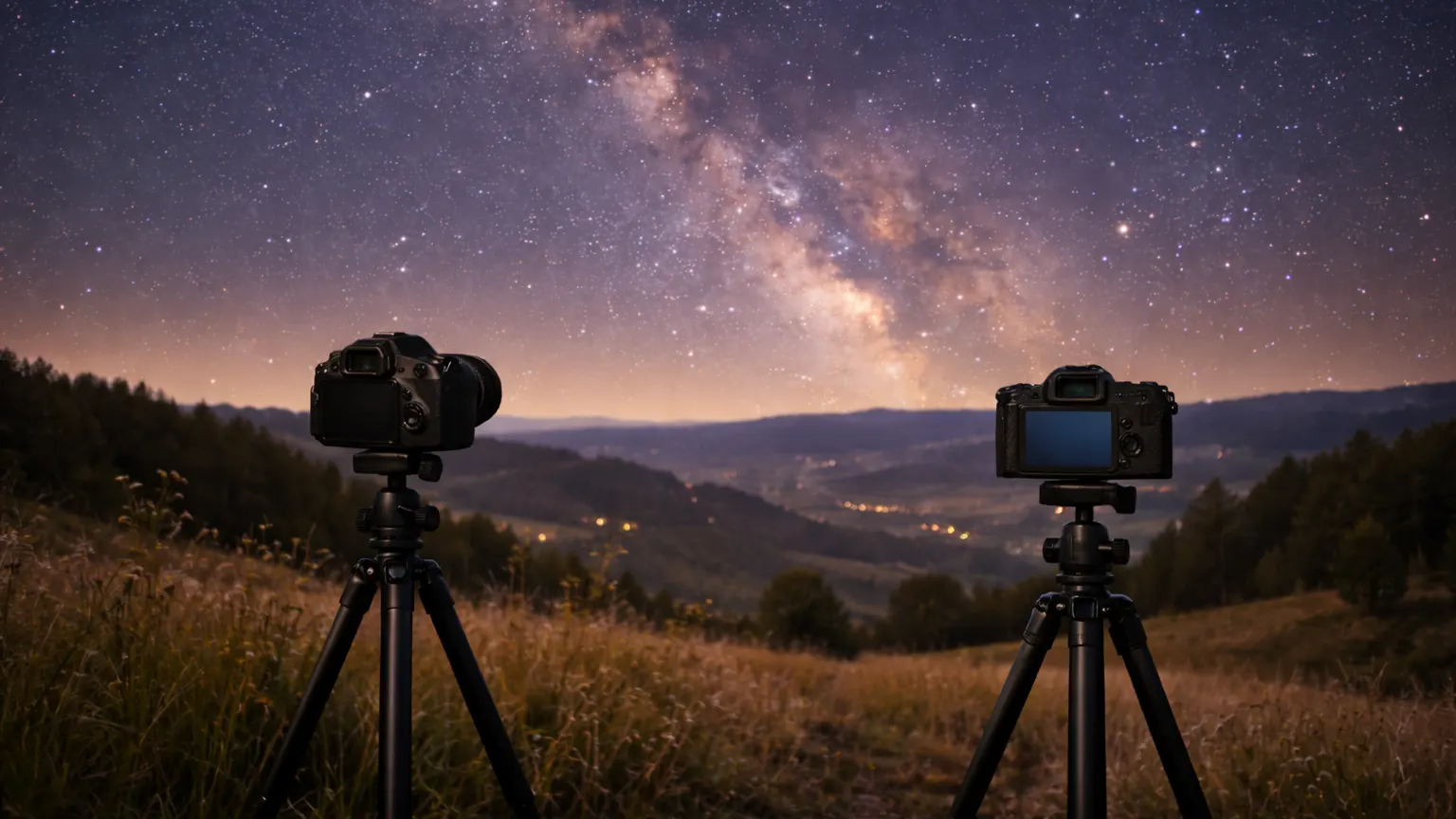
Best Beginner Cameras for Astrophotography (2026)
Beginner cameras should make night sky photos simple to learn. They should still give reliable results. In 2026, entry-level cameras are much better than before. So beginners can capture stars and the Milky Way without expensive or complex gear.
Who Should Choose These Cameras
These cameras are for first-time astrophotography shooters and budget buyers. They are best if you want good results without extra setup or confusion. They also fit people who are still learning manual exposure for night photos. If you do not want advanced features yet, start here.
Key Beginner Requirements
For beginners, clean high-ISO performance matters most. Night sky photos often use ISO 1600 to 6400. Manual controls should also be easy to use. You need quick access to shutter speed, aperture, and ISO. Lens options matter too. Affordable wide-angle lenses are a big help for Milky Way shots. These features reduce stress and help you improve faster.
Top Beginner Camera Recommendations
A good entry-level DSLR is a solid starting point for astrophotography. It often has long battery life and simple controls, which helps during long night shoots. A beginner mirrorless camera is usually lighter and easier to carry. It can also give strong low-light results with newer sensors. A used or refurbished camera can save money too. Just make sure it has good low-light performance and full manual controls.
Why These Cameras Work for Beginners
These cameras are beginner-friendly because they keep things simple and affordable. They still deliver good image quality for learning the night sky. But they do have limits. You may see more noise, less dynamic range, and slower performance than advanced models. Even so, they are a strong base for building skills without overspending.
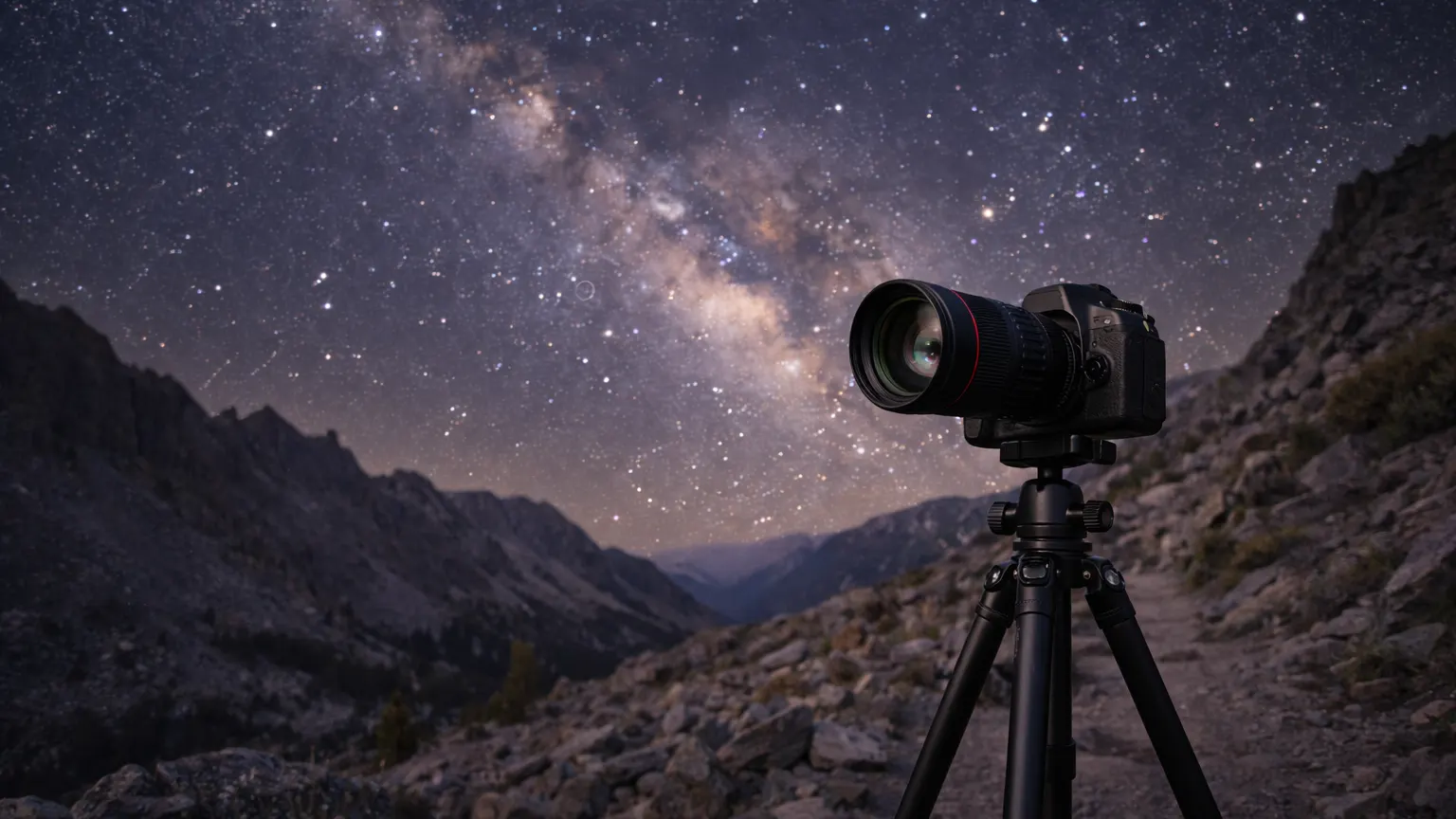
Best Intermediate Cameras for Astrophotography (2026)
Intermediate cameras are for people who know the basics and want better results. At this level, beginner cameras start to feel limiting. You may notice more noise in dark areas and less detail in the Milky Way. You may also get less flexibility when you edit RAW files.
Who Should Choose These Cameras
These cameras are best for people who shoot the night sky often and want steady results. They are a good fit for Milky Way shooters and night landscape photographers. They also work well for anyone who is comfortable using RAW and doing simple edits. If your current camera adds too much noise or loses detail, this is a smart next step.
Key Intermediate Requirements
At this level, sensor quality matters more. A better sensor can reduce banding and uneven noise in long exposures. Strong dynamic range also helps you lift shadows without ruining the image. Build quality matters too. Night shoots can be cold, damp, and long, so weather sealing and a solid body are useful.
Top Intermediate Camera Recommendations
An APS-C mirrorless camera is a great step up for many people. It balances image quality, size, and price. If you want better low-light results, an entry-level full-frame camera can help. It usually gives cleaner files and less noise, especially for wide Milky Way shots. For the best value, pick a model with a strong sensor and a fair price. This is a smart choice if you are upgrading slowly.
Why Upgrading to This Level Makes Sense
Intermediate cameras often produce cleaner RAW files than beginner models. You also get better color and more fine detail. This gives you more control while editing. It helps you improve faster without paying for pro-level gear.
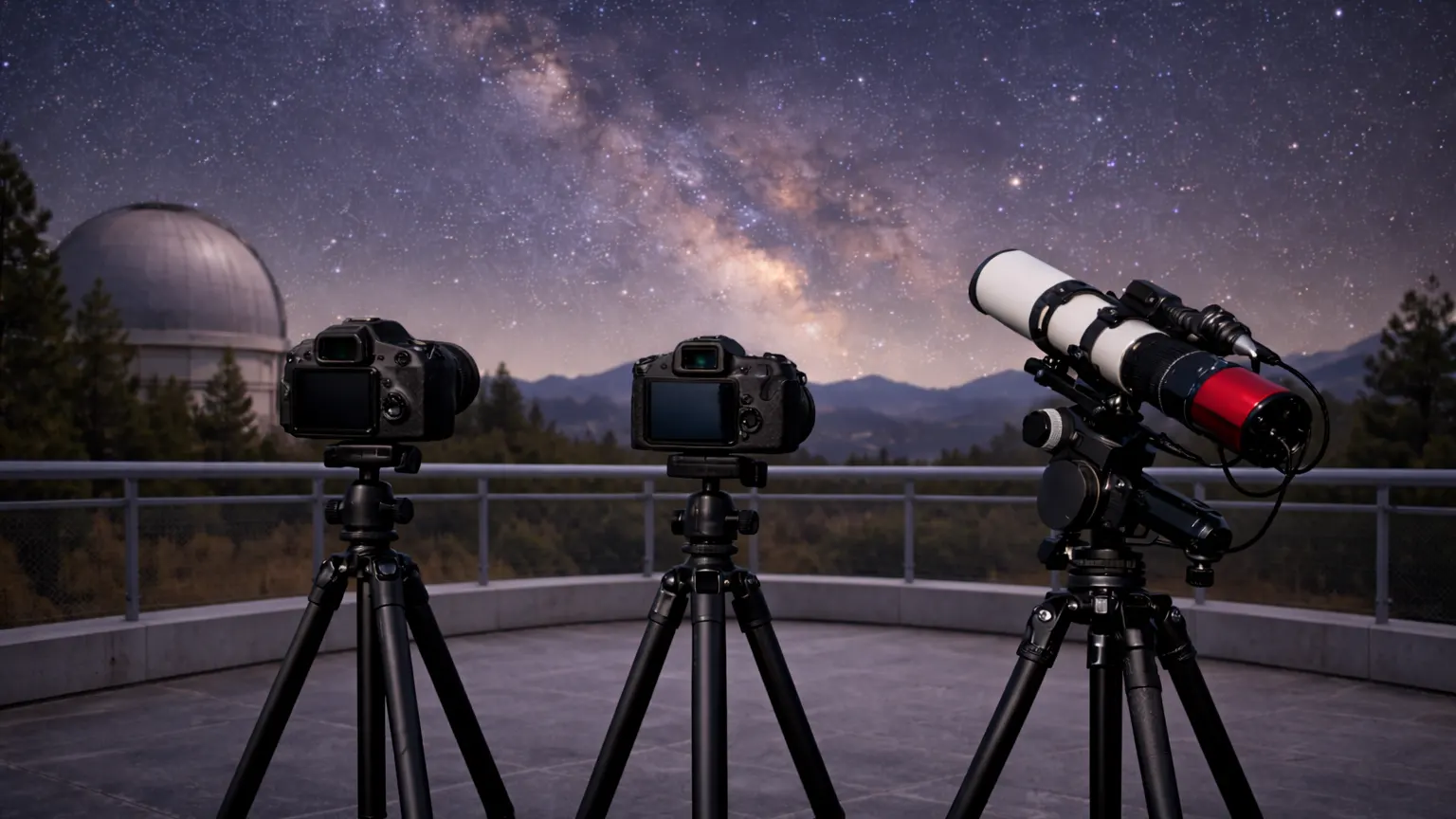
DSLR vs Mirrorless vs Dedicated Astro Cameras
Each camera type has strengths for astrophotography. DSLRs are often cheaper and easy to find used. Mirrorless cameras are modern and often perform better in low light. Dedicated astro cameras are built for long exposures and deep-sky work, but they need extra gear. Knowing these differences helps you choose the right setup and avoid wasting money.
DSLR Cameras: Strengths, Weaknesses, and 2026 Relevance
DSLR cameras are still popular because they are reliable and affordable. They have good battery life and are easy to use, which helps beginners. Many people also like the wide lens options available. However, DSLRs are heavier and newer models are becoming rare. Even so, a good DSLR can still take excellent night sky photos in 2026.
Mirrorless Cameras: Why They Dominate Astrophotography Now
Mirrorless cameras are now the most popular choice for astrophotography. They are lighter, use newer sensors, and show real-time exposure on the screen. This makes it easier to adjust settings in the dark. Because camera companies focus more on mirrorless systems, these cameras are a safer long-term option.
Dedicated Astro Cameras: When They Make Sense
Dedicated astro cameras are made only for astrophotography. They are usually used with telescopes and controlled by a computer. These cameras are very sensitive to faint light, but they are not useful for normal photography.
Which Type Suits Beginners, Intermediates, and Professionals
Beginners usually do best with DSLR or mirrorless cameras because they are simple and flexible. Intermediate users often prefer mirrorless cameras for better image quality. Professional users may choose dedicated astro cameras for deep-sky photography.
Camera Features That Actually Matter for Astrophotography
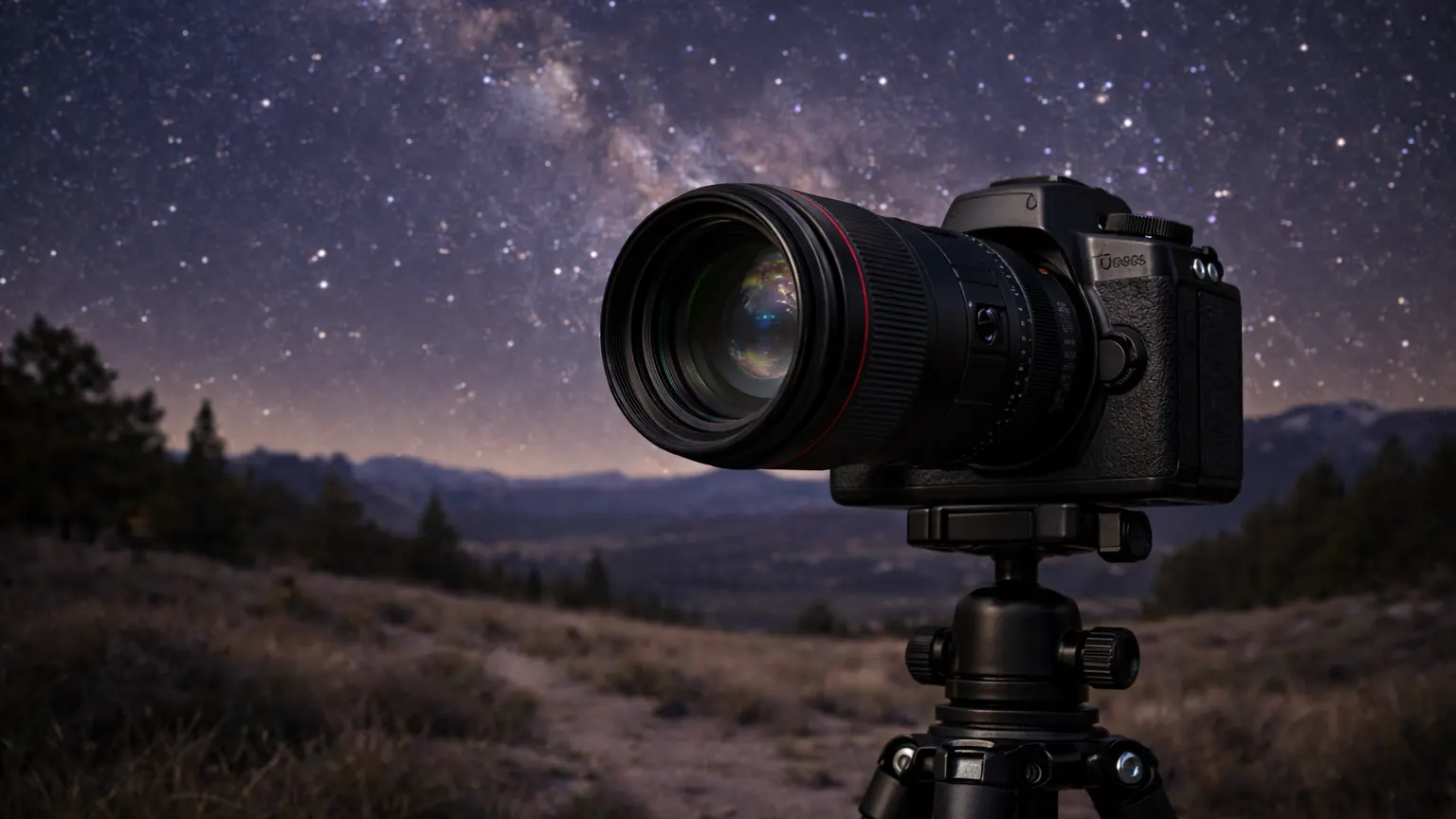
When buying a camera for astrophotography, it is easy to get distracted by long feature lists. However, only a few features truly affect how good your night sky photos will look.
Features That Matter
Sensor performance is the most important factor. A good sensor captures faint light better and produces less noise in dark conditions. ISO behavior also matters because astrophotography often uses high ISO settings. A camera that controls noise well at high ISO will give smoother skies and clearer stars. RAW file flexibility is another key feature, as RAW files keep more image data and allow better editing later.
Features That Matter Less
High megapixel counts may sound impressive, but they often increase noise in low-light photos. Video features are also not very useful for astrophotography, since night sky imaging focuses on still photos. Autofocus and AI tools provide little benefit at night because most astrophotography is done using manual focus.
Common Mistakes When Buying an Astrophotography Camera
Many people make avoidable mistakes when buying a camera for astrophotography. One common mistake is spending too much money on the camera body while ignoring lenses. In reality, a good lens often matters more than the camera itself.
Another mistake is buying a camera with very high megapixels without understanding how noise works. More megapixels can actually make night photos noisier if the sensor is not designed for low light. This often leads to disappointing results.
Ignoring weight and portability is another problem. Astrophotography often involves hiking, traveling, or standing for long periods at night. Heavy cameras can quickly become tiring and reduce shooting time.
Finally, many buyers assume that newer camera models are always better. While newer cameras may offer small improvements, older models can still perform very well for astrophotography. Choosing wisely based on real needs saves money and frustration.
Beginner to Professional Camera Upgrade Path
Having a clear upgrade path helps photographers improve their skills without wasting money. Astrophotography gear can be expensive, so making smart upgrade decisions is very important.
Best First Camera Choice
The best first camera is one that is beginner-friendly and supports full manual control. RAW file support is also essential because it allows better editing later. A simple and reliable camera helps beginners focus on learning the night sky instead of struggling with settings.
When Upgrading Actually Makes Sense
Upgrading makes sense only when your current camera starts limiting your results. For example, if noise becomes hard to control or detail cannot be recovered during editing, it may be time to move up. Upgrading just because a new model is released often leads to unnecessary spending.
How to Avoid Losing Money During Upgrades
To avoid losing money, choose popular camera systems that hold their value well. Selling older gear carefully and keeping equipment in good condition also helps. Buying used gear can be a smart option if the camera has a good reputation for low-light performance.
Building a Long-Term Astrophotography System
A strong astrophotography system grows over time. Investing in good lenses and a reliable tracking mount often matters more than buying the most expensive camera. A solid mount improves sharpness and consistency, even with mid-level cameras.
Final Camera Recommendations Summary
The best cameras for astrophotography in 2026 give you good image quality and are easy to use. They also have strong long-term support. For most people, a full-frame mirrorless camera is the best all-around option for night sky photos. If you are a beginner, start with a budget DSLR or mirrorless camera. Make sure it has manual mode and good high-ISO results. If you are intermediate, move to an APS-C camera or an entry-level full-frame model. These usually give cleaner images and more room to edit. If you are a pro, choose a flagship full-frame camera or a dedicated astro camera. These are made for long exposures and fine detail.
Frequently Asked Questions
Is Full-Frame Necessary for Astrophotography?
No, full-frame is not required for astrophotography. APS-C cameras perform very well in low light and can capture detailed night sky images at a lower cost. Many photographers use APS-C cameras successfully for Milky Way and star photography.
Are Mirrorless Cameras Better for Astrophotography in 2026?
Yes, mirrorless cameras are generally better for astrophotography in 2026. They use newer sensor technology, are lighter to carry, and show real-time exposure previews, which makes shooting at night easier.
Are Astro-Modified Cameras Worth Buying?
Astro-modified cameras can be useful for photographing nebulae because they capture more red light. However, they are not necessary for beginners and are best suited for advanced or deep-sky photographers.
How Long Does an Astrophotography Camera Stay Relevant?
A good astrophotography camera can remain useful for six to eight years. Image quality improvements happen slowly, so older models can still produce excellent night sky photos.
Should Beginners Buy New or Used Cameras for Astrophotography?
Beginners can safely buy used or refurbished cameras if the model has good low-light performance. This can save money and still provide all the features needed to learn astrophotography.
Final Thoughts
Astrophotography is more about patience and practice than buying the most expensive camera. The best cameras for astrophotography are the ones that match your skill level, budget, and shooting goals. When you choose wisely and upgrade only when needed, learning becomes easier and more enjoyable. Over time, your skills will grow naturally along with your equipment.