
Changing an image’s pixel size sounds simple, but the result can look blurry if you do it the wrong way. Sometimes you need a smaller image for a website, a better size for social media, or a larger file for printing. The good thing is that you can resize an image and keep it clear if you start with a good quality file, keep the right ratio and save it in the right format. In this guide you will learn how to change image pixel size without making the photo look soft, stretched or unclear.
Understanding Pixel Size and Image Quality
All digital pictures consist of little squares called pixels . Pixels come together to form the picture you see on a screen . The more pixels an image has , the more detail it can show . That is why high resolution images tend to look sharper than low resolution images.
Pixel size is the width and height of an image in pixels . For example , an image might be 1200 × 800 pixels or 2000 × 1500 pixels . When you change those numbers , you are re-sizing the image . If you make the image smaller , it often keeps most of its quality . But if you make it much bigger than the original size , it may start to look soft or pixelated .
This is why it is important to resize with care. A good resizing method will help to preserve the clarity of the image, but a bad resize can make the image lose sharpness and detail. Before resizing, it is helpful to understand how pixels affect image quality.

Why Do You Need to Change Picture Pixel Size?
Most people do not think about pixel size until they run into a problem. Maybe the image looks too large on a website. Maybe a social media platform crops part of the photo. Sometimes the file is simply too big to upload.
Pixel size affects how an image looks and where you can use it. A large image can contain more detail but it can also make a webpage slow. A very small image may be blurry when someone opens it on a bigger screen.
This is why people resize images for different purposes. A blog image does not need the same size as a product photo. A Facebook post needs different dimensions than a printed brochure. So, before changing the size, think about where the image will be used. That simple step can save time and help you get better results.
How to Change Image Pixel Size Without Losing Quality
Resizing an image is not difficult, but a few small mistakes can affect the final result. Many people simply enter a new width and height, save the file, and then wonder why the image looks soft. In most cases, the problem comes from the way the image was resized, not from the resize itself.
The good news is that you do not need advanced editing skills to get a clean result. The right source image, the right dimensions and a few simple settings can make a big difference. Before changing the pixel size, it helps to follow a few basic steps.
Step 1: Choose the Right Software
Most image editors can resize a photo, so you do not need anything fancy to get started. What matters more is the quality of the image itself. If the original file already looks blurry or heavily compressed, resizing will not magically improve it.
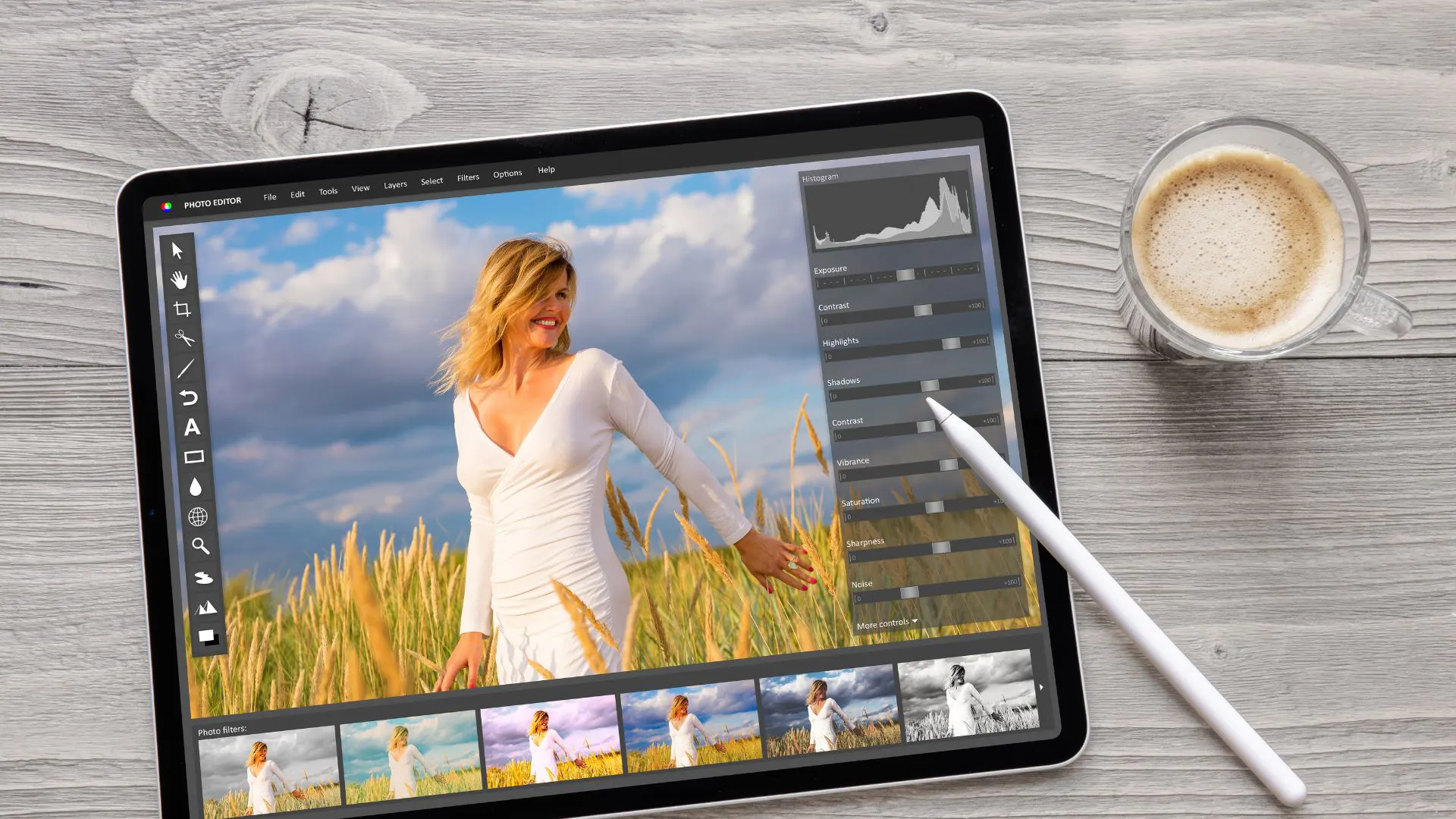
For that reason, start with the best version of the image you have. Then use any editor that lets you change the width and height in pixels. You can do this with little effort using Photoshop, GIMP, Canva, and many online tools.
Step 2: Open the Image and Keep a Backup
Before making any changes, save a copy of the original image. It only takes a moment, but it can save a lot of frustration later. If the resized version does not look right, you can always go back and start again.
Once the image is open in your editor, look for the resize option. Most tools place it under Image Size, Resize, or a similar menu. Before changing any numbers, take a quick look at the current dimensions. This gives you a better idea of how much you can resize the image without affecting its appearance too much.
Step 3: Set the New Pixel Dimensions
This is the point where you decide how large or small the image should be. There is no single size that works for everything. A photo for a blog post may need different dimensions than a product image or a social media graphic.
When you enter the new width and height, look out for the aspect ratio. If the ratio is changed, the image may look stretched or squeezed. Most editing tools can lock the ratio automatically, which makes the process much easier. If you need a different shape, crop the image first and resize it afterward.
Step 4: Resize the Image Carefully
Many people run into problems when they make an image much larger than the original. The photo may still look fine at first glance, but once you zoom in, the loss of detail becomes easier to spot. Small text, product edges, and fine details are usually the first things that start to look soft.
Making an image smaller is often less risky. Even then, it is worth checking the final result before you save it. Take a quick look at the important parts of the image and make sure everything still looks clear. A few extra seconds here can prevent problems later, especially if the image will be used on a website, product page, or social media post.
Step 5: Save the Image in the Right Format
A resized image can still lose quality if you save it in the wrong format. This often happens when people focus on the pixel size and forget about the final file type. The image may look fine while editing, but the exported version can look different.
For most photos, JPEG is usually enough. PNG makes more sense for logos, graphics, and images with transparent backgrounds. If the file is meant for print or future editing, TIFF can be a better option. Whatever format you choose, keep a copy of the original image so you always have a clean version to work with later.
Best Practices to Keep Image Quality While Resizing
A good resize starts before you change any dimensions. The quality of the original image matters more than most people think. If the file already looks blurry or heavily compressed, resizing will not magically make it sharper.
It also helps to avoid extreme size changes. Making an image slightly smaller is usually safe, but making it much larger can reduce detail. Before saving the final version, take a close look at the image and check important areas such as text, edges, product details, and small objects. If those parts still look clear, the resize has probably worked well.

Online Tools to Change Image Pixel Size
If you only need to resize an image once in a while, an online tool may be enough. Many people use tools like Canva, Pixlr, Adobe Express, and ResizePixel because they work in a browser and do not need a full software download. You can upload the image, enter the new pixel dimensions, and save the resized version.
However, check the final image before you upload it anywhere. Some online tools compress files during export, so the resized image may look a little different from the original. If image quality matters, compare both versions and make sure the edges, text, and small details still look clear.
Final Thoughts
Changing image pixel size does not have to be complicated. In most cases, the best results come from starting with a clear image, keeping the correct proportions, and choosing the right file format before saving. A small resize usually works well, while large changes often need extra care. Whether the image is for a website, social media post, online store, or print project, taking a few moments to check the final result can help you avoid blurry or low-quality images later.