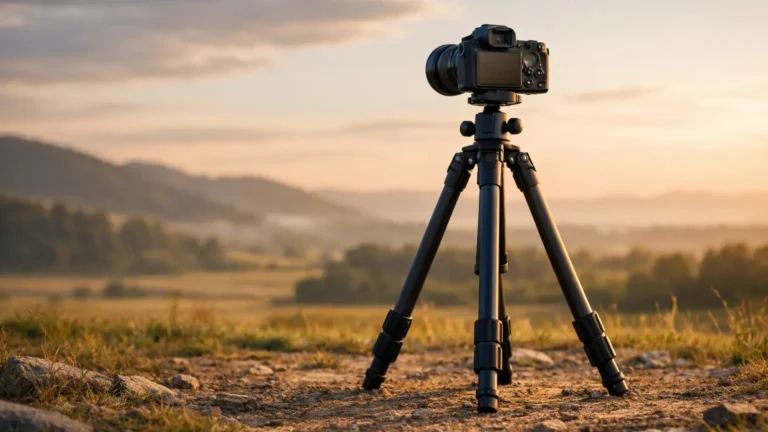
Finding the best camera tripods for photography in 2026 is not about chasing the most expensive model; instead, it’s about choosing a tripod that fits how you actually shoot. A good tripod improves sharpness, reduces fatigue, and helps you stay consistent across different photography styles, which is why it plays a bigger role than many people expect. Many photographers upgrade their cameras but ignore support gear, and as a result, they often struggle with blur, poor framing, and unnecessary frustration. Because unstable support directly affects image quality, understanding tripods matters just as much as understanding lenses, so breaking the topic down clearly and practically makes far more sense than focusing on specs alone.
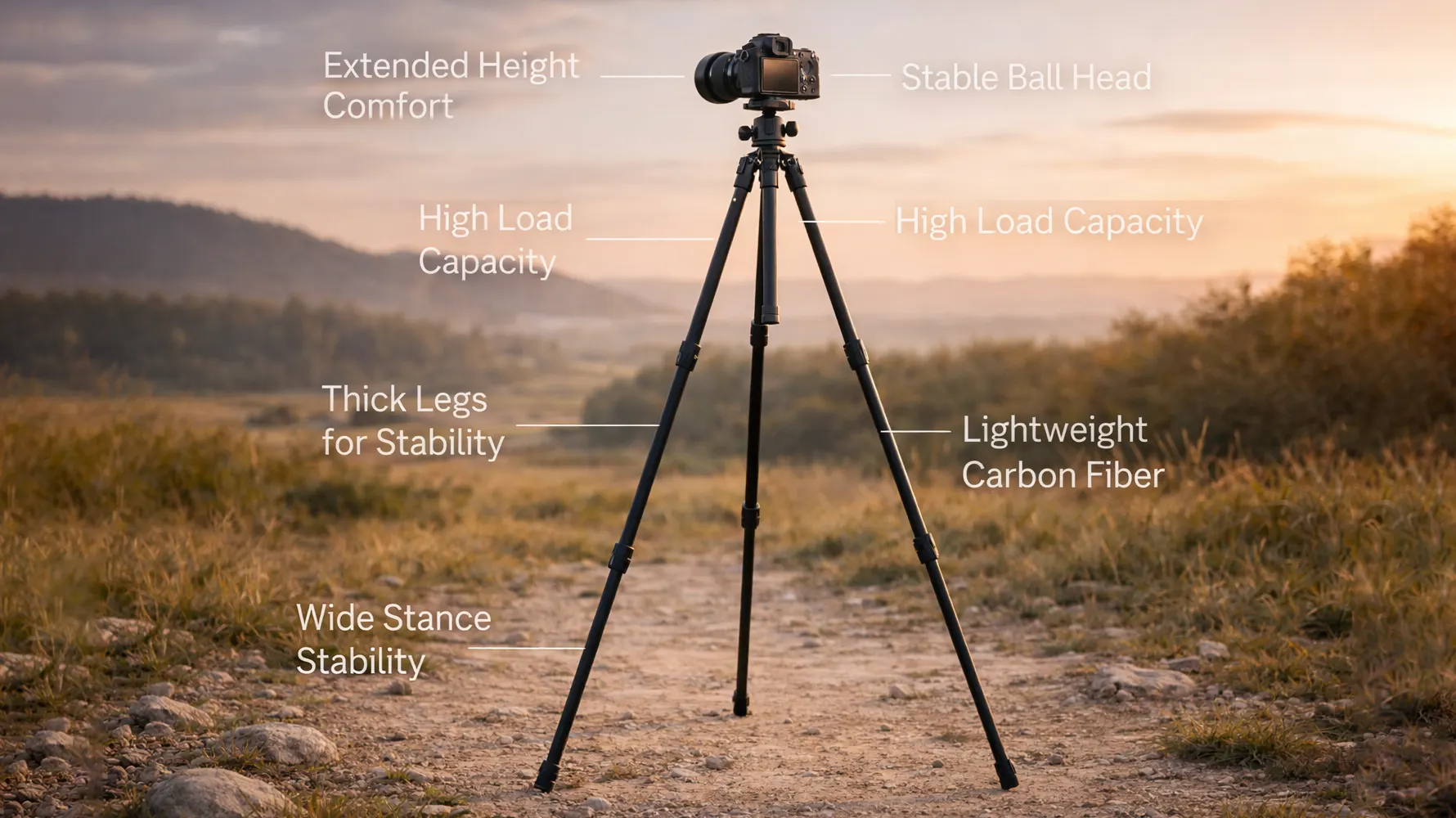
Tripod Key Features & Benefits (What Matters Most in 2026)
Before buying a tripod, it’s important to focus on features that truly affect image quality and everyday usability. Many specs look impressive on paper, but only a few make a real difference in practice. Understanding these basics helps you choose a tripod that actually improves your photography instead of slowing you down.
Stability (Sharp Photos Benefit)
Stability is the most important job of any tripod because it directly affects image sharpness. Thicker legs reduce vibration and flex, which becomes especially noticeable at slow shutter speeds. When a tripod flexes, even slightly, fine details start to soften. For this reason, raising the center column should be avoided whenever possible because it lifts the camera away from the stable base and increases blur risk.
Working Height + Minimum Height (Comfort + Flexibility)
A tripod should reach your eye level without extending the center column, as this keeps shooting comfortable and balanced. If a tripod is too short, you end up bending forward, which quickly becomes tiring during long sessions. Minimum height is just as important, especially for macro and astrophotography. Being able to shoot close to the ground allows more creative angles that cannot be replicated later.
Load Capacity (Safety + Performance)
Load capacity determines how safely and steadily your camera setup is supported. You should always calculate the combined weight of your camera, heaviest lens, and tripod head. Choosing a tripod rated higher than this weight improves stability and reduces strain on the legs. This extra margin also protects your gear from long-term wear and accidental tipping.
Material (Weight vs Vibration Control)
Tripod material affects both portability and vibration control. Carbon fiber tripods are lighter and absorb vibration more effectively, which makes them ideal for travel and long exposures. Because they dampen vibration quickly, images tend to look sharper in challenging conditions. Aluminum tripods are heavier but more affordable and still provide solid strength for many photographers.
Leg Sections & Locks (Speed + Reliability)
The number of leg sections influences both stability and pack size. Fewer sections create a more rigid tripod, while more sections allow a shorter folded length for travel. Locking mechanisms also matter in daily use. Twist locks seal better against dust and moisture, whereas flip locks offer faster visual confirmation that the legs are secure.
Head Compatibility (Real-World Usability)
The tripod head plays a major role in how easily you can frame shots. Ball heads work well for general photography because they are fast and flexible. Three-way heads are better for product photography where precise alignment matters, while fluid heads support smooth video movement and gimbals handle heavy wildlife lenses. An Arca-Swiss quick release system is strongly recommended because it ensures broad compatibility and faster camera mounting.
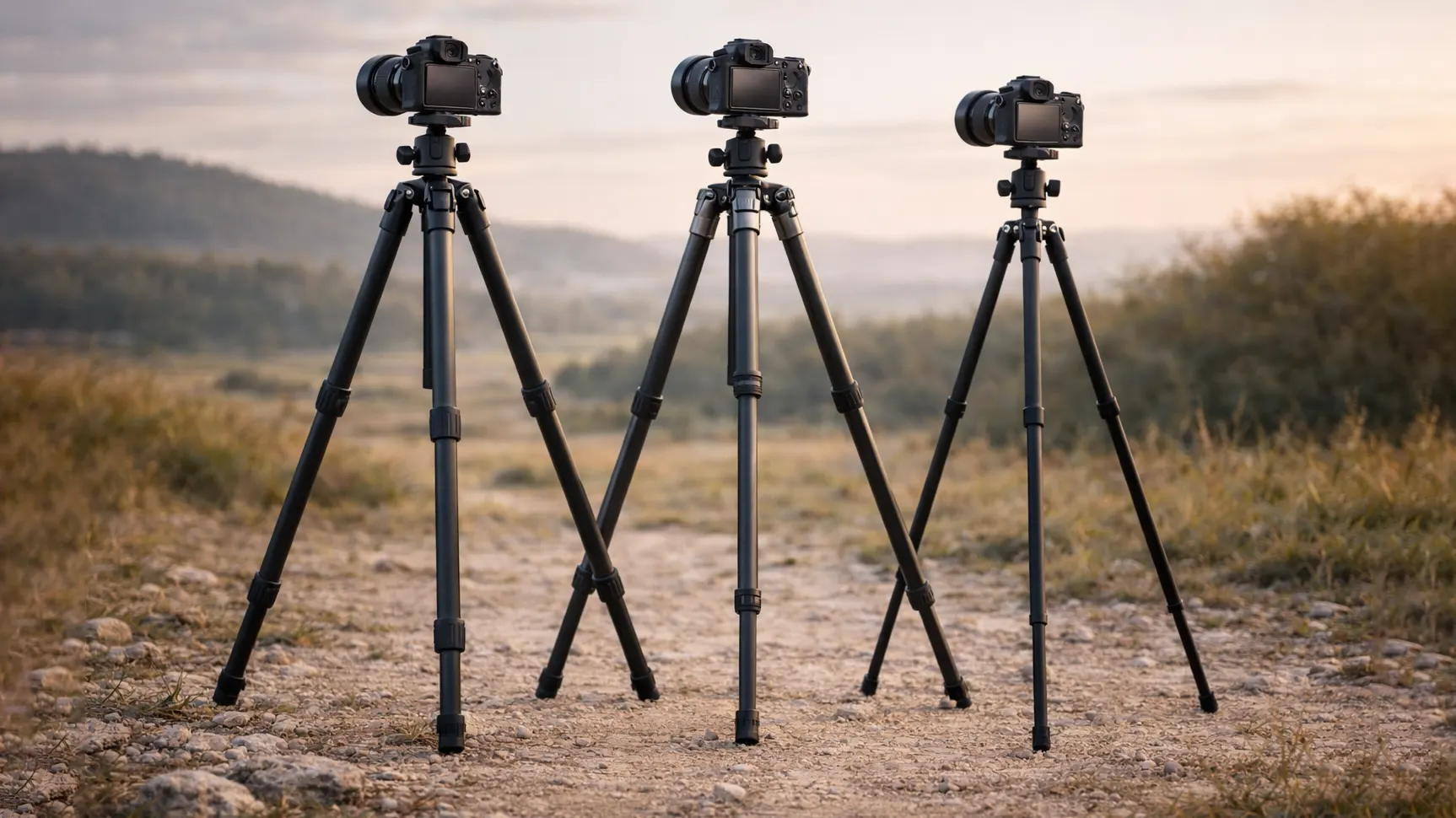
Best Tripods for Photography in 2026
Gitzo GT3543LS Systematic
This tripod is built for maximum stability during long exposures and demanding shoots. The lack of a center column keeps vibration extremely low, even with heavy camera setups. In strong wind, the tripod remains balanced and confidence-inspiring.
Key Specs: Tall height / medium folded size / carbon fiber / very high load
Pros:
- Exceptional rigidity
- Excellent vibration control
- Professional build
Cons:
- Expensive
- Not travel-friendly
Benro TMA47AXL Mach3
This tripod delivers strong support without the high cost of premium models. Its aluminum legs handle vibration well and stay reliable in cold conditions. Even when fully extended, stability remains solid in outdoor environments.
Key Specs: Extra-long height / heavy / high load
Pros:
- Affordable strength
- Stable in wind
- Durable locks
Cons:
- Heavy
- Bulky
Peak Design Travel Tripod (Carbon Fiber)
This tripod focuses on portability without completely sacrificing stability. It folds down very small yet extends to a practical working height. Setup is fast, which helps when shooting in changing light conditions.
Key Specs: Compact folded length / lightweight / moderate load
Pros:
- Travel-friendly
- Quick setup
- Clean design
Cons:
- Expensive
- Narrow stance
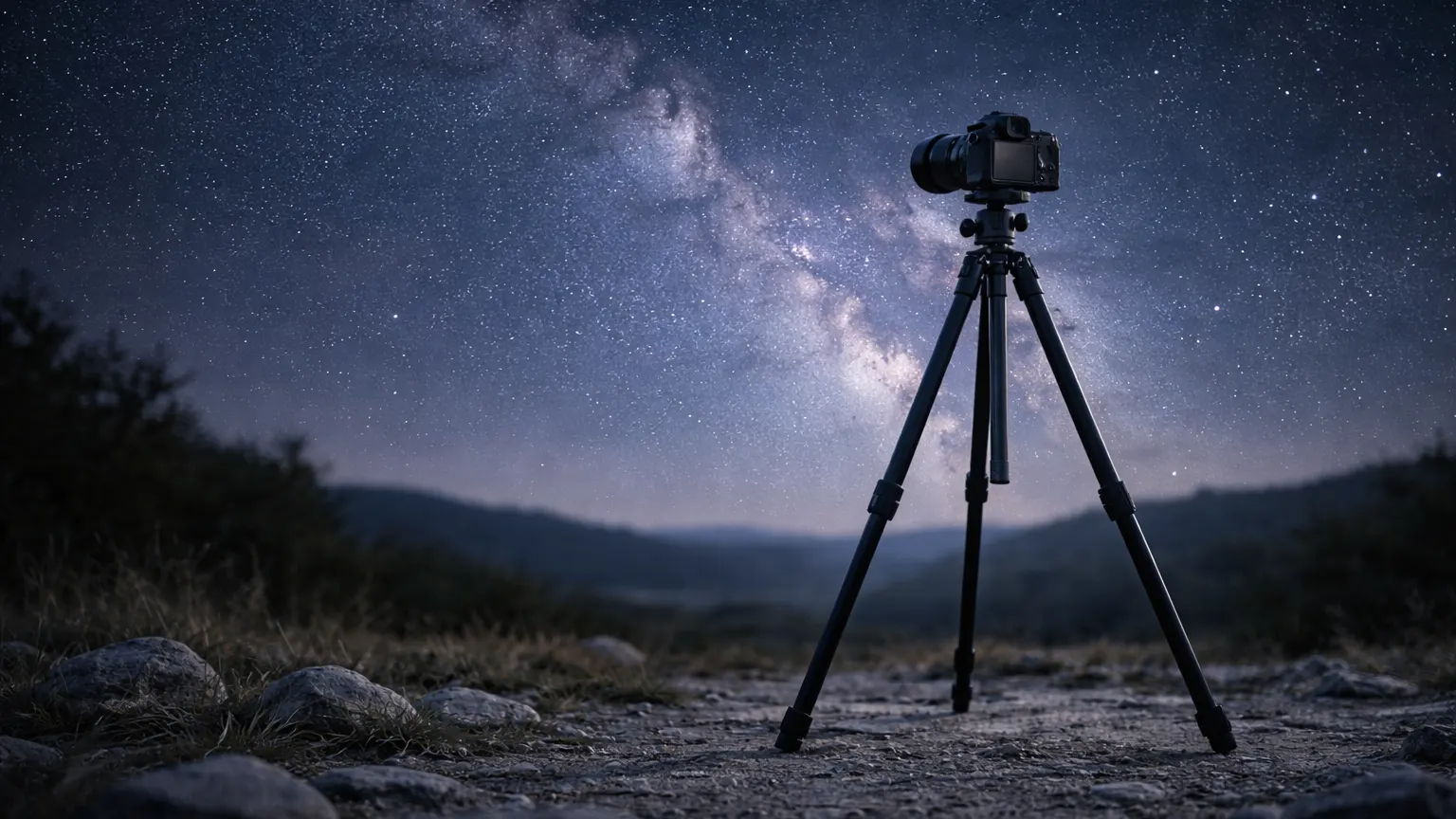
Best Tripod for Astrophotography
Astrophotography requires extreme stability because long exposures exaggerate even tiny movements. A solid tripod helps keep stars sharp and trails clean. Weight, rigidity, and vibration control matter more than speed.
Gitzo GT3543LS Systematic
This tripod is designed for maximum stability during long night exposures. Its center-column-free design reduces vibration and keeps the camera firmly planted. Wind and uneven ground rarely affect its balance.
Key Specs: Tall height / medium folded size / carbon fiber / very high load
Pros:
- Extremely rigid legs
- Excellent vibration control
- Professional build quality
Cons:
- Very expensive
- Not easy to carry
Benro TMA47AXL Mach3
This tripod offers strong support at a much lower price than premium models. The aluminum legs handle vibration well during long exposures. It stays reliable even in cold night conditions.
Key Specs: Extra-long height / heavy / high load
Pros:
- Affordable heavy-duty option
- Stable in wind
- Strong leg locks
Cons:
- Heavy to carry
- Bulky size
Leofoto LS-365C
This tripod combines high strength with lighter weight. Carbon fiber legs absorb vibration quickly, helping stars stay sharp. It supports heavy cameras and mounts with confidence.
Key Specs: Tall height / compact folded size / carbon fiber / high load
Pros:
- Lightweight for its strength
- Fast vibration damping
- Strong build quality
Cons:
- Premium price
- No center column flexibility
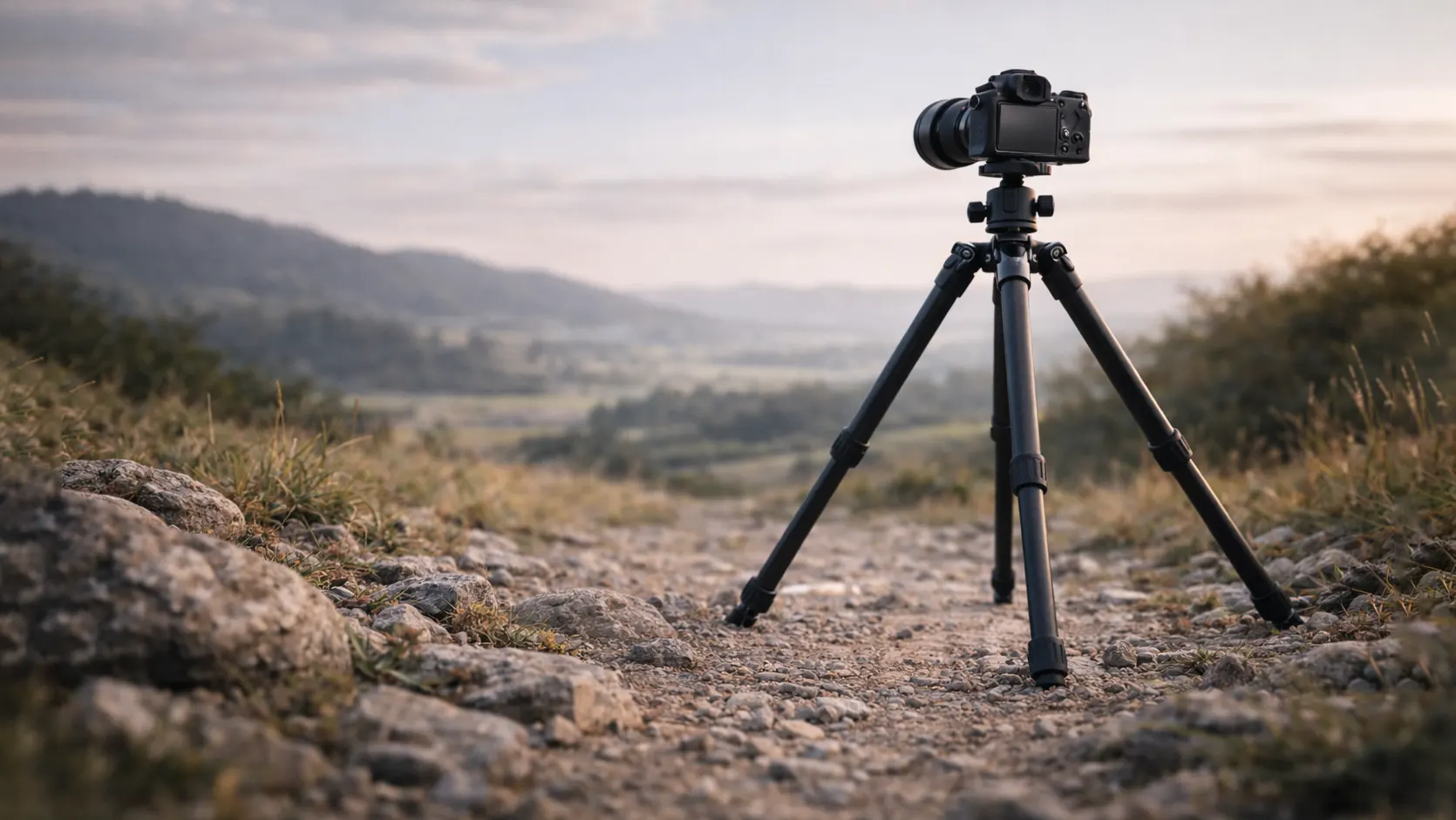
Best Tripod for Landscape Photography
Landscape photography often involves wind, slopes, and fast-changing light. A stable tripod helps maintain sharpness and consistent framing. Quick setup is also important outdoors.
Peak Design Travel Tripod (Carbon Fiber)
This tripod is designed to be compact while staying usable in the field. It folds very small but still reaches a comfortable working height. Stability remains good for most landscape conditions.
Key Specs: Compact folded length / lightweight / moderate load
Pros:
- Very travel-friendly
- Fast setup
- Clean design
Cons:
- Expensive
- Narrow leg stance
Gitzo Mountaineer Series 3
This tripod is trusted by many professional landscape photographers. It performs very well in windy and open locations. Stability stays consistent even during long outdoor shoots.
Key Specs: Tall height / medium folded size / carbon fiber / high load
Pros:
- Excellent wind resistance
- Strong vibration control
- Durable construction
Cons:
- High cost
- Not compact
Manfrotto 055 Carbon Fiber
This tripod offers great height and flexibility for outdoor shooting. It handles uneven ground well and feels very stable. Build quality is strong enough for rough landscape use.
Key Specs: Tall height / medium folded size / carbon fiber / high load
Pros:
- Comfortable working height
- Good outdoor stability
- Supports accessories
Cons:
- Heavier than travel tripods
- Takes more space

Best Tripod for Macro Photography
Macro photography magnifies vibration, so stability is critical. Low shooting angles are often required. Precision matters more than height.
Vanguard Alta Pro 2+
This tripod is known for its flexible center column design. It allows the camera to get very close to the ground. This helps capture detailed macro shots with better angles.
Key Specs: Medium height / larger folded size / aluminum / moderate load
Pros:
- Reversible center column
- Good low-angle control
- Affordable price
Cons:
- Heavier than carbon fiber
- Slower setup
Sirui AM-254
This tripod is lightweight but surprisingly stable for macro work. Its low minimum height helps with close-up subjects. Vibration control remains solid for its size.
Key Specs: Medium height / compact folded size / carbon fiber / moderate load
Pros:
- Lightweight design
- Very low shooting height
- Good stability
Cons:
- Smaller working height
- Limited accessory support
Leofoto Ranger LS-223C
This tripod is compact and very rigid for precision work. It works well for tabletop and ground-level macro shots. Stability remains strong even at high magnification.
Key Specs: Short height / very compact / carbon fiber / moderate load
Pros:
- Excellent rigidity
- Very compact size
- Premium build
Cons:
- Limited height
- Higher price for size
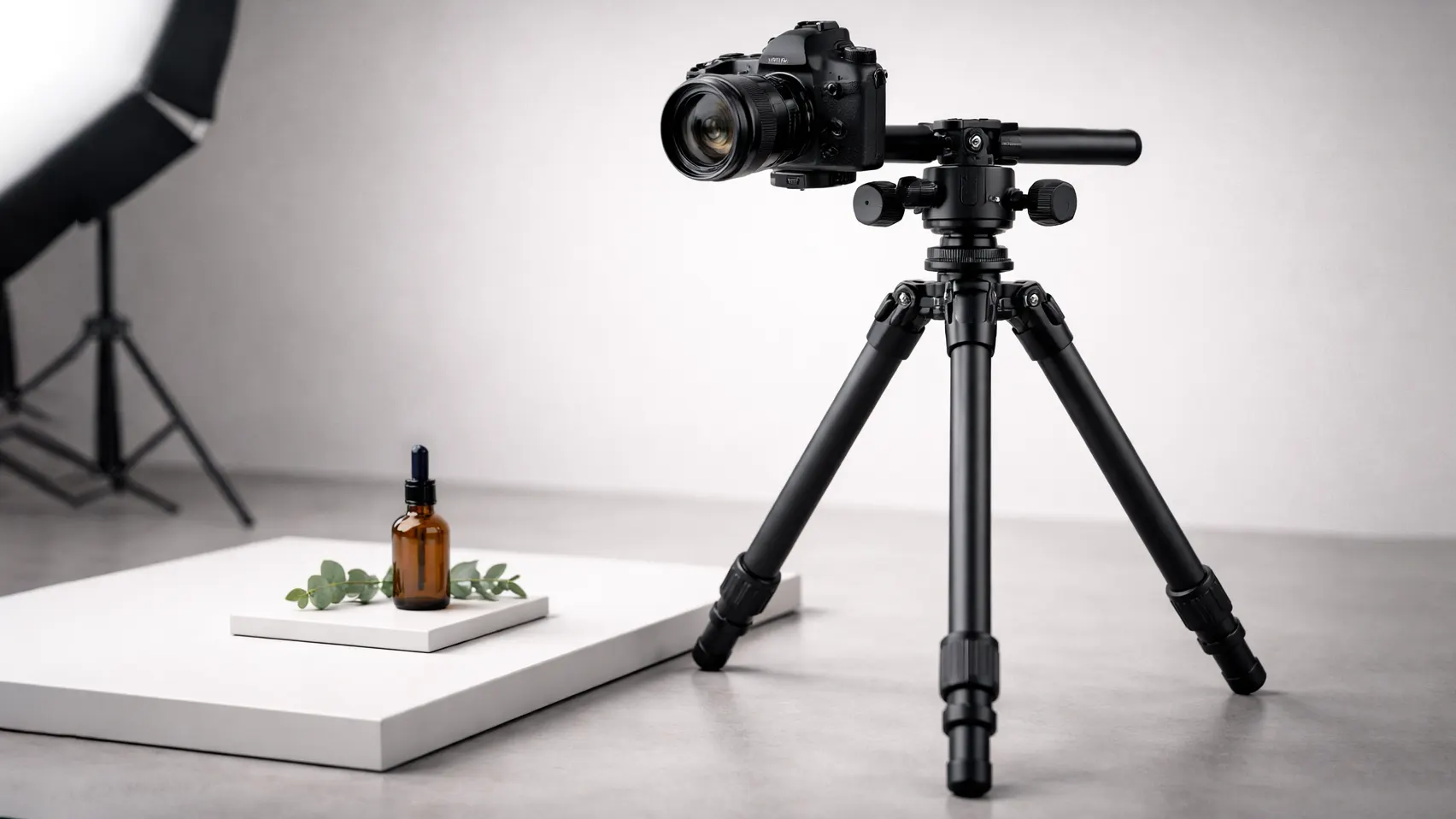
Best Tripod for Product Photography
Product photography needs repeatable framing and fine control. Small adjustments make a big difference. Stability helps maintain consistency.
Manfrotto 190 Series + 3-Way Head
This setup allows precise camera adjustments in three directions. It helps keep framing consistent across multiple shots. Studio workflow becomes smoother and more controlled.
Key Specs: Medium height / aluminum / moderate load
Pros:
- Precise 3-way control
- Stable for studio use
- Easy framing adjustments
Cons:
- Slower than ball heads
- Heavier setup
Benro GD3WH Geared Head Setup
This setup is designed for very fine camera adjustments. Small products can be aligned accurately. It is especially useful for controlled studio environments.
Key Specs: Medium height / heavy build / high precision
Pros:
- Extremely accurate control
- Smooth geared movement
- Strong base stability
Cons:
- Slow for fast shooting
- Not portable
Gitzo Systematic with Horizontal Column
This tripod supports overhead and flat-lay shooting. The horizontal column keeps the camera stable above the subject. It works well for long product sessions.
Key Specs: Tall height / modular system / carbon fiber / high load
Pros:
- Overhead shooting support
- Very rigid structure
- Professional build
Cons:
- Expensive
- Large footprint
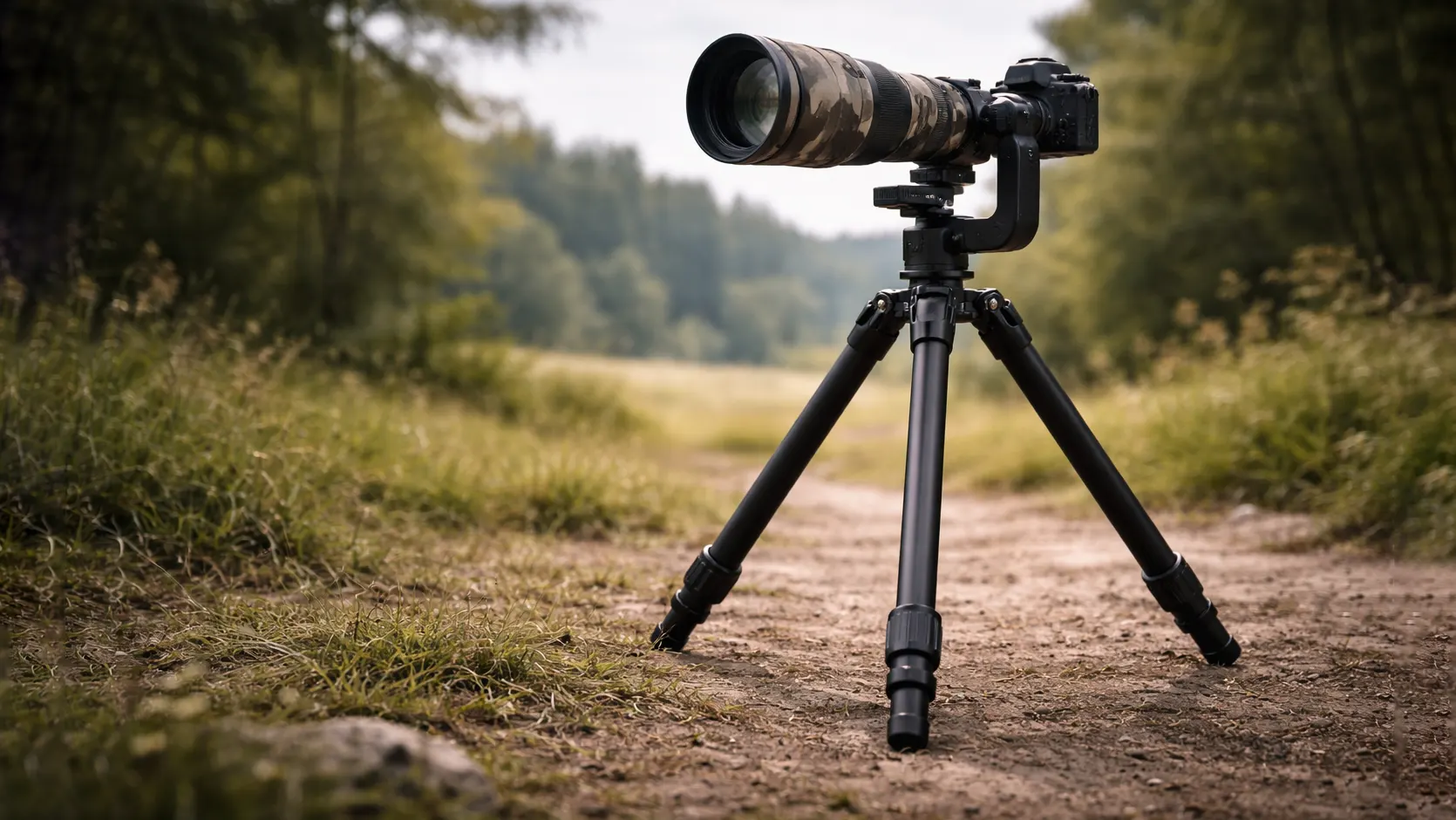
Best Tripod for Wildlife Photography
Wildlife photography uses heavy lenses and moving subjects. Stability and smooth movement are essential. Gimbal support improves tracking.
Gitzo GT5543LS Systematic
This tripod handles very heavy wildlife lenses with ease. Torsional rigidity keeps movement smooth. It pairs well with gimbal heads.
Key Specs: Tall height / large folded size / carbon fiber / extremely high load
Pros:
- Handles super-telephoto lenses
- Excellent rigidity
- Professional reliability
Cons:
- Very expensive
- Heavy to transport
Leofoto SA-364C
This tripod balances strength and portability. It supports long lenses without flexing. Outdoor wildlife conditions are handled confidently.
Key Specs: Tall height / medium folded size / carbon fiber / high load
Pros:
- Strong but lighter weight
- Good torsional rigidity
- Weather-resistant
Cons:
- Premium pricing
- No center column
Benro TMA48AXL Mach3
This tripod offers heavy-duty support at a lower price. Aluminum legs keep the setup stable during tracking. It works well for wildlife beginners using big lenses.
Key Specs: Extra-tall height / heavy / aluminum / high load
Pros:
- Affordable heavy support
- Stable panning
- Durable construction
Cons:
- Heavy to carry
- Bulky size
Frequently Asked Questions
What Is the Best Tripod Height for Photography?
A tripod should reach eye level without raising the center column.
Is Carbon Fiber Worth It in 2026?
Yes. It reduces weight and vibration, especially for travel and long exposures.
What Tripod Head Should I Get (Ball vs Pan-Tilt vs Gimbal)?
Ball heads suit most users, pan-tilt suits product work, and gimbals suit wildlife.
How Much Load Capacity Do I Need?
Choose a tripod rated at least 1.5× your full camera setup weight.
Conclusion
The best camera tripods for photography depend on how you shoot, not on trends. Choose based on your main use case: travel, landscape, macro, product, or wildlife. A well-matched tripod improves sharpness, comfort, and consistency far more than most accessories.
If you want a precise recommendation, comment with your camera and heaviest lens, and I’ll help you choose the right tripod confidently.