
Golden hour photography is one of the most popular outdoor photography styles. Beginners and professionals use it because soft light can greatly improve photo quality. Warm colors and long shadows create a natural, cinematic look that is hard to achieve at other times of the day.
This guide explains when golden hour photography occurs, how long it lasts, and how to find the correct timing. It also shows how photographers use golden hour across different photography styles. Real examples from locations in the United States help explain how golden hour behaves in real-world settings.
What Is Golden Hour Photography
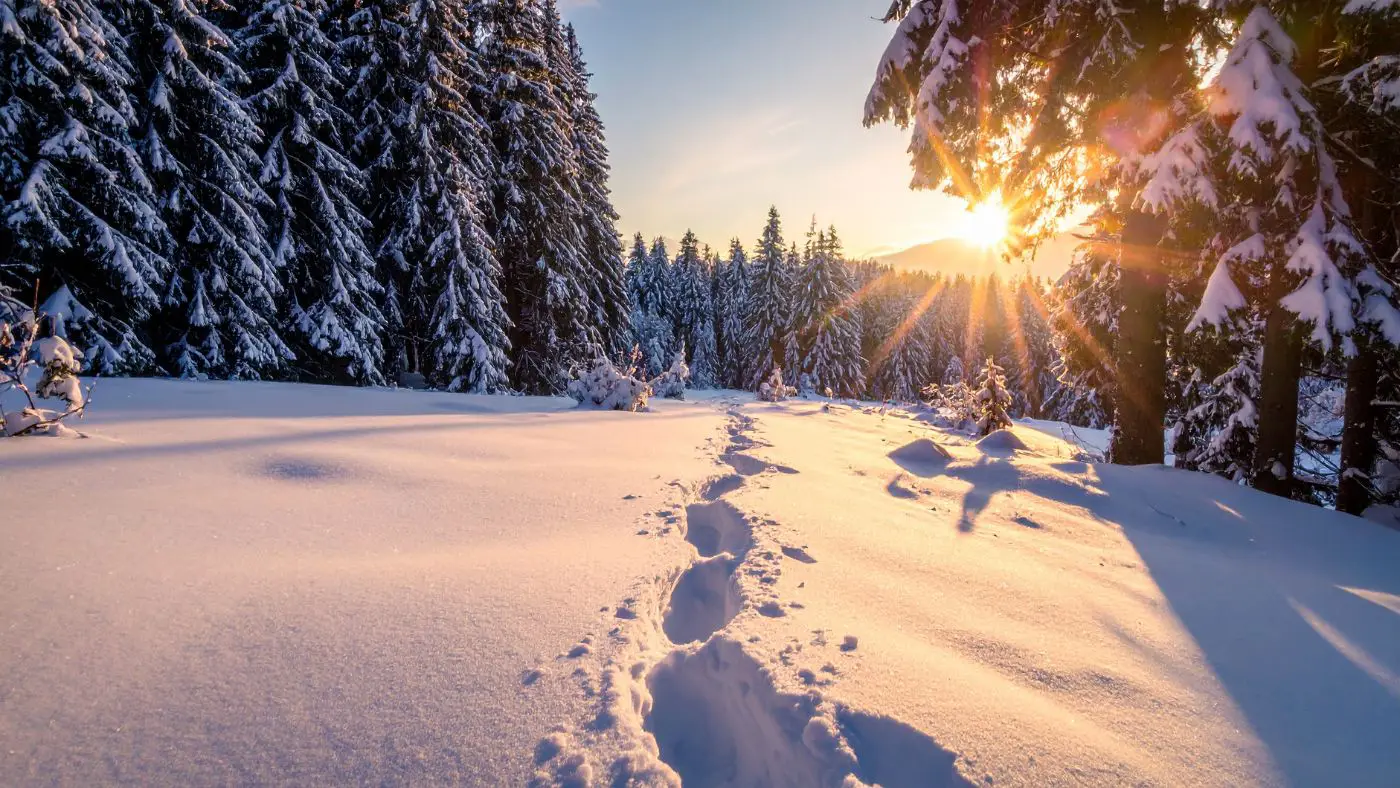
Golden hour photography refers to the short time after sunrise and before sunset. During this period, the sun stays low on the horizon and produces soft, warm light. Because sunlight travels through more of the Earth’s atmosphere, the light becomes less harsh. Shadows soften, highlights reduce, and photos appear more balanced and natural.
Photographers prefer golden hour because the light gently wraps around subjects. Skin tones look smoother, and landscapes appear deeper and richer. In locations like California beaches, Arizona deserts, and New York City rooftops, golden hour can turn ordinary scenes into eye-catching images.
Why Golden Hour Is Called “Magic Hour”
Golden hour is often called the “magic hour” because of how light behaves during this short period. Shadows become longer, highlights soften, and contrast drops naturally. This creates calm, emotional images without the need for heavy editing.
In places such as Yosemite National Park or the Grand Canyon, golden hour adds warmth and texture to rocks and mountains. In cities like Los Angeles and Chicago, buildings reflect golden light and create dramatic city scenes. This combination of soft light and warm color is why golden hour feels magical to photographers.
Difference Between Golden Hour and Magic Hour
Golden hour and magic hour are often used interchangeably, but they are not exactly the same. Golden hour usually refers to the warm yellow or orange light that appears after sunrise or before sunset. This light creates a soft and natural glow that photographers often prefer.
Magic hour is a broader term that can include golden hour and the transition into blue hour. While golden hour focuses on warmth and brightness, magic hour may include cooler tones as the sun sets further. Both are useful for photography, but golden hour is best for bright, warm, and inviting images.

When Is Golden Hour for Photography
Golden Hour in the Morning
Morning golden hour happens shortly after sunrise. Many photographers consider this the best time for golden hour photography because the air is cleaner and colors appear clearer. Morning light is also calmer and more balanced, especially in busy locations.
In the USA, places like Central Park in New York and Santa Monica Beach in California are usually less crowded during the morning golden hour. The light feels soft and fresh, making it ideal for portraits, landscapes, and lifestyle photography. Morning golden hour works especially well in summer, when evening golden hour often brings larger crowds.
Golden Hour After Sunrise Explained
Golden hour after sunrise begins when the sun first appears above the horizon. During this time, the light remains soft and warm, and shadows appear long. This gentle light helps create natural-looking photos with smooth highlights.
This window usually lasts between 30 and 60 minutes, depending on the season and location. In winter months, especially in states like Colorado or Utah, the morning golden hour can last slightly longer. Photographers often plan sunrise shoots in advance to capture this light before it becomes too harsh.
When Is Golden Hour in the Evening
Evening golden hour occurs shortly before sunset and remains the most popular time for golden hour photography. The light grows warmer and more dramatic as the sun lowers, which creates strong highlights and soft shadows.
In cities like San Francisco or Miami, photographers often use the evening golden hour for engagement sessions, travel photography, and fashion shoots. This time feels more emotional and cinematic than morning light. Evening golden hour also fits most schedules, which makes it a common choice for client work.
Golden Hour Before Sunset Explained
Golden hour, before sunset begins when the sun drops low enough to soften the light. This usually happens about one hour before sunset. The sky gradually shifts into orange and gold tones, creating depth and contrast.
In desert areas like Arizona or Nevada, evening golden hour highlights textures in sand and rock formations. As sunset approaches, photographers often combine golden hour with silhouettes and backlighting for dramatic effects.

How Long Does Golden Hour Last
Golden Hour Duration by Season
The length of golden hour changes depending on the season. During summer, golden hour can be shorter because the sun rises and sets more steeply. In winter, golden hour often lasts longer due to the lower angle of the sun.
In the northern United States, such as Washington or Montana, winter golden hour may feel extended and softer. Summer golden hour, especially in southern states like Texas or Florida, may be brief but intense. Understanding seasonal differences helps photographers plan shoots more effectively.
Summer Golden Hour vs Winter Golden Hour
Summer golden hour usually feels brighter and shorter because the sun rises and sets more quickly. The light is warmer and more intense, making it ideal for vibrant outdoor scenes, travel photography, and beach photos. In contrast, winter golden hour feels softer, longer, and more diffused due to the lower position of the sun. This type of light is especially good for portraits and moody landscape photography. In the USA, winter golden hour in places like Colorado or Washington often creates calm, cinematic images, while summer golden hour works best for bold and colorful visuals.
Golden Hour Duration by Location
Golden hour length also varies by geographic location. Areas closer to the equator experience shorter golden hours, while places farther north or south experience longer ones.
In Alaska, golden hour can last several hours during certain seasons. In contrast, states like Arizona experience quicker transitions. Location plays a major role in determining how long photographers have to work with golden hour light. Many of these spots are also listed among the best outdoor photo shoot locations.
Golden Hour Near the Equator vs Higher Latitudes
Higher latitudes provide longer golden hours, especially during winter. Lower latitudes experience shorter but stronger golden light. Knowing your location helps you maximize shooting time.

How to Find Golden Hour Time
Golden Hour Photography Calculator
A golden hour photography calculator is the easiest way to find exact golden hour times. These tools provide sunrise, sunset, and golden hour timing based on your location.
Popular tools used by photographers in the USA include PhotoPills, Sun Seeker, and online golden hour calculators. These tools are especially useful for travel photography and outdoor shoots where timing is critical.
Best Golden Hour Calculator Apps and Websites
Golden hour calculator apps and websites help photographers find the exact time for golden hour photography. Popular apps like PhotoPills and Sun Seeker show sunrise, sunset, and golden hour timing based on location. Websites such as TimeandDate.com also provide accurate golden hour schedules for any city in the USA. Many of these tools include sun direction and angle information, which helps photographers plan composition, shadows, and subject placement before a shoot. Using these calculators saves time and ensures you never miss the best light.
How to Find Golden Hour Manually
You can find golden hour manually by observing the sun’s position. When the sun is low and shadows are long, golden hour has started. When light becomes harsh and shadows shorten, golden hour has ended. This method is useful when shooting in remote areas without internet access.
Sun Position and Angle Explained
Golden hour occurs when the sun is low on the horizon, usually below a 10-degree angle. At this position, sunlight passes through more of the Earth’s atmosphere, which softens the light and reduces harsh shadows. This low angle also creates warm, golden tones that are ideal for photography. Because the light spreads evenly, subjects appear more natural and detailed. The sun’s angle during golden hour also produces long shadows, adding depth and dimension to landscapes, portraits, and outdoor scenes.
Best Types of Photography During Golden Hour
Golden Hour Portrait Photography
Golden hour portrait photography is popular because the light flatters skin tones. It reduces harsh shadows and hides small skin imperfections. The soft glow creates natural highlights without strong contrast.
In cities like Los Angeles or Austin, golden hour portraits are often used for lifestyle branding and social media. The light makes people look warm and healthy without heavy retouching. This is why many photographers schedule portrait sessions during golden hour.
Skin Tone and Natural Glow
Golden hour light naturally enhances skin tone by softening shadows and reducing harsh highlights. Because the light is warm and diffused, it helps subjects look healthy, smooth, and balanced without heavy retouching. This makes golden hour ideal for portrait and lifestyle photography. The gentle glow adds natural warmth to the face and reduces the appearance of blemishes or uneven tones. Photographers often choose golden hour because it creates flattering results straight out of the camera, saving time during editing while keeping images natural and realistic.
Golden Hour Landscape Photography
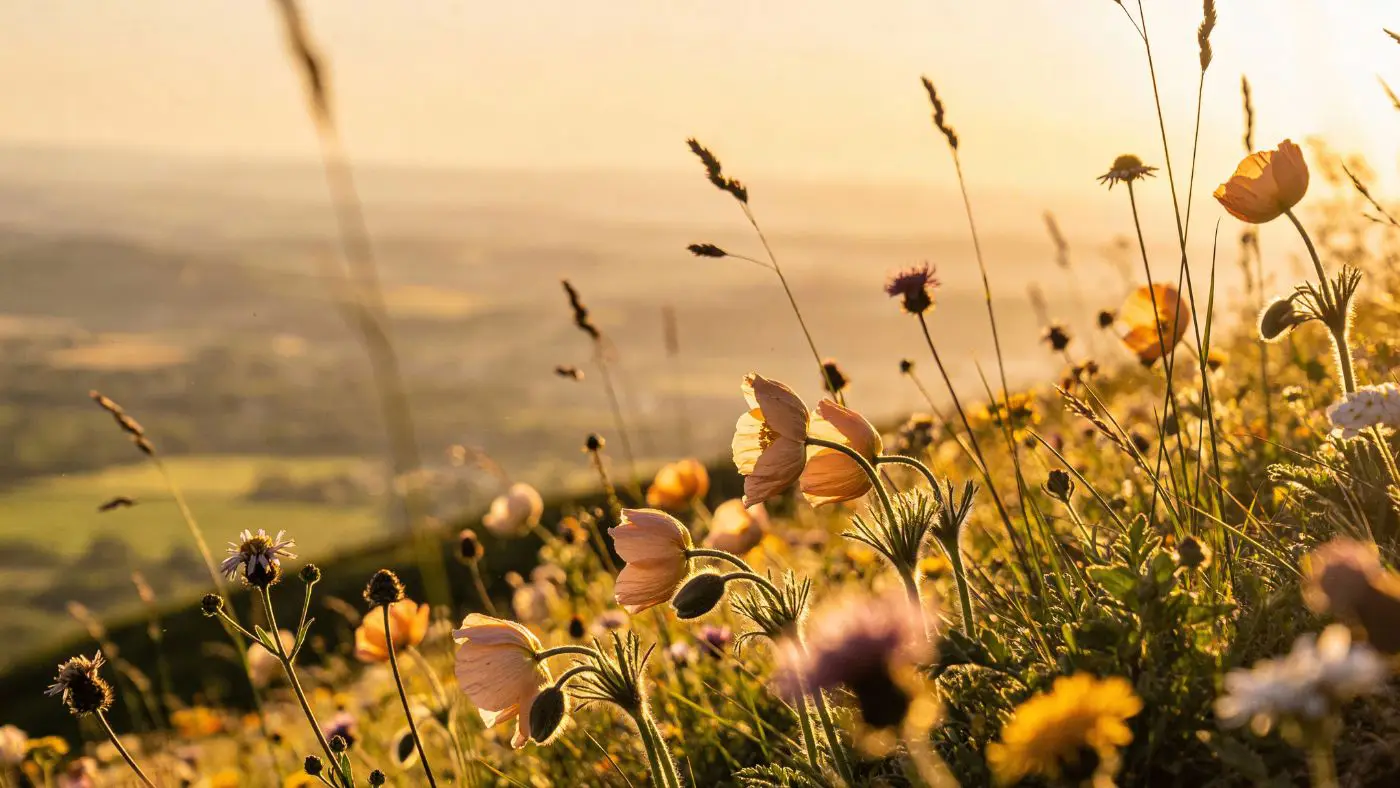
Golden hour adds depth, texture, and color to landscapes. Mountains, forests, and coastlines look more dramatic under low-angle sunlight. Shadows help show shape and distance in the scene.
National parks in the USA, such as Yosemite, Zion, and Yellowstone, are often photographed during golden hour. The light enhances natural details and creates a strong sense of mood and scale.
Golden Hour Beach Photography
Golden hour beach photography works especially well because soft light reflects gently off the water and sand. During this time, the sun stays low on the horizon and creates warm tones and smooth highlights. Shadows become longer, and contrast stays balanced, which helps scenes feel calm and natural.
Coastal locations such as Malibu in California, Miami Beach in Florida, and beaches across Hawaii are ideal during golden hour. Open skies, ocean reflections, and soft light make beach photos perfect for portraits, travel photography, and lifestyle shoots. Golden hour also adds depth to waves and shorelines, making beach images look more natural and visually appealing.
Outdoor Photography in Golden Hour
Golden hour outdoor photography works well for almost every photography style because the light stays soft and natural. Shadows remain gentle, highlights stay controlled, and colors look warmer and more balanced.
This light suits travel photography, wedding shoots, lifestyle sessions, and street photography. Outdoor locations across the USA, including city streets, beaches, parks, and mountains, look more visually appealing during golden hour. The warm glow adds depth and emotion and helps photographers capture natural moments with minimal editing.

Golden Hour Photography Tips
Composition Tips for Golden Hour
Composition plays an important role in golden hour photography because light behaves differently at this time of day. The low sun allows photographers to experiment with angles and subject placement.
Backlighting works especially well and creates a soft glow around the subject. Leading lines such as roads, fences, or shorelines become more visible because of long shadows. Photographers often place subjects between the sun and the camera to create rim lighting and add depth. Golden hour also works well for framing subjects against the sky in open outdoor locations.
Backlighting and Silhouettes
Backlighting during golden hour creates mood and visual depth by placing the light source behind the subject. This technique produces a soft outline, often called rim light, which helps the subject stand out from the background.
Silhouettes work best when the sky shows strong color, such as during sunrise or sunset. Beaches, hilltops, and open fields provide ideal settings. By exposing for the sky instead of the subject, photographers create bold shapes and emotional images that feel cinematic and timeless.

Common Golden Hour Photography Mistakes
One of the most common golden hour photography mistakes is poor planning. Golden hour is short, and arriving unprepared often leads to missed shots.
Relying too much on automatic camera settings is another common issue. Cameras can struggle to balance bright skies with darker subjects. Light also changes quickly during golden hour, and locations can look very different within minutes. Planning ahead, using manual settings, and arriving early help photographers avoid these problems.
Shooting Too Late or Too Early
Golden hour does not last long, and poor timing is the most frequent mistake. Arriving too late can result in harsh shadows or flat light. Shooting too early may produce light that is not yet soft or warm.
Checking golden hour times in advance is essential. Apps and calculators help photographers arrive at the right moment and make full use of this short window of ideal light.
Difference Between Golden Hour and Blue Hour
Golden hour and blue hour are both popular in photography, but they create different moods. Golden hour occurs when the sun stays low and produces warm, soft light. Blue hour happens after sunset or before sunrise, when the sky turns deep blue.
Both times are useful, but many photographers prefer golden hour for natural warmth, flattering skin tones, and outdoor clarity. Blue hour works better for city lights, night scenes, and moody compositions. Many photographers use both to capture a wider range of lighting styles.
Final Thoughts on Golden Hour Photography
Golden hour photography depends on timing, preparation, and understanding light. When photographers know when golden hour occurs and how to use it, they capture consistently high-quality images. Whether shooting in New York City, on California beaches, or in national parks across the USA, golden hour remains one of the most powerful tools in photography.